Side-by-Side Cognitive Profiles: Lakeland Terrier vs. Norwegian Lundehund
At The Cosmic Pet Pet IQ Lab, we assess canine intelligence across five key dimensions. While both the Lakeland Terrier and the Norwegian Lundehund register a score of 3/5 in each category, understanding their breed-specific manifestations illuminates their unique cognitive landscapes. This isn't about one being 'smarter' than the other in a general sense, but rather how their similar cognitive capacities are applied and expressed.
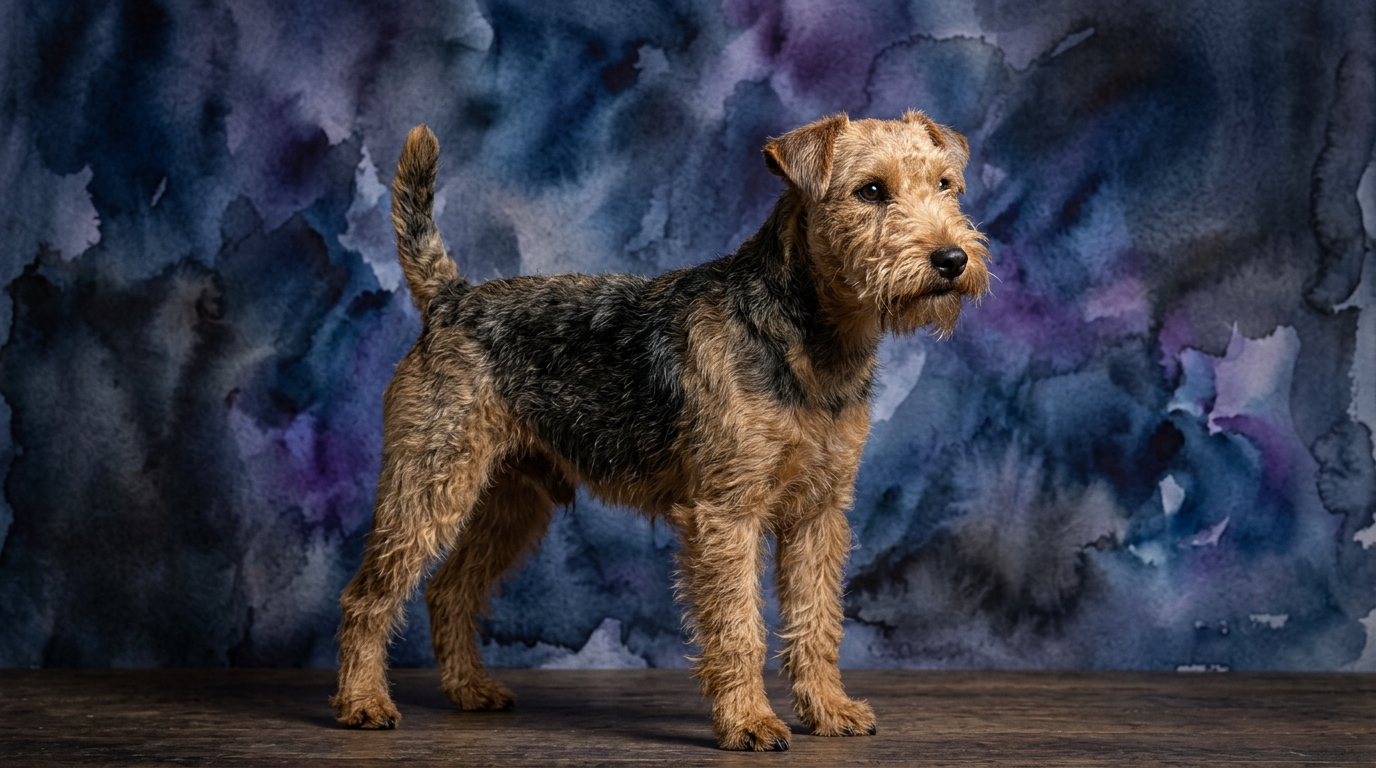
For the **Lakeland Terrier**, a member of the Terrier group, their 3/5 **Problem Solving** capability manifests as a tenacious, independent approach, especially when overcoming obstacles to achieve a goal. This breed excels at figuring out how to access a desired object or bypass a barrier, a direct reflection of their heritage as persistent vermin hunters. Their **Training Speed** (3/5) indicates a moderate pace of learning commands; they grasp new concepts, but their inherent strong will often means consistency and engaging methods are crucial to maintain their focus and cooperation. In **Social Intelligence** (3/5), Lakelands generally exhibit good intuition regarding their primary human's cues and intentions, forming strong, responsive bonds, though their terrier instincts can lead to a more reserved or wary stance towards strangers or other animals, necessitating early and broad socialization. Their **Instinctive Drive** (3/5) is robust, characterized by a keen prey drive, an eagerness to chase small, moving objects, and a persistent interest in exploring scents, which requires appropriate outlets. Finally, their **Memory** (3/5) allows them to retain routines, commands, and spatial layouts effectively, contributing to their adaptability within a structured environment and aiding in consistent task performance.
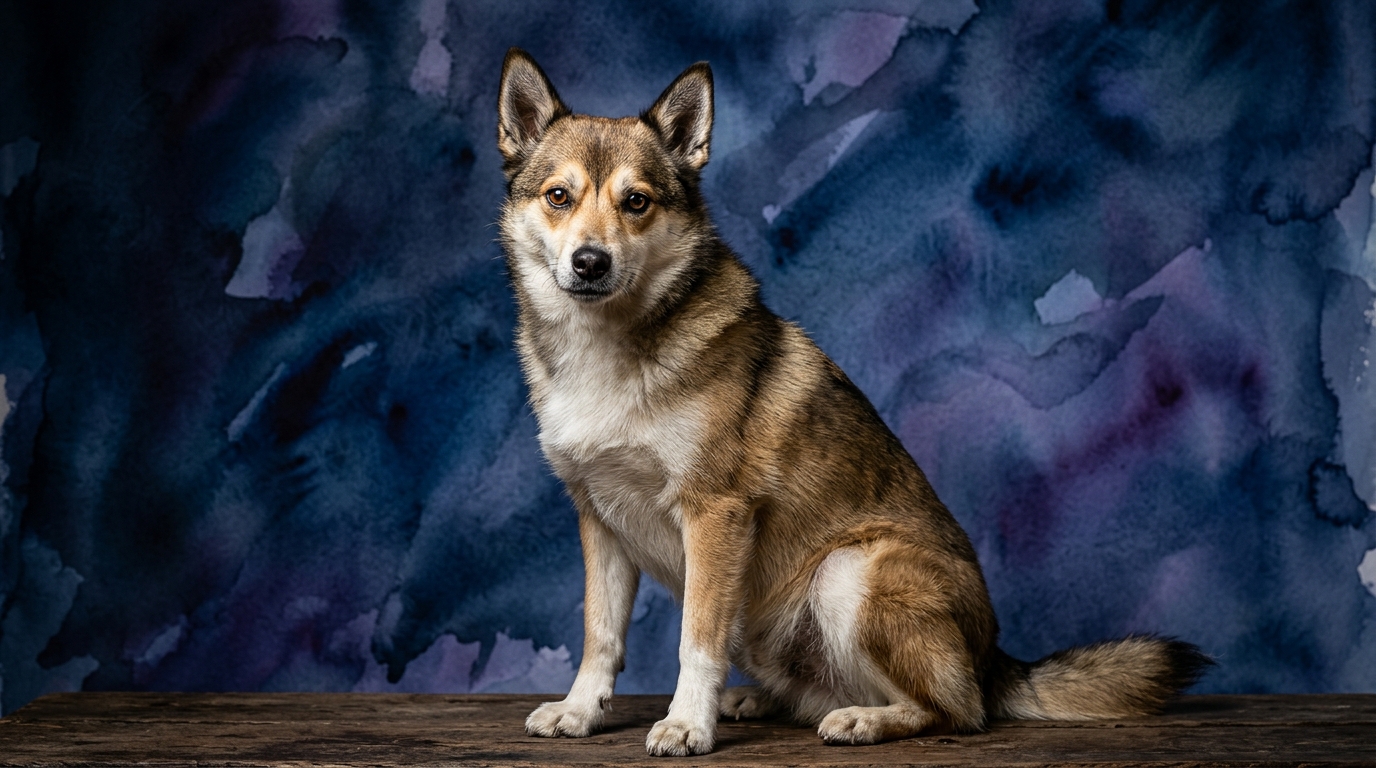
The **Norwegian Lundehund**, classified in the Non-Sporting group, expresses its 3/5 **Problem Solving** through exceptional spatial reasoning and a unique ability to navigate complex physical environments, a direct legacy of their historical role hunting puffins on treacherous cliffs. They are adept at finding unconventional ways to maneuver through or around obstacles, often utilizing their extraordinary physical flexibility. Their **Training Speed** (3/5) is moderate, yet their deeply ingrained independence and ancient working background mean that they frequently assess the 'why' behind a command. Successful training demands immense patience, creativity, and high-value rewards to sustain their engagement. In terms of **Social Intelligence** (3/5), Lundehunds are typically reserved and observant, preferring to assess new people and situations before engaging. Their social acumen is focused on forming profound, loyal connections with their core family unit, rather than displaying broad social affability. Their **Instinctive Drive** (3/5) is highly specialized, centered on exploration, climbing, and leveraging their distinct physical attributes. They maintain a moderate prey drive, particularly for small, bird-like movements, alongside a peculiar urge to 'collect' or cache items. Their **Memory** (3/5) is particularly strong for complex physical routes and the precise location of hidden objects, a trait undoubtedly honed by their need to navigate intricate cliffside nesting sites and potentially cache food.
Where the Lakeland Terrier Excels Cognitively
While both breeds share a 3/5 problem-solving score, the Lakeland Terrier often exhibits this capacity in a more direct and persistent manner, especially when the task aligns with their innate drive for engagement and interaction. Their problem-solving is frequently expressed as a determined effort to overcome obstacles or achieve a desired outcome that often involves a clear, tangible goal, such as retrieving a toy from under furniture or navigating a puzzle feeder. This tenacity, coupled with their moderate memory, means they can consistently apply learned solutions.
Furthermore, the Lakeland's 3/5 social intelligence often translates into a more overtly engaged and responsive partnership within their family unit compared to the Lundehund. They are typically more attuned to direct human interaction cues in a working or training context, eager to participate in shared activities. This makes them potentially more straightforward to motivate through praise and interactive play, as their engagement is deeply intertwined with their bond with their person.
Where the Norwegian Lundehund Holds a Cognitive Edge
The Norwegian Lundehund's 3/5 problem-solving truly shines in areas demanding non-linear thought and exceptional spatial awareness. Leveraging their unique physical flexibility and agility, they might discover solutions to physical challenges that other breeds wouldn't even perceive as possibilities. This could include navigating incredibly tight spaces, climbing unconventional structures, or devising intricate routes to reach a desired location, showcasing a highly specialized form of practical intelligence born from their unique evolutionary niche.
Moreover, the Lundehund's 3/5 memory is particularly remarkable for its capacity to recall complex sequences of actions and intricate spatial layouts. This trait, honed through generations of navigating treacherous cliff faces and locating specific puffin nesting sites, means they can remember detailed routes and the precise location of hidden objects with impressive accuracy. Their instinctive drive, while also 3/5, is intensely focused on exploration and environmental interaction, leading to fascinating behaviors like scaling furniture or meticulously investigating novel items, demonstrating a deep, almost scientific curiosity about their surroundings.
Training Dynamics: Which is Easier and Why?
Despite both breeds scoring 3/5 in training speed, the Lakeland Terrier generally presents as 'easier' to train for the average owner. This is largely due to their terrier eagerness and a moderate desire to please their primary human, which, while sometimes battling their independent streaks, provides a strong foundation for engagement. They respond well to consistent, firm-but-fair training that leverages their moderate food drive and inherent desire for interactive tasks. Their intelligence is often channeled into 'doing' things with their human, making them receptive to traditional obedience and dog sports.
The Norwegian Lundehund, conversely, can be more challenging for many owners, even with an identical training speed score. Their profound independence, rooted in their ancient working methods where they operated without direct human command, means they often require a clear rationale for performing a task. They are less motivated by conventional rewards or repetitive drills and can become bored or resistant if training feels arbitrary or pointless to them. Training a Lundehund demands exceptional patience, highly creative positive reinforcement strategies, and an understanding that their problem-solving intelligence might sometimes be applied to *avoiding* training rather than embracing it. Their distinctive nature requires an owner who embraces their unique learning style.
Matching Lifestyles: Active vs. Relaxed Owners
Both the Lakeland Terrier and the Norwegian Lundehund require engaged owners, but their specific needs cater to different forms of activity. The Lakeland Terrier thrives with owners who can channel their moderate energy and innate prey drive into structured, engaging activities. They excel in dog sports like earthdog trials, agility, or long, exploratory walks that allow them to use their senses and problem-solving skills. An active owner who provides consistent mental and physical stimulation will find a loyal and enthusiastic partner in a Lakeland.
For the Norwegian Lundehund, the term 'active owner' takes on a slightly different meaning. While they do need regular exercise, their primary requirement is for owners who are *actively engaged* in providing unique mental and physical enrichment that caters to their climbing, exploring, and puzzle-solving needs. This isn't necessarily about high-impact sports, but rather creating an environment that challenges their spatial intelligence and allows for their specialized instincts to flourish. A truly 'relaxed' owner, one who prefers minimal interaction or mental engagement, would likely find either breed challenging. However, a Lakeland Terrier might adapt slightly better to an owner who provides consistent, moderate daily exercise and mental games, but isn't always seeking an adventure companion. The Lundehund, with its independent problem-solving and unique physical capabilities, needs an owner who actively facilitates their exploratory nature, lest their intelligence leads to creative escape attempts or redecorating projects.
The Verdict
Choose the Lakeland Terrier if you seek a tenacious, engaged companion ready for structured activities and a direct partnership, appreciating a dog whose moderate intelligence is often expressed through focused determination and an eagerness to participate in family life.
Choose the Norwegian Lundehund if you are fascinated by a breed with a truly unique physical and cognitive profile, willing to invest significant patience in understanding their independent, sometimes quirky, problem-solving, and providing a stimulating environment for their specialized instincts and spatial memory.
🧠 Find Your Pet's IQ Score
Our Pet IQ Lab assessment covers 25+ tests across 5 cognitive dimensions — personalized to your breed.
Take the Full IQ Test →Frequently Asked Questions
Are Lakeland Terriers stubborn?
Lakeland Terriers, like many terriers, possess a moderate stubborn streak stemming from their independent hunting heritage. While they are trainable (3/5 training speed), consistency, clear boundaries, and engaging methods are essential to channel their willfulness productively.
Do Norwegian Lundehunds make good family pets?
Norwegian Lundehunds can be wonderful family pets, forming deep bonds with their chosen humans due to their 3/5 social intelligence, but they tend to be reserved with strangers. Their unique needs for mental stimulation and careful socialization mean they thrive in homes that understand and cater to their distinct personality and exploratory nature.
How do these breeds compare in terms of their natural instincts?
Both breeds have a 3/5 instinctive drive, but it manifests differently. Lakeland Terriers exhibit a general prey drive and tenacity for hunting small game, while Norwegian Lundehunds have a highly specialized drive for exploring, climbing, and 'collecting' items, reflecting their ancient role as puffin hunters in challenging environments.