Side-by-Side IQ Profile: Unpacking the Shared 3/5
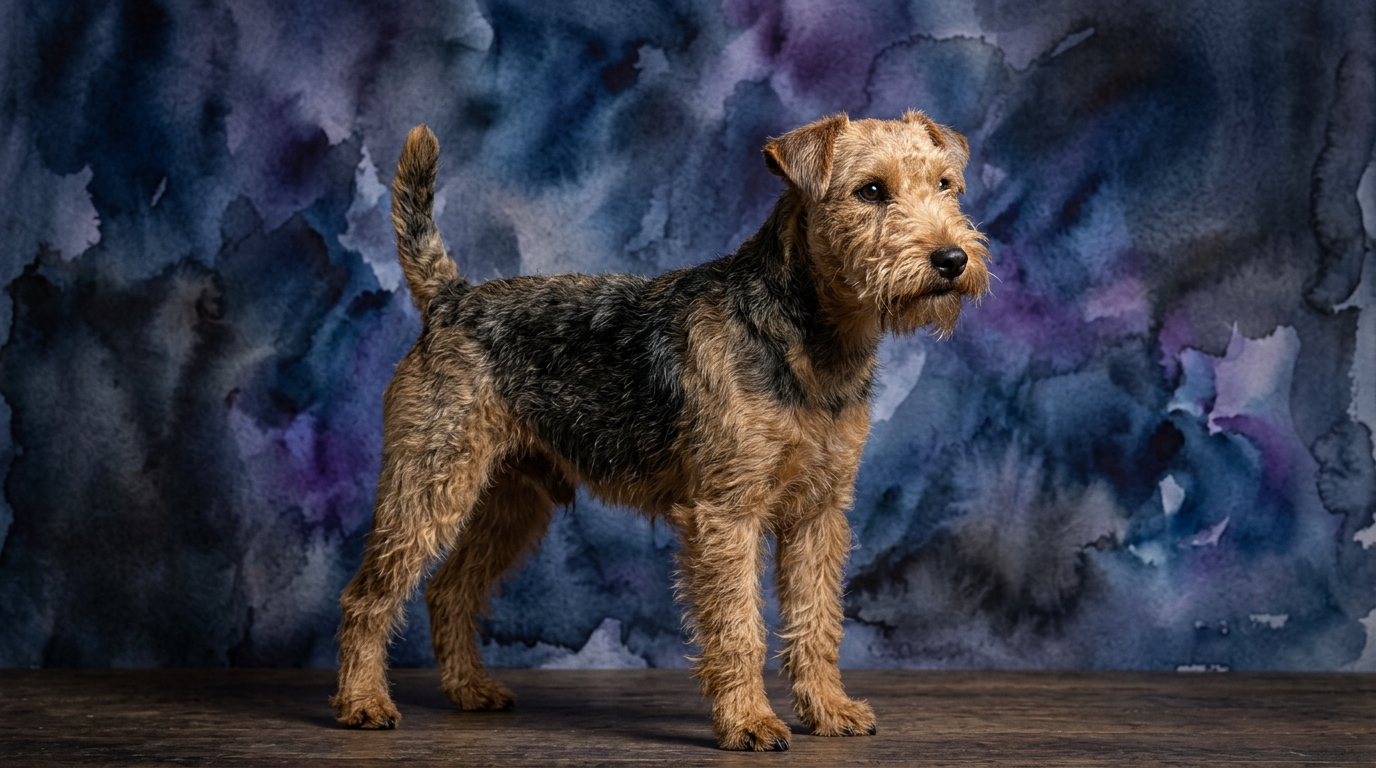
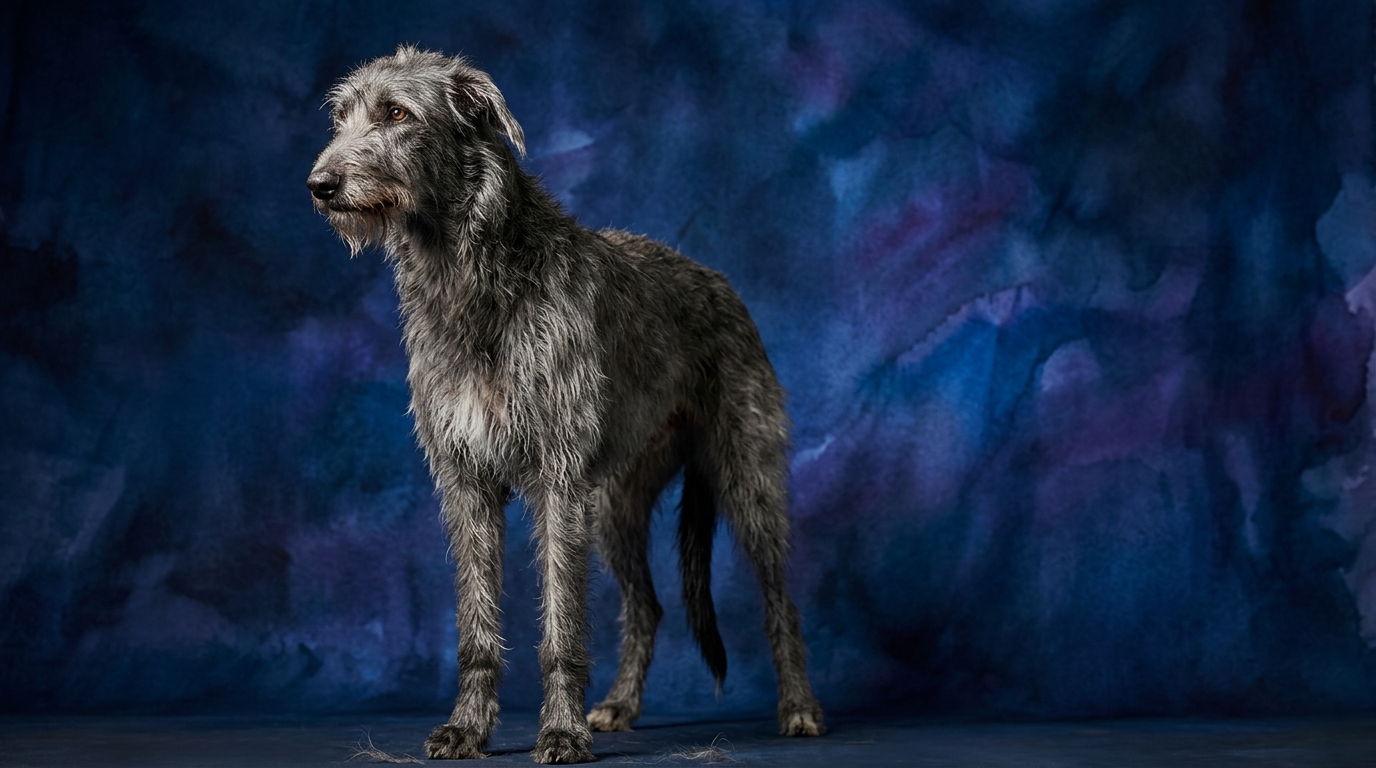
The Cosmic Pet Pet IQ Lab assigns both the Lakeland Terrier and the Scottish Deerhound a consistent 3/5 across all five measured cognitive dimensions. While numerical parity might suggest identical abilities, a closer look at their breed-specific manifestations reveals how these scores play out uniquely for each dog, shaped by centuries of selective breeding for distinct purposes.
The **Lakeland Terrier**, originating from England's Lake District, was developed for hunting vermin in rugged, often confined terrain. Its cognitive profile reflects this demanding heritage.
**Problem Solving (3/5)**: For the Lakeland, this score signifies a pragmatic, hands-on approach to challenges. They are adept at figuring out how to navigate tight spaces, bypass obstacles, or outwit small prey using independent thought and persistent effort. Their problem-solving is often self-directed and goal-oriented, driven by an inherent desire to achieve an objective rather than explicit instruction. They might independently work out how to access a forbidden area or retrieve a hidden item through trial and error, demonstrating a resourceful tenacity.
**Training Speed (3/5)**: Lakelands absorb new information at a steady pace, but their independent spirit means consistency and strong motivation are crucial for success. They learn commands efficiently but may choose when to execute them, especially if a more compelling distraction, such as an interesting scent or movement, is present. Training success often hinges on making the desired behavior more rewarding than their innate inclinations.
**Social Intelligence (3/5)**: These dogs observe their human companions closely, understanding routines, moods, and social cues within their family unit. While they form strong bonds with their people, their social interactions can be selective; they might be reserved with strangers or assertive with other dogs. They read cues for interaction or potential conflict effectively, often making quick judgments about their environment and its inhabitants.
**Instinctive Drive (3/5)**: The Lakeland's drive is a potent blend of prey drive, digging, and vocalization. This 3/5 indicates a strong, purposeful instinct to pursue, unearth, and alert. They are keenly attuned to movement and sounds associated with small animals, and their focus on these instincts can be intense, shaping much of their spontaneous behavior and requiring consistent management.
**Memory (3/5)**: Lakelands possess a functional memory for routines, learned commands, and locations of interest, such as where a squirrel was last seen or where a favorite toy is hidden. They recall past experiences and adapt future actions based on success or failure, remembering what strategies worked to achieve a goal or avoid an undesirable outcome.
The **Scottish Deerhound**, a majestic sighthound from Scotland, was bred for hunting red deer over vast, open landscapes. Its cognitive makeup is finely tuned to this specialized role.
**Problem Solving (3/5)**: For the Deerhound, a 3/5 in problem solving typically involves spatial reasoning and strategic pursuit in dynamic environments. They excel at mapping efficient routes across varied terrain to intercept a moving target, predicting an animal's path, or navigating complex landscapes during a chase. Their problem-solving is less about manipulating objects and more about rapid environmental assessment and quick decision-making in pursuit, often relying on visual cues.
**Training Speed (3/5)**: Deerhounds learn commands with gentle consistency, responding best to positive reinforcement and a calm approach. Their training speed is moderate, but their sighthound nature means they might not offer enthusiastic, repetitive obedience with the same fervor as some other breeds. They absorb information well but often require understanding the 'why' or finding intrinsic reward in cooperation. Distraction by movement is a primary challenge to their focus.
**Social Intelligence (3/5)**: These dogs are often described as sensitive and observant, picking up on subtle human emotional cues and the overall atmosphere of their home. They form deep attachments to their families and can be quite attuned to their household's emotional environment. While affectionate with their people, they tend to be reserved and dignified with strangers, preferring to observe before engaging directly.
**Instinctive Drive (3/5)**: The Deerhound's instinctive drive is primarily a powerful sighthound prey drive, focused intensely on chasing anything that moves quickly. This 3/5 signifies an immediate, explosive response to visual stimuli, leading to bursts of speed and single-minded pursuit. While not typically given to digging or persistent barking like terriers, their urge to run and chase is profound and deeply ingrained.
**Memory (3/5)**: Deerhounds remember people, places, and routines with good retention. They can recall specific visual cues associated with past chases or rewards, and they learn the layout of their environment, including safe running spaces and potential hazards. Their memory supports their hunting strategy, allowing them to recall successful pursuit patterns and preferred routes.
Where Lakeland Terrier Wins Cognitively
The Lakeland Terrier's cognitive edge lies in its independent resourcefulness and tenacity when confronting challenges in confined or complex environments. While both breeds score 3/5 in problem-solving, the Lakeland's manifests as a persistent, hands-on determination to overcome physical barriers or outmaneuver small prey. This terrier excels at figuring out how to access tight spaces, manipulate objects to achieve a goal, or escape containment, demonstrating a practical, often stubborn, ingenuity. Their memory for successful tactics in these specific scenarios is particularly robust, allowing them to refine their approach with experience. This breed's specific manifestation of instinctive drive also gives it an edge in focused, sustained engagement with a singular task, particularly those involving scent or digging, which can require extended cognitive application and determination.
Where Scottish Deerhound Wins Cognitively
The Scottish Deerhound's cognitive strengths lean into its specialized role as a sighthound, particularly in spatial reasoning and nuanced social observation. Their 3/5 in problem-solving translates to exceptional ability in dynamically assessing open environments, predicting the movement of fast-moving objects, and executing complex pursuit strategies over distance. This involves rapid, instinctual calculations of speed, distance, and trajectory. Furthermore, their social intelligence, while also rated 3/5, often presents as a profound sensitivity to human emotional states and subtle body language within their close family unit. They might not be boisterous, but their quiet observation allows them to anticipate needs and moods, making them deeply empathetic companions. Their memory excels at recalling visual patterns and the lay of the land for optimal running and chasing.
Which is Easier to Train and Why
Training ease between these two breeds presents a dichotomy rooted in their fundamental behavioral tendencies and historical roles. The Scottish Deerhound, while possessing a strong prey drive, often responds well to gentle, consistent, positive reinforcement methods. Their sensitivity means harsh corrections are counterproductive, but their desire to please their family, combined with their generally quiet demeanor, can make them receptive to learning. However, their sighthound nature means recall training must be exceptionally strong and continuously reinforced, as a visual stimulus can instantly override learned commands, making off-leash reliability a significant and ongoing effort.
The Lakeland Terrier, conversely, brings a distinct terrier tenacity and independent streak to the training arena. Their self-directed problem-solving and strong instinctive drives mean they learn quickly but often require significant motivation, engagement, and consistency to channel their impulses towards desired behaviors. They are not inherently eager to please in the same way some working breeds are; instead, they need to understand *why* a command benefits them or what reward it yields. This can make training more challenging, as owners must contend with a breed that frequently questions directives or prioritizes its own agenda, such as pursuing a captivating scent or digging. Therefore, while both learn, the Deerhound's gentle, cooperative nature might make the *process* feel smoother for a patient owner, whereas the Lakeland demands a more assertive, engaging, and creative training approach to channel its independent spirit effectively.
Which Suits Active Owners vs Relaxed Owners
For active owners seeking a companion for varied outdoor pursuits, the Scottish Deerhound offers a unique partnership. While they are capable of explosive bursts of speed and require ample space for running, they are also known for their calm and relaxed demeanor indoors, often content to lounge. Owners who appreciate a dog that can transition from intense physical exertion to quiet companionship, and who can provide secure, extensive off-leash running opportunities in a safe area, will find the Deerhound suitable. Their activity needs are high in intensity but can be intermittent, making them ideal for someone who enjoys long, fast walks or runs in open areas, followed by extended periods of indoor rest.
The Lakeland Terrier, however, generally aligns with owners who lead a more consistently active lifestyle and enjoy direct, interactive engagement. Their energy levels are typically higher and more sustained than the Deerhound's, requiring regular mental and physical stimulation to prevent boredom and potential destructive behaviors. They thrive on activities like agility, earthdog trials, or long, exploratory walks where they can utilize their keen senses and problem-solving skills. Owners who enjoy engaging their dog in structured play, training challenges, and frequent outdoor adventures will find the Lakeland a fitting match. They are not content to be couch potatoes for extended periods; their vigor demands an owner ready to match their enthusiasm for daily activity and provide consistent mental stimulation.
The Verdict
Select the Lakeland Terrier if you seek a resilient, independent companion who thrives on consistent mental and physical challenges, and you appreciate a dog with tenacious problem-solving skills and a strong, focused drive.
Opt for the Scottish Deerhound if you desire a gentle, observant companion with bursts of athletic prowess, and you can provide ample space for running while valuing a calm, sensitive presence indoors.
🧠 Find Your Pet's IQ Score
Our Pet IQ Lab assessment covers 25+ tests across 5 cognitive dimensions — personalized to your breed.
Take the Full IQ Test →Frequently Asked Questions
Are Lakeland Terriers stubborn during training?
Lakeland Terriers can exhibit an independent streak during training due to their inherent tenacity and self-directed nature. They learn quickly but often require consistent, highly motivating methods to channel their focus away from their strong instinctive drives and towards desired behaviors.
How do Scottish Deerhounds react to new people?
Scottish Deerhounds are typically reserved and dignified with strangers, preferring to observe new people from a distance before engaging. They are not usually boisterous greeters but can become affectionate once they feel comfortable and have assessed the newcomer's intentions.
Which breed is better for apartment living?
Neither breed is ideally suited for small apartment living without significant outdoor access and exercise, but the Scottish Deerhound's calm indoor demeanor after sufficient exercise might make it marginally more adaptable than the higher-energy, more vocal Lakeland Terrier, provided ample running space is available daily.