Side-by-Side Pet IQ Profile
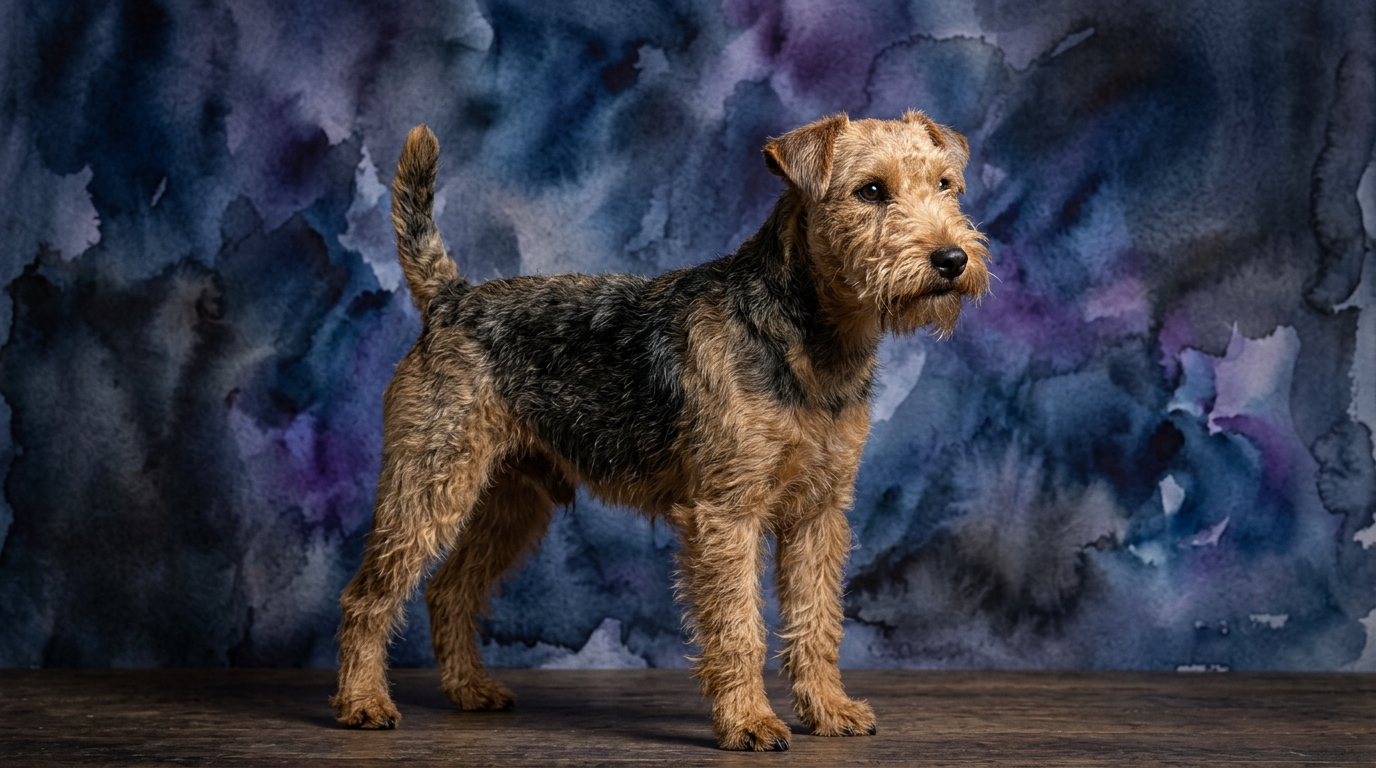
The Lakeland Terrier, a spirited member of the Terrier group, presents a cognitive profile shaped by its heritage as a working dog. Their Problem Solving is rated 3/5, reflecting a practical, hands-on approach to overcoming obstacles. Lakelands often excel at figuring out how to bypass physical barriers or unravel simple sequences to reach a desired outcome, typically employing persistence and physical effort. Their solutions are direct and goal-oriented, mirroring their historical role in hunting small game.
Training Speed for the Lakeland Terrier is also 3/5; they learn new commands at a moderate pace, but their independent spirit means consistency and positive reinforcement are crucial. They process information effectively but may require clear motivation to comply, especially if a task doesn't immediately align with their innate drives. Their Social Intelligence, at 3/5, allows them to form strong bonds with their primary family, understanding human cues and household dynamics, though they can be reserved with strangers. Instinctive Drive, rated 3/5, is deeply rooted in their lineage, manifesting as a strong inclination for digging, chasing, and exploring, showing persistent focus on tasks that engage these natural instincts. Finally, their Memory, also 3/5, demonstrates good recall for routines, learned commands, and the location of favored objects or past 'prey' sites, serving their practical needs for navigating their environment and repeating successful behaviors.
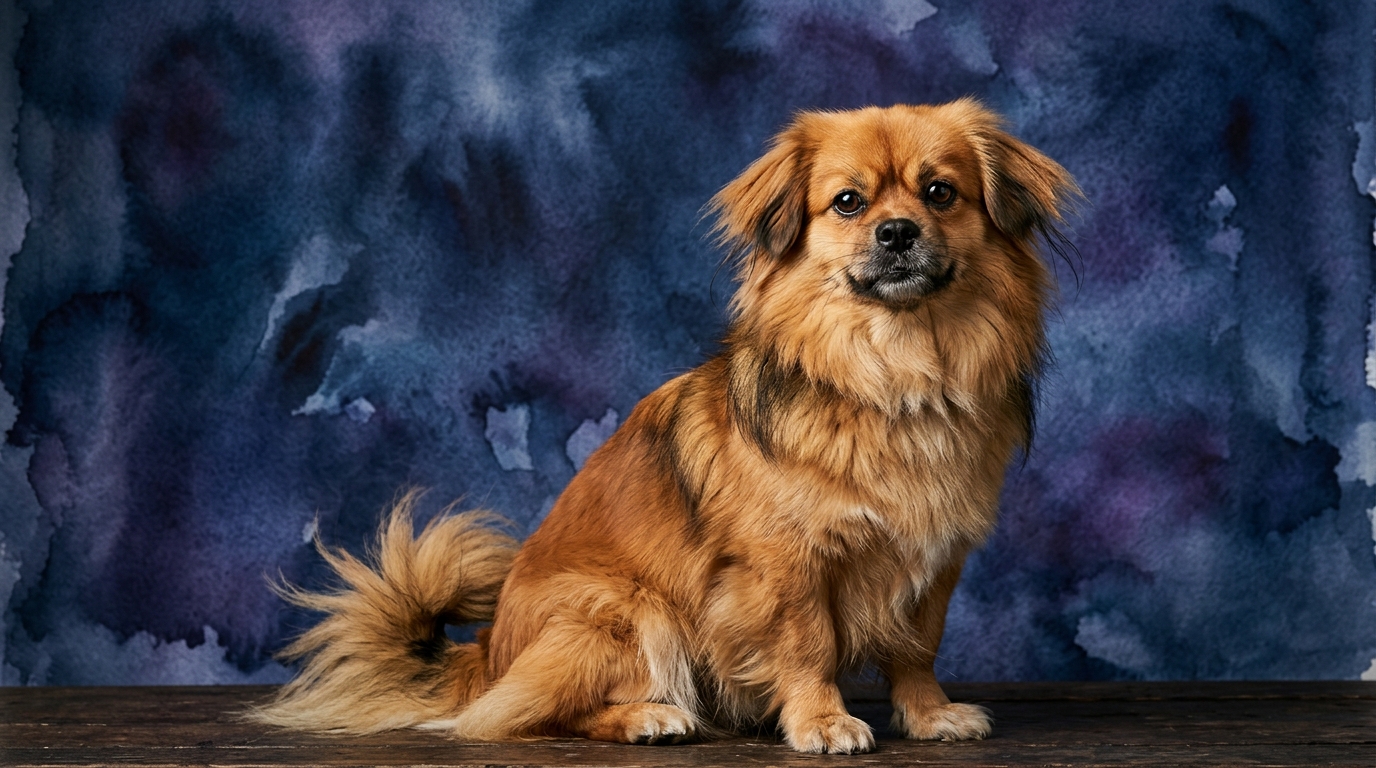
The Tibetan Spaniel, a charming companion from the Non-Sporting group, exhibits cognitive strengths tailored to its historical role as a monastery watchdog and companion. Their Problem Solving is rated 3/5, applied keenly to navigating their social environment and ensuring their comfort and safety. They are adept at figuring out how to get attention, manipulate objects to their advantage (e.g., reaching a high spot), or alert to perceived threats, often using observation and cleverness.
Their Training Speed, at 3/5, indicates they learn at a moderate pace, particularly when training is engaging and rewards-based. They respond well to positive reinforcement and consistency, often motivated by praise and the desire to please their human companions, though they can exhibit a stubborn streak if unconvinced of a task's value. Social Intelligence, rated 3/5, is a hallmark of the breed, enabling them to keenly observe and respond to human emotions and household routines, forming deep, perceptive bonds with their families. Their Instinctive Drive, also 3/5, is primarily geared towards vigilance and companionship, showing a strong impulse to observe from elevated positions, alert to novel sounds or sights, and maintain close proximity to their chosen humans. Lastly, their Memory, rated 3/5, is excellent for faces, routines, and the specific preferences of their family members, contributing to their ability to anticipate daily events and maintain consistent social dynamics within the home.
Where Lakeland Terriers Excel Cognitively
The Lakeland Terrier's cognitive strengths, consistently rated 3/5 across dimensions, truly shine in practical, independent application. Their problem-solving is intrinsically tied to their working dog heritage, manifesting as a tenacious drive to overcome physical obstacles or unravel sequential challenges. This breed excels at tasks requiring persistence and a hands-on approach, such as navigating complex terrains, figuring out how to access a hidden toy, or outsmarting a small burrowing creature.
Their instinctive drive, also at 3/5, fuels a focused attention on specific objectives, making them particularly adept at activities like earthdog trials or scent work where a sustained, goal-oriented cognitive effort is paramount. This isn't about abstract reasoning, but rather a robust, practical intelligence geared towards achieving a tangible outcome through active engagement with their environment. Their memory serves these practical pursuits, allowing them to recall successful strategies and specific locations with precision, which is invaluable in repetitive tasks or navigating familiar outdoor spaces.
Where Tibetan Spaniels Excel Cognitively
The Tibetan Spaniel, with its consistent 3/5 scores, demonstrates cognitive prowess that leans heavily into social and observational intelligence. Their 3/5 social intelligence allows them to form exceptionally perceptive bonds, making them adept at reading human emotions and subtly influencing household dynamics to their advantage. They excel at understanding the nuances of family life and adapting their behavior to maintain harmony and secure their place as cherished companions, often anticipating needs before they are vocalized.
Their problem-solving, while not about hunting, is keenly applied to navigating social situations or finding the most comfortable spot in the house, often involving clever manipulation of objects or communication with their humans. The 3/5 instinctive drive is channeled into vigilance, making them astute observers who remember routines and changes in their environment, allowing them to alert their family to anything unusual with remarkable consistency. Their memory excels in recalling individual preferences and daily rhythms, further enhancing their role as sensitive, anticipatory companions who thrive on predictability and close interaction.
Which Is Easier to Train and Why
Deciding which breed is 'easier' to train between the Lakeland Terrier and Tibetan Spaniel, both scoring 3/5 for training speed, depends heavily on the owner's approach and understanding of breed-specific motivations. The Lakeland Terrier, with its strong instinctive drive and independent problem-solving, can present challenges due to its inherent tenacity and desire to follow its own nose. Training a Lakeland often requires immense consistency, patience, and making training feel like a game or a 'job' that appeals to their prey drive, often involving structured scent work or agility to channel their energy effectively.
In contrast, the Tibetan Spaniel's 3/5 training speed is often influenced by their desire for companionship and their social intelligence. They typically respond well to positive reinforcement, praise, and rewards, as they enjoy pleasing their human family members and thrive on interaction. However, their independent 'Tibbie tilt' means they are not always blindly obedient; they will assess whether a command is worth their effort or if there's a more comfortable alternative. Therefore, while both require a dedicated trainer, the Tibetan Spaniel's motivation often stems from social connection, potentially making them more amenable to certain types of obedience training, whereas the Lakeland's motivation is more rooted in fulfilling its working instincts and a strong sense of self-direction.
Suitability for Active vs. Relaxed Owners
For owners seeking a more active, engaged companion, the Lakeland Terrier is often the more suitable choice. Their 3/5 instinctive drive and problem-solving translate into a need for regular physical and mental stimulation that goes beyond simple walks. These dogs thrive on activities like hiking, structured playtime involving chasing and 'hunting' games, agility courses, or earthdog trials that allow them to channel their natural terrier instincts. An active owner who can provide consistent outlets for their investigative nature and physical prowess will find a rewarding partnership, as their cognitive abilities are best expressed through dynamic engagement and purposeful activity.
Conversely, the Tibetan Spaniel typically aligns better with relaxed owners or those seeking a companion for a more measured pace of life. While they appreciate walks and playtime, their primary cognitive and instinctive drives center around companionship and vigilance within the home environment. Their social intelligence makes them content observing household activities, enjoying lap time, and acting as a perceptive watchdog from a comfortable perch. A relaxed owner who values a dog's keen awareness of their surroundings and a deep, affectionate bond will find the Tibetan Spaniel's cognitive profile perfectly suited to their lifestyle, offering quiet companionship and alert observation without demanding intense physical excursions.
The Verdict
Opt for the Lakeland Terrier if you are an active, consistent owner prepared to channel their independent problem-solving and strong instinctive drives into engaging activities like dog sports or outdoor adventures.
Select the Tibetan Spaniel if you seek a perceptive, affectionate companion whose cognitive strengths lie in social interaction and vigilant observation, thriving in a more relaxed yet attentive home environment.
🧠 Find Your Pet's IQ Score
Our Pet IQ Lab assessment covers 25+ tests across 5 cognitive dimensions — personalized to your breed.
Take the Full IQ Test →Frequently Asked Questions
Do Lakeland Terriers and Tibetan Spaniels have similar cognitive abilities?
While both breeds score 3/5 across our Pet IQ Lab dimensions, this indicates a moderate level of cognitive ability across the board rather than identical skill sets. Their historical roles mean they apply these abilities in distinct ways, with the Lakeland focusing on independent, physical problem-solving and the Tibetan Spaniel excelling in social observation and vigilance.
How does a Lakeland Terrier's problem-solving differ from a Tibetan Spaniel's?
A Lakeland Terrier's 3/5 problem-solving often involves tenacious, physical effort to overcome obstacles or pursue a goal related to their hunting instincts, like digging or navigating complex spaces. A Tibetan Spaniel's 3/5 problem-solving is typically applied to social dynamics, comfort, or alerting, such as figuring out how to get attention or find the best vantage point in the home.
Are these breeds difficult to train given their moderate training speed scores?
Neither breed is inherently 'difficult' to train, but their 3/5 training speed means they require consistent, engaging methods tailored to their specific motivations. Lakelands need tasks that satisfy their working drives, while Tibetan Spaniels respond best to positive reinforcement and social connection, though both can exhibit an independent streak requiring patience.