Side-by-Side IQ Profile: Unpacking Identical Scores
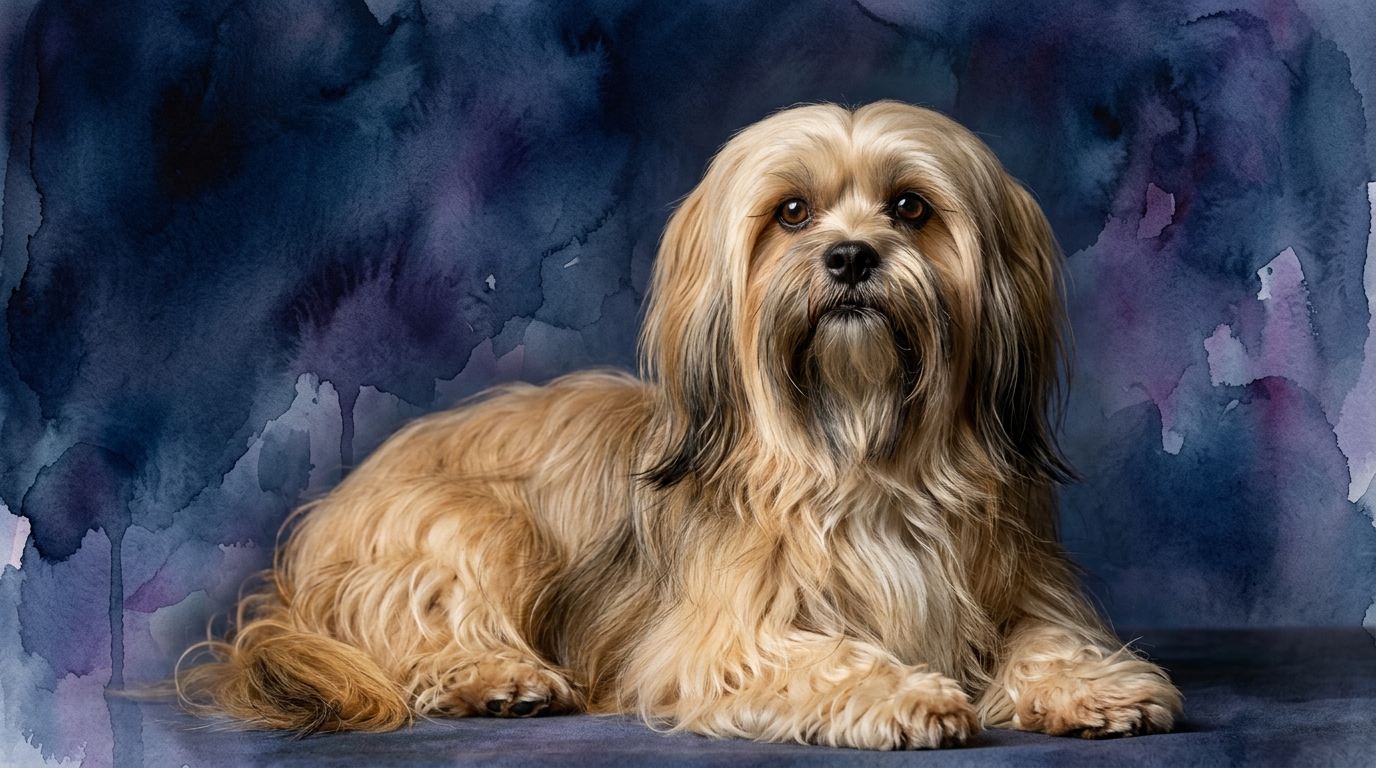
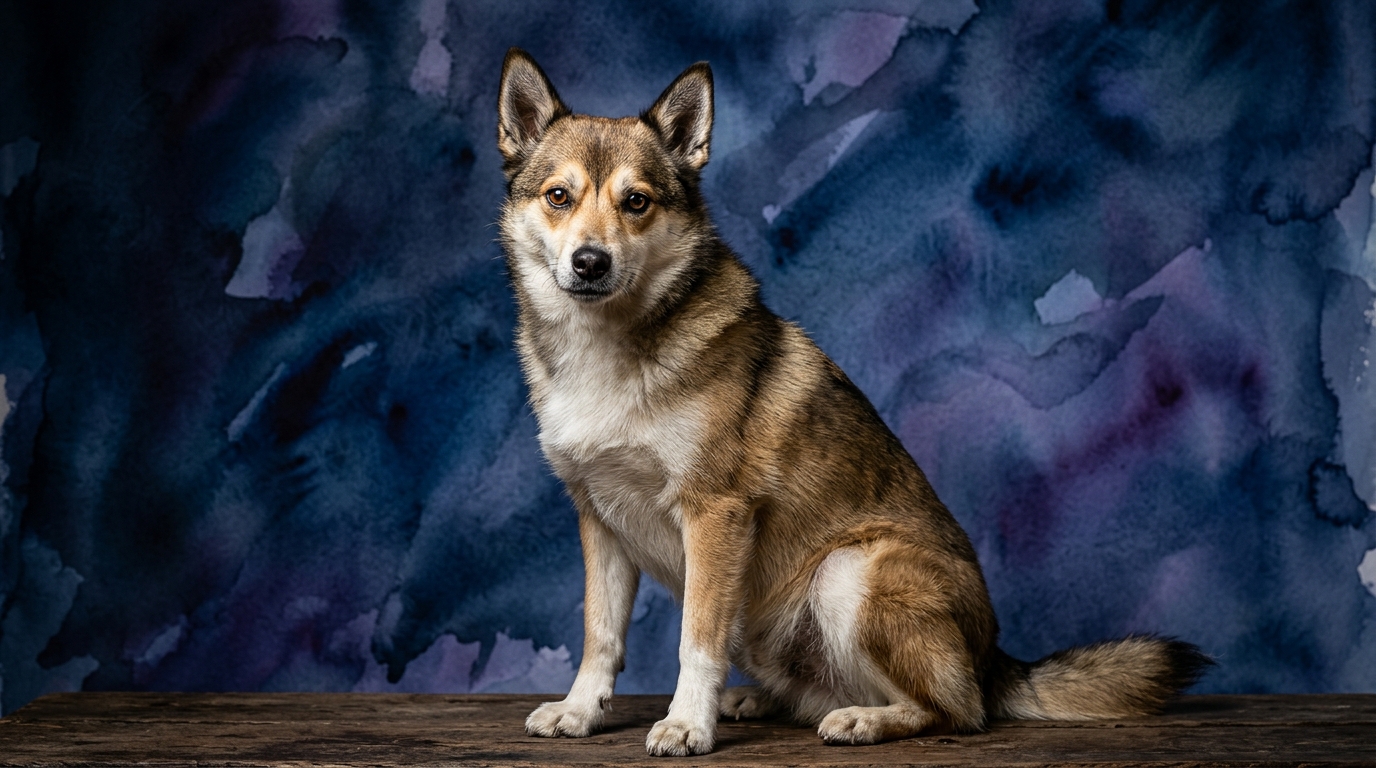
At first glance, the Lhasa Apso and Norwegian Lundehund appear to be cognitive twins, each scoring 3 out of 5 in Problem Solving, Training Speed, Social Intelligence, Instinctive Drive, and Memory according to the Cosmic Pet Pet IQ Lab. However, these identical scores belie distinct historical roles and inherent behavioral tendencies that shape how their intelligence is expressed and perceived. Understanding these nuances is crucial for any prospective owner.
For the Lhasa Apso, a breed historically serving as a sentinel in Tibetan monasteries, a Problem Solving score of 3/5 reflects their aptitude for assessing environmental cues and identifying potential threats. Their problem-solving often revolves around practical, security-focused scenarios, such as determining the quickest route to an alert position or discerning the true intent of a stranger. This isn't about complex puzzles but effective, real-world vigilance. Their Training Speed at 3/5 indicates they are capable learners, but their independent and discerning nature means they often require consistent, patient guidance, and a clear understanding of 'what's in it for them.' They aren't inherently driven to please but will cooperate when motivated.
The Lhasa Apso's Social Intelligence, also 3/5, manifests as a profound understanding of their immediate family's dynamics and emotions, while maintaining a reserved demeanor towards outsiders. They form deep, loyal bonds with their chosen few, reading their human companions with keen insight. Their Instinctive Drive, rated 3/5, is predominantly expressed as a strong guarding instinct and territoriality, a legacy of their ancient role. This isn't a high prey drive but rather an intrinsic motivation to protect their home and people. Finally, their Memory at 3/5 allows them to retain routines, past experiences, and learned social boundaries effectively, remembering both positive and negative interactions with lasting clarity.
Turning to the Norwegian Lundehund, a breed developed for hunting puffins in treacherous coastal environments, their 3/5 Problem Solving score speaks to an entirely different kind of cognitive strength. Their intelligence in this dimension is heavily geared towards spatial reasoning and physical navigation, such as finding pathways through rocky crevices, manipulating their unique flexible joints to extract prey, and adapting to unpredictable terrain. This is practical, physical ingenuity born of necessity. Their Training Speed, also 3/5, means they can learn tasks, but their historical independence as solo hunters often translates into a need for highly engaging and varied training methods. Repetition can bore them, and they are adept at deciding if a command is worth their effort.
The Lundehund's Social Intelligence, 3/5, while allowing them to bond deeply with their family, often comes with a cautious approach to new people and situations, a trait likely honed by their isolated working past. They observe and learn social structures within their human 'pack' but tend to be self-reliant. Their Instinctive Drive, also 3/5, is strongly rooted in exploration, digging, and a persistent prey drive, reflecting their heritage as agile hunters. This drive requires appropriate outlets to prevent boredom and undesirable behaviors. Their Memory, at 3/5, is robust for recalling complex routes, learned hunting strategies, and the layout of their environment, essential for survival and efficient work in challenging landscapes.
Where the Lhasa Apso Excels Cognitively
The Lhasa Apso's cognitive strengths shine particularly in areas requiring discerning observation and nuanced social understanding within their established circle. Their historical role as a companion and sentinel in monasteries honed their ability to act as an early warning system, requiring a subtle understanding of environmental shifts and human intentions. This breed excels at identifying anomalies, such as an unfamiliar sound or a change in a person's demeanor, and making a judgment call on whether it warrants an alert. Their quiet vigilance allows them to process information before reacting, making them adept at assessing situations and deciding on the appropriate response, often a discerning bark rather than an immediate physical confrontation. This makes them particularly astute at understanding and manipulating household dynamics to their advantage, often subtly guiding their humans towards desired outcomes like an extra treat or a preferred sleeping spot.
Where the Norwegian Lundehund Excels Cognitively
The Norwegian Lundehund's cognitive prowess is most evident in their remarkable physical problem-solving and environmental adaptability. Their unique anatomical features, such as extra toes and highly flexible joints, are not merely physical traits but are intrinsically linked to their specialized intelligence for navigating and exploiting complex, confined spaces. A Lundehund's ability to contort its body, close its ears, and scale vertical surfaces to reach a goal demonstrates an exceptional spatial awareness and an innate understanding of physics in action. They are adept at figuring out how to get into (or out of) tight spots, demonstrating an inventive, hands-on approach to challenges. Their independence in the hunting field also fostered a self-reliant problem-solving mindset, where they had to make quick, critical decisions without human direction, relying on their own judgment to succeed in their task.
Which is Easier to Train and Why?
Despite both breeds scoring 3/5 in Training Speed, the 'easiness' of training them presents different challenges. The Lhasa Apso, while capable of learning, possesses a stubborn streak rooted in their independent, self-assured nature. They are not inherently eager to please and will often weigh a command against their own perceived benefit or comfort. Training a Lhasa Apso requires immense patience, consistent positive reinforcement, and a clear demonstration of 'why' a particular behavior is advantageous for them. Their training isn't about speed but about building a respectful relationship where they choose to comply. They learn quickly what they want to learn, but less so what they deem unnecessary.
The Norwegian Lundehund, conversely, can also be challenging due to their intense independence and historical need for self-direction during hunting. They learn quickly when engaged, but repetition can lead to boredom and a refusal to participate. Their active minds and bodies require varied, stimulating training sessions that tap into their natural curiosity and drive for exploration. Training a Lundehund often involves making it a game or a puzzle, leveraging their physical agility and problem-solving skills. While they can pick up commands swiftly, their compliance might be conditional on their interest level at that specific moment. Neither breed is for the faint of heart when it comes to training, but the Lhasa Apso's challenge lies in overcoming stubbornness, while the Lundehund's lies in maintaining engagement and harnessing independence.
Which Suits Active Owners vs. Relaxed Owners?
For owners seeking a more relaxed, yet vigilant, companion, the Lhasa Apso might be the more suitable choice. While they do require regular exercise and mental stimulation to prevent boredom, their energy levels are generally moderate. They are often content with daily walks, indoor play, and a comfortable spot from which to observe their domain. Their deep social intelligence makes them excellent companions for owners who appreciate a dog that understands household rhythms and enjoys quiet companionship, albeit one with a watchful eye. They thrive in environments where they are an integral part of the family, offering a calming presence tempered by their discerning nature.
Conversely, the Norwegian Lundehund is far better suited for active owners who can provide ample opportunities for physical exertion and mental engagement. Their historical role as agile hunters of puffins instilled in them a need for exploration, climbing, and digging. A Lundehund needs more than just a walk; they thrive on varied environments, scent work, agility courses, or activities that allow them to use their unique physical capabilities and problem-solving skills. Owners who enjoy hiking, canine sports, or have a secure outdoor space for exploration will find the Lundehund a fulfilling, albeit demanding, partner. Their independent spirit means they need outlets for their energy and curiosity, otherwise, they might create their own 'puffin hunt' within the home.
The Verdict
Choose the Lhasa Apso if you seek a discerning, watchful companion who thrives on understanding your household's social fabric and offers a unique blend of loyalty and independent thinking, provided you appreciate their stubborn streak and moderate exercise needs.
Opt for the Norwegian Lundehund if you're an active owner prepared to engage a physically agile, independent thinker who revels in environmental exploration and unique physical challenges, understanding their need for varied stimulation and their self-reliant approach to tasks.
🧠 Find Your Pet's IQ Score
Our Pet IQ Lab assessment covers 25+ tests across 5 cognitive dimensions — personalized to your breed.
Take the Full IQ Test →Frequently Asked Questions
Do Lhasa Apsos and Norwegian Lundehunds learn at the same rate?
Both breeds score 3/5 in Training Speed, indicating they are capable learners. However, their motivations differ; Lhasa Apsos can be stubborn and need clear incentives, while Lundehunds are independent and require engaging, varied training to prevent boredom. So, while they can learn, the approach to training each will be quite different.
Which breed is better with strangers?
Both breeds tend to be reserved with strangers, a trait stemming from their historical roles. The Lhasa Apso's social intelligence is primarily focused on its immediate family, while the Lundehund's independence from its hunting past makes it cautious of newcomers. Neither is typically effusive with unfamiliar people, preferring to observe first.
Are the problem-solving skills of these two breeds similar?
While both score 3/5 in Problem Solving, their applications differ significantly. The Lhasa Apso excels in practical, social, and security-focused problem-solving within its environment, whereas the Norwegian Lundehund's strengths lie in physical and spatial problem-solving, utilizing its unique anatomy to navigate complex terrains and access confined spaces.