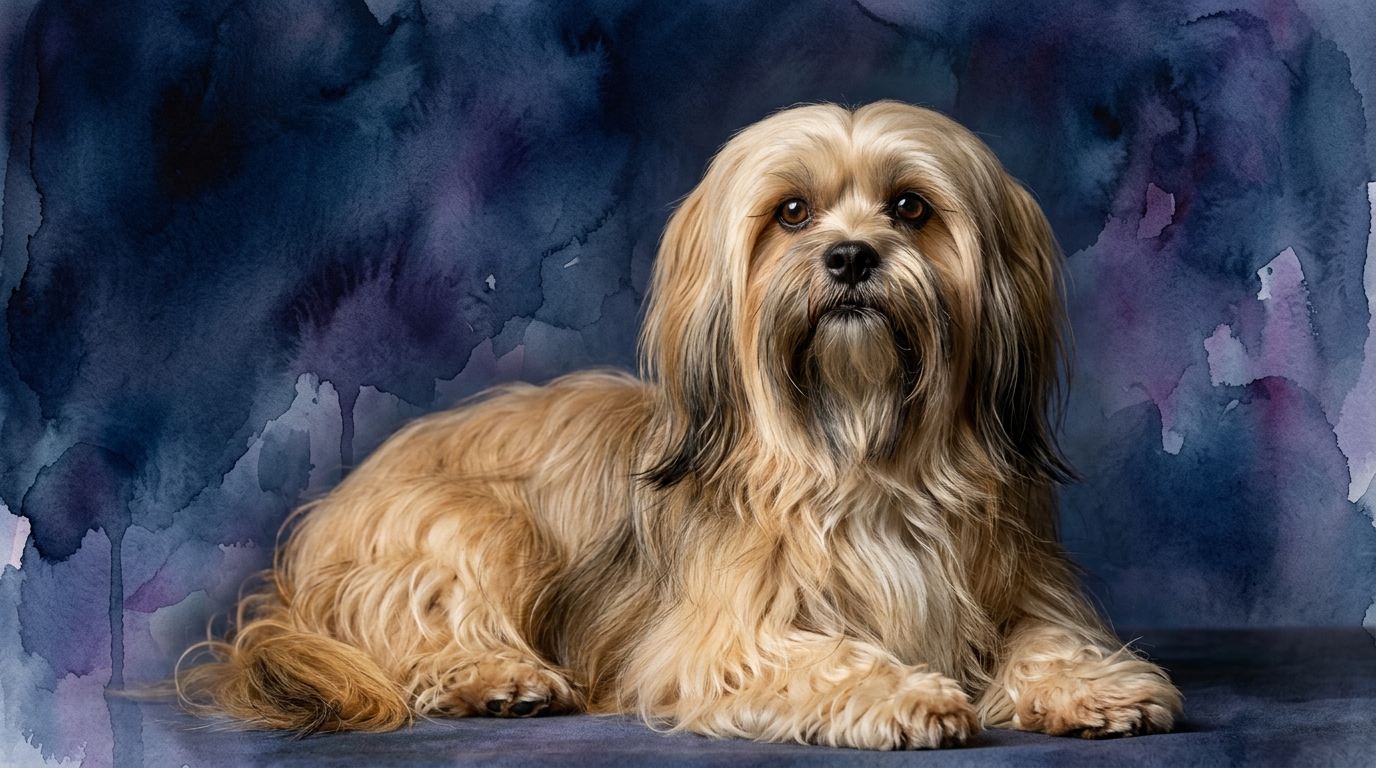
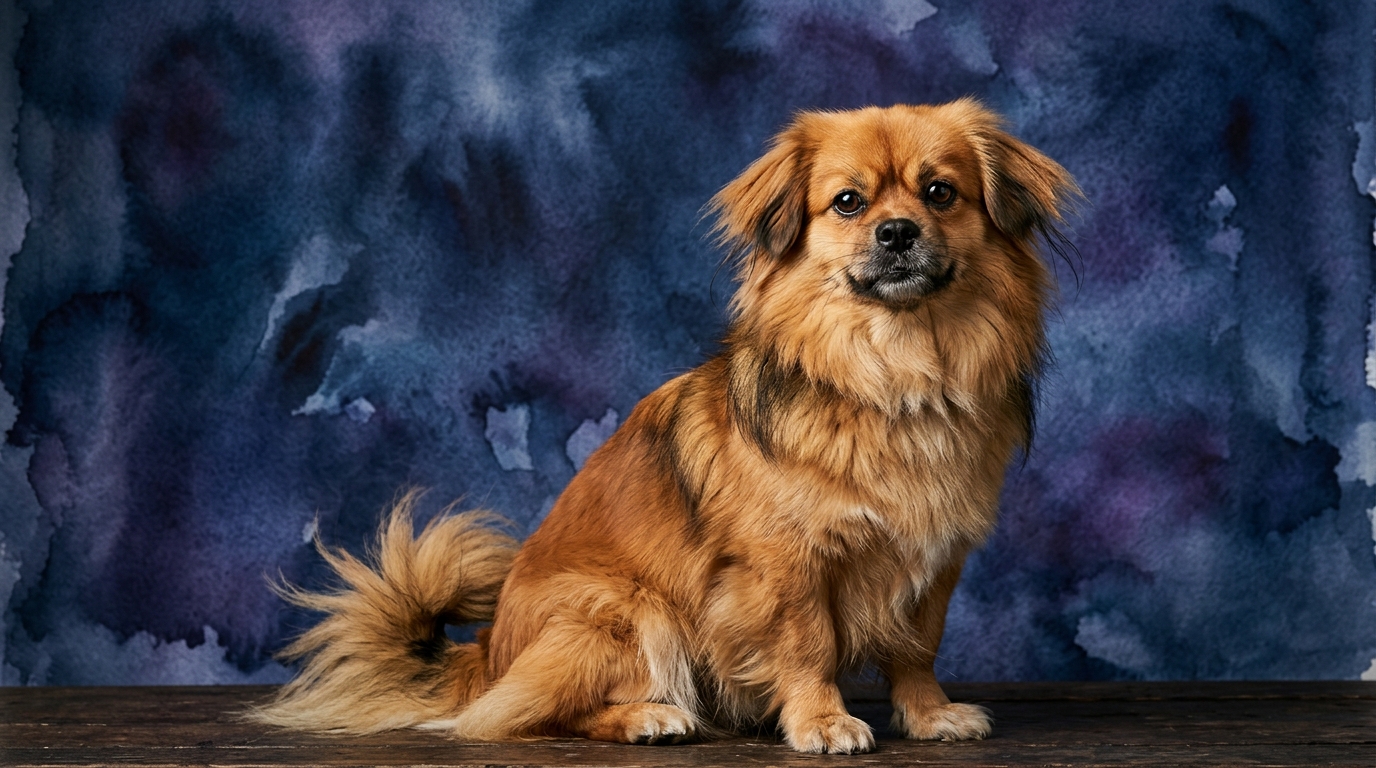
Side-by-side IQ profile
At The Cosmic Pet Pet IQ Lab, we evaluate canine intelligence across five key dimensions, with both the Lhasa Apso and the Tibetan Spaniel registering a robust 3 out of 5 for each. This indicates a practical, adaptable cognitive capacity, though manifesting in distinct ways.
For Problem Solving (3/5), the Lhasa Apso adeptly navigates its environment to achieve personal comfort or desires, often through self-directed solutions like finding the perfect sunbeam. The Tibetan Spaniel, also at 3/5, employs cleverness to engage with its surroundings, perhaps figuring out how to access a favorite toy or a prime observation spot, driven by curiosity.
In Training Speed (3/5), the Lhasa Apso learns commands at a moderate pace, but compliance can be selective, requiring consistent, positive reinforcement tailored to their self-assured nature. The Tibetan Spaniel, similarly at 3/5, learns with moderate speed, often displaying a greater eagerness to please, though easily distracted, necessitating engaging methods.
Social Intelligence (3/5) in the Lhasa Apso means keen observation of human behavior and household dynamics. They form deep, often exclusive bonds, and their understanding of cues frequently informs their independent decisions. The Tibetan Spaniel, also 3/5, exhibits a strong ability to read emotional states and group dynamics, thriving on integration into family life and often mirroring companions' moods.
Their Instinctive Drive (3/5) manifests differently. The Lhasa Apso possesses a pronounced guardian instinct, leading to vigilant observation and alert barking, rooted in their historical sentinel role. The Tibetan Spaniel's 3/5 drive includes a strong propensity for elevated perches and an alert, watchful nature, reminiscent of their "little lions" role.
Finally, Memory (3/5) for the Lhasa Apso is impressive for routines, learned behaviors, and even past slights, contributing to their consistent yet sometimes stubborn demeanor. The Tibetan Spaniel's 3/5 memory allows them to retain training and routines effectively, supporting their adaptability and consistent engagement with their environment.
Where Lhasa Apso wins cognitively
The Lhasa Apso's cognitive strengths lie in their discerning independence and self-reliant problem-solving. While both breeds score 3/5 in Problem Solving, the Lhasa Apso's approach is often more strategic and inwardly motivated. They excel at orchestrating their environment to their liking, whether finding the warmest spot or subtly influencing household routines for personal gain. Their Social Intelligence (3/5) makes them particularly adept at reading human intentions, not necessarily to please, but to anticipate and manage interactions on their own terms. This allows them to maintain dignity with strangers while forming profound bonds with their chosen few. Their Memory (3/5) reinforces this, retaining a detailed mental map of routines and experiences, making them consistent in expectations and resistant to unfavorable changes. This blend makes them masters of their own domain, quietly influencing surroundings with self-possession.
Where Tibetan Spaniel wins cognitively
The Tibetan Spaniel’s cognitive advantages lean towards adaptability, social engagement, and a curious, exploratory problem-solving style. Scoring 3/5 in Problem Solving, they often approach challenges with playful ingenuity, investigating objects or charming their way into laps. Their Social Intelligence (3/5) is particularly strong in fostering harmonious family dynamics. Highly attuned to the emotional climate of the home, they often act as a cheerful barometer, sensing when comfort is needed. Their Instinctive Drive (3/5) to perch and observe provides a broader perspective, allowing them to process visual and auditory information from an elevated position. This constant, vigilant observation, combined with their moderate Memory (3/5) for routines and positive reinforcement, makes them quick to adapt and learn desired behaviors when training is engaging. They excel at being a lively, perceptive part of the family tapestry.
Which is easier to train and why
Despite both breeds scoring 3/5 in Training Speed, the Tibetan Spaniel often presents as easier to train for a typical owner due to key behavioral differences. The Tibetan Spaniel, with its companion history, generally possesses a stronger innate desire to please. While still independent, they are often more motivated by praise, treats, and interaction, making them receptive to positive reinforcement. Their curious and playful nature means they view training as engaging, less likely to "tune out" or assert their own agenda.
The Lhasa Apso, conversely, comes from independent temple guardians. While they understand commands (their 3/5 Problem Solving and Memory confirm this), compliance is often contingent on their own assessment and personal motivation. They are not inherently driven to please in the same way. Training a Lhasa Apso requires immense patience, creativity, and understanding of their self-assured temperament. Owners must make exercises compelling and demonstrate clear benefits, or the Lhasa will simply choose not to participate. Their independent streak means learning is moderate, but consistent execution demands a handler who earns their respect and cooperation.
Which suits active owners vs relaxed owners
When considering lifestyle, the Tibetan Spaniel generally suits owners appreciating a blend of relaxed companionship with moderate activity. Their Instinctive Drive (3/5) includes a love for observation from elevated perches, content to lounge and watch. However, their playful nature and moderate energy also mean they enjoy daily walks, engaging playtime, and short bursts of activity. They thrive on being included in family outings and appreciate mental stimulation. They are adaptable to apartment living with proper engagement.
The Lhasa Apso, while not high-energy, often suits owners who are more relaxed in their approach but understand the need for consistent structure. Their Problem Solving (3/5) often manifests in self-entertainment, potentially leading to mischief if not mentally enriched. They enjoy moderate walks but are equally content with quiet time. Their independent nature means they don't constantly demand attention, suiting those who appreciate a less clingy companion. However, their strong Instinctive Drive (3/5) as a sentinel means owners must manage alert barking and provide proper socialization to ensure confidence, not wariness. They are less about physical activity and more about mental engagement in a secure, predictable environment.
The Verdict
Choose a Lhasa Apso if you value a self-possessed, discerning companion who offers deep, loyal bonds on their own terms and appreciates a calm, structured home environment.
Opt for a Tibetan Spaniel if you desire a cheerful, adaptable, and socially astute companion who thrives on family interaction and enjoys a balanced lifestyle of observation and playful engagement.
🧠 Find Your Pet's IQ Score
Our Pet IQ Lab assessment covers 25+ tests across 5 cognitive dimensions — personalized to your breed.
Take the Full IQ Test →Frequently Asked Questions
Do Lhasa Apsos bark a lot due to their intelligence?
Lhasa Apsos, with their 3/5 Social Intelligence and Instinctive Drive, are perceptive and possess a strong sentinel instinct, which means they are prone to alert barking at perceived intruders or unusual sounds. This isn't about a lack of intelligence, but a manifestation of their historical role and cognitive awareness of their surroundings. Consistent training and early socialization can help manage this natural tendency.
Are Tibetan Spaniels good with children and other pets given their social intelligence?
Tibetan Spaniels, scoring 3/5 in Social Intelligence, are generally good with respectful children and other pets, often adapting well to family dynamics and enjoying harmonious interactions. Their perceptive nature allows them to read social cues, making them adaptable companions, though supervision is always recommended to ensure positive interactions.
How do their 3/5 Problem Solving scores impact their adaptability to new environments?
Both breeds, with 3/5 Problem Solving, can adapt to new environments. The Lhasa Apso's independence means they will systematically assess and adjust on their own terms, focusing on establishing a comfortable routine. The Tibetan Spaniel's curious and more socially engaged problem-solving allows them to explore and integrate more quickly, especially if new environments offer engaging stimuli and human interaction.