Side-by-Side Cognitive Profiles: Maltese vs. Great Pyrenees
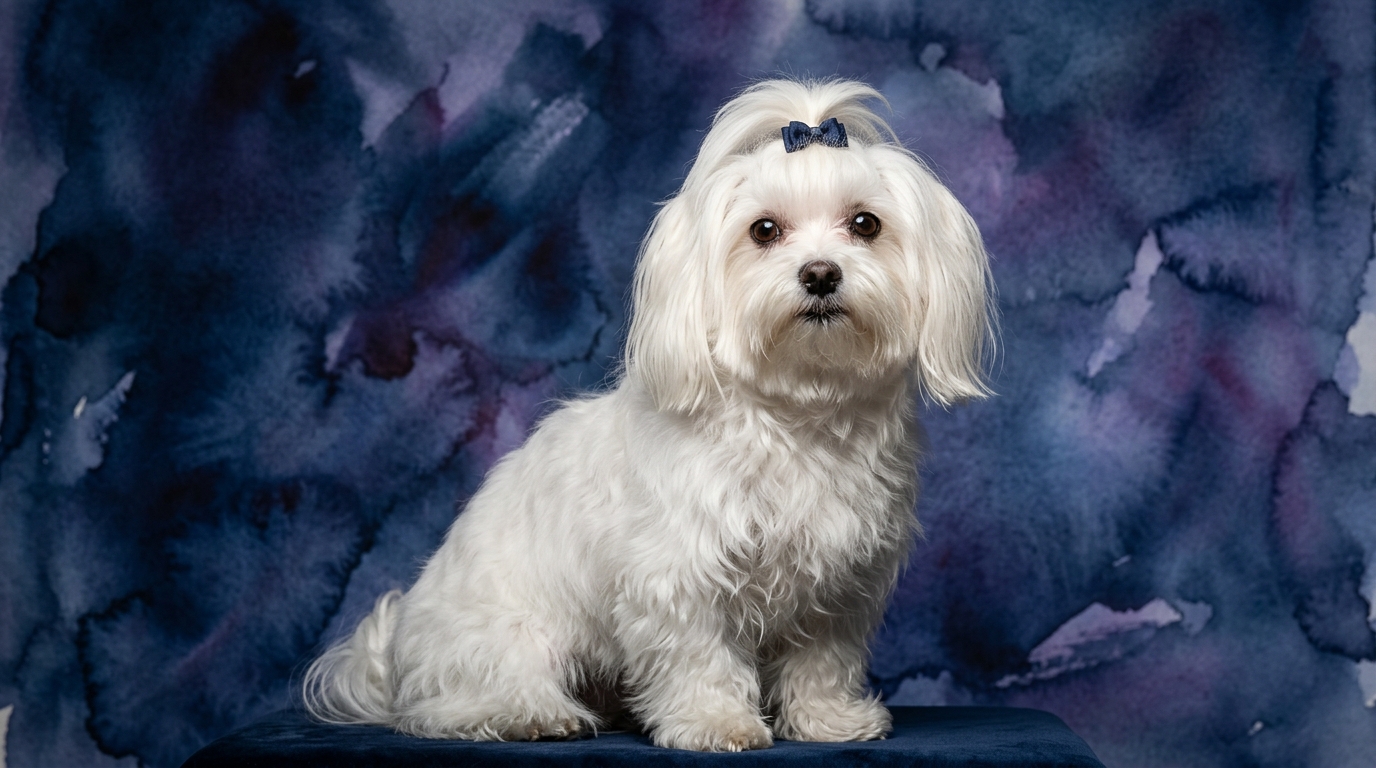
At The Cosmic Pet Pet IQ Lab, we evaluate canine intelligence across five key dimensions, offering a nuanced perspective beyond simple obedience. The Maltese, a beloved Toy group member with a Coren ranking of #59, presents a profile emphasizing companionship and acute social awareness. Their Problem Solving is rated 3/5, indicating an ability to navigate their immediate environment for personal comfort or to solicit attention, but perhaps less inclination towards complex, abstract tasks. Training Speed also sits at 3/5; they are capable learners, especially when motivation aligns with human interaction or treats, though independent streaks can emerge. Where the Maltese truly shines is in Social Intelligence, earning a perfect 5/5, reflecting an exceptional capacity to read human cues, anticipate needs, and form deep emotional bonds. Their Instinctive Drive is a low 2/5, meaning minimal preoccupation with prey or guarding behaviors, as their primary focus is interaction. Finally, their Memory is a solid 3/5, allowing them to recall routines, commands, and associations effectively over time.
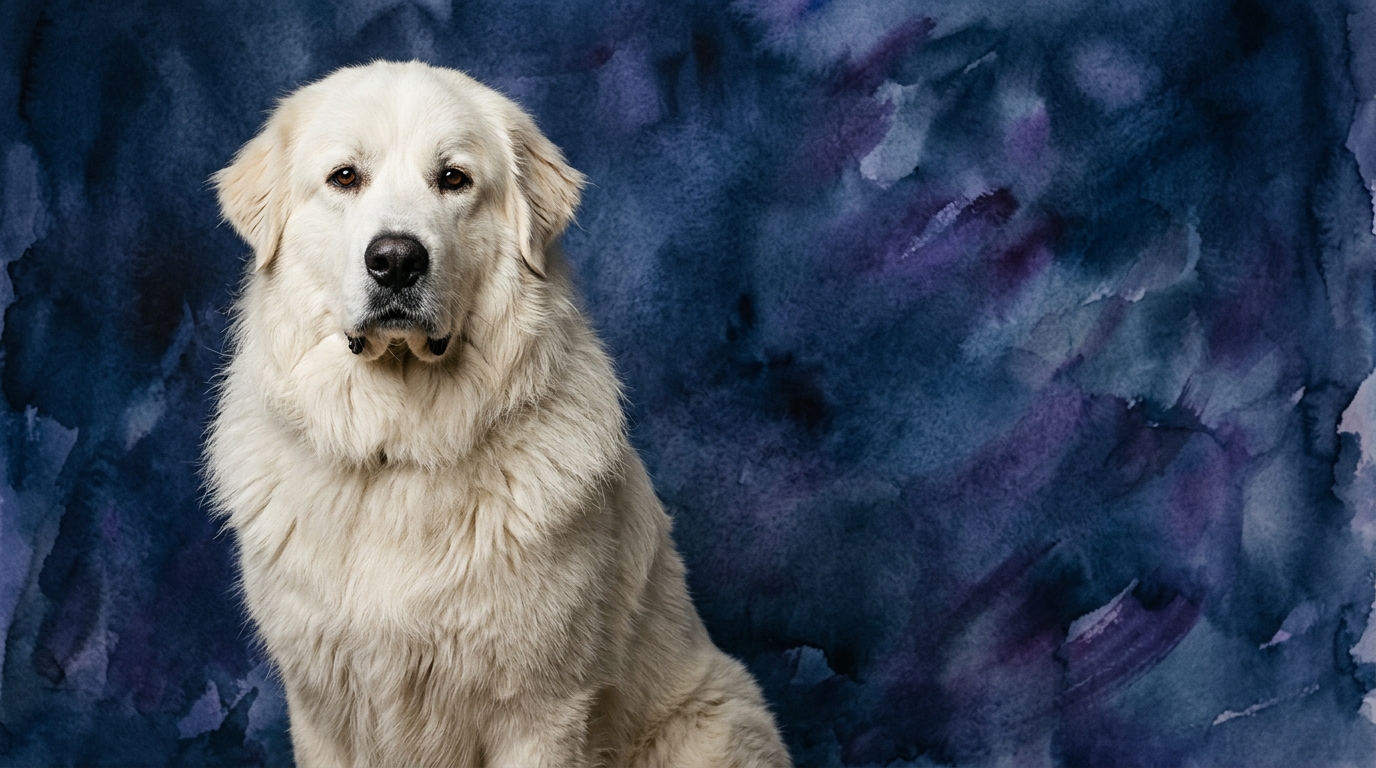
In contrast, the Great Pyrenees, a powerful Working group member with a Coren ranking of #64, showcases a cognitive design centered on guardianship and independent decision-making. Their Problem Solving is also 3/5, but this manifests differently; they are resourceful in their historical role, assessing environmental threats and finding practical solutions to protect their charges, rather than solving human-devised puzzles. Training Speed mirrors the Maltese at 3/5, yet this breed often requires more patience due to an inherent independent nature; they tend to evaluate commands for their utility and relevance to their duties. Social Intelligence for the Great Pyrenees is 3/5; they form strong, protective bonds with their family or flock, but their social focus is often on watchful presence and defense rather than nuanced interactive play, and they can be reserved with strangers. Their Instinctive Drive is a robust 3/5, with strong guarding instincts, territoriality, and protective behaviors being central to their cognitive makeup. Like the Maltese, their Memory is 3/5, enabling them to retain knowledge of their territory, charges, and past threats.
Where the Maltese Demonstrates Cognitive Strengths
The Maltese's undeniable cognitive advantage lies within the realm of social intelligence, where their 5/5 rating stands out significantly against the Great Pyrenees' 3/5. This isn't merely about being friendly; it's about a profound capability to interpret subtle human emotional cues, anticipate their companion's moods, and adapt their own behavior to foster harmony and connection. A Maltese might "problem-solve" how to offer comfort when detecting distress, or strategically position themselves for maximum affection, demonstrating a sophisticated understanding of social dynamics within their family unit. Their low instinctive drive (2/5) further enhances this social focus, as they are less distracted by external environmental stimuli that might pull a working breed's attention away from their human interactions. This allows for an almost undivided devotion to their human relationships, making them exceptionally attuned companions who navigate social situations with remarkable grace and perceptiveness. Their problem-solving capacity, while not geared towards complex physical puzzles, is highly effective in achieving social goals, such as gaining attention or initiating play, often through charming and persistent communication.
Where the Great Pyrenees Demonstrates Cognitive Strengths
The Great Pyrenees distinguishes itself cognitively through its robust instinctive drive (3/5) and a problem-solving aptitude intrinsically linked to its historical purpose as a livestock guardian. Unlike the Maltese, whose problem-solving often revolves around social interaction, the Pyrenees applies its 3/5 problem-solving score to practical, real-world challenges related to safety and protection. This might involve assessing a distant sound for potential threats, strategically positioning itself to observe its territory, or making independent decisions on how to deter perceived dangers without direct human command. Their social intelligence, rated 3/5, is deeply intertwined with this protective instinct; they form strong, unwavering bonds with their family or flock, focusing on their well-being rather than seeking constant interactive engagement. Their memory (3/5) is particularly potent for recalling the layout of their territory, the identities of their charges, and past experiences with intruders or perceived threats, allowing them to maintain a vigilant and effective guardianship. This breed's cognitive strengths are rooted in self-reliance and an unwavering commitment to their protective duties, demanding a different kind of respect for their independent thought processes.
Training Aptitude: Maltese vs. Great Pyrenees
When considering ease of training, both breeds share a 3/5 rating for Training Speed, but the underlying dynamics are quite different. The Maltese, with its exceptional 5/5 social intelligence, often appears easier to train because of an inherent desire to please and a strong motivation derived from human attention and praise. They thrive on positive reinforcement that strengthens their bond with their owner, making them responsive to commands and tricks. While they can exhibit a stubborn streak, their small size and eagerness for interaction mean that consistent, gentle training methods typically yield good results. Behavioral differences, such as their tendency to seek closeness and their quick response to social cues, make them seem more compliant in a typical training setting.
The Great Pyrenees, on the other hand, presents a unique training challenge due to its independent nature and lower social intelligence score (3/5). Bred to make autonomous decisions while guarding livestock, they are not inherently driven by a strong desire to please humans in the same way a Maltese might be. Training a Pyrenees requires immense patience, consistency, and an understanding that they will evaluate commands for their perceived utility and relevance to their protective instincts. They often respond best when they believe the command is their idea or serves a purpose beneficial to their family's security. Their lower score in social intelligence means they are less likely to be swayed by mere praise and require a deeper, trust-based relationship where the owner respects their independent judgment. While capable of learning, their training journey is often slower and demands a more nuanced approach, focusing on cooperative efforts rather than strict obedience.
Matching Breeds to Lifestyles: Active vs. Relaxed Owners
For owners seeking a companion that aligns with a more relaxed lifestyle, the Maltese generally presents a more straightforward fit. While they enjoy short walks and playful sessions, their energy requirements are modest, and their primary need is consistent human companionship and gentle mental stimulation through interactive games or brief training sessions. Their high social intelligence means they thrive on being an integral part of family life, often content to snuggle on a lap or follow their owner from room to room. Owners who appreciate a dog deeply attuned to their emotional state and who can provide ample indoor interaction will find the Maltese a delightful match. Their ideal environment is typically a home where they receive constant attention and are not left alone for extended periods.
The Great Pyrenees, while not a breed that requires intense, high-impact exercise, demands a specific kind of owner and environment that aligns with its protective instincts. Their "activity" often involves patrolling a securely fenced yard, observing their surroundings, and being vigilant. Relaxed owners in terms of marathon running might find a fit, but they must be prepared for the breed's need for space, its independent decision-making, and its strong guarding drive (3/5). They are not suited for apartment living or owners unable to provide a large, secure outdoor area for them to survey. Owners must be comfortable with a dog that values its autonomy and may not be constantly seeking interaction like a Maltese. Their relaxed demeanor can be deceptive; they require owners who understand and respect their working heritage, providing an environment where their cognitive strengths in problem-solving and instinctive drive can be appropriately channeled, ensuring they feel a sense of purpose and security.
The Verdict
Choose the Maltese if you seek a highly attuned, affectionate companion who thrives on deep social connection and subtle communication within a close-knit home environment.
Opt for the Great Pyrenees if you value an independent, steadfast guardian with a profound sense of purpose, requiring understanding of their protective instincts and ample space.
🧠 Find Your Pet's IQ Score
Our Pet IQ Lab assessment covers 25+ tests across 5 cognitive dimensions — personalized to your breed.
Take the Full IQ Test →Frequently Asked Questions
Are Maltese dogs good at learning tricks?
With their 3/5 training speed and high social intelligence, Maltese can certainly learn a variety of tricks. Their motivation often stems from the positive attention and interaction they receive from their human companions, making training a rewarding bonding experience. Consistent, positive reinforcement works best for these eager-to-please smaller dogs.
Do Great Pyrenees need a lot of mental stimulation?
Great Pyrenees benefit from mental stimulation that aligns with their historical role as independent guardians. This might involve tasks that allow them to survey their territory, 'solve' minor security issues, or engage in scent work rather than complex obedience routines. Providing a stable environment where they can exercise their natural instincts is crucial for their cognitive well-being.
How does social intelligence differ between these two breeds?
The Maltese's 5/5 social intelligence manifests as a profound ability to read human emotions and seek intimate companionship, often adapting their behavior to match family moods. In contrast, the Great Pyrenees' 3/5 social intelligence is geared more towards protective bonding with its family or flock, often expressed through watchful presence and independent decision-making rather than eager social games.