Side-by-Side IQ Profile: Unpacking Cognitive Dimensions
The Cosmic Pet Pet IQ Lab employs a multi-faceted approach to understanding canine cognition, evaluating breeds across five crucial dimensions: Problem Solving, Training Speed, Social Intelligence, Instinctive Drive, and Memory. These metrics offer a granular view beyond simple 'smartness,' illustrating how each breed's mind is uniquely wired.
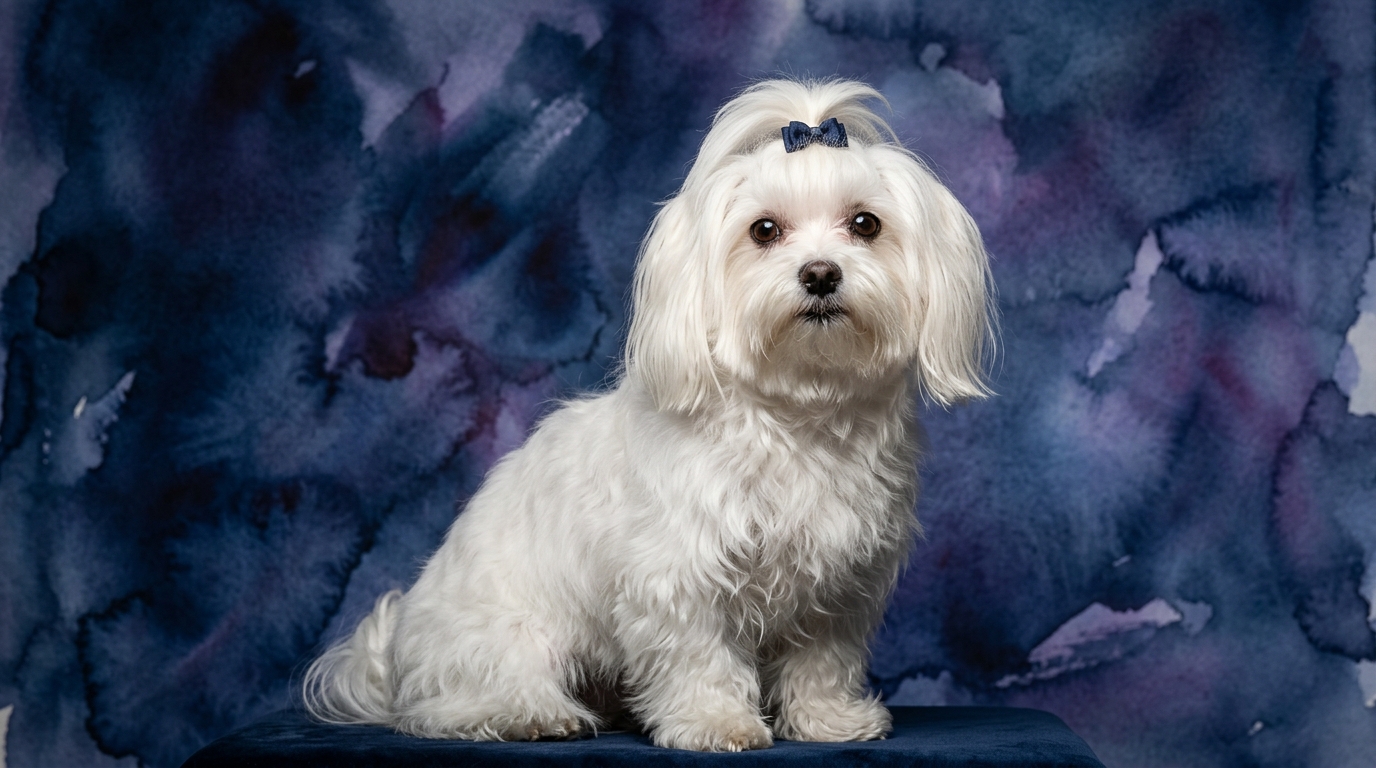
For the Maltese, a Toy group dog, their profile paints a picture of a companion deeply attuned to human connection. They score 3/5 in Problem Solving, indicating an average capacity to navigate novel challenges, such as figuring out how to retrieve a hidden treat. Their Training Speed is also 3/5, suggesting they learn new commands at a steady, consistent pace, requiring patience and clear instruction. Where the Maltese truly shines is in Social Intelligence, earning a perfect 5/5. This score highlights an exceptional ability to read human emotions, intentions, and subtle cues, fostering profound bonds. Their Instinctive Drive is a low 2/5, meaning they possess minimal inherent prey drive or independent hunting instincts, preferring interaction over exploration. Memory stands at 3/5, signifying a solid ability to recall learned commands, routines, and familiar faces.
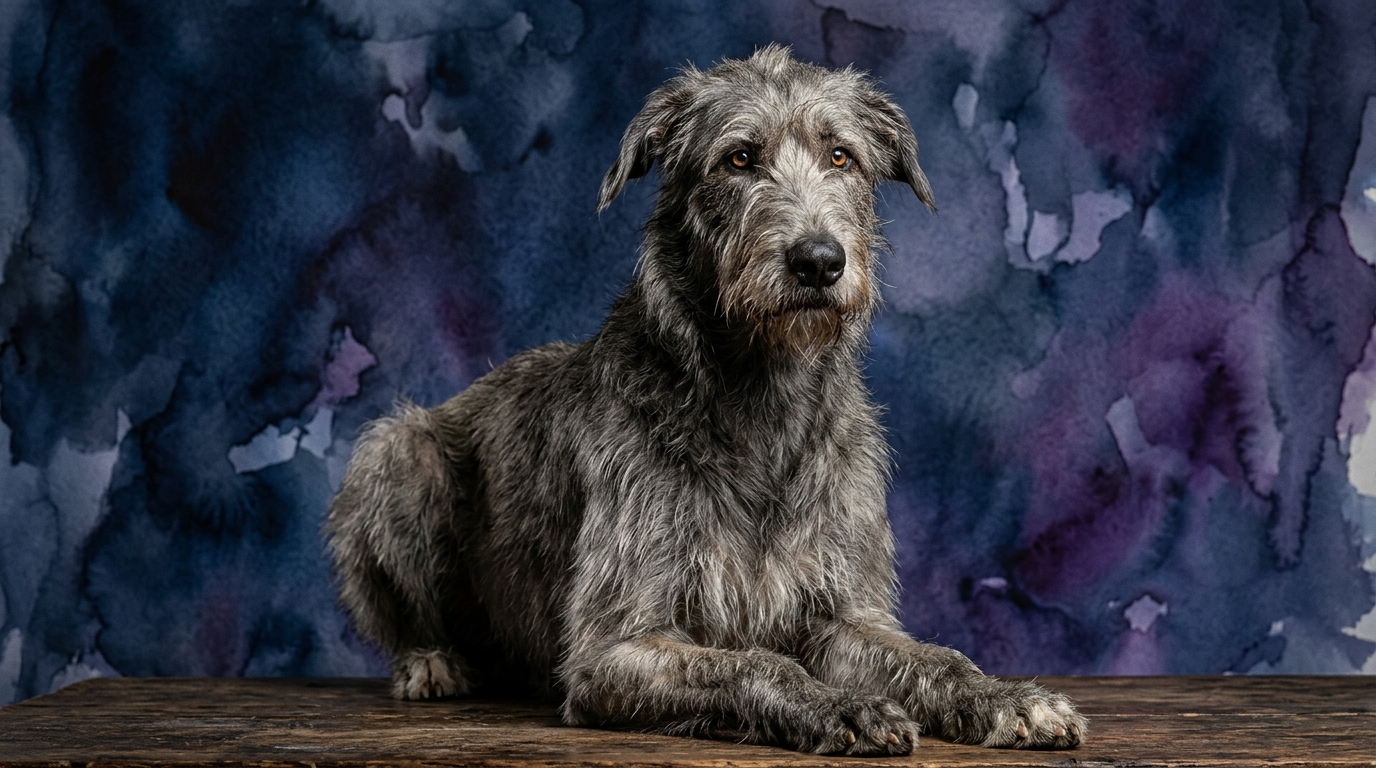
The Irish Wolfhound, a member of the Hound group, presents a different cognitive blueprint, reflective of their historical role. Like the Maltese, they score 3/5 in Problem Solving, demonstrating a practical ability to resolve daily dilemmas, perhaps discerning the quickest route across a yard. Their Training Speed also registers at 3/5, suggesting they acquire new skills at a moderate rate, responding well to consistent, positive reinforcement. In Social Intelligence, the Irish Wolfhound scores 3/5, indicating a good, but less intense, connection with humans compared to the Maltese; they are affectionate but often possess an independent streak. Their Instinctive Drive is 3/5, reflecting a moderate inherent drive for chase and independent action, a legacy of their sighthound heritage. Memory for the Irish Wolfhound is 3/5, showing a reliable capacity to remember commands, people, and past experiences.
Where the Maltese Wins Cognitively
The Maltese unequivocally outshines the Irish Wolfhound in Social Intelligence, boasting a perfect 5/5 compared to the Wolfhound's 3/5. This significant difference means the Maltese is profoundly more attuned to the nuances of human interaction. They possess an innate ability to interpret complex human emotional states, body language, and even subtle shifts in vocal tone. This superior social acumen allows them to anticipate human needs, offer comfort, and engage in deeply reciprocal emotional exchanges, making them exceptionally intuitive companions. Their cognitive framework prioritizes connection, driving them to seek out and respond to human affection and attention with remarkable sensitivity, often mirroring the emotional atmosphere of their home with precision.
Where the Irish Wolfhound Wins Cognitively
While both breeds share similar scores in Problem Solving, Training Speed, and Memory, the Irish Wolfhound holds a slight edge in Instinctive Drive, scoring 3/5 against the Maltese's 2/5. This seemingly small difference points to a distinct cognitive orientation. The Wolfhound’s moderate instinctive drive reflects a deeper connection to their ancestral sighthound purpose, endowing them with a natural inclination towards independent observation and a potential for focused pursuit. This drive, while managed in a domestic setting, means their cognitive processes can be more engaged by environmental stimuli, such as movement at a distance. Their intelligence supports a more self-reliant approach to their surroundings, contrasting with the Maltese's more human-centric cognitive focus, allowing the Wolfhound to process and react to the world with a certain majestic independence.
Which Is Easier to Train and Why
Despite both breeds scoring an identical 3/5 in Training Speed, the practical experience of training them can differ considerably due to their other cognitive attributes. The Maltese, with its superior Social Intelligence (5/5), often *feels* easier to train for typical companion tasks. Their profound desire to engage with and please their human caregivers translates into a higher intrinsic motivation during training sessions. They are quick to pick up on verbal cues and body language, and their strong bond with their owner makes them eager participants, often seeking approval and positive reinforcement with enthusiasm. A Maltese is likely to view training as a collaborative activity, strengthening their bond with their person.
Conversely, the Irish Wolfhound, while capable of learning at the same pace (3/5 Training Speed), might present a different training dynamic. Their 3/5 Social Intelligence, coupled with their 3/5 Instinctive Drive, suggests a more independent and sometimes less overtly eager learner. While they are not difficult to train, they may require more consistent, patient, and engaging methods to maintain their focus, especially if their attention is drawn by an external stimulus related to their instinctive drive. Their sheer size also adds a practical dimension to training; early and consistent training in leash manners and basic obedience is crucial for managing such a large dog, making the consequences of lapses in training more significant. An Irish Wolfhound might learn the command just as quickly, but their motivation might stem more from rewards or clear expectations rather than an overwhelming desire to please.
Suitability for Active vs. Relaxed Owners
When considering owner lifestyles, both the Maltese and Irish Wolfhound offer distinct companionship experiences. The Maltese, despite its small stature, thrives with owners who are prepared to engage their high social intelligence. They are adaptable to various living situations, including apartments, but their need for consistent human interaction means they are not suited for prolonged solitude. While their physical exercise requirements are moderate, they benefit immensely from mental stimulation and playful engagement that taps into their desire for connection. A relaxed owner who enjoys consistent, intimate companionship, and is willing to invest time in gentle play and consistent social interaction, would find a Maltese to be a wonderfully responsive and affectionate partner.
The Irish Wolfhound, often described as a 'gentle giant,' can appear quite relaxed indoors, often content to lounge near their family. However, their history as sighthounds and their 3/5 instinctive drive mean they do require regular, moderate exercise in a secure area to satisfy their physical and mental needs. This isn't necessarily high-intensity activity, but rather structured walks, opportunities to stretch their long legs, and perhaps some light jogging. They are not suited for extremely active owners seeking a running partner, but rather for those who appreciate a calm, majestic presence indoors and are committed to providing consistent outdoor activity and ample space. Owners who are relaxed but disciplined about daily routines and have access to a spacious environment, allowing for both quiet companionship and satisfying physical outings, would find the Irish Wolfhound a noble and devoted companion.
The Verdict
Choose the Maltese if you prioritize an exceptionally socially intelligent companion who thrives on deep emotional connection and enjoys being an intuitive, responsive participant in your daily life.
Opt for the Irish Wolfhound if you seek a calm, independent companion with a majestic presence, appreciating their moderate instinctive drive and committing to providing consistent, moderate exercise and ample space.
🧠 Find Your Pet's IQ Score
Our Pet IQ Lab assessment covers 25+ tests across 5 cognitive dimensions — personalized to your breed.
Take the Full IQ Test →Frequently Asked Questions
Are Maltese dogs prone to barking due to their social intelligence?
The Maltese's high social intelligence means they are very aware of their surroundings and human reactions, which can sometimes manifest as alert barking. They often use vocalizations to communicate their needs or alert their owners to new arrivals, reflecting their deep engagement with their environment and family.
Do Irish Wolfhounds require extensive grooming despite their short coat?
While Irish Wolfhounds have a relatively short, rough coat, they do require regular grooming to maintain its condition and minimize shedding. Weekly brushing helps remove loose hair and dirt, and occasional hand-stripping might be necessary to keep their coat healthy and their skin free from irritation.
Which breed is generally better with children?
Both breeds can be good with children, but their interactions differ. The Maltese's small size makes them vulnerable to accidental injury by very young children, so supervised, gentle play is essential. The Irish Wolfhound, often called a 'gentle giant,' is typically patient and tolerant with children, though their immense size necessitates supervision to prevent unintentional knocks or bumps during play.