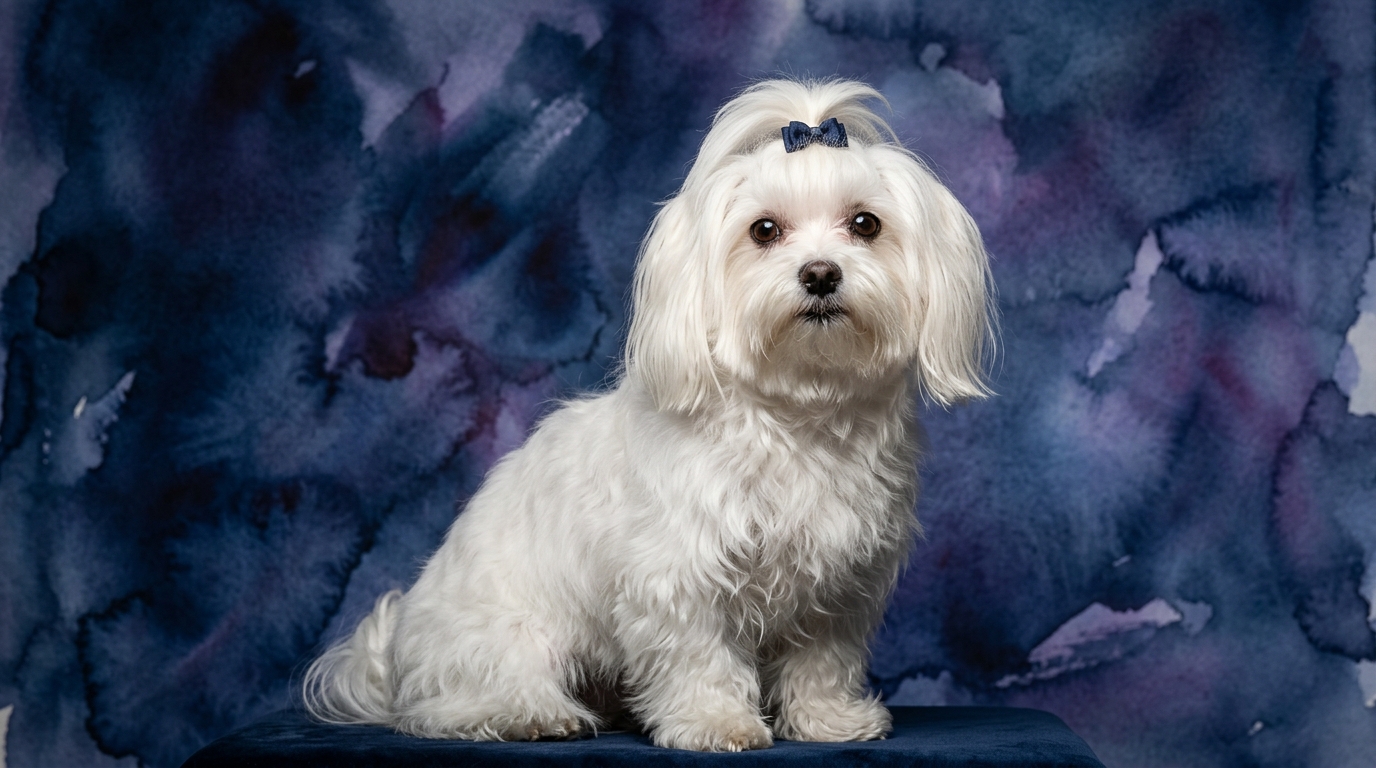
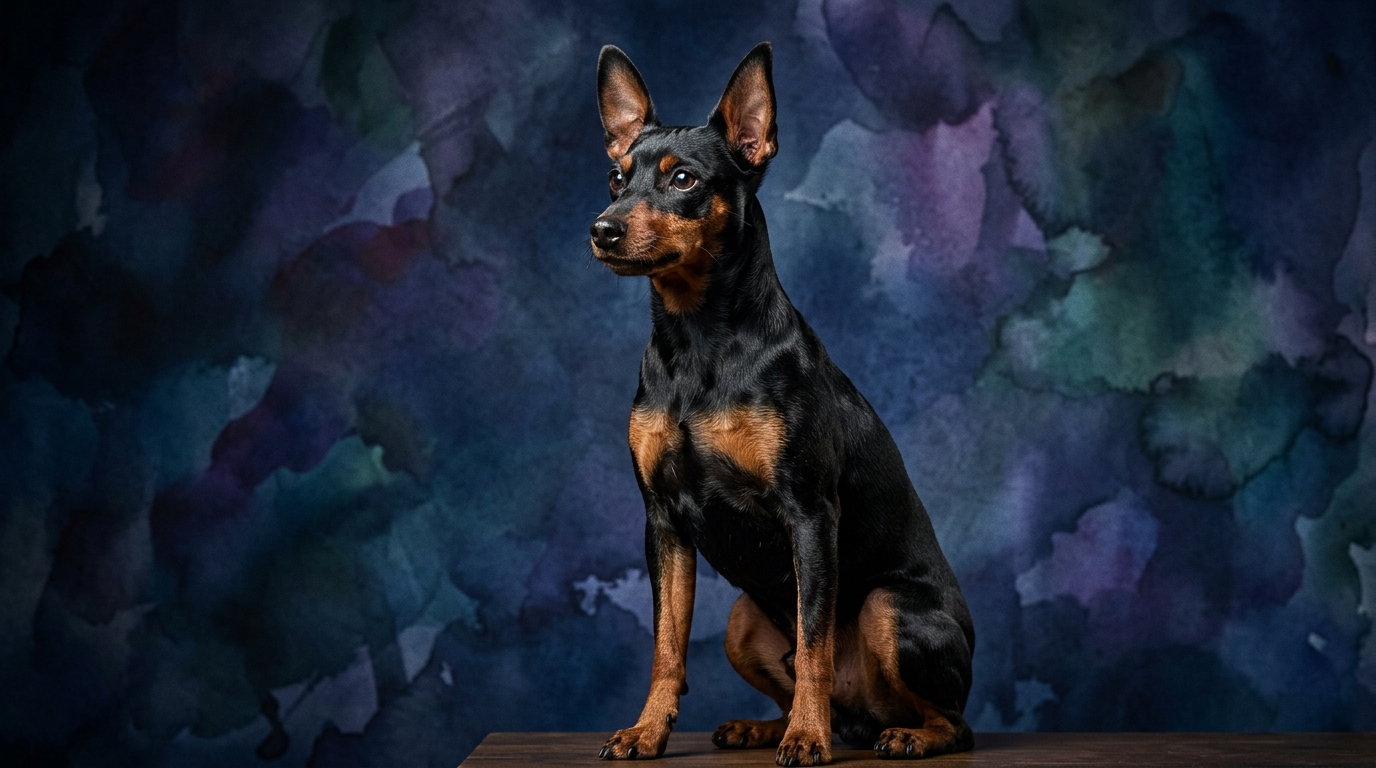
Side-by-Side IQ Profile: Maltese vs. Miniature Pinscher
The Cosmic Pet Pet IQ Lab assesses canine intelligence across five key dimensions, revealing the unique cognitive strengths of each breed. Understanding these profiles helps prospective owners align their expectations with a dog's inherent capabilities and predispositions.
Maltese (Coren rank #59): Coren Rank #59 positions Maltese in the 'average working/obedience intelligence' category, learning new commands in 25-40 repetitions. Problem Solving (3/5): They competently navigate moderately complex tasks and familiar surroundings, showing practical situational reasoning. Training Speed (3/5): They learn new concepts steadily with consistent positive reinforcement, though complex sequences require practice. Social Intelligence (5/5): A standout trait, they excel at reading human emotions and social cues, forming deep, intuitive bonds and showing profound attunement to family moods. Instinctive Drive (2/5): Bred primarily for companionship, their innate drives for hunting or guarding are low, focusing instead on social interaction. Memory (3/5): They retain learned commands and routines well, especially those linked to positive experiences or strong social connections.
Miniature Pinscher (Not Coren-ranked): Miniature Pinscher is not Coren-ranked, which reflects less on their intellect and more on their study in obedience trials. Problem Solving (3/5): They demonstrate solid ability to navigate challenges and achieve goals, often cleverly using their environment. Training Speed (3/5): They learn at a comparable pace, but their independent streak can sometimes delay compliance despite understanding. Social Intelligence (3/5): While affectionate and bonded, their social acumen is balanced; they understand cues but might prioritize their interests alongside connection. Instinctive Drive (3/5): Possessing a higher prey drive and guarding instinct from their ratter and watchdog history, they exhibit alert barking and chasing tendencies. Memory (3/5): They have good memory for routines, commands, and past experiences, influencing future reactions.
Where the Maltese Wins Cognitively
The Maltese truly shines in social intelligence, earning a perfect 5/5 compared to the Miniature Pinscher's 3/5. This means a Maltese is exceptionally adept at discerning human emotions, understanding subtle body language, and adapting its behavior to match its companions' moods. They often seem to anticipate owner needs, offering comfort or engaging playfully, fostering deep, empathetic bonds. Their lower instinctive drive (2/5) further enhances this, as their focus is less on independent tasks and more on maintaining harmonious social connections. A Maltese might not solve complex puzzles, but they master the intricate emotional landscape of a human household, a cognitive strength for intuitive partnership.
Where the Miniature Pinscher Wins Cognitively
While both share 3/5 in problem-solving and training speed, the Miniature Pinscher's distinct advantage lies in its more pronounced instinctive drive (3/5 vs. Maltese's 2/5) and robust, independent spirit. Their history as ratters and watchdogs gives them keen environmental awareness and a natural inclination to investigate and protect. This translates into a more active problem-solving approach, often involving strategic exploration or determined efforts to reach goals. Their balanced social intelligence allows strong bonds without over-dependency, fostering self-reliance. This combination means a Miniature Pinscher often exhibits a more assertive, exploratory cognitive style, adept at navigating diverse situations with confidence.
Which is Easier to Train and Why
Both Maltese and Miniature Pinscher are rated 3/5 for training speed, indicating comparable learning paces. However, training *ease* differs significantly due to their behavioral nuances. The Maltese, with its superior social intelligence (5/5) and lower instinctive drive (2/5), often presents as easier to train for obedience and companionship-focused tasks. They are highly motivated by social praise and connection, eager to please, and less distracted by independent urges, making positive reinforcement very effective. Conversely, the Miniature Pinscher, while equally capable, has a more independent streak and higher instinctive drive (3/5). This can manifest as stubbornness, testing boundaries, or being distracted by scents or perceived 'threats.' Their training requires consistent, firm yet positive approaches to channel their independent spirit effectively. A Min Pin might understand a command but evaluate if it aligns with its current interest, whereas a Maltese is more likely to comply simply for the sake of maintaining social harmony.
Suitability for Active vs. Relaxed Owners
For truly relaxed owners seeking a devoted lap companion whose primary joy is intimate social connection, the Maltese is an exceptional fit. Their low instinctive drive (2/5) means they have modest exercise requirements, usually satisfied with short walks and indoor play. Their profound social intelligence means they thrive on close companionship and are content to observe or cuddle for extended periods, making them ideal for individuals or families with a calmer lifestyle. They are less prone to independent exploration or intense bursts of energy, preferring a predictable and socially rich environment. Conversely, the Miniature Pinscher, with its more balanced social intelligence (3/5) and higher instinctive drive (3/5), is better suited for moderately active owners. They possess a zest for life and a desire for engagement that extends beyond mere cuddling. They enjoy brisk walks, exploring new environments, and participating in structured play or even dog sports. Their independent streak and curiosity mean they appreciate owners who can provide mental stimulation and opportunities for them to exercise their natural drives, even if it's just a vigorous game of fetch or scent work in the backyard. They are not content to be perpetual lap ornaments and will seek out activities if not provided.
The Verdict
For an intensely empathetic, emotionally attuned companion prioritizing close social interaction and requiring modest activity, the Maltese is the discerning choice.
If you desire a spirited, self-assured companion with keen awareness, moderate activity needs, and an engaging independent streak, the Miniature Pinscher will be a wonderfully rewarding match.
🧠 Find Your Pet's IQ Score
Our Pet IQ Lab assessment covers 25+ tests across 5 cognitive dimensions — personalized to your breed.
Take the Full IQ Test →Frequently Asked Questions
Do Maltese and Miniature Pinschers bark a lot?
The Maltese tends to bark more out of social anxiety or attention-seeking, especially if left alone frequently, using their social intelligence to communicate distress. Miniature Pinschers, with their higher instinctive drive, often bark as an alert to perceived threats or novelties in their environment, acting as vigilant watchdogs.
Are Maltese or Miniature Pinschers better with children?
The Maltese's high social intelligence makes them generally gentle and tolerant with respectful children, often forming strong, nurturing bonds. Miniature Pinschers can be good with older, considerate children, but their independent nature and sometimes assertive personality mean they might not tolerate rough play as readily and require careful supervision.
Which breed is more prone to separation anxiety?
The Maltese, with its exceptional social intelligence and intense desire for companionship, is generally more prone to separation anxiety if not properly conditioned. Their entire cognitive framework is geared towards human connection, making prolonged solitude particularly distressing. Miniature Pinschers can also experience separation anxiety, but their independent streak might make them somewhat more resilient, though they still crave company.