Side-by-Side IQ Profiles: Maltese vs. Norwegian Elkhound
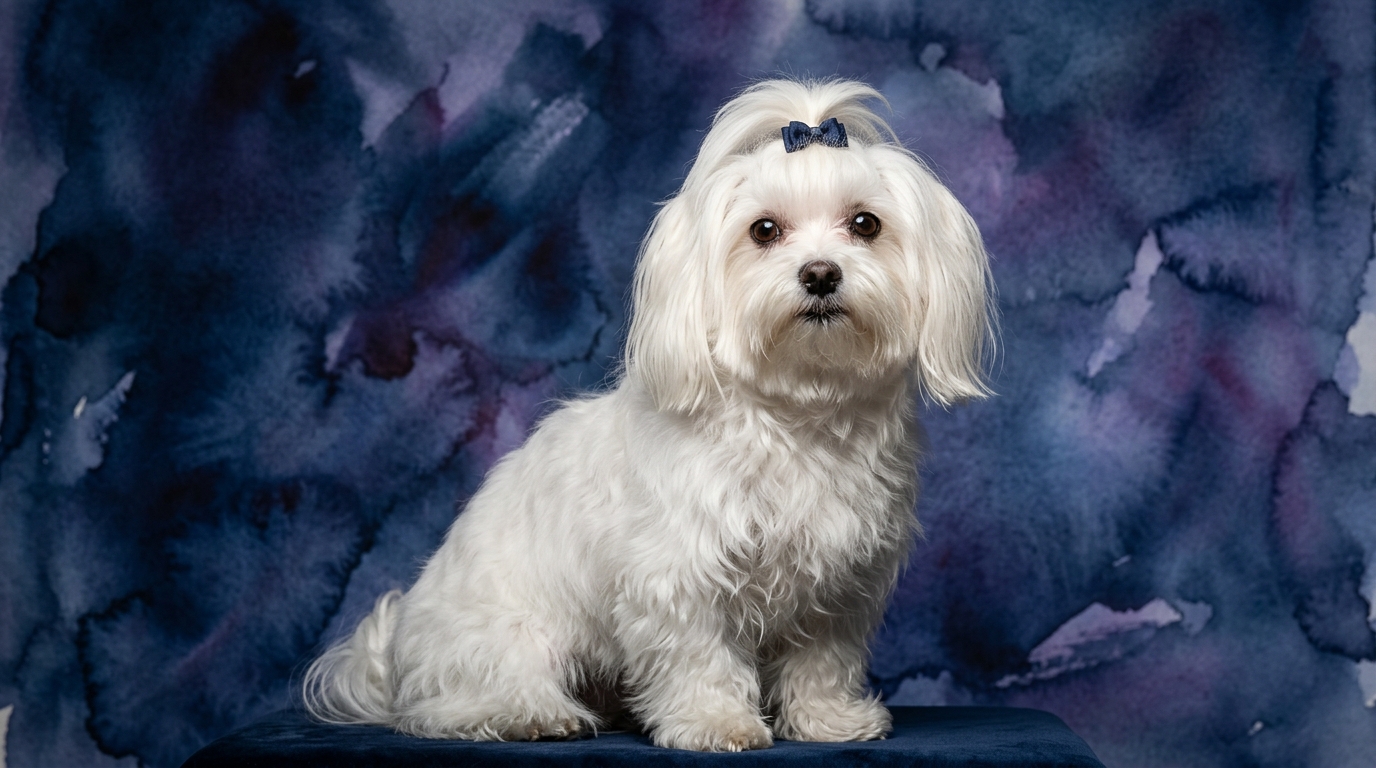
The Cosmic Pet Pet IQ Lab employs a five-dimensional framework to assess canine cognition, providing a nuanced view of intelligence beyond a single score. For the Maltese, a Toy breed, we observe a Coren rank of #59. Their Problem Solving is rated 3/5, indicating a moderate ability to navigate novel challenges. Training Speed stands at 3/5, suggesting they grasp new commands at an average pace. Where the Maltese truly shines is in Social Intelligence, earning a perfect 5/5, reflecting their exceptional ability to read and respond to human cues and emotions. Their Instinctive Drive is a low 2/5, typical for a breed primarily developed for companionship, and Memory is rated 3/5, allowing them to retain information adequately.
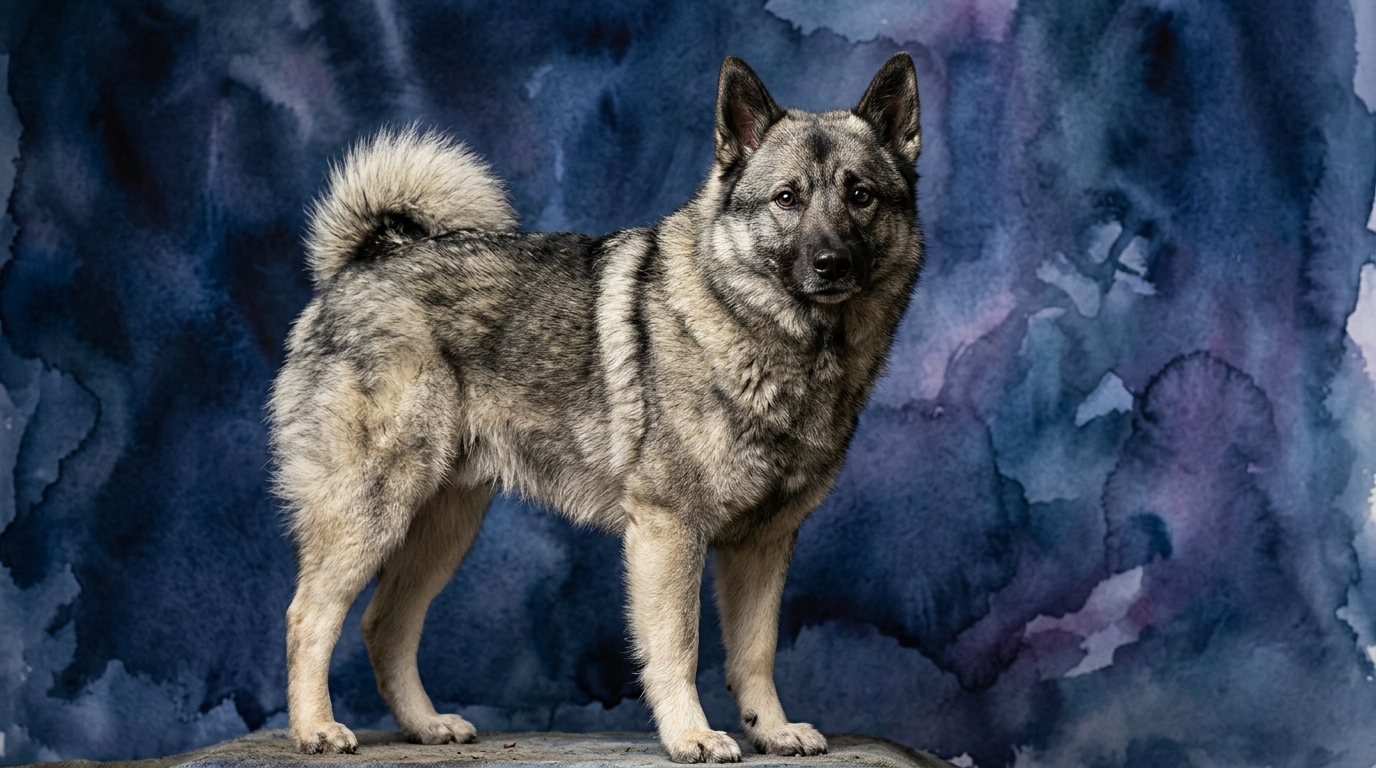
In contrast, the Norwegian Elkhound, a Hound breed with a Coren rank of #36, presents a different cognitive landscape. Their Problem Solving is a strong 4/5, indicative of a breed capable of independent thought and finding solutions in complex situations, a trait honed by their hunting heritage. Training Speed also registers at 4/5, suggesting a quicker uptake of new instructions compared to the Maltese. Social Intelligence for the Elkhound is 3/5, which means they are capable of forming strong bonds but might not possess the same intuitive grasp of human emotional subtleties as their Toy counterpart. Their Instinctive Drive is 3/5, a moderate level reflecting their historical role in tracking and baying big game. Finally, Memory for the Norwegian Elkhound is an impressive 4/5, enabling them to recall complex sequences and information over extended periods.
Where the Maltese Wins Cognitively
The Maltese's undeniable cognitive victory lies squarely in their exceptional Social Intelligence, scoring 5/5. This isn't merely about being affectionate; it's a deep-seated ability to interpret human body language, vocal inflections, and emotional states with remarkable accuracy. A Maltese can often sense a shift in their owner's mood, offering comfort or seeking interaction precisely when needed, demonstrating a sophisticated understanding of social dynamics within their human family. This high social acumen makes them incredibly responsive to subtle cues during interaction, fostering a profound emotional connection and making them adept at mirroring the calm or playful energy of their household. Their strength here means they excel in roles requiring close human partnership and emotional attunement, often anticipating needs or reacting to unstated desires, which is a hallmark of truly integrated companionship.
Where the Norwegian Elkhound Wins Cognitively
The Norwegian Elkhound demonstrates clear cognitive superiority in several key areas, particularly in Problem Solving (4/5), Training Speed (4/5), and Memory (4/5). Their elevated Problem Solving isn't just about figuring out how to get a treat; it’s the capacity for independent thought in challenging environments, a trait essential for a breed historically tasked with tracking game through varied terrain. This means an Elkhound is more likely to devise creative solutions when faced with an obstacle, whether it’s figuring out how to open a gate or navigating a complex scent trail. Their superior Training Speed reflects a quicker ability to form associations between commands and actions, absorbing new information efficiently. Coupled with their strong Memory, they not only learn quickly but retain those lessons for a long time, enabling them to build a vast repertoire of understood behaviors and respond reliably over repeated instances. These combined strengths make them formidable learners for complex tasks and consistent performers once a skill is acquired.
Which is Easier to Train and Why
When considering ease of training, the Norwegian Elkhound generally presents a more straightforward experience due to its higher scores in Training Speed (4/5) and Memory (4/5). These attributes mean Elkhounds tend to pick up new commands and routines more quickly and retain them over time. Their moderate Instinctive Drive (3/5), while present, is often channeled into focused tasks, making them receptive to structured learning. For instance, an Elkhound can be taught complex multi-step commands or participate in dog sports with relative ease, thanks to their capacity for rapid learning and recall. Their problem-solving skills also mean they can generalize learned behaviors to new situations efficiently.
The Maltese, with a Training Speed of 3/5 and Memory of 3/5, requires a bit more patience and repetition. While certainly trainable, they may take longer to fully grasp and consistently execute new commands. Their low Instinctive Drive (2/5) means they aren't driven by strong urges to hunt or track, which can make them less naturally inclined towards certain types of training, but also less prone to distraction by environmental stimuli. Their exceptional Social Intelligence, however, can be leveraged in training; they respond very well to positive reinforcement rooted in social praise and connection, thriving on pleasing their human companions. Therefore, while an Elkhound might learn a 'stay' command faster, a Maltese might be more motivated by the sheer joy of interaction during the learning process, albeit at a slightly slower pace.
Which Suits Active Owners vs. Relaxed Owners
For owners with an active lifestyle, the Norwegian Elkhound is an excellent match. Their higher Problem Solving and moderate Instinctive Drive mean they thrive on mental and physical stimulation, enjoying activities like hiking, scent work, or agility. An Elkhound needs consistent exercise and engagement to prevent boredom and channel their cognitive energy constructively, making them ideal for owners who enjoy outdoor adventures or structured training. Their robust memory and training speed also make them capable partners for advanced obedience or competitive dog sports, demanding an owner who can commit to regular, varied activities.
Conversely, the Maltese is perfectly suited for more relaxed owners seeking a devoted companion. Their lower Instinctive Drive and moderate need for physical exertion mean they are content with shorter walks and indoor play. The Maltese's outstanding Social Intelligence makes them flourish in environments where they receive ample affection and companionship, often happy to curl up on a lap or participate in gentle, interactive play. They are less prone to destructive behaviors born from boredom if their primary need for social interaction is met, making them an ideal choice for individuals or families who prioritize comfort and close emotional bonding over strenuous physical activity.
The Verdict
Choose the Maltese if your priority is an emotionally attuned companion who thrives on close social interaction and a relaxed home environment. They will enrich your life with their perceptive nature and affectionate presence.
Opt for the Norwegian Elkhound if you're an active individual or family seeking a mentally agile and physically capable partner for outdoor adventures and engaging training. They offer a rewarding partnership for those who appreciate independent thought and consistent performance.
🧠 Find Your Pet's IQ Score
Our Pet IQ Lab assessment covers 25+ tests across 5 cognitive dimensions — personalized to your breed.
Take the Full IQ Test →Frequently Asked Questions
Do Maltese dogs understand human emotions well?
Yes, Maltese dogs possess exceptional Social Intelligence (5/5), making them highly adept at reading and responding to human emotions. They often anticipate their owner's moods and react with appropriate comfort or playful engagement, forming deep emotional bonds.
Are Norwegian Elkhounds good at solving complex problems?
Norwegian Elkhounds excel in Problem Solving (4/5), a trait refined by their history as independent hunters. They demonstrate a strong capacity for figuring out novel challenges and devising solutions, making them capable of independent thought in various situations.
Which breed learns new tricks faster, Maltese or Norwegian Elkhound?
The Norwegian Elkhound generally learns new tricks faster due to a higher Training Speed (4/5) and Memory (4/5). While the Maltese (3/5 for both) is certainly trainable, the Elkhound typically grasps and retains new commands with greater speed and consistency.