The Cosmic Pet Pet IQ Profiles: Maltese & Norwegian Lundehund
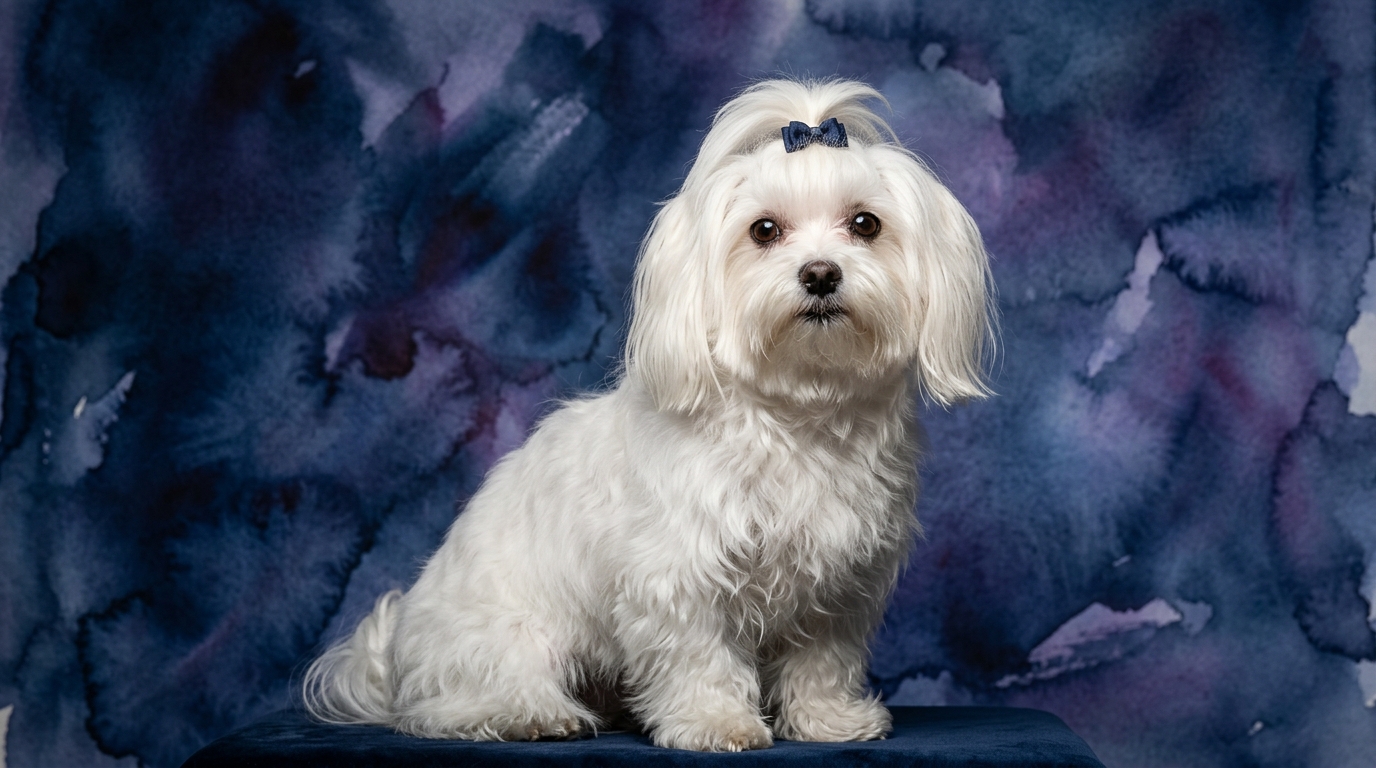
The Cosmic Pet Pet IQ Lab employs a five-dimensional framework to assess canine cognition, offering a nuanced view beyond simplistic labels. For the Maltese, a Toy breed ranked #59 by Coren, its profile shows a Problem Solving score of 3/5, indicating a moderate capacity for navigating novel challenges and strategizing. Their Training Speed also stands at 3/5, suggesting a moderate pace for learning new commands and routines. A standout feature is their Social Intelligence, scoring an impressive 5/5, reflecting a profound attunement to human emotions and social cues. Instinctive Drive, however, is lower at 2/5, meaning their innate urges for tasks like hunting or herding are less prominent, aligning with their role as companions. Finally, their Memory is rated 3/5, demonstrating a solid ability to retain learned information and past experiences.
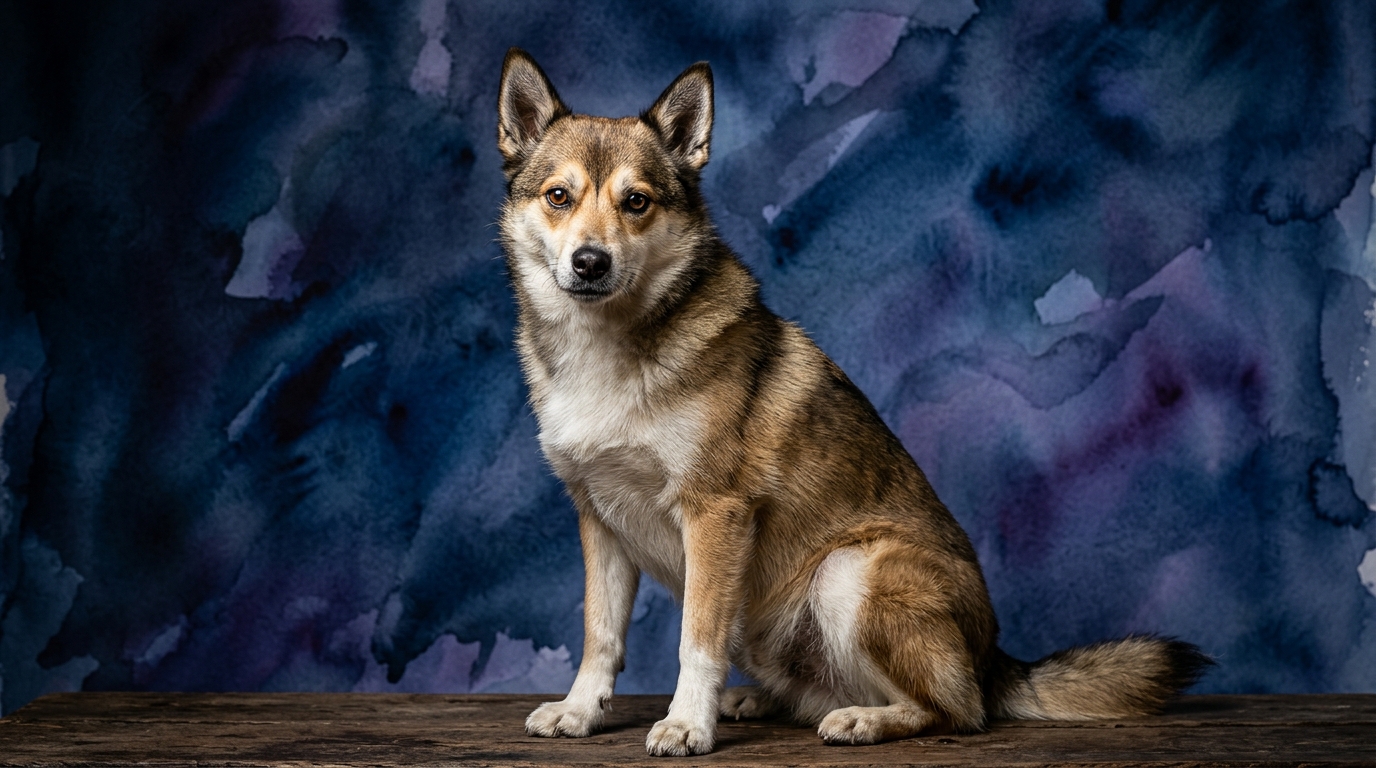
In contrast, the Norwegian Lundehund, a Non-Sporting breed not currently Coren-ranked, presents a slightly different cognitive texture. Its Problem Solving ability matches the Maltese at 3/5, indicating a similar moderate aptitude for independent thought when faced with obstacles. Their Training Speed is also 3/5, suggesting they absorb new lessons at a comparable rate. Where the Lundehund diverges more noticeably is in Social Intelligence, scoring 3/5, which points to a more independent nature compared to the highly people-centric Maltese. Their Instinctive Drive is moderately higher at 3/5, hinting at a more pronounced intrinsic motivation for exploration or task-oriented behaviors, reflecting their historical working purpose. Like the Maltese, their Memory is rated 3/5, ensuring they can recall their training and experiences effectively.
Where the Maltese Shines Cognitively
The Maltese's undeniable cognitive advantage lies in its exceptional Social Intelligence, scoring a perfect 5/5. This isn't merely about being friendly; it signifies an acute sensitivity to human emotional states and a profound desire for interactive engagement. A Maltese often anticipates its owner's moods, offering comfort or seeking play with remarkable precision. This high social acumen translates into a dog that thrives on connection, actively participating in family life and forming deep, intuitive bonds. Their ability to read and respond to subtle human cues makes them incredibly attuned companions, often seeming to understand unspoken requests or emotional needs, creating a harmonious living experience built on mutual understanding.
While their Problem Solving and Training Speed are moderate, their social brilliance often augments their perceived responsiveness. A Maltese might not solve complex puzzles independently with gusto, but they are often highly motivated to engage with a human partner to achieve a goal, leveraging their social bond. This means they are often eager participants in games or learning sessions, not just because they understand the task, but because the interaction itself is deeply rewarding for them. This strong social drive makes them particularly adaptable to a human-centric lifestyle, where companionship and shared activities are paramount.
Where the Norwegian Lundehund Excels Cognitively
The Norwegian Lundehund's cognitive strengths are rooted in its unique history as a puffin hunter, demanding specific physical and mental aptitudes. Its Instinctive Drive, rated at 3/5, while not extreme, is a significant feature that distinguishes it from the Maltese. This moderate drive indicates an intrinsic motivation for exploring, climbing, and navigating complex terrain, often displaying a persistent curiosity about their environment. Unlike the Maltese, whose drives are more oriented towards human interaction, the Lundehund's drives are more self-directed, focusing on investigation and independent action, which aligns with their historical role requiring them to work without constant human direction.
Furthermore, while both breeds share a 3/5 in Problem Solving, the Lundehund's historical context suggests this manifests differently. Their need to navigate narrow cliff crevices and extract birds implies a practical, environmental problem-solving ability, often involving spatial reasoning and physical dexterity. Their unique anatomy—extra toes, flexible joints, and the ability to tip their head back to touch their spine—is a testament to their specialized physical adaptation, which is undoubtedly intertwined with their cognitive approach to navigating challenges. This combination of moderate instinctive drive and practical problem-solving makes them adept at independent exploration and finding novel solutions in their surroundings, often without direct human prompting.
Trainability: A Tale of Two Temperaments
When considering trainability, both the Maltese and Norwegian Lundehund share a 3/5 score in Training Speed, suggesting they learn at a similar, moderate pace. However, the *ease* of training can differ significantly due to their other cognitive dimensions. The Maltese, with its 5/5 Social Intelligence, is often perceived as easier to train in obedience and manners. Their intense desire to please and connect with their human companions means they are typically highly motivated by praise, affection, and the opportunity for shared activity. This strong social bond fosters attentiveness and a willingness to cooperate, which can make the training process feel more fluid and rewarding for both dog and owner. The Maltese's Coren rank of #59 further supports their general capacity for understanding and performing obedience tasks.
The Norwegian Lundehund, on the other hand, with its 3/5 Social Intelligence and 3/5 Instinctive Drive, might present a different training experience. While they are capable of learning, their more independent nature and greater intrinsic motivation for exploration can sometimes make them less overtly eager to comply with human-initiated commands if those commands conflict with their own interests. Training a Lundehund often requires a patient, consistent approach that taps into their problem-solving abilities and allows for some autonomy, rather than solely relying on a desire to please. They may require more varied and engaging training methods to maintain their focus, as their moderate instinctive drive can lead them to pursue environmental curiosities over formal instruction.
Matching Cognitive Profiles to Lifestyles
For owners seeking a highly integrated and emotionally responsive companion, the Maltese's cognitive profile is an ideal match. Their 5/5 Social Intelligence means they flourish in environments where they receive ample human attention and interaction, perfectly suited for relaxed owners who enjoy a constant canine presence. While they appreciate walks and play, their primary contentment comes from being part of the family's daily rhythm, offering comfort and companionship. Their moderate Problem Solving and Memory ensure they are adaptable to home routines without excessive demands for mental stimulation, making them excellent choices for those seeking a devoted, affectionate housemate who thrives on connection.
The Norwegian Lundehund, with its 3/5 Instinctive Drive and more independent Social Intelligence, is better suited for active owners who appreciate a dog with a unique personality and specific needs. Their cognitive makeup suggests a need for mental engagement that allows them to exercise their moderate problem-solving skills and curiosity. Owners who enjoy outdoor activities like hiking or exploring, and who can provide outlets for their innate drives through structured games or puzzles, will find the Lundehund a fascinating partner. They are not as intensely focused on human interaction as the Maltese, preferring a balance of companionship and independent exploration, making them suitable for those who value a dog's distinct character and can accommodate its historical inclinations for navigating varied environments.
The Verdict: When to Choose Each
The Verdict
Choose the Maltese if your lifestyle prioritizes an intensely social, emotionally attuned companion who thrives on close human interaction and offers profound affection.
Opt for the Norwegian Lundehund if you are an active, curious owner who values a unique, independent-thinking canine partner with a moderate drive for exploration and specific, fascinating cognitive traits.
🧠 Find Your Pet's IQ Score
Our Pet IQ Lab assessment covers 25+ tests across 5 cognitive dimensions — personalized to your breed.
Take the Full IQ Test →Frequently Asked Questions
Are Maltese generally easy to train?
While their Training Speed is moderate (3/5), their exceptional 5/5 Social Intelligence makes them very responsive to training, as they are highly motivated by pleasing their human companions and engaging in shared activities. This strong desire to connect often makes the training process feel more effortless and rewarding.
What makes the Lundehund's cognition distinct from other breeds?
The Lundehund's moderate 3/5 Instinctive Drive combined with its unique physical adaptations for puffin hunting suggests a cognitive profile geared towards independent environmental problem-solving and persistent exploration. Their intelligence is less about social compliance and more about navigating complex physical challenges with curiosity and determination.
Which breed adapts better to urban living?
The Maltese generally adapts exceptionally well to urban living due to their high Social Intelligence and lower Instinctive Drive, thriving in a home-centric environment with ample human interaction. The Lundehund can adapt, but their moderate Instinctive Drive means they will require more structured outlets for exploration and mental stimulation to prevent boredom in a confined city setting.