Side-by-Side IQ Profile: A Cognitive Blueprint
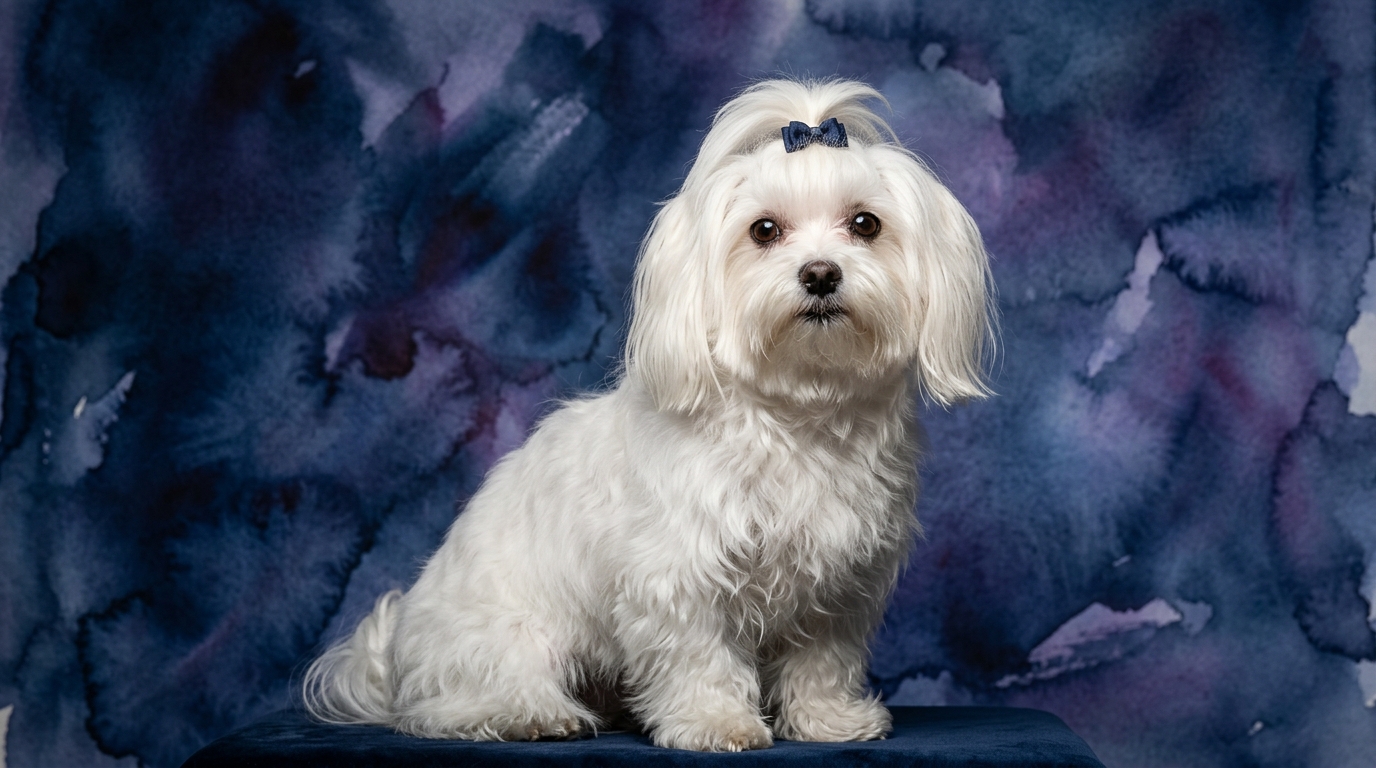
The Maltese, with a Coren rank of #59, demonstrates a problem-solving capacity rated at 3/5. This often manifests as resourcefulness in navigating domestic environments, figuring out how to retrieve a dropped toy from under furniture, or manipulating owners for attention. Their training speed is also 3/5, indicating a steady learning pace that responds well to consistent, positive reinforcement, especially when motivated by affection or treats.
The Maltese truly shines in social intelligence, scoring an exceptional 5/5. They are remarkably adept at reading human emotions, understanding subtle cues, and forming deep, intuitive bonds, often anticipating their owner's needs or moods. This breed's instinctive drive is quite low at 2/5, meaning they have minimal prey drive and are primarily focused on companionship rather than independent hunting behaviors. Their memory, rated at 3/5, allows them to retain learned commands and routines effectively, remembering specific people and past interactions with clarity.
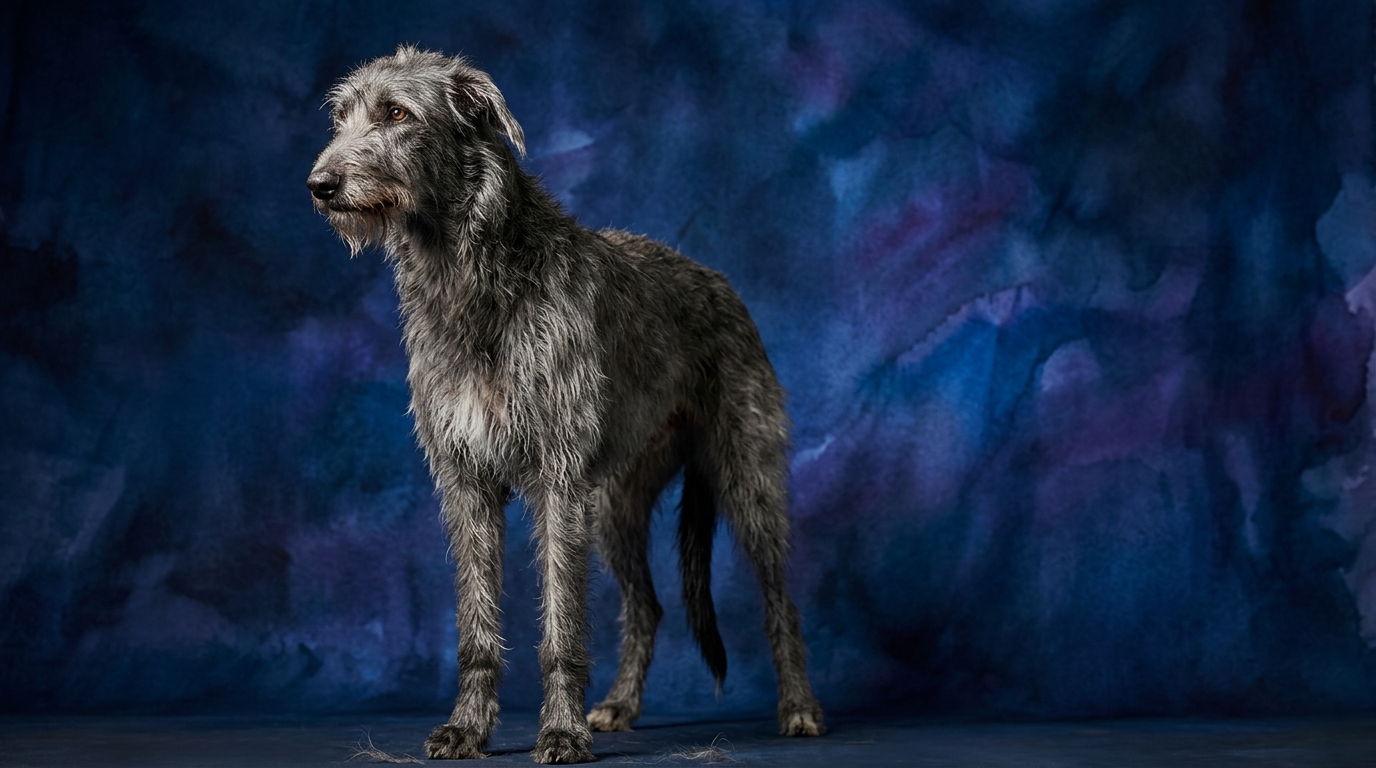
The Scottish Deerhound, while not Coren-ranked, presents a distinct cognitive profile suited to its sighthound heritage. Its problem-solving ability is rated 3/5, often demonstrated in navigating varied terrains during a chase or assessing environmental obstacles. This problem-solving tends to be more practical and less focused on human-centric puzzles compared to the Maltese. Their training speed is also 3/5, meaning they learn at a steady rate, but their independent nature often requires more patience and creative motivation from trainers.
The Scottish Deerhound's social intelligence is 3/5. They understand social dynamics and form affectionate bonds, but their expression of social connection is typically more reserved and less intensely human-focused than a Maltese. They are observant but not overtly clingy. Their instinctive drive is 3/5, reflecting their heritage as pursuit hunters; they possess a moderate prey drive that can be engaged by fast-moving objects, requiring careful management in open spaces. Their memory, like the Maltese, is 3/5, allowing them to recall training, routines, and familiar people, though they might be less prone to dwelling on past emotional interactions.
Where the Maltese Wins Cognitively
The Maltese's undeniable cognitive strength lies in its superior social intelligence, scoring a perfect 5/5 compared to the Deerhound’s 3/5. This translates into an unparalleled ability to interpret human body language, vocal tones, and emotional states, making them highly attuned emotional support animals. They thrive on reciprocal interaction, often initiating cuddles or offering comfort when sensing distress, a nuanced social skill less pronounced in the more independent Deerhound.
Furthermore, the Maltese's lower instinctive drive (2/5) is a significant cognitive advantage in a typical domestic setting. While the Deerhound might be easily distracted by a distant squirrel or a rustling leaf, the Maltese is far less prone to such diversions. This cognitive focus on their human companions rather than external stimuli makes them exceptionally present and engaged partners in everyday interactions, simplifying management in urban or suburban environments.
Their smaller size also implicitly influences their problem-solving domain; Maltese dogs are adept at navigating complex indoor environments, finding hidden treats, or manipulating small objects. This form of problem-solving, though rated the same at 3/5 as the Deerhound, is tailored to a completely different scale and context, making them incredibly resourceful within their immediate, human-centric world. Their memory, while rated similarly, often feels more directed towards recalling social cues and reinforcing companionship behaviors.
Where the Scottish Deerhound Wins Cognitively
The Scottish Deerhound's cognitive strengths are rooted in its historical purpose, particularly evident in its instinctive drive (3/5) which, while moderate, surpasses the Maltese's 2/5. This means a Deerhound possesses an innate understanding of pursuit dynamics, spatial awareness over vast distances, and a capacity for independent decision-making when engaging with environmental stimuli. This drive isn't just about chasing; it's about processing complex sensory input to identify, track, and react to movement in a highly efficient manner.
Their problem-solving, rated 3/5, often manifests in navigating challenging outdoor terrains or devising strategies during a chase, rather than solving puzzle toys. A Deerhound might intuitively find the easiest path through a dense thicket or understand wind direction during a scent trail, skills that are simply not relevant to a Maltese's typical existence. This practical, environment-driven cognitive ability highlights a different form of intelligence, one focused on survival and task accomplishment in expansive settings.
While their social intelligence is rated 3/5, it's a deep, understated connection rather than an overt, constant plea for attention. Deerhounds often demonstrate a quiet understanding and loyalty, assessing situations before reacting, which can be seen as a form of social wisdom. Their memory (3/5) is robust for recalling expansive landscapes, preferred running paths, and the routines associated with outdoor activities, demonstrating a cognitive map that extends far beyond the confines of a living room.
Which is Easier to Train and Why
Both the Maltese and the Scottish Deerhound share a training speed rating of 3/5, suggesting neither breed is exceptionally quick nor particularly slow to learn new commands. However, the *ease* of training often hinges on other cognitive factors and breed motivations. For many owners, the Maltese might feel "easier" to train due to its exceptionally high social intelligence (5/5). This breed thrives on human interaction and approval, making them highly motivated to please their owners and respond to social cues during training sessions.
A Maltese is less likely to be distracted by external stimuli due to its low instinctive drive (2/5), allowing for more focused attention on the trainer. They often perceive training as a shared activity, reinforcing their bond with their human. Positive reinforcement, particularly praise and affection, can be incredibly effective, leading to a seemingly faster acquisition of basic obedience and house manners, even if their inherent learning speed is moderate. Their memory (3/5) ensures consistent retention of these socially reinforced behaviors.
Conversely, while the Scottish Deerhound also learns at a 3/5 training speed, their moderate instinctive drive (3/5) and more independent social intelligence (3/5) can present different training challenges. A Deerhound might be more easily distracted by a distant movement or scent, requiring a highly engaging and consistent training approach to maintain focus. Their inherent sighthound independence means they might question the utility of a command or choose to comply only when adequately motivated, rather than simply for social approval. Training a Deerhound often requires understanding their drive for bursts of activity and incorporating those elements, making it a more nuanced endeavor that rewards patience, clear communication, and a strong, trust-based relationship.
Which Suits Active Owners vs. Relaxed Owners
The choice between a Maltese and a Scottish Deerhound significantly depends on an owner’s lifestyle, particularly their activity level and living situation. A Maltese is an ideal companion for more relaxed owners, or those with smaller living spaces. Their low instinctive drive (2/5) and moderate exercise requirements mean they are content with indoor play, short walks, and extensive cuddle sessions. They thrive on constant human companionship, making them perfect for individuals who are home frequently or desire a lapdog.
While they appreciate mental stimulation through puzzle toys and short training sessions, their physical needs are easily met. Their high social intelligence (5/5) means they are emotionally responsive and adapt well to a quiet, predictable home environment, providing comfort and companionship without demanding strenuous physical activity. This makes them suitable for seniors, apartment dwellers, or anyone preferring a calm, affectionate presence over an athletic partner.
The Scottish Deerhound, by contrast, is distinctly suited for active owners who can accommodate their unique physical and cognitive needs. Despite their calm demeanor indoors, their sighthound heritage and moderate instinctive drive (3/5) necessitate regular opportunities for bursts of intense running in a secure, expansive area. They are not content with just a leash walk; they need to gallop and stretch their long legs, which is critical for their physical and mental well-being.
Owners who enjoy long hikes, have access to large, fenced yards, or participate in activities like lure coursing will find a Deerhound a rewarding partner. Their problem-solving (3/5) and memory (3/5) are best engaged when exploring new environments or participating in activities that tap into their natural athletic abilities. A relaxed owner unable to provide these outlets might find themselves with an unfulfilled, potentially restless giant, despite their generally placid indoor nature.
The Verdict
Choose a Maltese if you seek an exceptionally socially intelligent, emotionally attuned companion thriving on close interaction and indoor living, ideal for relaxed owners in smaller spaces.
Opt for a Scottish Deerhound if you are an active owner with access to open, secure spaces, appreciating an independent, gentle giant with a nuanced social connection and a need to engage their sighthound instincts.
🧠 Find Your Pet's IQ Score
Our Pet IQ Lab assessment covers 25+ tests across 5 cognitive dimensions — personalized to your breed.
Take the Full IQ Test →Frequently Asked Questions
Do Maltese dogs get along well with other pets?
Maltese dogs generally possess excellent social intelligence (5/5), making them quite adaptable to living with other pets, especially when properly introduced. Their low instinctive drive (2/5) means they are less likely to view smaller animals as prey, often forming amicable relationships within the household.
How much exercise does a Scottish Deerhound truly need?
Scottish Deerhounds, despite their calm indoor presence, require significant exercise, specifically opportunities for vigorous running in a safe, fenced area, typically several times a week. Their moderate instinctive drive (3/5) means they need to engage in bursts of speed to satisfy their sighthound nature and maintain physical and mental health.
What kind of mental stimulation benefits these breeds most?
Maltese benefit from puzzle toys that engage their problem-solving (3/5) and memory (3/5), as well as interactive games that leverage their high social intelligence (5/5) through training and companionship. Scottish Deerhounds thrive on activities that engage their instinctive drive (3/5) like lure coursing or exploring new environments, combined with consistent, positive training that respects their independent learning speed (3/5).