Side-by-Side IQ Profile: Maltese vs. Tibetan Mastiff
The Cosmic Pet Pet IQ Lab assesses canine intelligence across five key dimensions, providing a granular view of each breed’s cognitive strengths. For the Maltese and Tibetan Mastiff, despite some similar scores, the application and manifestation of these dimensions differ greatly.
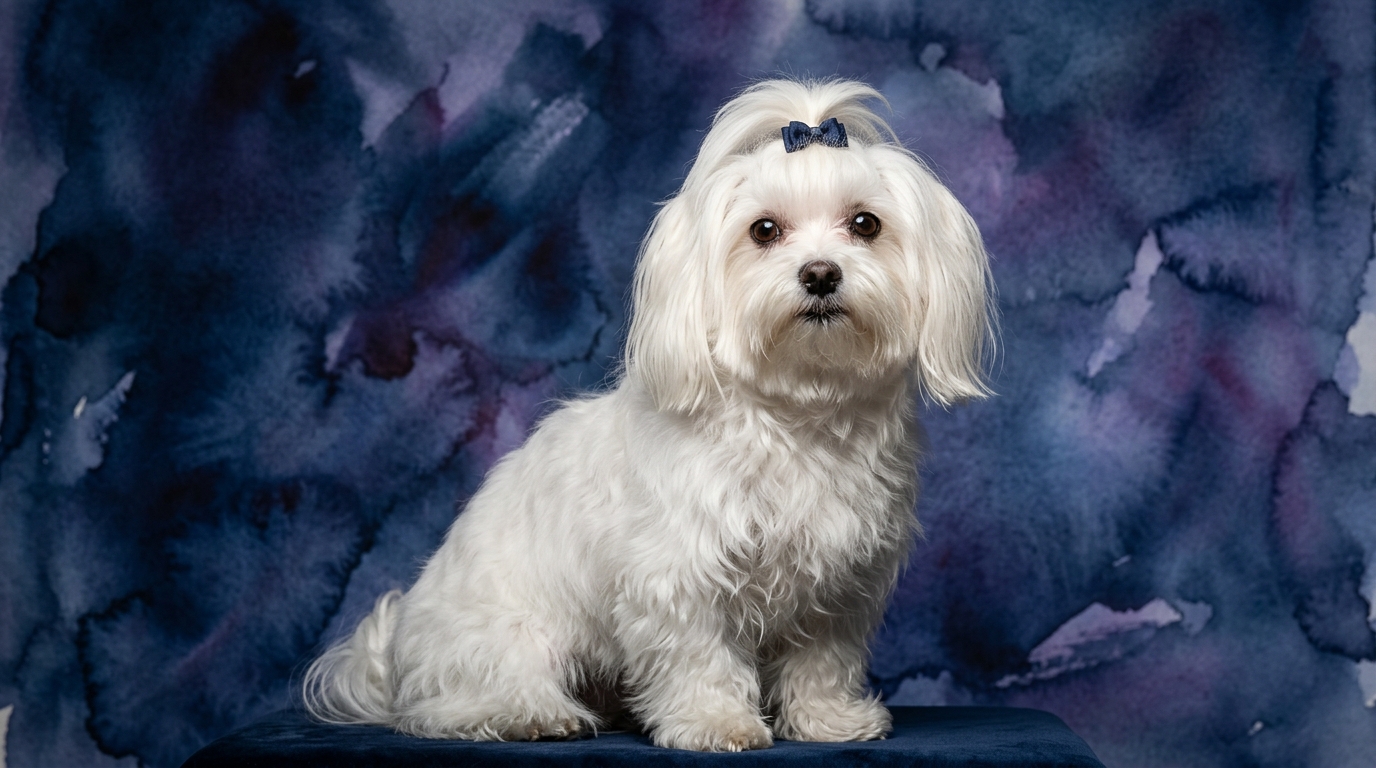
Maltese (Toy, Coren rank #59): Problem Solving (3/5): The Maltese exhibits a moderate capacity for navigating novel situations. Their problem-solving often manifests not through complex logical deductions, but through clever observations of their human environment, learning which behaviors elicit desired responses like attention, treats, or playtime. For instance, they might quickly figure out how to 'ask' for a toy by nudging it towards their owner or how to get onto a favorite lap using a low piece of furniture. Their solutions are often human-centric, designed to interact with and influence their family. Training Speed (3/5): Possessing a moderate ability to grasp new commands and routines, the Maltese can learn efficiently when motivation is high. They respond well to upbeat, positive reinforcement sessions, making progress with consistent effort. However, their occasional independent streak, a trait sometimes seen in smaller companions, means that training requires engagement and a light touch to prevent boredom or stubbornness. They may learn a command, but whether they perform it consistently often depends on their current interest level and perceived reward. Social Intelligence (5/5): This is the Maltese's undeniable cognitive forte. Their exceptional social intelligence means they are exquisitely perceptive of human emotions, intentions, and subtle social cues. They can often anticipate a mood shift, offering comfort or initiating play at just the right moment. This deep attunement allows them to form profoundly empathetic bonds, making them highly responsive companions who excel at reading and reacting to the nuances of human interaction within a family setting. Instinctive Drive (2/5): With a low instinctive drive, the Maltese typically lacks strong prey drive or intense guarding instincts. Their cognitive focus is rarely consumed by primal urges to hunt or extensively patrol. Instead, their primary motivations revolve around companionship, social engagement, and comfort, meaning they are less prone to independent, instinct-driven behaviors that might conflict with a relaxed household environment. Memory (3/5): The Maltese demonstrates a moderate memory, capable of retaining commands, routines, and positive or negative associations over time. This cognitive function is crucial for their consistent response to training and helps them remember familiar people, places, and the established rules of their home. They can recall specific interactions and learn from past experiences, contributing to their adaptability within a family.
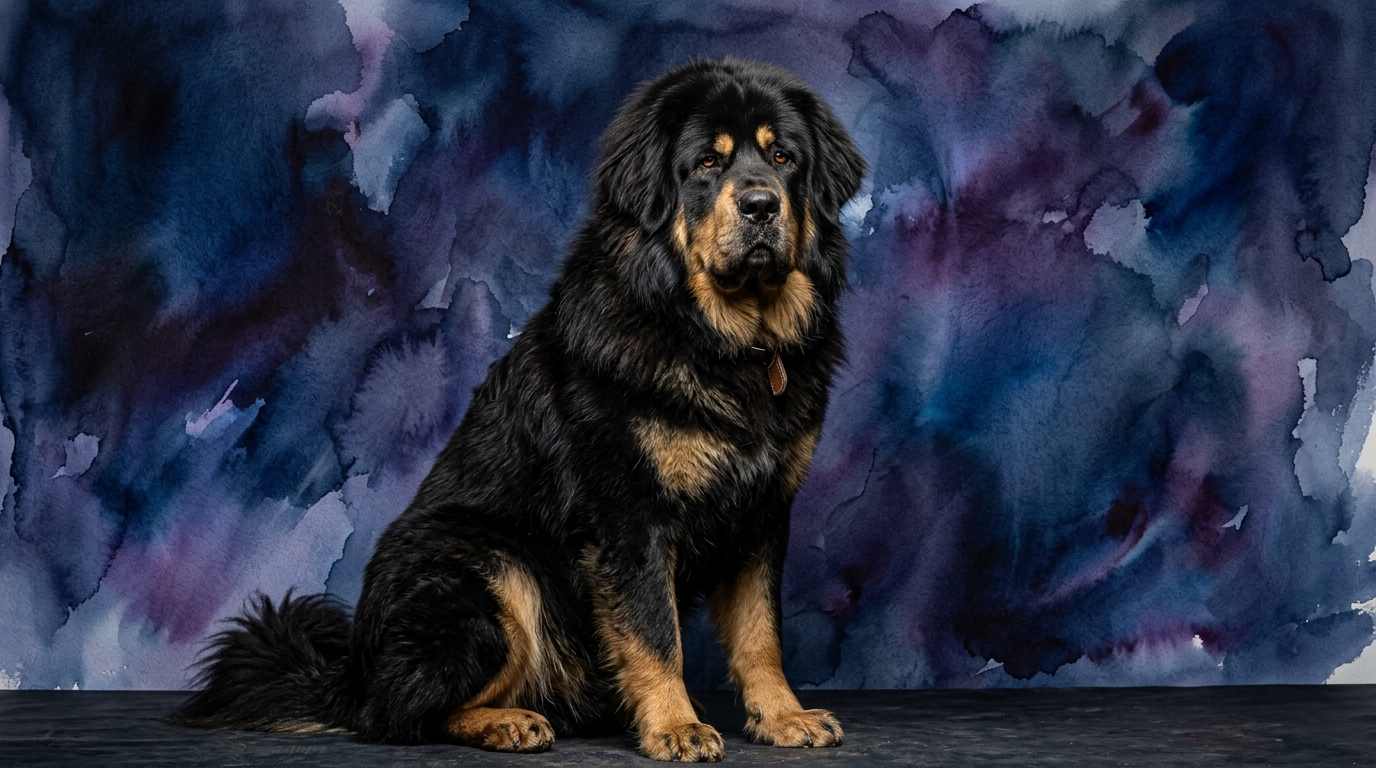
Tibetan Mastiff (Working, Not Coren-ranked): Problem Solving (3/5): The Tibetan Mastiff also shows a moderate capacity for problem-solving, but its application is distinct. This often manifests in their ancestral role of independent guardianship, where they had to assess complex environmental threats and strategize protection for livestock or property without constant human instruction. For example, they might figure out the weakest point in a fence or how to position themselves to best survey their territory. Their solutions are often practical, self-directed, and geared towards security, requiring them to think critically about their surroundings. Training Speed (3/5): Like the Maltese, the Tibetan Mastiff has a moderate training speed. They are certainly capable of learning commands and complex tasks, but their independent nature often means they need to understand the "why" behind a command or decide if executing it aligns with their own assessment of a situation. They are not typically driven by an overwhelming desire to please, which means training demands immense patience, consistency, and a clear demonstration of leadership. Repetition alone may not be enough; they need to perceive the command as logical or beneficial. Social Intelligence (3/5): The Tibetan Mastiff possesses a moderate level of social intelligence. While they form exceptionally strong, loyal bonds with their immediate family, they are often reserved, watchful, and sometimes aloof with strangers. They may not display the same overt emotional attunement or constant desire for interaction as a Maltese. Their social interactions are often more measured, based on a careful assessment of trustworthiness and respect, and they value personal space. Instinctive Drive (3/5): Their instinctive drive is moderate and profoundly shapes their cognitive behavior, primarily expressed through their strong territorial and protective instincts. This drive enabled them to guard livestock and property effectively in challenging, isolated environments, making independent decision-making and vigilance a core part of their cognitive profile. They possess a natural, deep-seated inclination to survey, patrol, and protect their domain, constantly processing information related to security. Memory (3/5): The Tibetan Mastiff demonstrates a moderate memory, which is essential for remembering territory boundaries, identifying familiar individuals versus potential threats, and retaining past experiences that inform their protective duties. They can recall learned behaviors, social hierarchies within their established pack, and the patterns of their environment, all contributing to their effective guardianship.
Where the Maltese Wins Cognitively
The Maltese’s distinct cognitive advantage lies in its exceptional Social Intelligence (5/5). This profound attunement to human emotion and communication allows them to seamlessly integrate into family life, often anticipating their owner's moods and reacting with comforting presence or playful antics. Their capacity to interpret subtle cues, such as a shift in vocal tone or body language, makes them highly responsive companions, facilitating a deeply reciprocal relationship where they often seem to understand unspoken needs. This social acumen means they excel at complex social interactions within a household, adeptly navigating the dynamics between family members and even other pets. Furthermore, their lower Instinctive Drive (2/5) means their cognitive efforts are less diverted by primordial urges like extensive hunting or territorial patrolling. Instead, their mental energy is predominantly channeled towards understanding and engaging with their human family, making them incredibly adept at focusing on companionship and the nuances of human interaction. This focused social processing allows for a level of emotional responsiveness that sets them apart.
Where the Tibetan Mastiff Wins Cognitively
The Tibetan Mastiff’s cognitive strengths are intrinsically linked to its moderate Instinctive Drive (3/5), which historically enabled its role as an independent guardian. This drive manifests as a keen, almost constant, awareness of their surroundings and a self-reliant approach to assessing potential threats. While their Problem Solving score is also 3/5, this is applied within a context of independent judgment and environmental analysis. They are adept at evaluating situations and acting decisively without constant human direction, making nuanced judgments about who belongs and who doesn't based on their observations. Their cognitive process prioritizes observation, assessment, and strategic positioning. For instance, a Tibetan Mastiff might independently identify a new sound on the property, track its source, and position itself defensively, all without a direct command. This deep-seated ability to process environmental stimuli and respond autonomously makes them exceptionally capable protectors who rely on their own internal compass and analytical skills rather than solely on human instruction. They are wired to think for themselves in a protective capacity.
Training Dynamics: Which Breed is Easier and Why?
While both breeds share a Training Speed score of 3/5, the Maltese generally presents as significantly easier to train for typical household obedience and tricks due to its superior Social Intelligence (5/5) and lower Instinctive Drive (2/5). A Maltese often actively seeks to understand and please its human, perceiving training as an engaging social interaction and an opportunity for connection. Their strong desire for approval and attention means they are usually highly motivated by positive reinforcement, praise, and treats, and are less likely to challenge a command if it means disrupting their cherished bond with their owner. They are generally eager to cooperate. Conversely, the Tibetan Mastiff’s moderate Social Intelligence (3/5) and stronger Instinctive Drive (3/5) mean training often requires a different, more nuanced approach. They might grasp a command quickly, but then independently decide if executing it aligns with their protective duties, their current assessment of the situation, or their own comfort. They are not inherently driven by a strong desire to please and may prioritize their own judgment. Training a Tibetan Mastiff demands immense patience, unwavering consistency, and a deep understanding of their independent, guardian mindset, as they require a clear, confident leader who respects their natural inclinations while guiding them firmly.
Matching Cognitive Profiles to Owner Lifestyles
The Maltese, with its relatively low physical demands and profound social needs, is ideally suited for relaxed owners who prioritize intimate companionship and indoor activities. Their cognitive engagement thrives on close social interaction, lap time, and gentle indoor play, making them perfect for individuals or families seeking an affectionate, responsive presence that doesn't require extensive outdoor adventures or rigorous exercise regimens. Their adaptable nature allows them to thrive in smaller living spaces, provided they receive consistent human attention and mental stimulation through interaction. In stark contrast, the Tibetan Mastiff is better suited for "active" owners, not necessarily in terms of high-intensity physical exercise, but rather those who are proactive and engaged in managing a powerful, independent breed. They require substantial outdoor space, secure containment, and owners who are committed to providing consistent mental stimulation through structured training, clear boundaries, and opportunities for surveying their territory. Their cognitive makeup, driven by protective instincts, demands an owner who understands and respects their guardian role and independent decision-making, providing consistent leadership and socialization rather than a laid-back, permissive approach. They need an owner who is mentally active in their dog's life.
The Verdict
Select a Maltese if your lifestyle centers on companionship, indoor comfort, and a pet that thrives on close social bonds and emotional attunement, requiring moderate physical activity.
Opt for a Tibetan Mastiff if you are an experienced owner seeking a formidable guardian with independent thought and a strong protective drive, possessing ample space and a commitment to consistent, understanding leadership.
🧠 Find Your Pet's IQ Score
Our Pet IQ Lab assessment covers 25+ tests across 5 cognitive dimensions — personalized to your breed.
Take the Full IQ Test →Frequently Asked Questions
Do Maltese dogs enjoy learning new tricks?
Yes, Maltese dogs generally enjoy learning new tricks, especially when training is framed as an engaging social activity. Their high social intelligence means they are often motivated by human praise and attention, making them receptive to positive reinforcement methods.
How does a Tibetan Mastiff's independence affect daily life?
A Tibetan Mastiff's independence means they often make their own decisions, particularly regarding their protective duties, which requires an owner to provide strong, consistent leadership. This manifests in reserved behavior with strangers and a need for secure boundaries, as they rely on their own judgment.
Which breed is better for apartment living?
The Maltese is significantly better suited for apartment living due to its small size and lower exercise requirements, thriving in close proximity to its human family. The Tibetan Mastiff, with its large size and protective territorial instincts, requires ample space and is not recommended for apartments.