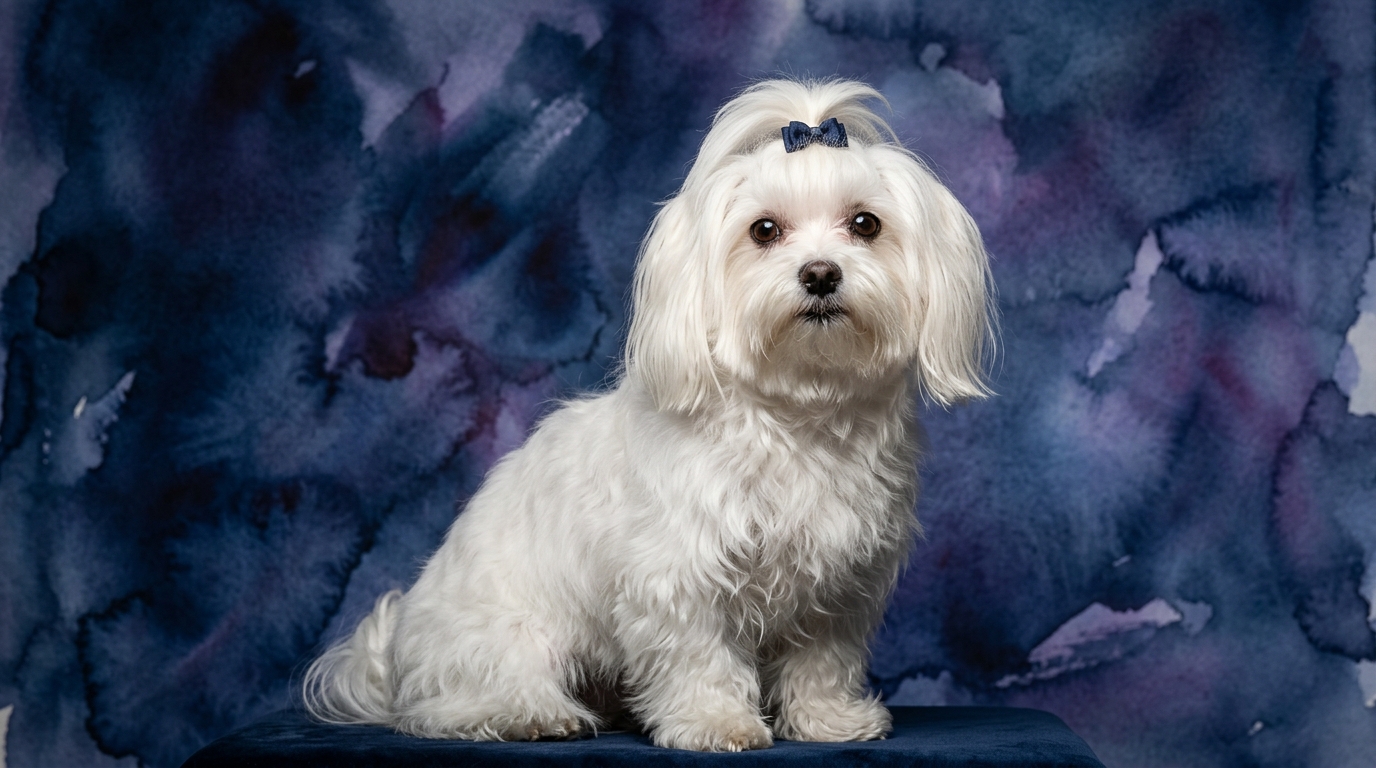
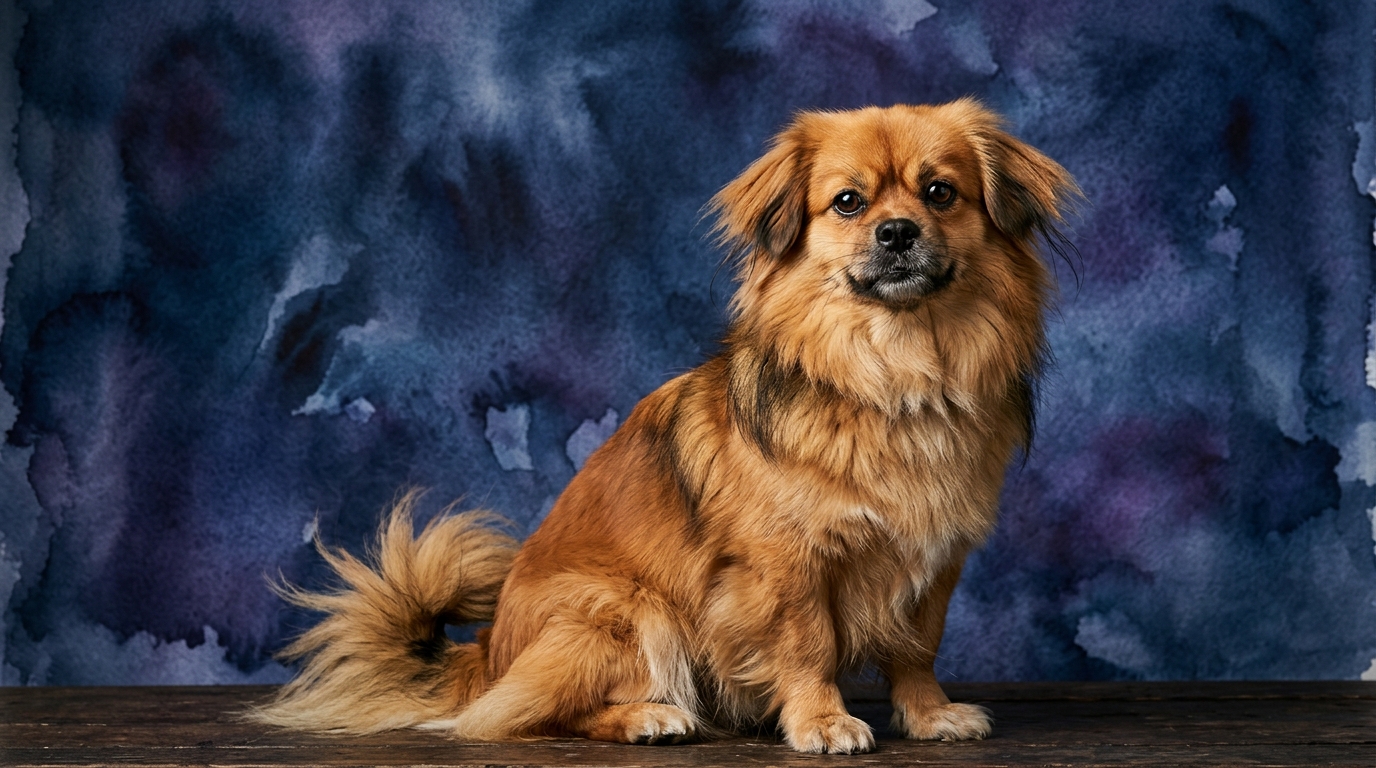
Side-by-Side IQ Profile: Maltese vs. Tibetan Spaniel
The Cosmic Pet Pet IQ Lab's framework evaluates canine cognition across five crucial dimensions, offering a granular view of each breed's intellectual landscape. The Maltese, a Toy group dog, exhibits a balanced problem-solving ability rated at 3/5, suggesting they can navigate common household challenges and learn new tasks with moderate efficiency. Their training speed also sits at 3/5, indicating a reasonable pace for acquiring new commands. Where the Maltese truly shines is in social intelligence, scoring an exceptional 5/5, reflecting their profound attunement to human emotions and social cues. Their instinctive drive is lower at 2/5, meaning they are less driven by primal urges like hunting or territorial guarding, and their memory is a solid 3/5.
In contrast, the Tibetan Spaniel, a Non-Sporting group dog not currently ranked by Coren, presents a slightly different cognitive blend. They share the Maltese's 3/5 rating for problem-solving and training speed, suggesting similar baseline capacities for learning and adapting to new situations. However, their social intelligence is rated at 3/5, indicating a more independent, perhaps less overtly people-focused interaction style compared to the Maltese. Their instinctive drive registers at 3/5, a point higher than the Maltese, implying a greater innate awareness of their surroundings and a more pronounced self-preservation instinct. Like the Maltese, their memory is also rated at 3/5, allowing them to retain learned information effectively.
Where the Maltese Wins Cognitively
The Maltese's undeniable cognitive strength lies in their extraordinary social intelligence, scoring a perfect 5 out of 5. This isn't merely about enjoying human company; it signifies an exceptional capacity to read and respond to human emotions, intentions, and subtle non-verbal cues. A Maltese will often anticipate your mood, offering comfort when you're down or engaging in playful antics when you're cheerful, demonstrating a profound empathetic connection. This high social aptitude makes them incredibly perceptive companions, often seeming to understand unspoken commands or desires, fostering a deeply harmonious household environment.
This superior social intelligence also translates into a unique ability to adapt their behavior to suit different social contexts. They are adept at charming visitors, comforting children, and interacting appropriately within various family dynamics. Their cognitive processing is heavily geared towards understanding and integrating into the human social structure, making them highly responsive to praise and human feedback. This isn't just a personality trait; it's a fundamental aspect of their cognitive architecture, making them masters of social navigation and emotional resonance within a human family.
Where the Tibetan Spaniel Wins Cognitively
While the Maltese excels in social nuance, the Tibetan Spaniel's cognitive edge can be found in their more pronounced instinctive drive, rated at 3/5 compared to the Maltese's 2/5. This higher drive suggests a greater innate awareness of their environment and a more independent, self-preservation-oriented mindset. Bred as watchdogs in Tibetan monasteries, their cognitive faculties are attuned to observation and alerting, rather than solely focusing on human interaction. This manifests as a keen sense of their surroundings, often being the first to notice new sounds or changes, and a more self-reliant approach to navigating their world.
The Tibetan Spaniel's moderately higher instinctive drive also contributes to a more balanced cognitive profile where problem-solving isn't always filtered through the lens of human approval. They are more likely to assess a situation and act based on their own judgment, rather than solely relying on human direction. This independence, coupled with their 3/5 problem-solving ability, makes them capable of figuring things out on their own terms, whether it's finding a comfortable sunbeam or strategizing how to reach a favorite toy. Their cognitive processing includes a stronger element of self-directed exploration and environmental interaction.
Which is Easier to Train and Why?
Both the Maltese and the Tibetan Spaniel share a 3/5 rating for training speed, suggesting they learn new commands at a similar pace. However, the *experience* of training them can differ significantly due to their other cognitive strengths. The Maltese, with their exceptional 5/5 social intelligence, often appears easier to train for obedience tasks because of their intense desire to please and connect with their human companions. They are highly motivated by praise and positive reinforcement, making them eager participants in training sessions. Their cognitive wiring makes them highly receptive to human cues and approval, which can accelerate the adoption of basic commands and tricks, as they actively seek to understand and comply.
Conversely, the Tibetan Spaniel's 3/5 social intelligence and 3/5 instinctive drive can make them appear more independent during training. While they are capable of learning at the same speed, their motivation might stem less from a desperate need for human approval and more from a desire to understand the task or achieve a perceived benefit. They might require more patience, creativity in motivation, and a consistent, firm yet gentle approach. Their cognitive independence means they may occasionally 'think for themselves' rather than immediately complying, requiring an owner to be more engaging and persuasive in their training methods, appealing to their inherent curiosity and self-reliance rather than just their desire to please.
Which Suits Active Owners vs. Relaxed Owners?
For owners seeking a constant, emotionally attuned companion, the Maltese is often an ideal fit. Their 5/5 social intelligence means they thrive on close interaction and can become deeply integrated into the daily rhythm of their human's life. They are generally adaptable to various activity levels, but their cognitive need for companionship means they do best with owners who are present and enjoy a close bond, whether that involves quiet evenings on the couch or short, engaging walks. They are cognitively wired to be partners in every sense, making them suitable for relaxed owners who prioritize emotional connection and consistent presence, but also for active owners who want a small, portable companion for their adventures.
The Tibetan Spaniel, with its 3/5 social intelligence and 3/5 instinctive drive, offers a different dynamic. They are affectionate and loyal but often possess a more independent streak, content to observe from a distance or engage in self-directed play. This makes them well-suited for owners who appreciate a companion that is loving but also self-possessed. While they enjoy activity, their moderate energy levels and independent nature mean they can thrive with both relaxed owners who enjoy their quiet companionship and active owners who appreciate a dog that can keep pace but also entertain itself. They are less prone to separation anxiety due to their cognitive independence, making them a good choice for owners who may have varying schedules but still want a connected companion.
The Verdict
Choose the Maltese if you prioritize an exceptionally socially attuned companion who thrives on deep emotional connection and is highly responsive to your presence and mood.
Opt for the Tibetan Spaniel if you appreciate a charming, moderately independent companion with a keen awareness of its surroundings, offering a blend of affection and self-reliance.
🧠 Find Your Pet's IQ Score
Our Pet IQ Lab assessment covers 25+ tests across 5 cognitive dimensions — personalized to your breed.
Take the Full IQ Test →Frequently Asked Questions
Does a Maltese's high social intelligence make them prone to separation anxiety?
A Maltese's 5/5 social intelligence means they form very strong bonds and deeply value human companionship. This intense attachment can indeed make them more susceptible to separation anxiety if not properly managed with training and gradual exposure to solitude from an early age, as their cognitive framework prioritizes proximity to their human.
Is the Tibetan Spaniel's 3/5 instinctive drive related to being a good watchdog?
Yes, the Tibetan Spaniel's 3/5 instinctive drive, coupled with their historical role as watchdogs in monasteries, means they possess a natural alertness and awareness of their surroundings. Their cognitive focus on observation and alerting makes them excellent at noticing changes and signaling potential intruders, without being overly aggressive.
Given both breeds have 3/5 problem-solving, are they equally adept at complex tasks?
While both breeds share a 3/5 rating for problem-solving, their approach might differ. The Maltese might solve problems with more frequent glances to their human for guidance due to their social intelligence, while the Tibetan Spaniel might approach tasks more independently, relying on their own assessment and instinctive drive. Both can learn, but their cognitive motivation and method may vary.