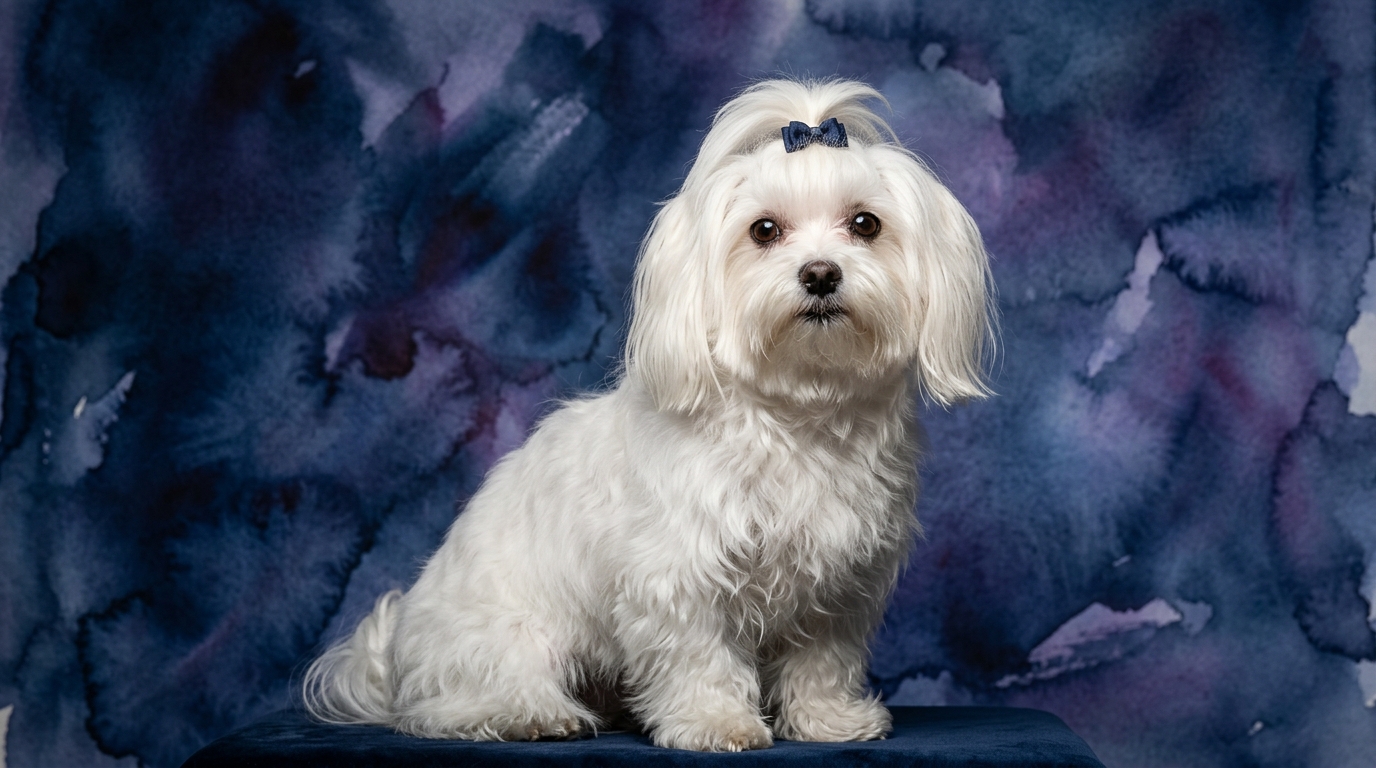
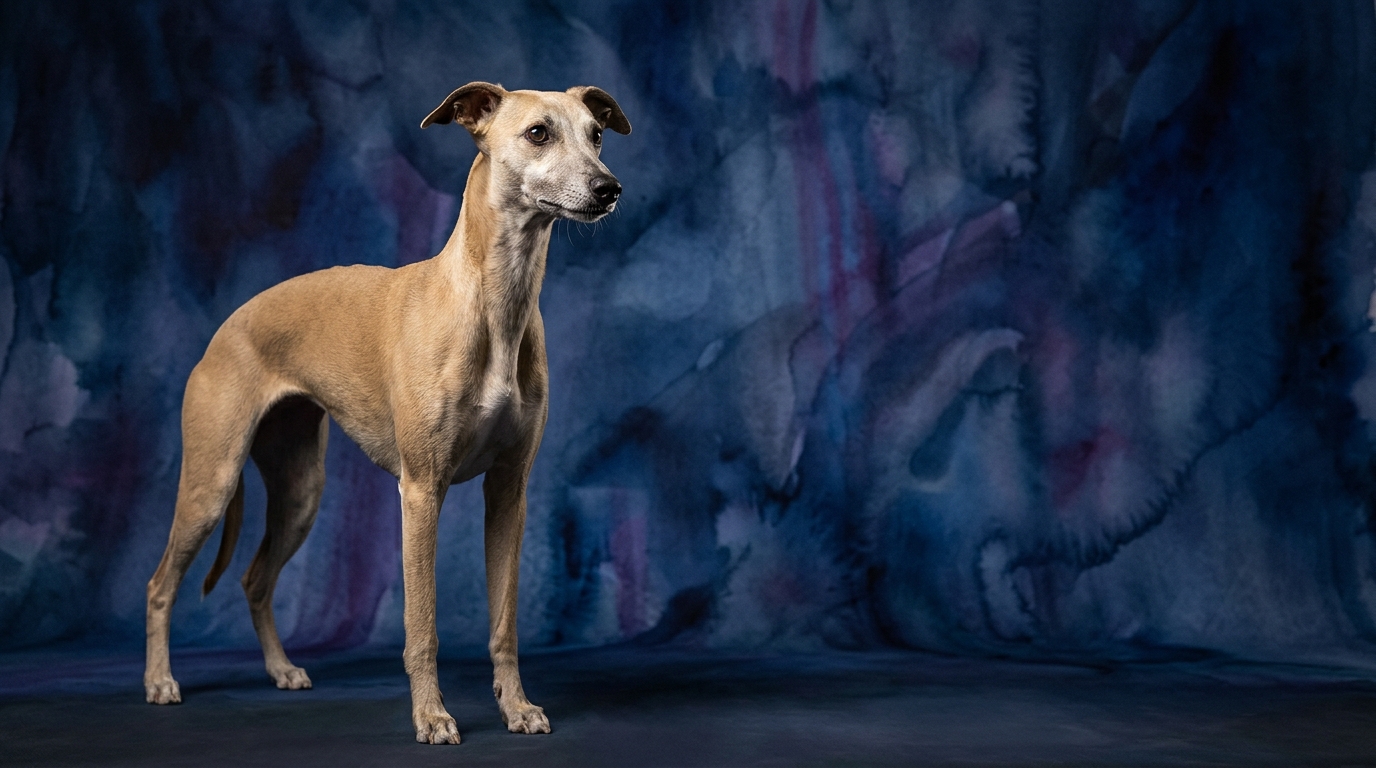
Side-by-Side Cognitive Profile: Maltese vs. Whippet
The Cosmic Pet Pet IQ Lab provides a fascinating framework for understanding canine cognition, breaking down intelligence into five key dimensions. For the Maltese, a Toy breed with a Coren rank of #59, we observe a distinct cognitive blueprint. Their Problem Solving ability rates at 3/5, indicating an average capacity to navigate novel situations or figure out puzzles. Training Speed is also 3/5, suggesting they respond adequately to consistent instruction but aren't lightning-fast learners. Where the Maltese truly shines is in Social Intelligence, scoring a perfect 5/5; they are exceptionally attuned to human emotions and social cues. Their Instinctive Drive, however, is low at 2/5, meaning they possess minimal inherent urges for activities like chasing or guarding. Memory for the Maltese is a solid 3/5, allowing them to retain routines and commands effectively.
In contrast, the Whippet, a Hound breed with a slightly higher Coren rank of #51, presents a different set of cognitive strengths. Like the Maltese, their Problem Solving score is 3/5, denoting a similar average aptitude for independent thought in challenging scenarios. Their Training Speed is notably lower at 2/5, implying that they may require more repetition and patience during training sessions compared to many breeds. Social Intelligence for the Whippet is a commendable 4/5, showing they are quite responsive and connected to their human companions, though perhaps not with the overt people-pleasing nature of a Maltese. The Whippet’s defining cognitive trait is its Instinctive Drive, which scores a robust 5/5; this breed possesses a profound, innate urge to chase, run, and explore. Their Memory, like the Maltese, is rated at 3/5, enabling them to remember learned behaviors and environments.
Where the Maltese Demonstrates Cognitive Strengths
The Maltese's primary cognitive advantage lies squarely in their exceptional Social Intelligence, scoring a perfect 5/5. This isn't merely about being 'friendly'; it's a deep-seated ability to interpret human body language, tone of voice, and emotional states with remarkable accuracy. A Maltese can often anticipate an owner's mood or desires, offering comfort or seeking attention at precisely the right moment. This high social acumen makes them incredibly responsive to their family's dynamics and allows them to integrate seamlessly into a household as emotionally intelligent companions. Their lower Instinctive Drive (2/5) further enhances this, as they are less likely to be distracted by external stimuli like scents or moving objects, preferring instead to focus their attention and cognitive resources on their human interactions. This strong social connection means they often excel in roles requiring close companionship and emotional support, intuitively understanding and reacting to their human counterparts.
Furthermore, while their Problem Solving and Training Speed are average (3/5), their high social intelligence can often make them appear more amenable to learning. They are motivated by human approval and connection, which can act as a powerful catalyst for engagement during training, even if the raw 'speed' of acquisition isn't top-tier. Their cognitive efforts are largely directed towards understanding and participating in their human family's world, making them adept at adapting to household routines and subtle social cues rather than excelling in independent tasks or complex problem-solving scenarios outside of their social sphere.
Where the Whippet Demonstrates Cognitive Strengths
The Whippet's cognitive prowess is overwhelmingly centered on their exceptional Instinctive Drive, scoring a perfect 5/5. This isn't just a physical trait; it underpins a profound cognitive orientation towards their environment. Their minds are wired for observation, pursuit, and spatial awareness, constantly assessing their surroundings for potential movement or opportunities for a chase. This strong drive translates into an innate ability to process visual stimuli rapidly and execute swift, coordinated movements, essential for a sighthound. While their Problem Solving is 3/5, this drive often manifests as a different kind of 'problem-solving' – efficiently navigating complex terrains during a run or strategizing the best line of pursuit for a perceived target.
Their slightly higher Coren rank of #51 compared to the Maltese's #59 also hints at a subtle, but distinct, difference in their overall working intelligence, even if their Training Speed is lower. This may reflect their ability to perform specific tasks related to their sighthound heritage, such as coursing or lure chasing, which demand intense focus, spatial reasoning, and rapid decision-making in dynamic environments. The Whippet's cognitive strengths are therefore more outwardly directed and physically integrated, thriving in contexts that allow them to engage their powerful instincts and make independent, quick judgments based on their keen senses and athleticism.
Training Dynamics: Maltese vs. Whippet
When considering ease of training, the Maltese (Training Speed 3/5, Social Intelligence 5/5) generally presents a more straightforward experience than the Whippet (Training Speed 2/5, Social Intelligence 4/5, Instinctive Drive 5/5). The Maltese's higher social intelligence means they are often eager to please and highly motivated by human attention and praise. They are attentive to their handler's cues and derive satisfaction from successful communication, making them receptive to consistent, positive reinforcement methods. Their lower instinctive drive also means fewer internal distractions; a Maltese is less likely to be sidetracked by a sudden scent or a squirrel darting across the yard when they are engaged in a training session.
The Whippet, conversely, can pose more training challenges due to its lower Training Speed and exceptionally high Instinctive Drive. While they are socially intelligent (4/5), their powerful urge to chase can override learned commands, especially in stimulating environments. A Whippet might understand 'stay' perfectly indoors, but the sight of a rabbit outdoors can trigger an instinctual response that momentarily eclipses their training. This means training a Whippet requires immense patience, creativity to make sessions highly engaging, and a profound understanding of their sighthound nature. Consistency is paramount, but so is managing their environment to minimize triggers for their powerful prey drive, making their training a more nuanced and long-term commitment.
Lifestyle Suitability: Active vs. Relaxed Owners
The distinct cognitive profiles of the Maltese and Whippet directly influence their suitability for different owner lifestyles. A Maltese, with its exceptional Social Intelligence (5/5) and low Instinctive Drive (2/5), is an ideal companion for relaxed owners or those seeking a devoted indoor pet. Their cognitive focus is on human interaction and comfort, making them content with moderate indoor play and short, leisurely walks. They thrive in environments where they can be close to their family, offering emotional support and receiving ample affection. Their adaptability to apartment living and quiet routines, coupled with their strong desire for companionship, makes them perfect for individuals or families who prioritize a calm, emotionally responsive presence.
The Whippet, with its powerful Instinctive Drive (5/5) and average Problem Solving (3/5), is better suited for active owners who can provide outlets for its inherent need to run and explore. While they are calm indoors, their cognitive and physical well-being relies on regular opportunities to sprint in a securely fenced area. Owners who enjoy activities like jogging, lure coursing, or simply letting their dog stretch its legs in a safe environment will find a Whippet a fulfilling partner. Their drive-oriented cognition means they are constantly assessing their surroundings for movement, making them curious and engaged with the outdoor world, requiring an owner who appreciates and facilitates this adventurous spirit.
The Verdict: When to Choose Each Companion
The Verdict
Choose a Maltese if you prioritize an emotionally astute, highly social companion who thrives on close human connection and a calmer, indoor-centric lifestyle.
Opt for a Whippet if you lead an active life, appreciate a dog with a powerful instinctual drive, and can provide ample opportunities for exhilarating bursts of speed and outdoor exploration.
🧠 Find Your Pet's IQ Score
Our Pet IQ Lab assessment covers 25+ tests across 5 cognitive dimensions — personalized to your breed.
Take the Full IQ Test →Frequently Asked Questions
Are Maltese dogs good for first-time owners?
Yes, Maltese dogs are often considered suitable for first-time owners due to their high social intelligence and eagerness to please, making them relatively easy to integrate into a new home. Their manageable size and lower exercise needs also contribute to their appeal for novice pet parents.
Do Whippets need a lot of exercise?
Whippets possess a high instinctive drive for running and require regular bursts of intense exercise, such as sprinting in a securely fenced yard, to satisfy their sighthound nature. While they are calm indoors, daily opportunities for high-speed activity are essential for their physical and mental well-being.
Which breed is better with children?
Both breeds can be good with children, but their interactions differ. Maltese, with their high social intelligence, are generally gentle and attentive, though their small size means careful supervision is needed with very young children. Whippets are typically patient and tolerant, enjoying play but also appreciating quiet time, and their robust nature can handle more energetic interactions with older, respectful children.