Side-by-side IQ profile
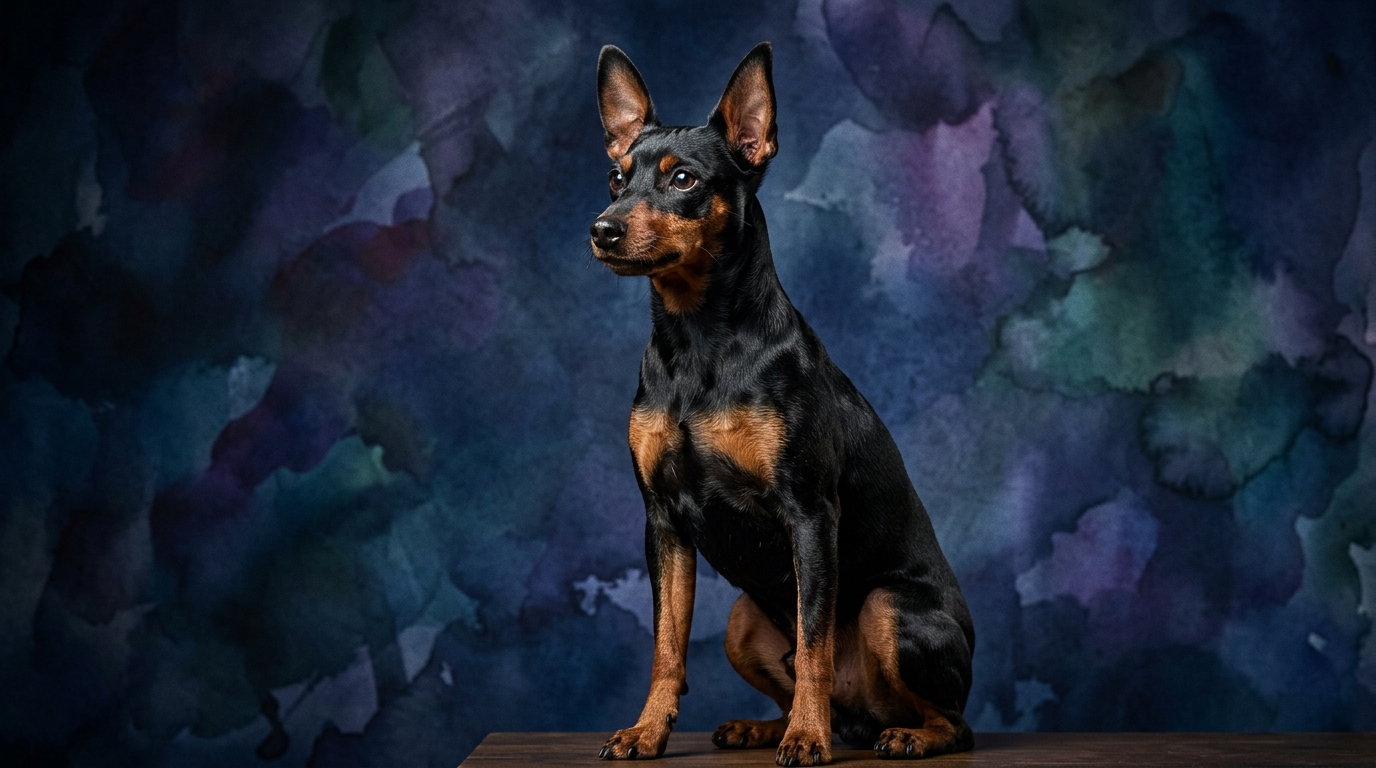
The Miniature Pinscher, a spirited member of the Toy group, demonstrates a practical intelligence geared towards navigating its environment with vigor. Their Problem Solving at 3/5 means they are adept at figuring out immediate challenges, like finding a dropped treat under furniture or devising ways to get attention, often driven by an innate curiosity and resourcefulness rather than complex abstract thought. Training Speed, also 3/5, indicates they grasp commands at a moderate pace; they are certainly capable of learning, but their independent, energetic temperament often requires engaging, consistent methods to maintain focus and compliance. Social Intelligence at 3/5 highlights their capacity to understand human cues and establish their place within a family unit, often exhibiting a strong, protective bond with their chosen people, demonstrating an awareness of their social role and boundaries. Their Instinctive Drive, a solid 3/5, is largely characterized by a strong prey drive, stemming from their ratter heritage, and a keen territorial instinct, making them alert and vocal guardians. Finally, their Memory, rated 3/5, allows them to retain learned commands, routines, and the identities of familiar individuals and places, though perhaps not with the exhaustive detail of breeds excelling in sequential tasks.
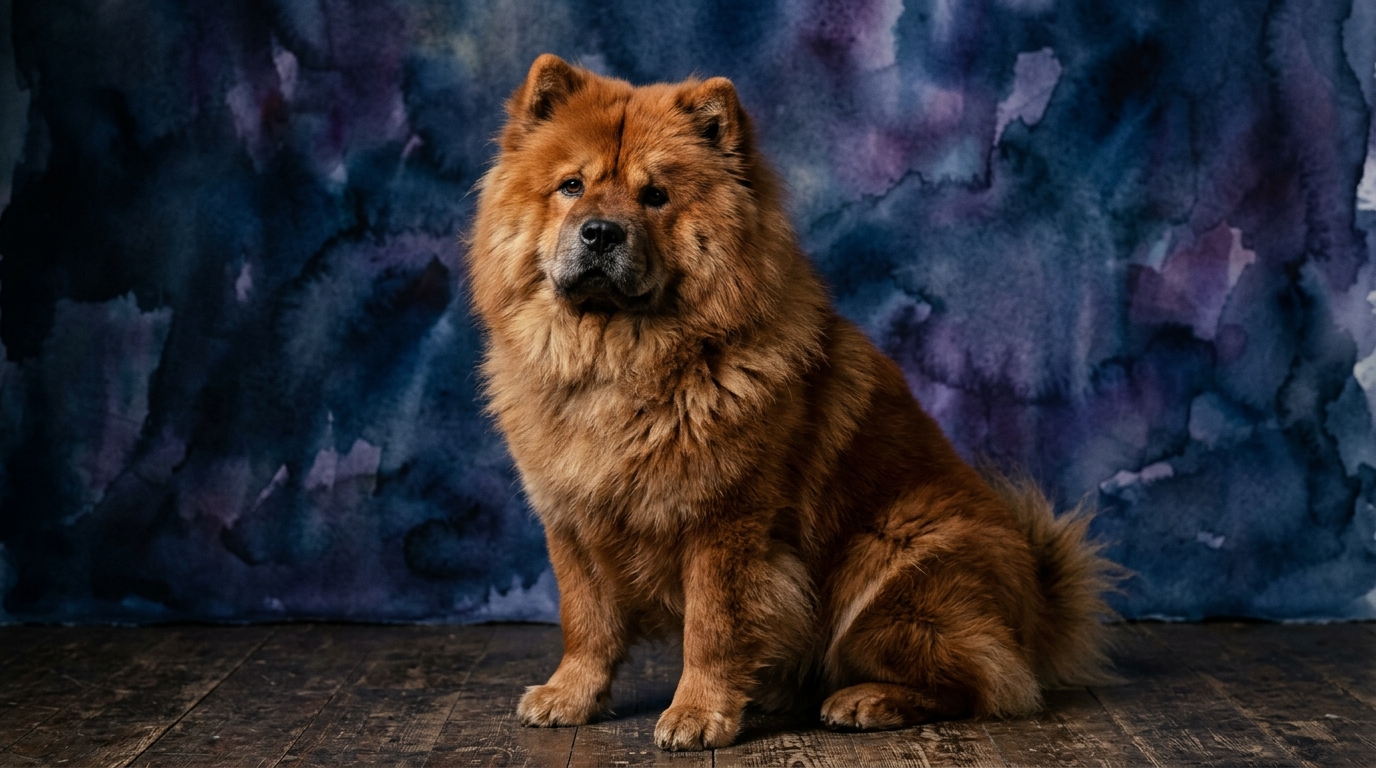
In contrast, the Chow Chow, a dignified Non-Sporting breed, approaches cognition with a different cadence, despite sharing the same numerical scores. Their Problem Solving at 3/5 is often more methodical and deliberate; a Chow Chow might take time to assess a situation, preferring a well-considered solution over a spontaneous one, especially if the outcome benefits their comfort or maintains their routine. Training Speed, also 3/5, reflects their ability to learn, but it’s heavily influenced by their renowned independence; they require immense patience and positive reinforcement, often learning at their own pace and for their own perceived benefit rather than a strong desire to please, yet once a command is mastered, it’s typically retained with remarkable consistency. Social Intelligence, 3/5, manifests as a discerning understanding of social boundaries and a reserved demeanor with strangers, forming deep, loyal bonds with their inner circle while maintaining a dignified aloofness with others, keenly aware of their family's dynamics without being overtly gregarious. Their Instinctive Drive, a robust 3/5, is predominantly expressed through powerful guarding instincts, making them naturally protective of their territory and family, influencing their cautious and watchful nature. Their Memory, also 3/5, is particularly strong for routines, trusted individuals, and past experiences, contributing significantly to their consistent behavior and their capacity for developing deep, enduring bonds, but also potentially leading to long-held associations with negative encounters if not managed carefully.
Where Miniature Pinscher wins cognitively
The Miniature Pinscher’s cognitive strengths shine in areas demanding quick adaptation, spirited engagement, and an almost audacious curiosity. Their 3/5 in Problem Solving, combined with their energetic disposition, often translates into a faster assessment of novel situations; they are more likely to quickly experiment with solutions to new puzzles or challenges, especially those involving agility or navigating their environment. This breed excels at rapidly processing changes in their immediate surroundings and reacting with a burst of focused energy, whether it’s to investigate an unusual sound or to find a new vantage point. Their social intelligence, while rated 3/5, often manifests as a more overt readiness to engage in interactive play and training sessions, making them quicker to pick up on enthusiastic cues from their owners, thriving on dynamic mental stimulation.
Where Chow Chow wins cognitively
The Chow Chow’s cognitive edge lies in its methodical approach, profound retention of established routines, and a deeply discerning social awareness. Their 3/5 in Problem Solving, though not quick, is often characterized by thoroughness; they excel at finding efficient, consistent solutions to recurring tasks, preferring established methods over spontaneous experimentation. This breed demonstrates a superior capacity for understanding and adhering to complex daily schedules, leveraging their strong 3/5 Memory to anticipate events and maintain a predictable environment. Their social intelligence, also 3/5, is uniquely refined; they possess an acute understanding of subtle social cues within their family unit and an unwavering loyalty, rooted in a robust social memory that distinguishes trusted individuals from strangers with remarkable precision. This depth of understanding, while not outwardly demonstrative, underpins their steadfast guardianship and consistent behavior.
Which is easier to train and why
When considering ease of training, the Miniature Pinscher generally presents fewer initial hurdles than the Chow Chow, though each breed offers its own set of challenges. The Min Pin's 3/5 Training Speed is often boosted by their inherent enthusiasm and potential for food or toy motivation, allowing them to grasp basic commands relatively quickly. Their eagerness to participate and their desire for interaction can make early training sessions feel more rewarding for both dog and owner. However, their independent streak and high distractibility mean that maintaining consistency and focus requires ongoing effort, and their high energy demands engaging, varied training to prevent boredom. In contrast, the Chow Chow's 3/5 Training Speed is heavily influenced by their independent, often described as 'cat-like,' nature. They are perfectly capable of learning, but their motivation is internal; they learn for themselves, not primarily to please their owner. This means training requires exceptional patience, consistent positive reinforcement, and a deep understanding of their individual motivations. While they may take longer to accept a new command, once learned, it is typically deeply ingrained due to their robust memory, making them incredibly reliable in established routines. Therefore, the Min Pin is often easier to start training due to their more outwardly cooperative nature, while the Chow Chow demands a more nuanced, persistent approach, with rewards manifesting in long-term reliability rather than immediate eagerness.
Which suits active owners vs relaxed owners
The choice between a Miniature Pinscher and a Chow Chow also significantly depends on an owner's lifestyle and energy levels. The Miniature Pinscher, with its energetic 3/5 Instinctive Drive and curious 3/5 Problem Solving, thrives with active owners who can provide ample mental and physical stimulation. They are ideal companions for those who enjoy structured play, regular walks, and involving their dog in daily activities, perhaps even dog sports like agility or obedience. Their alertness and lively temperament mean they are not content to be mere lapdogs; they need outlets for their intelligence and energy to prevent boredom and destructive behaviors, adapting readily to new experiences with their quick wit. Conversely, the Chow Chow is better suited for more relaxed owners, though 'relaxed' should not be mistaken for 'passive.' While they appreciate a calmer, predictable environment and do not require the same intensity of physical exercise as a Min Pin, they still need regular, moderate walks to maintain health. Their independent 3/5 Social Intelligence and methodical 3/5 Problem Solving mean they are content with quiet companionship but require owners who understand and respect their boundaries. They benefit from mental stimulation that reinforces their routines and challenges their discerning nature in controlled ways, rather than constant high-energy interaction. Owners must be prepared to offer consistent, patient guidance and appreciate a dignified presence, rather than expecting an overtly demonstrative companion.
The Verdict
Choose the Miniature Pinscher if you seek an energetic, curious companion who thrives on interactive training, enjoys being an active participant in family life, and brings a lively, adaptable spirit to your home.
Opt for the Chow Chow if you value a dignified, independent companion, appreciate a calm and predictable routine, and are prepared to build a deep, respectful bond through consistent, patient guidance.
🧠 Find Your Pet's IQ Score
Our Pet IQ Lab assessment covers 25+ tests across 5 cognitive dimensions — personalized to your breed.
Take the Full IQ Test →Frequently Asked Questions
Do Miniature Pinschers really think they're big dogs?
Yes, their assertive nature and confident demeanor, often described as "King of Toys," reflect a self-assured social intelligence that makes them unafraid to challenge perceived threats, regardless of their diminutive size.
Are Chow Chows truly difficult to train?
While their independent spirit and lower desire to please can make training more demanding, their consistent 3/5 training speed indicates they are capable learners; success hinges on patient, positive reinforcement and understanding their intrinsic motivations rather than expecting eager compliance.
How do their similar IQ scores translate to different daily behaviors?
Despite identical scores across categories, the Miniature Pinscher's intelligence often manifests as quick adaptability, spirited engagement, and playful curiosity, while the Chow Chow's appears as methodical problem-solving, deep routine adherence, and discerning, reserved social interactions.