Side-by-Side IQ Profile: Unpacking the 3/5 Scores
The Cosmic Pet Pet IQ Lab evaluates canine cognition across five distinct dimensions: Problem Solving, Training Speed, Social Intelligence, Instinctive Drive, and Memory. Intriguingly, both the Miniature Pinscher and the Lhasa Apso score a consistent 3 out of 5 across all these metrics. This identical scoring suggests neither breed is a cognitive outlier in these specific measurements, but rather possesses a moderate, functional level across the board, capable of learning and adapting.
However, understanding these scores requires looking beyond the numbers to the breeds' unique histories. It's also worth noting that the Lhasa Apso holds a #68 rank in Stanley Coren's 'The Intelligence of Dogs,' which primarily assesses 'working intelligence' – obedience and problem-solving in a structured context. The Miniature Pinscher is not Coren-ranked. The Cosmic Pet Lab's broader dimensions offer a more holistic view of canine intellect, encompassing more than just obedience.
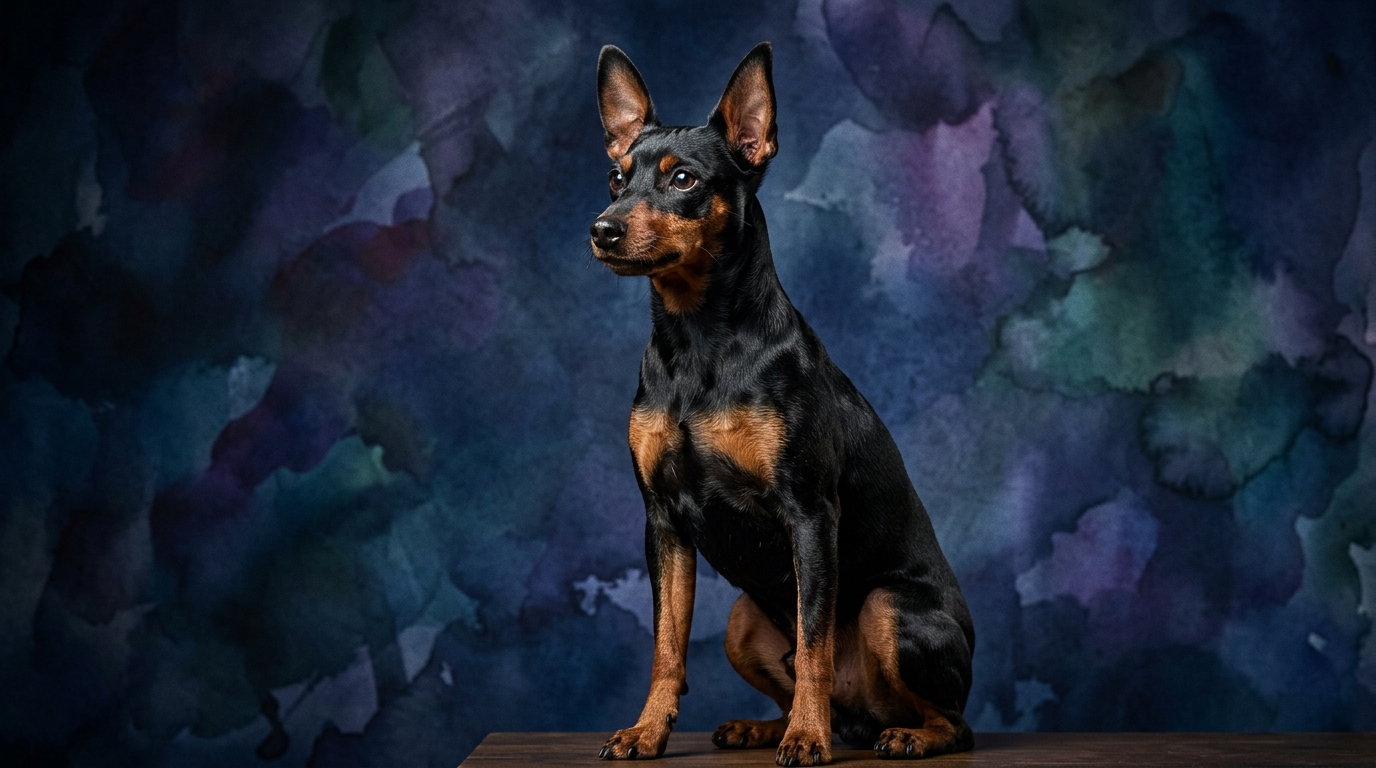
For the Miniature Pinscher, a 3/5 across the board points to a moderate capacity for learning and adapting, often applied with a confident, assertive flair. Their Instinctive Drive at 3/5 reflects their historical role as ratters, indicating a moderate prey drive and an independent, investigative spirit. Their Social Intelligence at 3/5 suggests they can understand human cues but might prioritize their own agenda or communicate their desires quite directly.
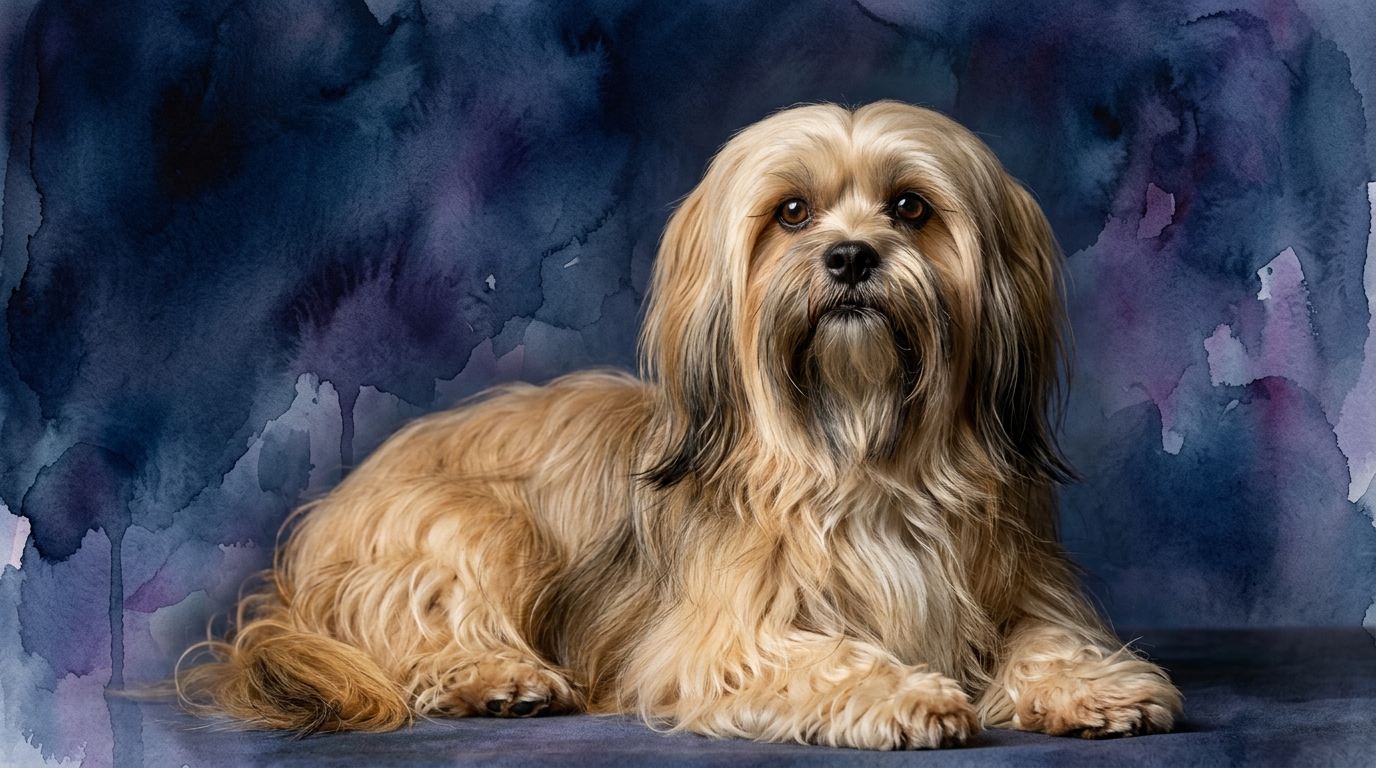
The Lhasa Apso, also scoring 3/5 in all dimensions, manifests this moderate capacity differently due to their ancient guardian heritage. Their Problem Solving at 3/5 would be applied to assessing their environment and potential threats, while Training Speed at 3/5 means they are capable learners but might require patience due to their discerning, independent streak. Social Intelligence at 3/5 indicates they are observant but may not be overtly eager to please. Their Instinctive Drive at 3/5 is deeply rooted in their sentinel role, making them alert and territorial, with a strong sense of their surroundings.
Where the Miniature Pinscher Wins Cognitively
Despite identical scores, the Miniature Pinscher's specific cognitive strengths often shine through their inherent zest for life and assertive curiosity. Their Problem Solving (3/5) is frequently geared towards finding loopholes or creative ways to achieve their desires, reflecting a clever, independent spirit. This might make them appear more resourceful in navigating household rules or boundaries, often testing the limits with a mischievous glint.
The Min Pin's Instinctive Drive (3/5) translates into a more proactive, inquisitive exploration of their environment. They possess a terrier-like curiosity and a desire to investigate, which can make them seem quicker to engage with new puzzles or challenges. This active engagement with their surroundings fuels their observational learning, as they constantly process and react to new stimuli. Their Social Intelligence (3/5) is often paired with a more direct, sometimes assertive communication style, making their intentions clearer to an attentive owner, potentially streamlining certain interactions.
Where the Lhasa Apso Wins Cognitively
The Lhasa Apso’s cognitive strengths are deeply intertwined with their historical role as watchful temple guardians. Their Instinctive Drive (3/5) manifests as acute observational skills and a keen sense of their surroundings, making them exceptional at noticing subtle changes or intruders. This inherent vigilance contributes to their moderate Memory (3/5), as they are adept at remembering who belongs and who doesn't, maintaining a mental roster of their accepted family and territory.
Their Social Intelligence (3/5) is characterized by a discerning nature; they are excellent at assessing strangers and understanding their place within the family hierarchy, even if they aren't outwardly effusive. This allows them to form deep, loyal bonds with their chosen few, demonstrating a nuanced understanding of social belonging and loyalty. Their Problem Solving (3/5) often involves strategic assessment of situations, particularly those related to territory or safety, rather than impulsive action. They might take longer to react but their response is often well-considered from their perspective, aiming for effective deterrence.
Which is Easier to Train and Why
Both breeds score 3/5 in Training Speed, indicating a moderate capacity for learning new commands. However, their distinct temperaments significantly influence the training process. The Miniature Pinscher, with their assertive and independent nature, can be challenging. Their Instinctive Drive (3/5) for chasing small animals means recall can be difficult in distracting environments, and their Problem Solving (3/5) might involve figuring out how to outsmart their trainer if rules aren't consistently applied. They thrive with consistent, firm, positive reinforcement and varied training to prevent boredom, as repetition can lead to disengagement.
The Lhasa Apso’s independent and sometimes stubborn Instinctive Drive (3/5) for guarding means they are not inherently eager to please and require patience and motivation. Their Social Intelligence (3/5) means they understand commands but might choose to obey only if they see a clear benefit or respect the trainer. They excel with positive reinforcement, clear boundaries, and a calm, consistent approach. Consistency is paramount to overcome their discerning nature, and their Coren #68 rank suggests they are capable of obedience but often require more repetitions than breeds ranked higher for working intelligence.
Matching Canine Minds to Owner Lifestyles
Choosing between these breeds also depends heavily on an owner's lifestyle and expectations for canine companionship. The Miniature Pinscher, despite their small size, possesses an Instinctive Drive (3/5) and energetic nature that makes them suitable for active owners. They thrive on regular exercise, mental stimulation, and engagement. Their Problem Solving (3/5) benefits from activities like agility or puzzle toys, challenging their quick minds. Owners who enjoy brisk walks, interactive play, and consistent, engaging training will find a fulfilling partnership with a Min Pin who loves to be involved.
The Lhasa Apso, conversely, with their Instinctive Drive (3/5) for vigilance, appreciates a routine and a secure environment. While they enjoy short walks, they are generally less demanding physically than the Min Pin. They are more suited to relaxed owners who appreciate a calm, watchful companion and are content with indoor activities and moderate outdoor strolls. Their Social Intelligence (3/5) means they bond deeply with their family but might not be outwardly demonstrative with everyone. They thrive with owners who understand and respect their independent and discerning nature, offering quiet companionship rather than constant activity.
The Verdict
Opt for the Miniature Pinscher if you seek a bold, energetic companion eager for engagement and capable of learning with a confident, consistent trainer. They thrive with active owners who enjoy a dog with a spirited personality and a keen, curious mind that enjoys exploring.
Select the Lhasa Apso if you value a discerning, loyal sentinel whose intelligence is expressed through keen observation and an independent, protective nature. They are ideal for owners who appreciate a calmer, watchful companion and are prepared for a patient, consistent training approach.
🧠 Find Your Pet's IQ Score
Our Pet IQ Lab assessment covers 25+ tests across 5 cognitive dimensions — personalized to your breed.
Take the Full IQ Test →Frequently Asked Questions
Do Miniature Pinschers and Lhasa Apsos learn at the same rate?
While both breeds score 3/5 in training speed, their underlying temperaments mean the process of training differs. Miniature Pinschers might pick up commands quickly but test boundaries, whereas Lhasa Apsos learn steadily but require more motivation due to their independent streak.
Which breed is better with strangers or new situations?
Miniature Pinschers, with their bold curiosity, are often more outwardly welcoming or assertive with new people and environments. Lhasa Apsos are typically more reserved and discerning, taking time to assess new individuals or situations due to their guarding instincts.
Do these breeds require a lot of mental stimulation?
Both breeds, scoring 3/5 in problem-solving and memory, benefit from regular mental enrichment to prevent boredom. Miniature Pinschers enjoy interactive toys and varied activities, while Lhasa Apsos appreciate puzzles that engage their observational skills and routine-based challenges.