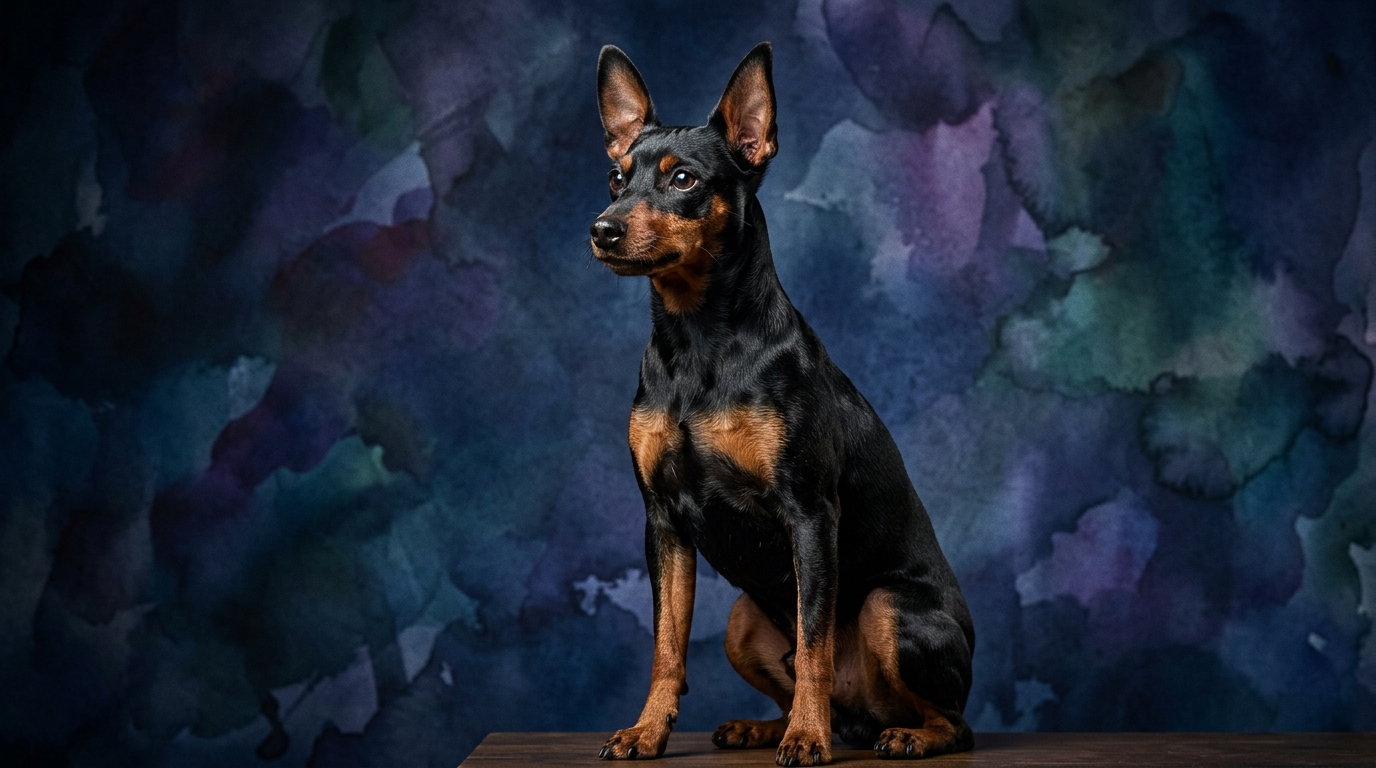
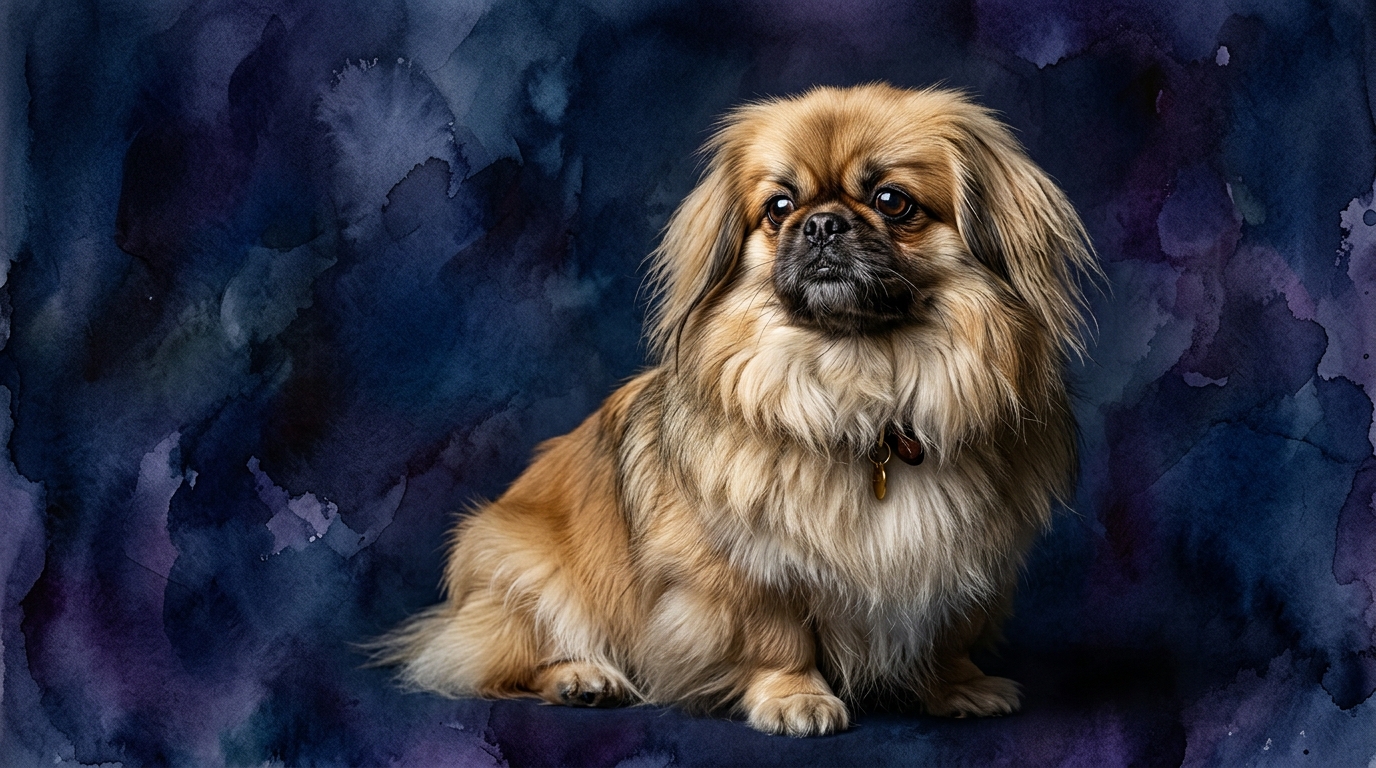
Side-by-Side IQ Profile
The Cosmic Pet Pet IQ Lab assigns both Miniature Pinscher and Pekingese identical scores across five key cognitive dimensions, suggesting a comparable baseline for their processing abilities, yet the interpretation of these scores must consider their individual breed characteristics. For Problem Solving (3/5), the Miniature Pinscher often demonstrates this through active exploration and figuring out how to access desired objects or areas, driven by an inquisitive nature. The Pekingese, conversely, might apply its problem-solving to optimizing comfort, strategically positioning itself for attention, or subtly influencing household routines.
In terms of Training Speed (3/5), the Min Pin can grasp new commands but requires engaging, consistent methods to overcome its independent streak and high energy. The Pekingese learns at a similar pace but often demands a clear personal benefit or gentle persuasion, as its motivation is less about compliance and more about comfort or reward. Their Social Intelligence (3/5) is expressed differently: the Min Pin is alert to its family's mood and environmental shifts, often acting as a vigilant protector, while the Pekingese is adept at reading its preferred human’s emotional state, using charm or aloofness to navigate social interactions.
Instinctive Drive (3/5) is a notable point of divergence; the Miniature Pinscher retains a strong prey drive from its ratting heritage, manifesting in chasing small creatures or intense focus on moving objects. The Pekingese, bred for companionship, exhibits its drives more in establishing territorial boundaries within its home and asserting its preferred status among family members, rather than hunting. Finally, Memory (3/5) for the Min Pin often means recalling routes, hidden treasures, or past experiences that led to excitement or reward. The Pekingese typically exhibits strong memory for household routines, preferred sleeping spots, and the specific individuals who provide the most comfort or treats.
Where Miniature Pinscher Wins Cognitively
The Miniature Pinscher’s cognitive strengths shine particularly in areas demanding active engagement and environmental awareness. Their 3/5 Problem Solving score, combined with their energetic and curious nature, translates into a breed that actively seeks out solutions to perceived challenges, whether it's figuring out how to open a cabinet or navigate a complex backyard to chase a squirrel. This isn't passive contemplation; it's hands-on, often physical, problem-solving.
Their instinctive drive, also rated 3/5, manifests as a keen alertness to their surroundings, making them excellent, albeit vocal, watchdogs. They are quick to process novel stimuli and react, often interpreting new sights or sounds as opportunities for investigation or potential threats. This vigilance, coupled with their memory for past events, allows them to learn from experiences related to their environment and adapt their exploratory behaviors.
Where Pekingese Wins Cognitively
The Pekingese demonstrates a distinct cognitive advantage in areas requiring social finesse and an astute understanding of comfort and routine. While also scoring 3/5 in Social Intelligence, the Pekingese often excels at subtle manipulation, understanding how to elicit desired responses from their human companions through charming glances or quiet persistence. Their problem-solving, though rated 3/5, frequently centers on optimizing personal comfort or finding the easiest path to a desired outcome, rather than physical exertion.
They are masters of routine, remembering specific times for meals, walks, or cuddle sessions with remarkable accuracy, reflecting their 3/5 memory score applied to their domestic world. This breed's Coren rank of #77, while not top-tier, indicates a capacity for understanding and adhering to human expectations within their established social order, suggesting a compliance rooted in their understanding of their role as cherished companions. They possess a quiet dignity that can translate into effective, albeit subtle, command over their household environment and its inhabitants.
Which is Easier to Train and Why
Determining which breed is "easier" to train between the Miniature Pinscher and Pekingese, given their identical 3/5 Training Speed scores, hinges more on owner expectations and training methodology than raw cognitive capacity. The Miniature Pinscher's energetic disposition and inherent independence mean training requires high levels of engagement, consistency, and positive reinforcement to capture and maintain their attention. They are prone to distraction and can quickly become bored with repetitive drills, necessitating varied and stimulating sessions. Their strong instinctive drive, particularly prey drive, means impulse control training is crucial and often more challenging.
In contrast, the Pekingese, with its dignified and sometimes stubborn demeanor, presents a different training challenge. While capable of learning commands, their motivation often stems from personal benefit or a strong bond with their owner, rather than a desire to please or work. Training a Pekingese demands immense patience, gentle persuasion, and a focus on making the process rewarding and low-stress. Their Coren rank of #77 suggests they are capable of fair working obedience, but they are unlikely to perform with the same enthusiasm or precision as more biddable breeds. The Min Pin might learn a trick faster if it's exciting, but the Pekingese might adhere to a household rule more consistently if it aligns with its desire for a predictable, comfortable life.
Which Suits Active Owners vs Relaxed Owners
For owners leading an active lifestyle, the Miniature Pinscher is unequivocally the more suitable companion. Their high energy levels, combined with their curious and alert nature, demand regular physical exercise and mental stimulation. They thrive on activities like brisk walks, agility training, or interactive puzzle toys that challenge their 3/5 problem-solving abilities and satisfy their instinctive drive for exploration. A Min Pin requires an owner who can commit to daily engagement and provide consistent outlets for their boundless enthusiasm.
Conversely, the Pekingese is an ideal match for more relaxed owners who appreciate a calm, dignified companion. While they enjoy short, leisurely strolls and gentle play, their exercise needs are modest, aligning with their preference for comfort and routine. Their 3/5 social intelligence makes them content observing household activities from a cozy spot, and their problem-solving is often applied to finding the warmest sunbeam or the softest lap. They are a breed that cherishes quiet companionship and a predictable home environment over strenuous activity.
The Verdict
Choose the Miniature Pinscher if you are an active individual or family seeking an energetic, curious, and vigilant companion who thrives on engagement, structured training, and consistent mental and physical stimulation.
Opt for the Pekingese if you prefer a calm, dignified, and affectionate companion who values comfort, routine, and a more relaxed pace of life, and you are prepared to offer patient, reward-based training.
🧠 Find Your Pet's IQ Score
Our Pet IQ Lab assessment covers 25+ tests across 5 cognitive dimensions — personalized to your breed.
Take the Full IQ Test →Frequently Asked Questions
Do Miniature Pinschers and Pekingese truly have the same intelligence?
According to The Cosmic Pet Pet IQ Lab, both breeds score 3/5 across all five cognitive dimensions, indicating a comparable baseline. However, their intelligence manifests differently due to their distinct temperaments and historical roles, leading to varied expressions of problem-solving and social understanding.
Is one breed harder to train than the other despite similar training speed scores?
While both have a 3/5 training speed, the approach to training differs. Miniature Pinschers require engaging, consistent methods due to their energy, while Pekingese need patient, reward-based training that appeals to their independent and comfort-loving nature.
How does their social intelligence manifest differently?
The Miniature Pinscher’s 3/5 social intelligence often appears as vigilance and alertness to their environment and family dynamics, sometimes with a protective streak. The Pekingese, with the same 3/5 score, typically uses its social intelligence for nuanced interaction, understanding human moods to secure comfort or attention.