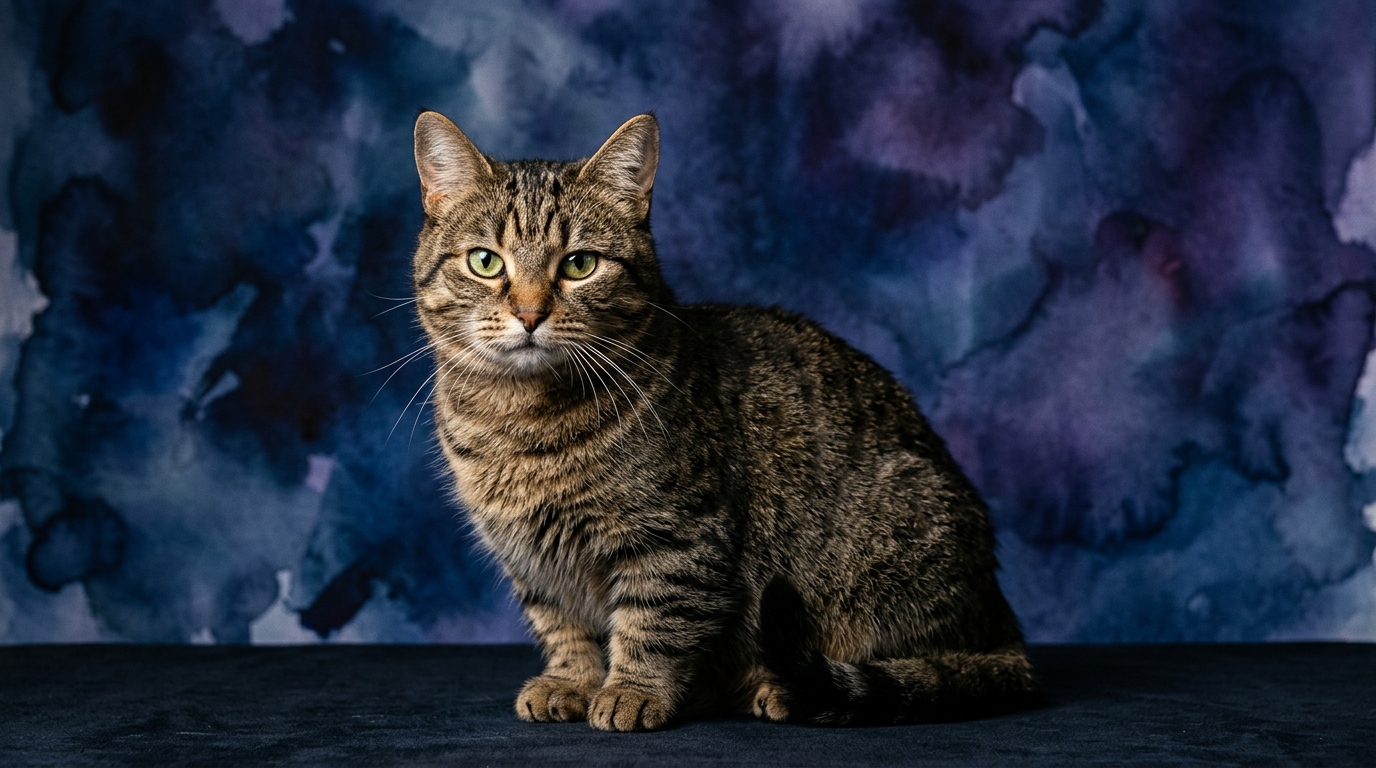
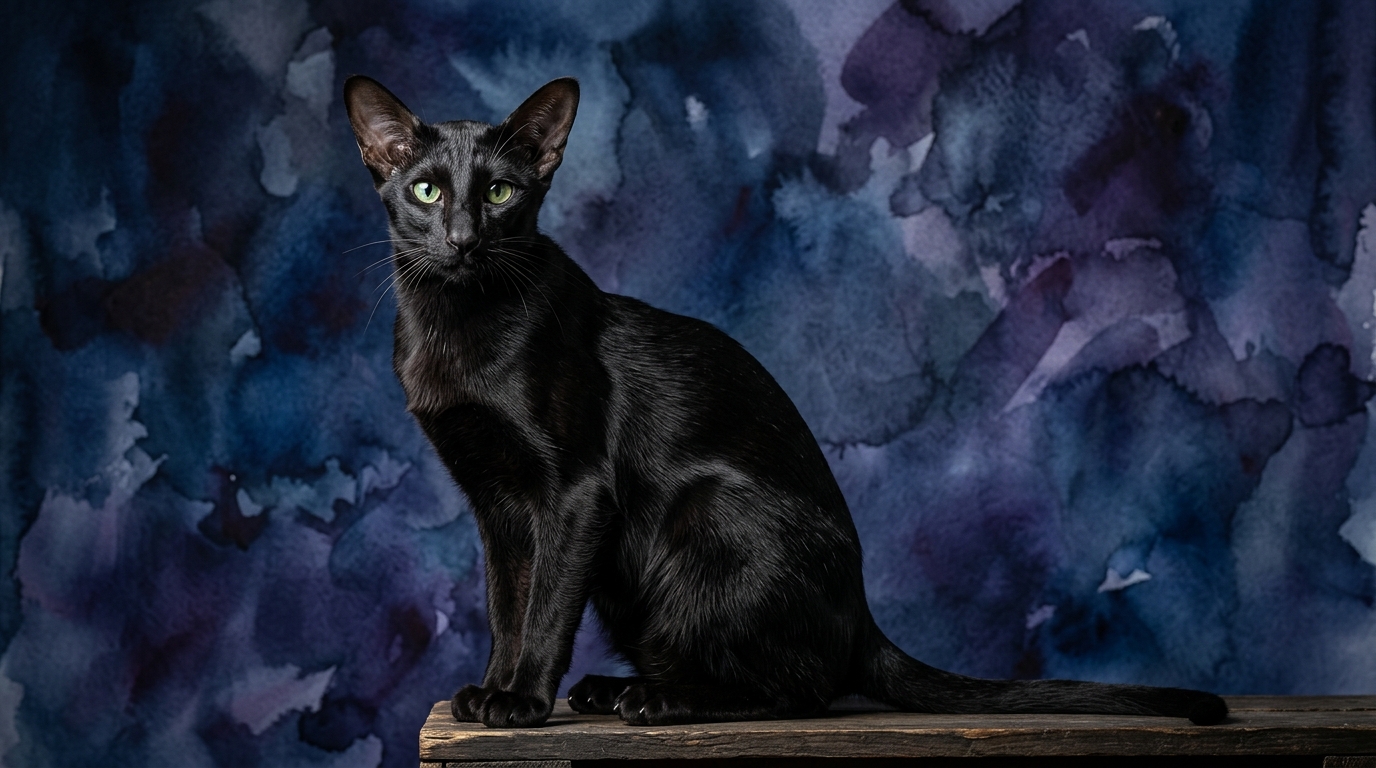
Side-by-Side IQ Profile: Nuances of Identical Scores
**Problem Solving (3/5):** For Munchkins, problem-solving is often a practical, hands-on endeavor, leveraging their unique physical attributes. Their low stature allows them to access tight spaces, diligently batting at hidden toys under furniture or using their agility to navigate complex physical obstacles in pursuit of curiosity. They tend to experiment physically until a solution is found. An Oriental Shorthair, by contrast, might approach problem-solving with more analytical observation and an inclination towards vocal communication. They might try different meows or gestures to prompt human assistance in opening a door or retrieving an out-of-reach item, often assessing the situation before acting, and are known to figure out how to open cabinets or doors through observation.
**Training Speed (3/5):** Munchkins are quite receptive to training, especially when motivated by engaging play or delicious treats. Their inherent curiosity and eagerness to participate in short, fun sessions allow them to pick up basic commands, leash training, and even simple tricks with consistent positive reinforcement. However, their independent streak means that keeping training sessions novel and rewarding is crucial for sustained interest. Oriental Shorthairs, driven by their deep social connection and desire for interaction, often learn remarkably rapidly because they view training as an extension of their bond with their human. Their eagerness to please and vocal nature make them quick studies for complex routines, agility courses, and even responding to nuanced verbal cues.
**Social Intelligence (3/5):** Munchkins display a warm, affectionate social intelligence, forming strong, loyal attachments with their primary caregivers and often enjoying playful interactions with all household members. They are adept at reading human moods, offering comforting purrs or inviting play at opportune moments, yet they also appreciate independent exploration and quiet companionship. Oriental Shorthairs exhibit a highly interactive and expressive form of social intelligence, actively engaging in "conversations" with their owners and demonstrating a profound understanding of routines, emotional states, and social dynamics. They thrive on being central to family activities, often anticipating human needs and participating vocally in household discussions.
**Instinctive Drive (3/5):** The Munchkin's instinctive drive is expressed through enthusiastic pouncing, chasing, and playful stalking, often involving unique acrobatic maneuvers despite their short legs. Their natural curiosity fuels relentless exploration, leading them to investigate every nook and cranny of their environment with a persistent, playful intensity. They are keen hunters of toys and shadows. Oriental Shorthairs possess a robust, energetic prey drive, channeling their boundless energy into vigorous play that simulates hunting, such as chasing laser pointers, feathered wands, or engaging in complex retrieve games. Their athletic build and keen senses make them focused, formidable players with an insatiable investigative nature for new stimuli.
**Memory (3/5):** Munchkins demonstrate a solid memory for routines, favored nap spots, and the precise location of their cherished toys or treat stashes. They can recall the sequence of events that consistently leads to a desired outcome, such as the specific sound of the treat bag being opened or the exact path to their preferred sunny window perch. Oriental Shorthairs show excellent recall for complex routines, individual names of family members and even specific toys, and past events involving their humans. They remember which family member provides specific treats, where toys are stored, and the nuances of human schedules, often reminding their owners of forgotten tasks or established traditions.
Where the Munchkin Wins Cognitively
Despite identical numerical scores, the Munchkin's cognitive strengths lie in their grounded, practical application of intelligence, particularly in environmental navigation and problem-solving that leverages their unique physical form. Their curiosity isn't just a fleeting interest; it's a persistent, tactile drive to understand their immediate surroundings. A Munchkin might excel at figuring out how to retrieve a toy that has rolled under a very low piece of furniture, a task where a taller cat might be stymied.
Their ability to squeeze into tight spaces and their low center of gravity allow for unique exploratory pathways, indicating a specific spatial awareness and problem-solving method tied directly to their anatomy. This isn't just brute force; it's an intelligent adaptation to their physical reality, enabling them to access and master environments that others cannot. They often demonstrate a tenacious, trial-and-error approach to physical puzzles, showing remarkable persistence in achieving a goal within their physical limitations. This unique blend of physical adaptation and persistent curiosity marks a distinct cognitive advantage in specific scenarios.
Where the Oriental Shorthair Wins Cognitively
The Oriental Shorthair's cognitive strengths shine brightest in their highly expressive social intelligence and sophisticated communication skills. While both breeds score 3/5 in social intelligence, the Oriental Shorthair's manifestation is characterized by an exceptional ability to "read the room" and actively engage in complex two-way communication with humans. They don't just understand moods; they respond with a vast vocabulary of meows, chirps, and purrs, often seemingly carrying on conversations or expressing precise desires.
Their problem-solving often involves soliciting human help or guidance through these vocalizations, indicating an advanced understanding of how to leverage social interaction to achieve their goals. This keen attunement to human behavior and their proactive approach to interaction suggest a more collaborative and communicative form of intelligence. They are quick to pick up on subtle cues, anticipate actions, and actively participate in household dynamics, often acting as a "manager" of family activities. Their capacity to integrate themselves so deeply into human social structures, often through verbal negotiation, is a distinct cognitive advantage.
Which Is Easier to Train and Why
Both the Munchkin and the Oriental Shorthair possess a training speed score of 3/5, indicating they are capable learners. However, the *approach* and *motivation* for training differ significantly, impacting the perceived ease. The Oriental Shorthair is often considered easier to train due to their profound desire for social interaction and a deep bond with their human. They view training sessions not just as a means to an end but as quality time spent engaging with their beloved owner. This intrinsic motivation, coupled with their eagerness to please and vocal nature, makes them highly responsive to praise, attention, and interactive play rewards. They thrive on collaborative learning and quickly pick up complex tricks, agility courses, and even leash training, often anticipating commands due to their social intelligence. Their athletic build also lends itself well to physical challenges.
The Munchkin, while trainable and responsive to positive reinforcement, often requires more tangible rewards like treats or favorite toys to maintain focus. Their independent streak means that while they enjoy learning, they might not be as consistently driven by human approval alone. Training sessions might need to be shorter, more varied, and always highly rewarding to keep their interest. Their unique physical structure can also present different challenges or opportunities in training specific physical commands compared to other breeds.
Which Suits Active Owners vs. Relaxed Owners
For **active owners**, the Oriental Shorthair is an ideal match. These cats possess an abundance of energy, a demanding social nature, and a constant need for mental stimulation. They thrive in environments where their owners are willing to dedicate significant time to interactive play, engaging training sessions, and continuous "conversations." An Oriental Shorthair wants to be involved in every aspect of household life, following their owner from room to room, participating in chores, and demanding attention and playtime. They are not content to merely observe; they want to be active participants, making them perfect for owners who desire a highly interactive, energetic, and constantly engaging feline companion.
Conversely, the **Munchkin** is often better suited for more **relaxed owners**, though they are far from sedentary. While playful, curious, and affectionate, Munchkins also appreciate their downtime and independent exploration. They are not as demandingly social as an Oriental Shorthair and are often content to entertain themselves for periods, exploring their environment or napping in a sunny spot after a burst of play. They form strong bonds and enjoy cuddles but don't require constant, high-intensity interaction to feel fulfilled. Their playful bursts are often followed by quiet observation or affectionate lounging, making them suitable for owners who appreciate a loving, engaging companion but don't necessarily want a cat that needs to be the constant center of attention or requires extensive, structured daily engagement beyond regular play.
The Verdict
Choose a Munchkin if you seek a curious, playful, and affectionate companion who also values their independent time, exploring their environment with unique physical dexterity and offering quiet companionship.
Opt for an Oriental Shorthair if you desire a highly interactive, vocal, and socially engaged cat who thrives on constant companionship, intense mental stimulation, and being an active, communicative participant in all aspects of household life.
🧠 Find Your Pet's IQ Score
Our Pet IQ Lab assessment covers 25+ tests across 5 cognitive dimensions — personalized to your breed.
Take the Full IQ Test →Frequently Asked Questions
Do Munchkins really have short legs due to a genetic mutation?
Yes, the Munchkin's distinctive short legs are the result of a natural, dominant genetic mutation affecting cartilage, similar to the dwarfism found in some dog breeds like Dachshunds. This trait is carefully managed in responsible breeding programs to ensure the health, mobility, and overall well-being of the cats, as they are generally healthy and agile despite their unique stature.
Are Oriental Shorthairs truly as vocal as people say?
Absolutely, Oriental Shorthairs are renowned for their extensive vocabulary and tendency to "talk" to their owners with a wide range of meows, chirps, and trills. They are highly communicative companions who use their voice to express feelings, desires, and opinions, making them one of the most vocally expressive cat breeds available.
Can both breeds be leash trained?
Yes, both Munchkins and Oriental Shorthairs can be successfully leash trained with patience, consistent positive reinforcement, and starting at a young age. Oriental Shorthairs often take to it readily due to their adventurous spirit and desire for new experiences, while Munchkins enjoy exploring their surroundings safely on a harness, leveraging their curiosity for new sights and smells.