Side-by-Side IQ Profile: Newfoundland vs. Alaskan Malamute
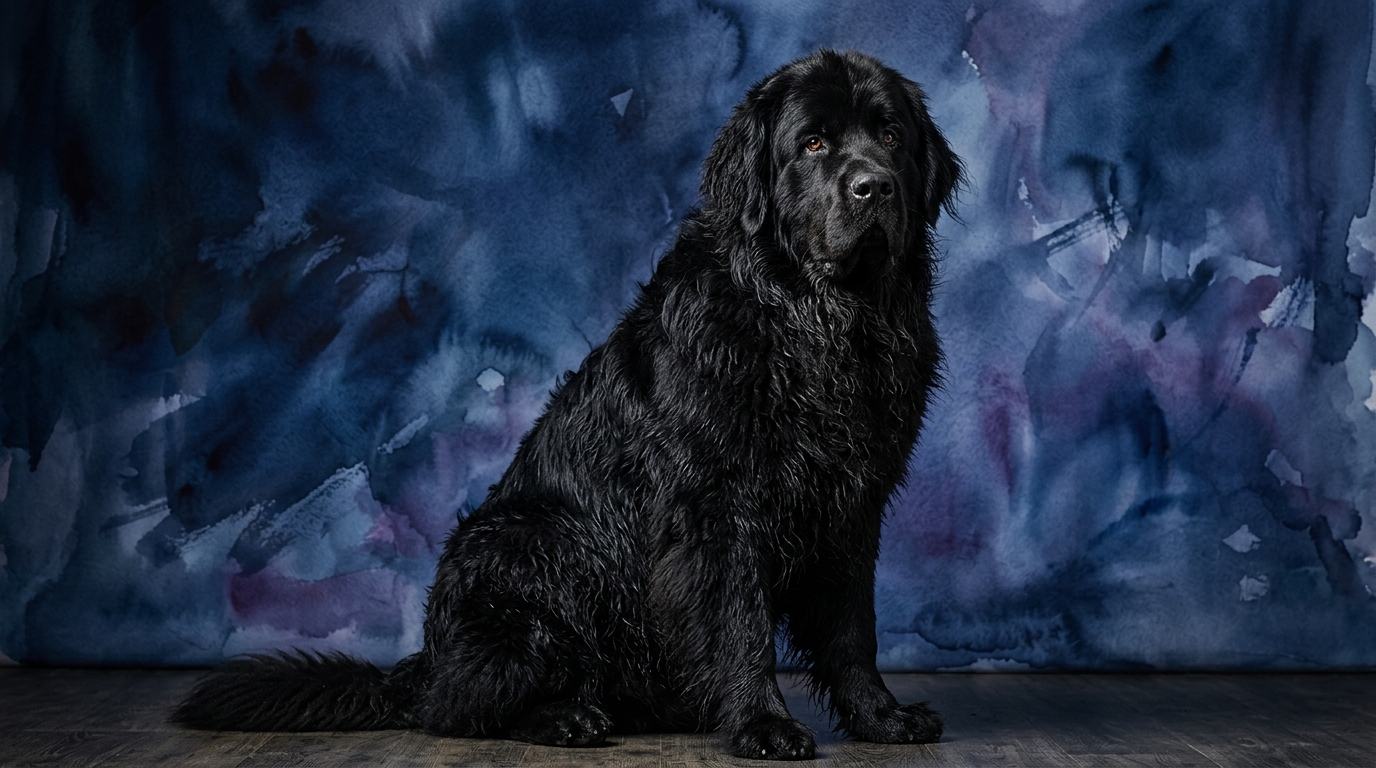
The Newfoundland, ranked 34th on the Coren scale, presents a cognitive profile distinguished by its profound social aptitude and willingness to engage. Their problem-solving ability, rated 3/5, indicates a capacity for practical solutions, often through learned responses rather than spontaneous innovation. A training speed of 4/5 highlights their readiness to absorb new commands and routines, making them generally receptive to instruction. Their exceptional social intelligence, a perfect 5/5, underscores an innate talent for understanding and responding to the emotional states and intentions of humans and other animals. Furthermore, a powerful instinctive drive, also 5/5, fuels their historical role in water rescue and protection, while their memory, rated 4/5, ensures these learned and innate behaviors are reliably retained.
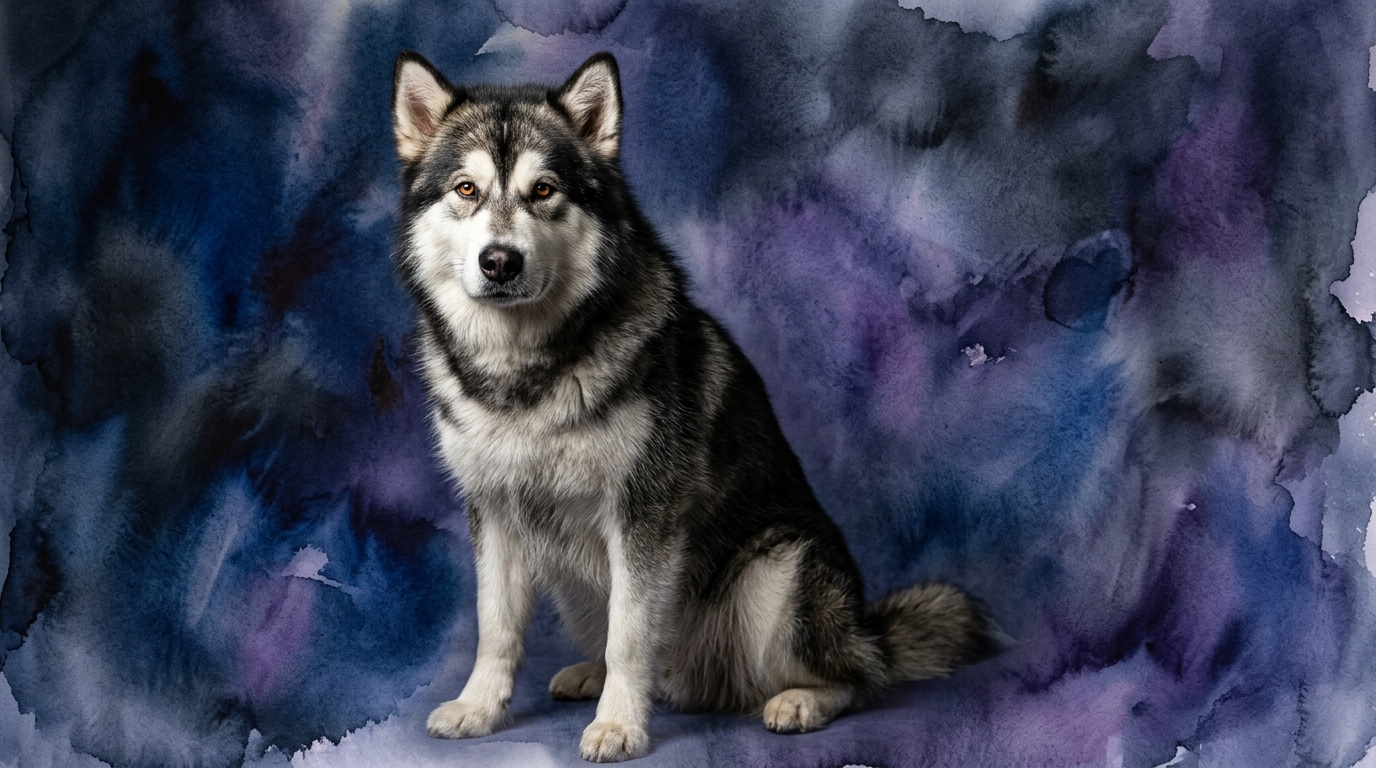
In contrast, the Alaskan Malamute, holding the 50th position on the Coren scale, showcases a different spectrum of cognitive strengths, rooted in its heritage as an endurance sled dog. Their problem-solving ability, a robust 4/5, speaks to an independent mind capable of devising solutions, particularly when navigating environmental challenges or pursuing a goal. However, their training speed is a more measured 2/5, reflecting a self-sufficient nature that can make them less immediately compliant than other breeds, requiring consistent and patient guidance. Social intelligence, rated 3/5, indicates an awareness of social dynamics but often with a more reserved or assertive approach compared to the Newfoundland’s overt empathy. Like the Newfoundland, their instinctive drive is a formidable 5/5, channelled into pulling, endurance, and understanding pack hierarchy, while their memory, at 4/5, allows them to recall complex routes and tasks effectively.
Where the Newfoundland Excels Cognitively
The Newfoundland's superior social intelligence (5/5) represents a significant cognitive advantage, allowing them to excel in roles demanding nuanced interaction and empathy. Their capacity to intuitively grasp human intentions and emotional states means they often anticipate needs or react appropriately without explicit commands. This deep social attunement makes them exceptional therapy dogs, intuitive companions, and reliable guardians, as they process and respond to complex social cues with remarkable sensitivity. Furthermore, their elevated training speed (4/5) and higher Coren rank (34th) indicate a greater general responsiveness to human direction and a more straightforward learning curve for obedience and specialized tasks. This cognitive trait simplifies the process of integrating them into a family structure and training them for specific service roles, as they are inherently motivated by cooperation and connection rather than solely by task completion. Their willingness to engage and adapt to human expectations through understanding social dynamics is a cornerstone of their cognitive strength.
Where the Alaskan Malamute Excels Cognitively
The Alaskan Malamute distinguishes itself with a superior problem-solving ability (4/5), reflecting a heritage where independent thought was crucial for survival in harsh environments. This cognitive strength allows them to assess situations, strategize, and execute solutions often without direct human prompting, whether it's finding a way around an obstacle or determining the most efficient path. Their historical role as sled dogs demanded self-reliance and the capacity to make decisions on the trail, which translates into a dog that can be resourceful and inventive. While their social intelligence (3/5) is not as overtly empathetic as the Newfoundland's, it is pragmatic, enabling them to navigate pack dynamics and understand boundaries effectively. This blend of problem-solving and practical social understanding makes them adept at tasks requiring perseverance and independent judgment, such as navigating complex agility courses or engaging in scent work where they must follow their own instincts to locate targets. Their cognitive prowess lies in their ability to think for themselves and apply their intelligence to practical, often physically demanding, challenges.
Training Ease: Unpacking Behavioral Differences
When comparing training ease, the Newfoundland (training speed 4/5) generally presents a more straightforward experience than the Alaskan Malamute (training speed 2/5). This difference is largely attributable to the Newfoundland's exceptional social intelligence and inherent desire to cooperate. Newfoundlands are often eager to please their human companions, processing commands quickly and responding with enthusiasm due to their strong bond and sensitivity to social cues. Their learning is often reinforced by positive human interaction and praise, which they value deeply. In contrast, the Alaskan Malamute’s lower training speed is less about a lack of capacity and more about their pronounced independence and strong instinctive drives. Malamutes evolved to make their own decisions on the sledding trail, often relying on their judgment over a handler's constant direction. They are not 'stubborn' in a negative sense, but rather possess a self-sufficient mindset that requires trainers to be exceptionally patient, consistent, and creative. Training a Malamute often involves convincing them that a task is worth their effort or aligns with their own interests, rather than simply expecting immediate compliance. Their intelligence manifests in their ability to question and evaluate, rather than just accept, making training a more collaborative and less directive process.
Matching Breeds to Owner Lifestyles
For owners leading an active lifestyle, the Alaskan Malamute stands out as a compatible companion, demanding significant physical and mental engagement. Their formidable instinctive drive (5/5) for endurance, pulling, and exploration means they thrive on structured activities like long hikes, sledding, skijoring, or vigorous daily runs. Their problem-solving acumen also benefits from mentally stimulating tasks, such as puzzle toys, advanced obedience, or scent work, which prevent boredom and destructive behaviors. An owner prepared to commit several hours daily to their Malamute's exercise and enrichment will find a devoted and resilient partner. Conversely, for individuals or families preferring a more relaxed pace, the Newfoundland offers a better fit. While still a large and active breed in its youth, the adult Newfoundland typically has more moderate exercise requirements beyond essential daily walks and opportunities for swimming, which they adore. Their high social intelligence makes them content to be close companions, participating in family activities and finding joy in interaction rather than constant high-intensity physical exertion. They are well-suited to owners who appreciate a calm presence indoors but are still willing to provide regular, enjoyable outdoor time, particularly around water.
The Verdict
Choose a Newfoundland if you seek a deeply empathetic, cooperative companion who learns readily and integrates seamlessly into family life, valuing connection and intuitive understanding over independent action. Their strong social intelligence makes them ideal for roles requiring sensitivity and a gentle presence.
Opt for an Alaskan Malamute if you are an active individual or family prepared to engage with a resilient, independent problem-solver who thrives on challenge, endurance activities, and consistent, patient guidance. Appreciate their ancient spirit of self-reliance and their capacity for robust physical and mental work.
🧠 Find Your Pet's IQ Score
Our Pet IQ Lab assessment covers 25+ tests across 5 cognitive dimensions — personalized to your breed.
Take the Full IQ Test →Frequently Asked Questions
Are Newfoundlands good family dogs?
Yes, Newfoundlands are often considered exceptional family dogs due to their outstanding social intelligence and gentle disposition. They are highly attuned to human emotions and are known for their patient, protective nature with children, making them intuitive and loving companions.
Do Alaskan Malamutes need a lot of exercise?
Alaskan Malamutes require substantial daily exercise to satisfy their powerful instinctive drive for endurance and pulling. Without adequate physical and mental stimulation, they can become bored and destructive, so active owners committed to long walks, runs, or dog sports are ideal.
What's the main difference in their learning styles?
Newfoundlands learn quickly due to their eagerness to please and social intelligence, responding well to positive reinforcement and cooperation. Alaskan Malamutes, while capable problem-solvers, learn at a slower pace due to their independent nature, requiring more patience and motivation-based training.