Side-by-Side IQ Profile: Unpacking Cognitive Dimensions
To truly understand the cognitive landscape of these magnificent breeds, The Cosmic Pet Pet IQ Lab employs a multi-dimensional framework, moving beyond a single 'smartness' metric. This approach allows us to appreciate their nuanced intellectual strengths and predispositions. Our assessment covers Problem Solving, Training Speed, Social Intelligence, Instinctive Drive, and Memory, alongside their Coren rank.
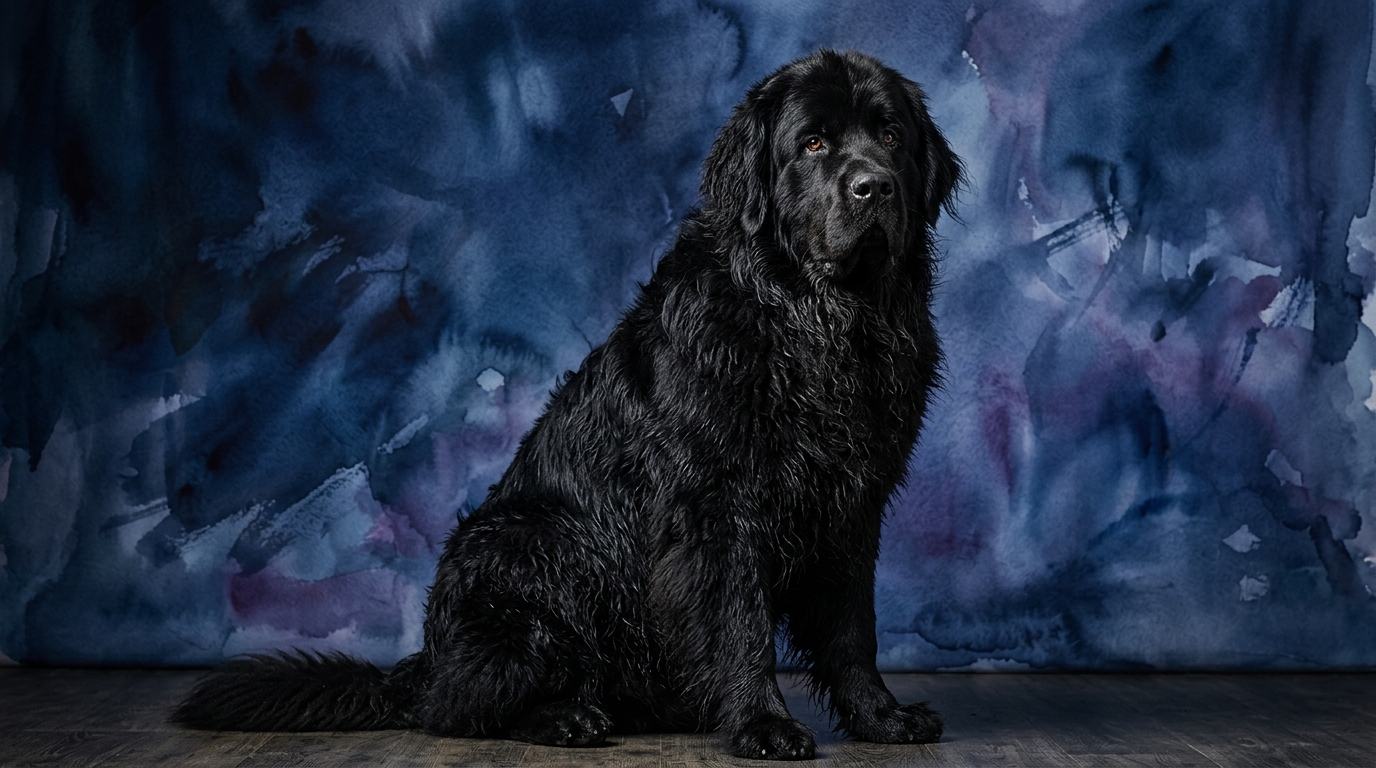
The Newfoundland, holding a Coren rank of #34, presents a profile indicating a strong capacity for cooperative work and social engagement. Their Problem Solving is rated at 3/5, suggesting a practical intelligence capable of navigating everyday challenges. Where they truly shine is in Training Speed (4/5), reflecting a readiness to absorb new information and commands, and an exceptional Social Intelligence (5/5), indicating a profound understanding of human emotions and social cues. Their Instinctive Drive is a robust 5/5, pointing to deeply ingrained natural working behaviors, particularly water rescue, while Memory stands at a solid 4/5, enabling good retention of learned experiences and commands.
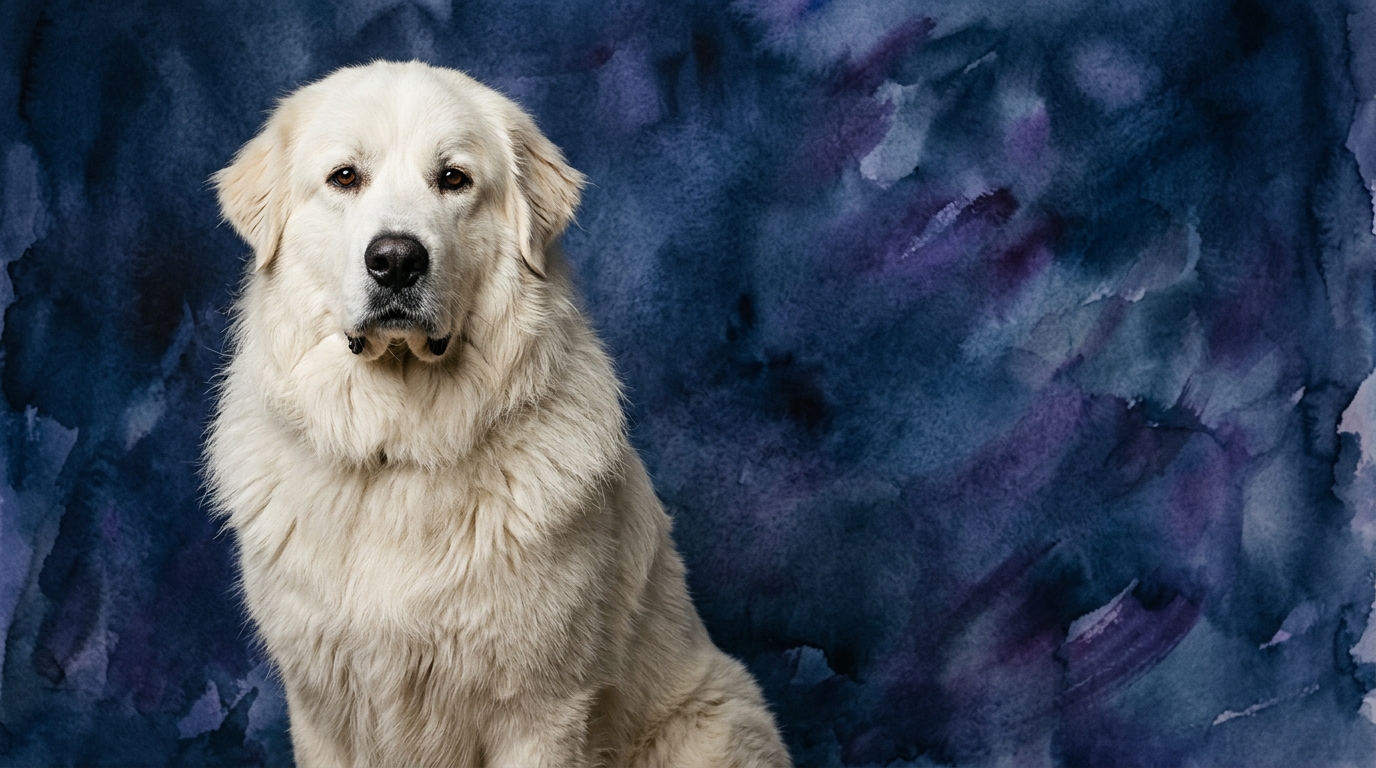
In contrast, the Great Pyrenees, with a Coren rank of #64, exhibits a cognitive profile geared towards independent operation and vigilance. Their Problem Solving also registers at 3/5, denoting a similar practical reasoning ability, but often applied in a self-directed manner. Training Speed is rated 3/5, suggesting a more deliberate and often independent learning pace. Social Intelligence is 3/5, indicating a more reserved and less intensely people-focused understanding compared to the Newfoundland. Their Instinctive Drive is 3/5, specifically channeled towards vigilant guardianship rather than cooperative tasks, and Memory is also 3/5, implying adequate but not exceptional recall and retention.
These profiles highlight that while both breeds are working dogs, their cognitive strengths are tailored to very different historical roles: the Newfoundland as a cooperative, life-saving partner, and the Great Pyrenees as a self-sufficient, protective sentinel.
Where the Newfoundland Excels Cognitively
The Newfoundland's cognitive architecture is distinctly geared towards empathy, cooperation, and rapid learning within a social context. Their standout Social Intelligence, rated 5/5, is a profound asset. This isn't merely about liking people; it signifies an acute ability to read and respond to human emotional states, anticipate needs, and integrate seamlessly into complex family dynamics. This cognitive trait makes them exceptional therapy dogs and highly attuned companions, capable of understanding nuanced human communication far beyond simple commands.
Furthermore, their Training Speed of 4/5, combined with their high Social Intelligence, means Newfoundlands are generally more eager to please and quicker to grasp new concepts and commands. They thrive on interaction and positive reinforcement, making the learning process a collaborative effort. This translates into a quicker acquisition of skills, from basic obedience to more complex tasks like carting or advanced water rescue techniques.
The Newfoundland's Instinctive Drive, a perfect 5/5, is a specialized cognitive strength rooted in their heritage. This isn't a generic urge to 'work' but a deep-seated, often life-saving, compulsion to rescue, particularly in water. This drive manifests as an innate understanding of how to approach, assist, and retrieve, making them unparalleled in specific rescue scenarios. Their Memory (4/5) further supports these capabilities, allowing them to recall complex sequences of actions and learned rescue protocols over time, building upon their experiences effectively.
Where the Great Pyrenees Shows Unique Cognitive Strengths
While the Great Pyrenees' cognitive scores might appear lower across several dimensions, their intellectual strengths are perfectly aligned with their millennia-old role as independent livestock guardians. Their Problem Solving, rated 3/5, while numerically equal to the Newfoundland, is applied in a fundamentally different context. A Great Pyrenees must assess threats, make decisions, and act autonomously in the absence of human direction, often in remote environments. This self-reliant problem-solving, focused on vigilance and protection, is a critical cognitive asset for their role.
The Great Pyrenees' Instinctive Drive, rated 3/5, is not about cooperative tasks but about unwavering dedication to guarding. This drive is a deep-seated cognitive program for constant awareness, patrolling territorial boundaries, and assessing potential dangers to their flock or family. It's a strength of quiet vigilance and protective resolve, requiring independent judgment rather than human-directed action. This means they are less likely to be distracted by external stimuli when on duty, maintaining a focused mental state for protection.
Their relatively lower Social Intelligence (3/5) and Training Speed (3/5) are not deficits in the context of their historical purpose; rather, they are cognitive traits that foster independence. A Pyrenees isn't bred to constantly look to a human for direction or approval; their cognitive wiring prioritizes self-sufficiency. This allows them to effectively guard livestock for extended periods without constant human intervention, making decisions based on their own assessment of the environment. Their memory (3/5) is sufficient for recalling threats and safe zones within their territory, contributing to their reliable guardianship.
Training Dynamics: Newfoundland vs. Great Pyrenees
The differences in their cognitive profiles lead to distinct training experiences. The Newfoundland, with its 4/5 Training Speed and 5/5 Social Intelligence, is generally more amenable to structured training. They possess a strong desire to please and are highly attuned to their owner's moods and instructions, making them responsive to positive reinforcement and consistent guidance. Their better memory means lessons stick more readily, and they are typically eager participants in learning sessions. A Newfie will often seek out human interaction and direction, which naturally facilitates the training process.
Conversely, the Great Pyrenees, with its 3/5 Training Speed and 3/5 Social Intelligence, presents a more independent training challenge. Bred to be self-sufficient decision-makers, they are less inclined to blindly follow commands if they perceive them as unnecessary or conflicting with their inherent guarding instincts. Training a Pyrenees requires immense patience, consistency, and an understanding of their self-reliant nature. They might understand a command perfectly but choose not to execute it if it doesn't align with their assessment of the situation. Their training often involves convincing them that cooperation is beneficial, rather than simply commanding them. They are not 'stubborn' in a negative sense, but rather 'independent thinkers' whose cognitive framework prioritizes autonomous action.
Lifestyle Match: Active Engagement vs. Relaxed Vigilance
The cognitive differences between these breeds also dictate their ideal living environments and owner lifestyles. A Newfoundland, with its high Social Intelligence and Instinctive Drive, thrives with owners who can provide ample social interaction and outlets for their cooperative working instincts. They are excellent companions for active families who enjoy involving their dog in daily activities, whether it's swimming, hiking, or participating in dog sports like carting or water rescue work. Their need for engagement and their cooperative nature mean they are best suited for owners who desire a highly interactive and empathetic canine partner.
The Great Pyrenees, on the other hand, suits owners who appreciate a more independent and watchful companion. While they require regular exercise, their mental stimulation often comes from their "patrolling" duties and observing their surroundings. They are not typically high-energy playmates in the same way a Newfoundland might be, preferring to maintain a calm, vigilant presence. They are well-suited for owners who have larger properties where their guarding instincts can be fulfilled, and who understand that their affection may be expressed more subtly and their independence respected. They are more aligned with relaxed owners in terms of constant active engagement, but demand owners who are diligent in managing their strong protective instincts and independent decision-making.
The Verdict
Choose a Newfoundland if you seek a highly social, cooperative, and trainable companion eager to integrate into family activities and capable of complex, empathetic interactions.
Choose a Great Pyrenees if you desire an independent, vigilant guardian whose primary cognitive strength lies in self-sufficient protection and a calm, watchful presence.
🧠 Find Your Pet's IQ Score
Our Pet IQ Lab assessment covers 25+ tests across 5 cognitive dimensions — personalized to your breed.
Take the Full IQ Test →Frequently Asked Questions
Are Great Pyrenees harder to train than Newfoundlands?
Generally, yes. Great Pyrenees are bred for independent decision-making, resulting in a lower training speed and a more self-reliant approach to commands. Newfoundlands, with higher social intelligence and eagerness to please, typically respond more readily to structured training.
Which breed is more social with people?
The Newfoundland exhibits significantly higher social intelligence (5/5) compared to the Great Pyrenees (3/5). Newfoundlands are highly attuned to human emotions and thrive on interaction, making them more overtly social and empathetic companions.
Do both breeds have strong instinctive drives?
Yes, but their instinctive drives manifest differently. The Newfoundland possesses a very strong instinctive drive (5/5) for cooperative tasks, particularly water rescue. The Great Pyrenees has a strong, specialized instinctive drive (3/5) for independent livestock guarding and territorial vigilance.