Side-by-Side Cognitive Profiles
At The Cosmic Pet Pet IQ Lab, we evaluate canine cognition across five key dimensions, providing a granular look at each breed's mental strengths. Understanding these profiles helps us appreciate the unique ways each dog processes the world and interacts with their environment.
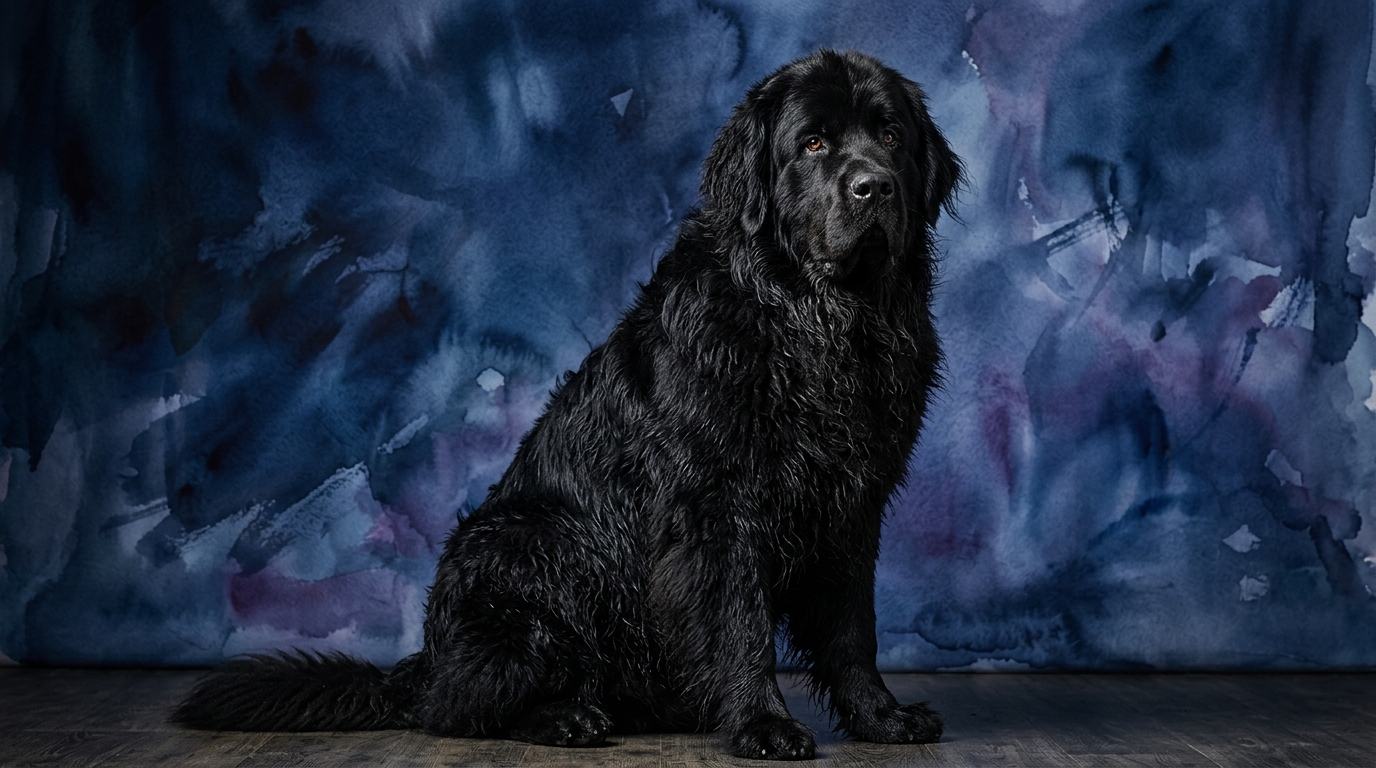
The Newfoundland, a stalwart of the Working group, presents a profile reflecting its history as a water rescue and companion animal. Its Problem Solving is rated 3/5, indicating an aptitude for practical challenges, particularly those involving their human companions or rescue scenarios. Training Speed is 4/5, as these dogs pick up new commands and routines relatively quickly, driven by a desire to engage. Social Intelligence is an exceptional 5/5, showing an innate ability to understand human cues and emotions, forming deep, empathetic bonds. Their Instinctive Drive is also 5/5, rooted in a profound, innate desire to assist and protect, especially in water. Finally, Memory is 4/5, allowing them to retain learned behaviors and recognize people and places over long periods.
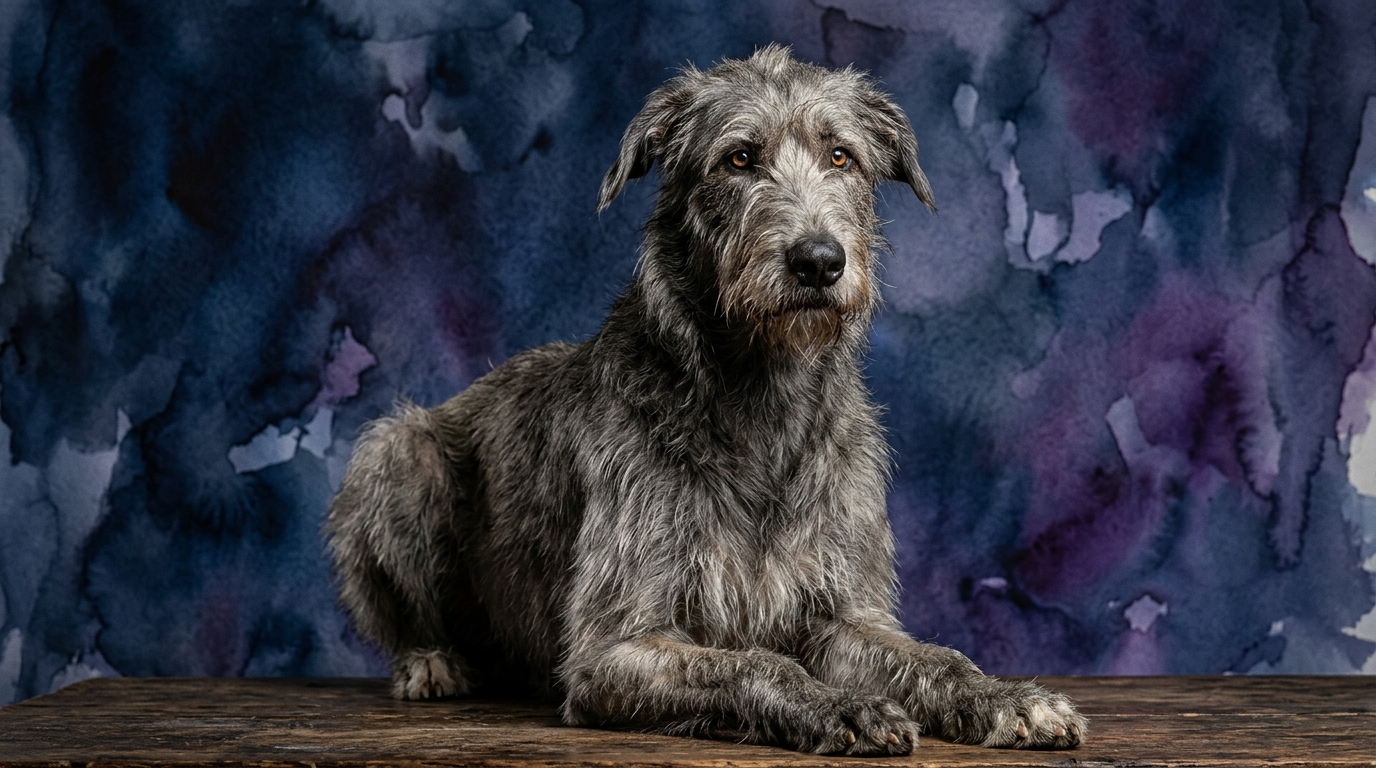
In contrast, the Irish Wolfhound, a member of the Hound group, exhibits a cognitive makeup characteristic of a sighthound whose purpose was independent hunting. Its Problem Solving is 3/5, indicating capability in situations requiring independent thought and assessment of environmental stimuli. Training Speed is 3/5; while they can learn, their independent nature means they require patient, consistent methods rather than being constantly driven by human approval. Social Intelligence is 3/5, as they form strong bonds with their immediate family but tend to be more reserved with strangers, valuing loyalty within their trusted circle. Instinctive Drive is 3/5, primarily focused on their sighthound heritage of pursuit and tracking, which is less overtly expressed in daily life compared to a working dog. Memory is 3/5, functional for recalling training and experiences adequately, but perhaps without the same depth of recall for intricate details as breeds with higher scores.
Where the Newfoundland Wins Cognitively
The Newfoundland's cognitive advantages are most pronounced in areas demanding deep emotional connection and purposeful action. Their exceptional Social Intelligence (5/5) is not merely about friendliness; it's a sophisticated ability to read subtle human cues, anticipate needs, and respond with remarkable empathy. This cognitive trait allows them to integrate seamlessly into family dynamics, often acting as intuitive caretakers or comforting presences. Coupled with their high Instinctive Drive (5/5), particularly for rescue, Newfoundlands demonstrate complex decision-making in high-stress situations. This drive is a cognitively guided purpose, enabling them to prioritize safety and assistance with minimal direct instruction. Their quicker Training Speed (4/5) further underscores their cognitive edge in absorbing and executing human-initiated tasks efficiently, making them highly responsive and adaptable partners in various roles, from therapy work to family guardianship.
Where the Irish Wolfhound Wins Cognitively
While the Irish Wolfhound's scores might not always be numerically higher, their cognitive profile offers distinct advantages for specific lifestyles and expectations. Their Problem Solving ability, rated equally at 3/5 with the Newfoundland, often manifests with greater independence. Historically, as sighthounds, they were bred to make autonomous decisions across vast landscapes, relying on their keen senses and individual judgment rather than constant human direction. This self-directed problem-solving is a hallmark of their intellect. Their moderate Social Intelligence (3/5) and Instinctive Drive (3/5), rather than indicating a deficit, translate into a self-reliant and composed demeanor. This cognitive independence means they are less prone to separation anxiety and can be content with their own company for periods, offering a different kind of companionship that is less overtly demanding but deeply loyal within their chosen circle. For owners who appreciate a more self-contained and less 'needy' presence, the Wolfhound’s cognitive makeup is a unique strength.
Which is Easier to Train and Why
When it comes to ease of training, the Newfoundland generally holds a clear advantage, largely due to its superior Social Intelligence (5/5) and faster Training Speed (4/5). Newfoundlands possess an innate desire to please their human companions, making them highly receptive to instruction and positive reinforcement. Their keen ability to read human body language and vocal tones means they quickly understand what is expected of them, viewing training as an opportunity for bonding and purpose. This collaborative spirit, rooted in their working dog heritage, translates into a dog that actively seeks to engage in learning sessions.
The Irish Wolfhound, with its more independent problem-solving and moderate social drive (3/5 in both categories), presents a different training dynamic. While capable of learning, they may not always be as eager to perform repetitive tasks or as motivated by constant human approval. Training a Wolfhound requires more patience, creativity, and an understanding of their sighthound nature. They might question the utility of a command or lose interest if not engaged on their own terms, often prioritizing independent exploration or bursts of activity over sustained, human-directed tasks. Success with an Irish Wolfhound often comes from making training fun, varied, and appealing to their independent spirit, rather than relying solely on a desire to please.
Suitability for Active vs. Relaxed Owners
The Newfoundland, with its high Instinctive Drive (5/5) and Social Intelligence (5/5), is ideally suited for active owners who relish deep engagement and shared activities. These dogs thrive on purpose and interaction, whether it's water sports, long walks, or simply being an integral part of daily family life. Their cognitive profile demands mental stimulation that aligns with their historical roles – tasks that involve problem-solving, collaboration, and using their strong protective instincts in a constructive way. They are not content to be mere bystanders; they want to participate and feel useful, making them excellent companions for those who lead an active, inclusive lifestyle.
Conversely, the Irish Wolfhound tends to suit more relaxed owners who appreciate a companion that is dignified, independent, and requires a different rhythm of activity. While they need regular, intense bursts of exercise to satisfy their sighthound instincts – think a few vigorous sprints or a long, steady walk – they are equally content to spend significant time napping and observing their surroundings. Their moderate Social Intelligence (3/5) means they are affectionate but not constantly demanding attention, making them excellent companions for those who enjoy a calm presence at home. Their cognitive needs revolve less around constant collaborative tasks and more around opportunities for independent exploration and occasional, vigorous physical outlets, followed by extensive periods of rest.
The Verdict
Opt for a Newfoundland if you seek a deeply empathetic, highly trainable companion eager to participate in family life and activities, especially those involving water or a strong sense of purpose.
Select an Irish Wolfhound if you appreciate a dignified, independent companion that offers quiet loyalty, thrives with bursts of exercise, and is content with a more self-reliant presence.
🧠 Find Your Pet's IQ Score
Our Pet IQ Lab assessment covers 25+ tests across 5 cognitive dimensions — personalized to your breed.
Take the Full IQ Test →Frequently Asked Questions
Are Newfoundlands good family dogs?
Absolutely, their exceptional social intelligence (5/5) and gentle nature make them superb family companions, often forming deep, empathetic bonds with children and adults alike. They possess a strong protective instinct and thrive on being an integral part of the household.
Do Irish Wolfhounds need a lot of space?
Yes, due to their immense size and sighthound heritage, Irish Wolfhounds benefit greatly from a spacious home and a securely fenced yard where they can stretch their long legs for regular, vigorous sprints. While calm indoors, they definitely need room to move.
Which breed is better for first-time dog owners?
The Newfoundland's higher training speed (4/5) and strong desire to please generally make them a more forgiving and easier choice for first-time dog owners who are committed to consistent positive reinforcement. Irish Wolfhounds require a more experienced hand due to their independent nature and specific training motivations.