A Side-by-Side Look at Cognitive Profiles
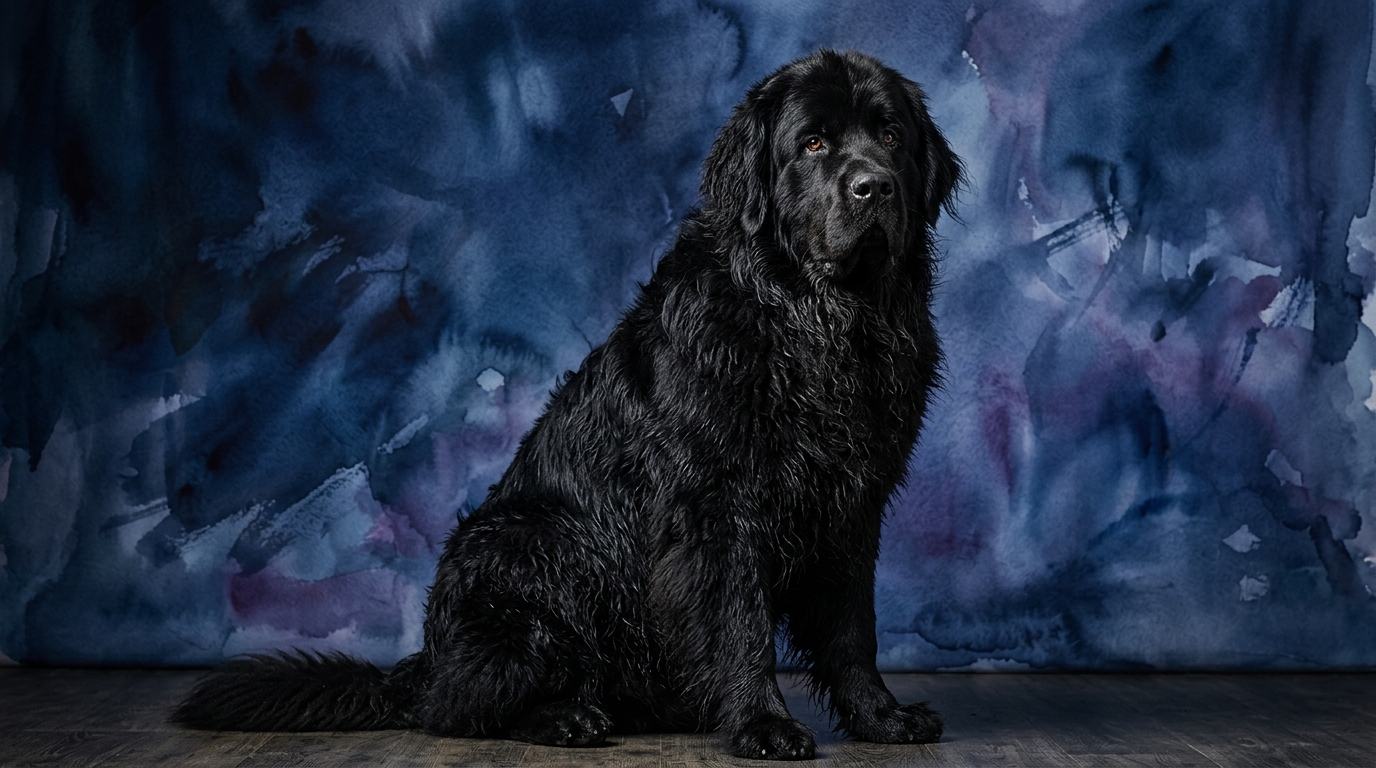
The Newfoundland, a Coren-ranked #34 working breed, boasts a cognitive profile suited for purposeful cooperation and resilience. Its Problem Solving is 3/5, demonstrating practical intelligence. Training Speed is 4/5, indicating swift learning. Exceptional Social Intelligence (5/5) highlights deep empathy, while a 5/5 Instinctive Drive fuels its working heritage in rescue and hauling. A solid Memory of 4/5 ensures retention of complex tasks.
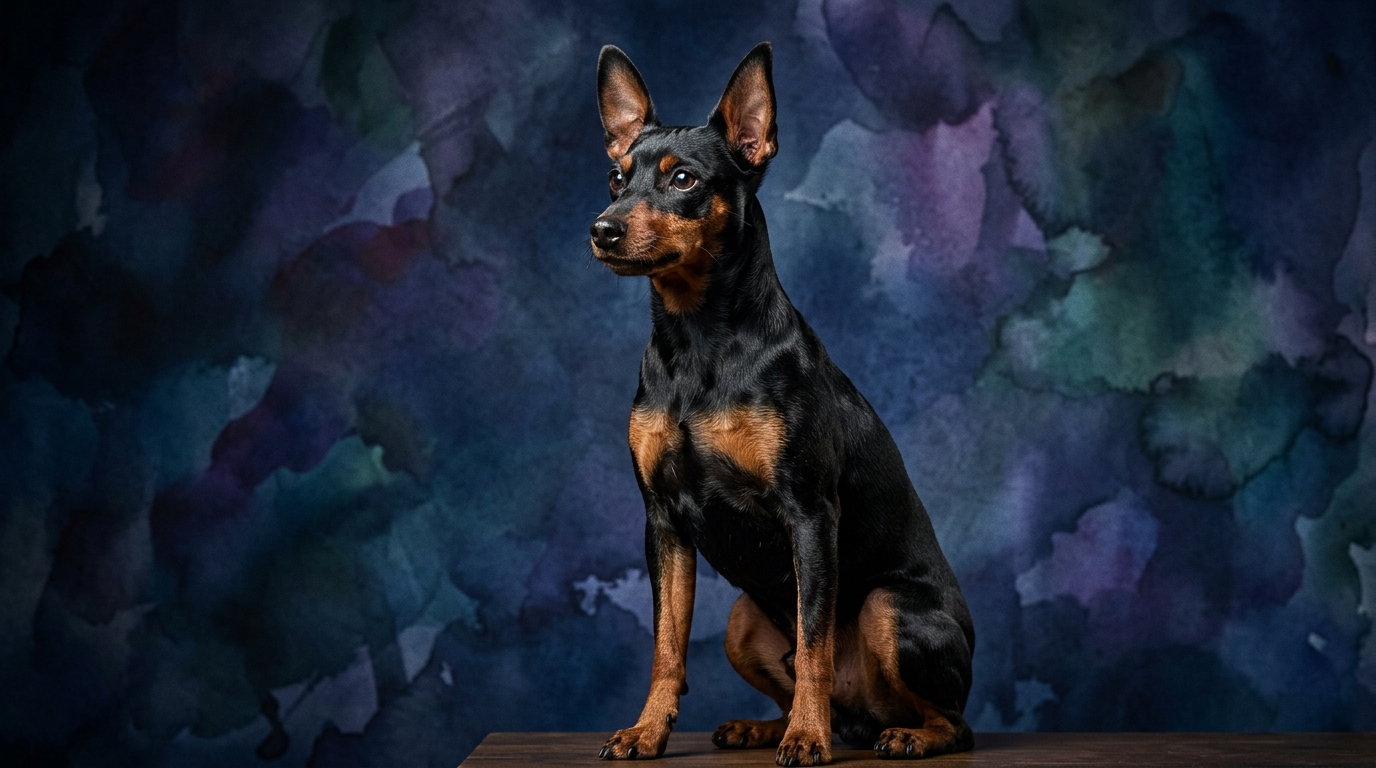
The Miniature Pinscher, a spirited "King of Toys," presents a cognitive blueprint reflecting vigilance and companionship. Its Problem Solving matches the Newfoundland at 3/5, showcasing independent thought. Training Speed is 3/5, an average pace, balanced by a moderate Social Intelligence of 3/5. Its Instinctive Drive, also 3/5, is focused on alertness and prey, distinct from a working dog's. Memory stands at 3/5, adequate for its role.
Where the Newfoundland's Mind Excels
The Newfoundland's perfect 5/5 Social Intelligence is a key cognitive strength, translating into an exceptional ability to read human emotions and intentions. This fosters unparalleled empathy and a strong desire for cooperative engagement, making them highly attuned partners who often anticipate human needs without explicit commands.
Its 5/5 Instinctive Drive, deeply rooted in its working heritage, is another profound asset. This isn't chaotic energy but a powerful, purposeful motivation for tasks like water rescue and hauling. Coupled with 4/5 Training Speed and 4/5 Memory, this drive allows them to learn complex directives quickly and reliably, thriving on having a meaningful job within a cooperative framework.
Nuances of the Miniature Pinscher's Cognitive Strengths
The Miniature Pinscher's Problem Solving, surprisingly matching the Newfoundland at 3/5, indicates a robust capacity for independent thought. This manifests as cleverness in navigating its environment or achieving self-interested goals, showcasing a resourceful mind that doesn't always rely on human direction for solutions.
Its moderate 3/5 Instinctive Drive is efficiently focused on vigilance and prey, making them highly alert and quick to notice environmental changes. Paired with a 3/5 Social Intelligence, this profile lends itself to an independent companion who is affectionate but self-sufficient, comfortable entertaining themselves and patrolling their domain without constant, intense human interaction.
Training Dynamics: Newfoundland vs. Miniature Pinscher
Training a Newfoundland is generally more straightforward due to its 4/5 Training Speed and 5/5 Social Intelligence. Their inherent eagerness to cooperate and strong understanding of human cues make them highly receptive to positive reinforcement. This desire to please, combined with 4/5 Memory, ensures they grasp and retain new commands quickly, leading to consistent performance.
The Miniature Pinscher, with 3/5 Training Speed and 3/5 Social Intelligence, requires a different approach. Their independent nature and focused 3/5 instinctive drive can make training a negotiation, as they are less inherently driven by human approval. Consistency, patience, and high-value motivators are crucial to engage their moderate 3/5 memory and overcome their tendency to prioritize their own agenda.
Tailoring to Lifestyles: Active vs. Relaxed Owners
Newfoundlands, with their high Social Intelligence and profound Instinctive Drive, suit active owners seeking a deeply engaged, purposeful companion. They thrive on having a "job," whether it's water sports or therapy work, and demand consistent mental and physical stimulation. Owners prepared to channel their strong drives into cooperative activities will find an incredibly devoted and responsive partner.
Miniature Pinschers, with their independent streak and moderate cognitive scores, can suit owners who appreciate a self-sufficient, vigilant dog. While they benefit from exercise, their needs lean towards opportunities for independent exploration and structured play, rather than constant collaborative tasks. They are ideal for owners who value a spirited companion that doesn't demand overwhelming interaction but remains alert and affectionate on its own terms.
The Verdict
Choose a Newfoundland if you seek a deeply cooperative, empathetic companion who thrives on purposeful work and social engagement, and you're prepared to channel their significant instinctive drives into meaningful activities.
Opt for a Miniature Pinscher if you appreciate a spirited, independent, and vigilant dog with a moderate need for cooperative engagement, and you can provide consistent, engaging training that respects their self-reliant nature.
🧠 Find Your Pet's IQ Score
Our Pet IQ Lab assessment covers 25+ tests across 5 cognitive dimensions — personalized to your breed.
Take the Full IQ Test →Frequently Asked Questions
Does the Newfoundland's high instinctive drive make it difficult to manage?
The Newfoundland's 5/5 instinctive drive is powerful but inherently geared towards cooperation and purposeful tasks like rescue. When properly channeled through consistent training and engaging activities, this drive becomes a tremendous asset, making them highly motivated and reliable partners rather than difficult to manage. It's about direction, not suppression.
How does the Miniature Pinscher's problem-solving ability compare despite its size?
The Miniature Pinscher's 3/5 problem-solving score, matching the Newfoundland's, highlights its capacity for independent thought and figuring out solutions. This isn't about complex working tasks, but rather cleverness in navigating its environment or achieving personal goals, demonstrating a resourceful and alert mind despite its small stature.
Are Miniature Pinschers truly less social than Newfoundlands?
Based on the data, Miniature Pinschers have a moderate 3/5 social intelligence compared to the Newfoundland's 5/5. This suggests they are less overtly people-centric and more independent, valuing their own space and making connections on their own terms. While affectionate, they don't typically exhibit the same profound desire for constant cooperative interaction.