The Cognitive Blueprint: Newfoundland vs. Norwegian Elkhound
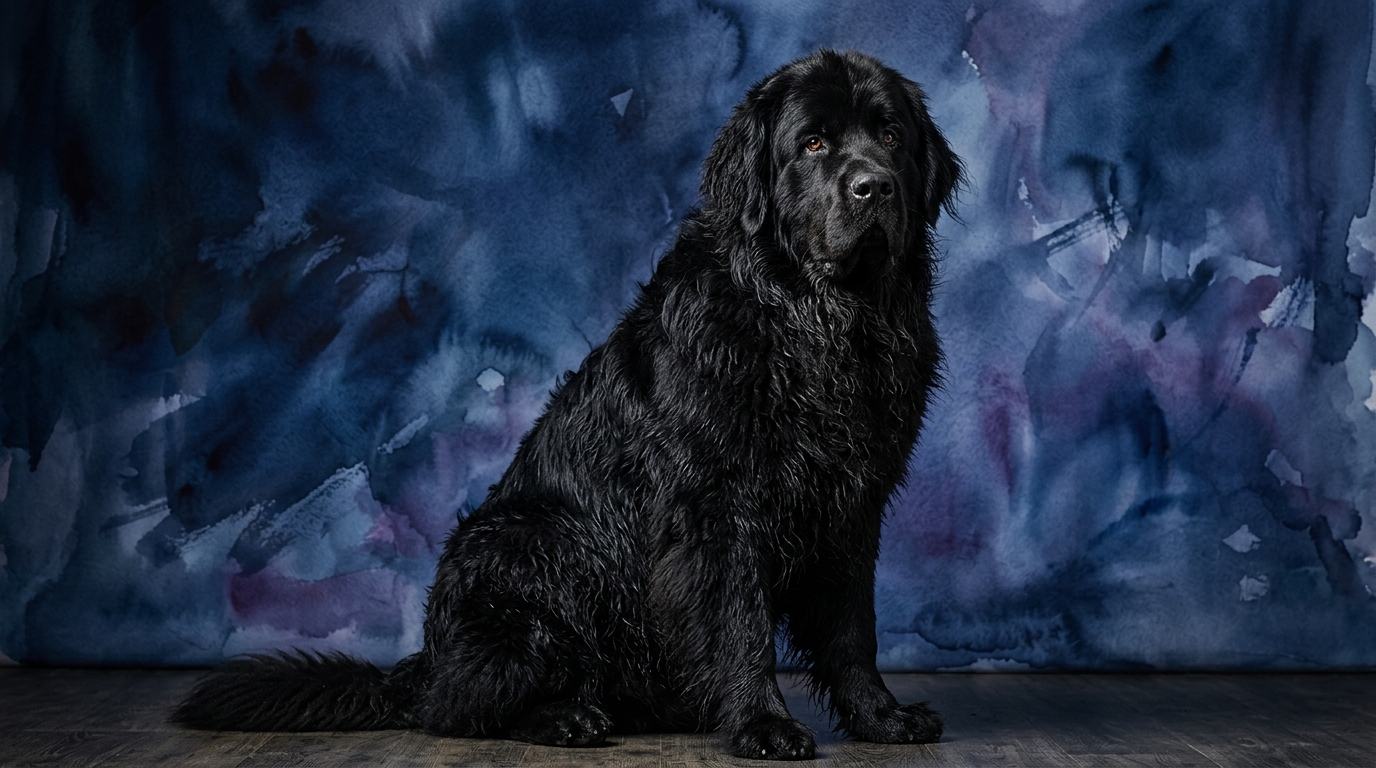
The Cosmic Pet Pet IQ Lab employs a comprehensive framework to assess canine intelligence, moving beyond simple obedience to encompass problem-solving, training speed, social intelligence, instinctive drive, and memory. For the Newfoundland, ranking at Coren #34, their cognitive profile is characterized by a Problem Solving score of 3/5, indicating they are capable of navigating moderate challenges but may not always seek the most innovative solutions independently.
Their Training Speed is rated 4/5, reflecting a solid capacity to learn and retain commands efficiently, often driven by a desire to cooperate. A standout feature is their Social Intelligence at 5/5, signifying an exceptional ability to understand human emotions, intentions, and subtle cues, making them profoundly empathetic companions. Their Instinctive Drive, also 5/5, is largely channeled towards protection, companionship, and water rescue, demonstrating a strong, people-centric motivation. Finally, their Memory at 4/5 ensures they retain training, experiences, and recognize individuals effectively.
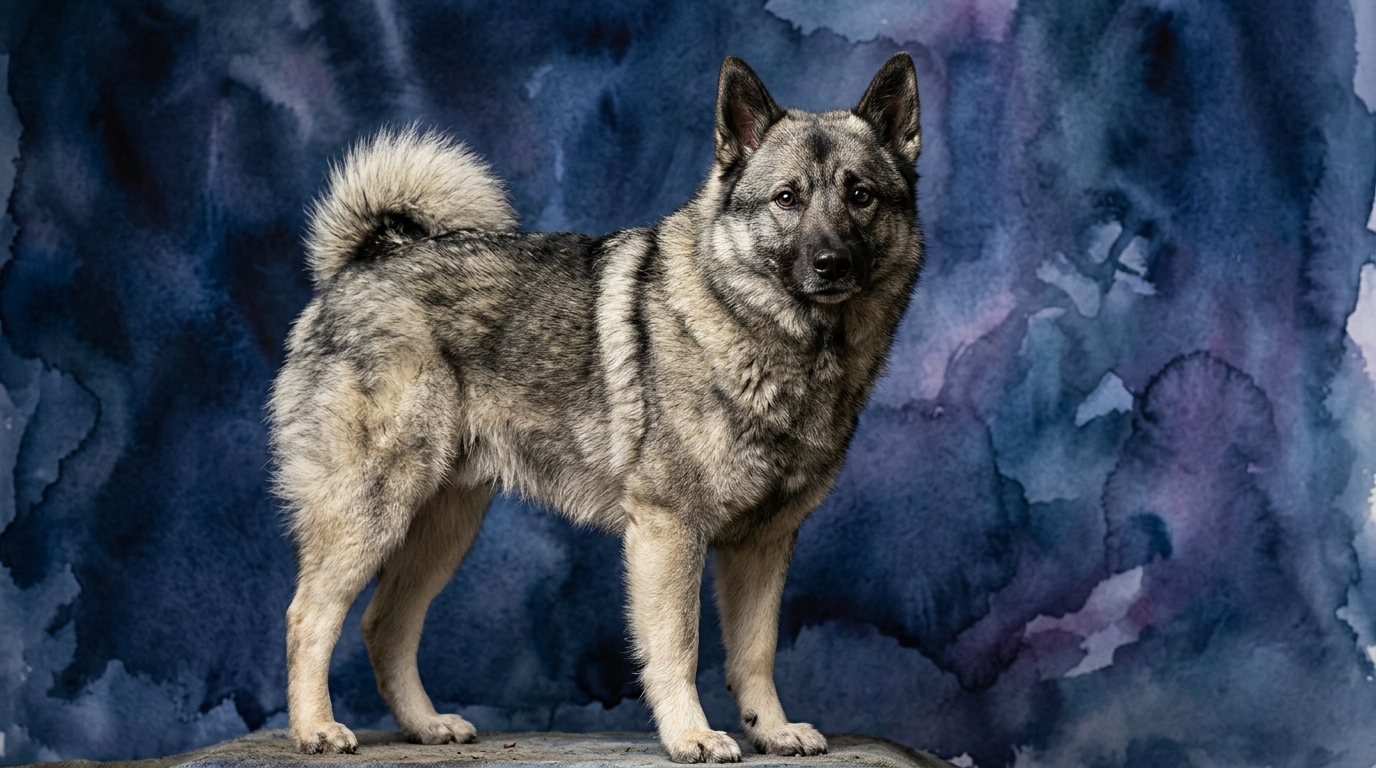
In contrast, the Norwegian Elkhound, positioned closely at Coren #36, presents a different cognitive landscape. Their Problem Solving ability scores 4/5, suggesting a greater propensity for independent thought and ingenuity when faced with novel situations, reflecting their history as self-reliant hunters. Their Training Speed matches the Newfoundland at 4/5, indicating they learn quickly, but this might be tempered by their independent nature.
The Elkhound's Social Intelligence is rated 3/5, meaning they form strong bonds with their immediate family but can be more reserved or less overtly expressive with strangers or in novel social contexts. Their Instinctive Drive, at 3/5, is primarily focused on hunting, tracking, and patrolling, showcasing a task-oriented rather than solely people-oriented motivation. Like the Newfoundland, their Memory is 4/5, allowing for strong recall of learned behaviors and environmental knowledge.
Where the Newfoundland's Mind Shines Brightest
The Newfoundland's cognitive framework truly excels in areas requiring profound social acumen and empathetic response. Their 5/5 Social Intelligence means they possess an unparalleled ability to 'read' human emotions and intentions. A Newfoundland can often sense distress or unhappiness in their human companions, offering comfort without direct prompting, a trait invaluable in therapy or assistance roles.
This breed's 5/5 Instinctive Drive is predominantly directed towards safeguarding and companionship, making them highly attuned to their family's well-being. This translates into an innate understanding of when a family member needs gentle support or when a situation requires their protective presence, often manifesting in watchful guardianship or intuitive water rescue attempts, even without explicit training.
Their problem-solving, while rated 3/5, is often filtered through this social lens; they might not independently figure out how to open a complex latch, but they are adept at signaling their needs or seeking human assistance to resolve an issue. This collaborative approach to challenges, rooted in their desire to please and connect, is a hallmark of their cognitive strength.
The Elkhound's Edge in Independent Thought
The Norwegian Elkhound's cognitive strengths lie in their capacity for independent problem-solving and sustained focus, essential traits for their historical role as big-game hunters. Their 4/5 Problem Solving score reflects a mental agility that allows them to navigate complex environments, such as tracking game through varied terrain, making independent decisions about the best path or strategy.
Unlike the Newfoundland's people-centric drive, the Elkhound's 3/5 Instinctive Drive is geared towards self-reliant tasks like scent tracking, patrolling, and protecting their territory. This means they are more likely to persist in solving a puzzle or pursuing a scent trail for extended periods without constant human input, demonstrating remarkable tenacity and single-mindedness.
Their cognitive resilience allows them to operate effectively in challenging conditions, making strategic choices to achieve their objective, whether it's locating a hidden toy or navigating an unfamiliar hiking trail. This independence, while sometimes perceived as stubbornness, is a testament to their robust mental fortitude and self-efficacy in complex, real-world scenarios.
Training Dynamics: Guidance vs. Collaboration
Both breeds share a 4/5 Training Speed, suggesting a good capacity for learning commands. However, the *ease* of training can differ significantly due to their other cognitive attributes. The Newfoundland's 5/5 Social Intelligence and strong desire to please means they are often highly motivated by positive reinforcement and human approval, making them generally eager to comply and collaborate during training sessions.
Their instinct to bond closely with their family makes them highly receptive to instruction, often anticipating what is expected of them. A Newfoundland typically views training as a cooperative activity, a way to strengthen their bond with their human. They are less likely to challenge an instruction, preferring to maintain harmony and receive affirmation.
The Norwegian Elkhound, despite the same 4/5 Training Speed, can present a different experience. Their 3/5 Social Intelligence means they may not be as universally eager to please or as attuned to subtle human cues. Their independent problem-solving nature and task-oriented instinctive drive mean they often need to understand the 'why' behind a command or perceive its value to them.
An Elkhound might learn a command quickly but then choose whether to execute it based on their own assessment of the situation or their current priorities. Training an Elkhound often requires more patience, consistency, and creative motivation, focusing on making the task rewarding for them rather than relying solely on their desire for human approval. Their independent streak means they respond best to clear, fair leadership and engaging training methods that tap into their natural drives.
Matching Minds with Lifestyles: Active vs. Relaxed Owners
For owners seeking a companion that integrates seamlessly into a family-centric, often more relaxed lifestyle, the Newfoundland is an exceptional fit. Their profound social intelligence and nurturing instinctive drive make them ideal for homes where gentle companionship, emotional support, and a watchful presence are highly valued. While they are large dogs and require regular exercise, their mental stimulation often revolves around social interaction, family activities, and opportunities to 'help' or protect their loved ones.
They thrive in environments where they can be part of the daily rhythm, often content to observe and participate in a calm, supportive manner. Owners who appreciate a dog that is deeply empathetic and seeks close physical and emotional connection will find the Newfoundland's cognitive makeup perfectly aligned with their needs. Their problem-solving style, often seeking human collaboration, means they are less likely to independently create mischief out of boredom, preferring to be guided.
Conversely, the Norwegian Elkhound is better suited for active, experienced owners who embrace outdoor adventures and appreciate a dog with an independent spirit and keen intellect. Their superior problem-solving and task-oriented drive mean they excel in activities like hiking, tracking, agility, or even search and rescue, where their innate ability to navigate challenges and sustain focus is utilized.
These dogs require significant mental and physical engagement to prevent boredom and destructive behaviors. Owners who understand and can channel the Elkhound's independent decision-making and strong instincts will find a rewarding partnership. They are not content to merely observe; they need to be active participants, making choices and solving problems as part of their daily routine. An Elkhound thrives with owners who can provide consistent structure, varied stimulation, and plenty of opportunities for their working mind to engage.
The Verdict
Choose the Newfoundland if you desire a deeply empathetic, family-oriented companion whose intelligence shines in social understanding and gentle protection, thriving on close emotional bonds and collaborative problem-solving.
Opt for the Norwegian Elkhound if you seek an independent, problem-solving partner for active outdoor pursuits, valuing a dog that makes its own decisions and excels in tasks requiring tenacity and self-reliance.
🧠 Find Your Pet's IQ Score
Our Pet IQ Lab assessment covers 25+ tests across 5 cognitive dimensions — personalized to your breed.
Take the Full IQ Test →Frequently Asked Questions
Are Newfoundlands easy to train for beginners?
Yes, Newfoundlands are generally considered good for beginners due to their high social intelligence and strong desire to please. They are highly receptive to positive reinforcement and eager to cooperate, making the training process smoother for novice owners who are consistent and patient.
Do Norwegian Elkhounds get along with other pets?
Norwegian Elkhounds can get along with other pets, especially if socialized from a young age. However, their strong prey drive (instinctive drive 3/5) means caution is advised around smaller animals like cats or rodents, and introductions should always be supervised and managed carefully.
What kind of mental stimulation do Newfoundlands need?
Newfoundlands benefit most from mental stimulation that involves their family, such as interactive games, short obedience sessions, and opportunities for 'helpful' tasks like carrying light items. Their high social intelligence means they thrive on activities that strengthen their bond and allow them to feel included and useful.