Side-by-Side Cognitive Profile: Newfoundland vs. Norwegian Lundehund
At The Cosmic Pet Pet IQ Lab, we evaluate canine intelligence across five critical dimensions to provide a comprehensive understanding of each breed's cognitive landscape. Comparing the Newfoundland, a Coren-ranked Working dog, with the unranked Non-Sporting Norwegian Lundehund offers a study in contrasts shaped by their historical roles.
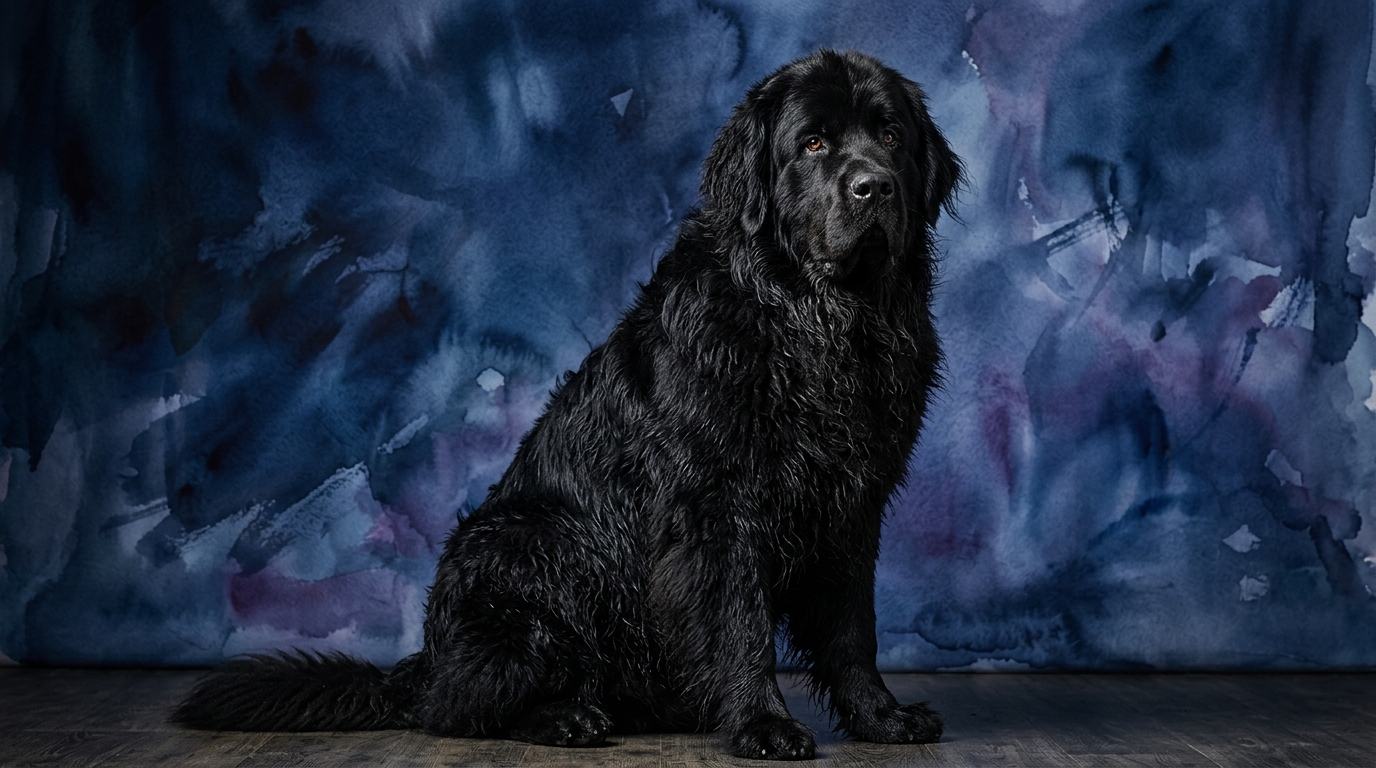
The Newfoundland, ranked #34 by Coren, presents a profile of a cooperative and empathetic intellect:
Problem Solving (3/5): Newfoundlands approach challenges with a practical, intuitive mind, often utilizing their strength and desire to help to navigate obstacles or assist in rescues. They might figure out how to open a gate or retrieve a toy, driven by their cooperative spirit.
Training Speed (4/5): These dogs absorb new commands and routines with impressive alacrity, motivated by a strong desire to please their human companions. Their willingness to focus makes them quick studies in obedience and specialized tasks.
Social Intelligence (5/5): The Newfoundland excels in understanding and responding to human emotions and social cues, forming deep bonds and often anticipating needs. This exceptional empathy makes them superb therapy dogs and family companions, attuned to subtle interactions.
Instinctive Drive (5/5): Their powerful drive to rescue, protect, and nurture is a defining characteristic, rooted in generations of water rescue and guardianship. This intrinsic motivation guides their actions, often without direct command, in situations requiring intervention.
Memory (4/5): Newfoundlands possess a robust memory for commands, routines, and experiences, allowing them to retain complex training sequences and remember individuals reliably. This strong recall contributes to their consistency.
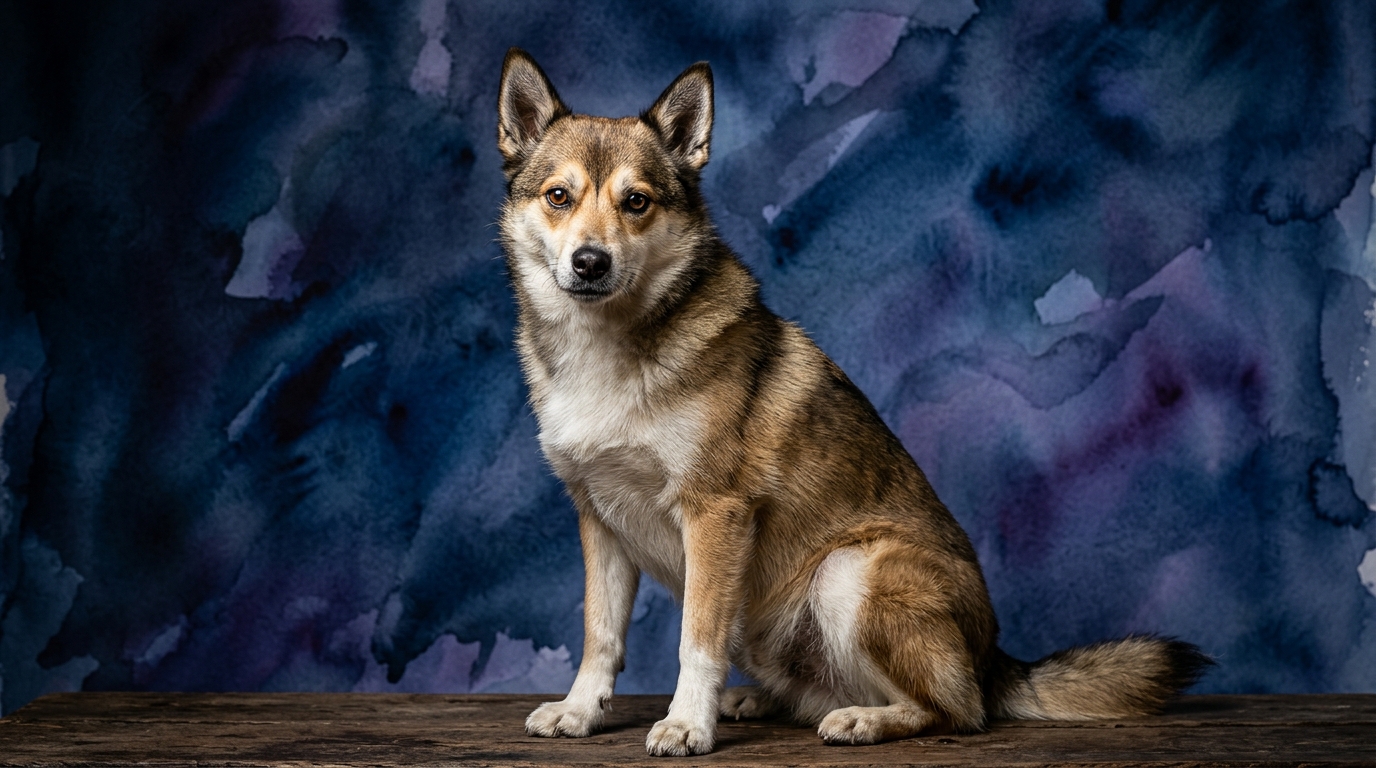
The Norwegian Lundehund, while not Coren-ranked, showcases an independent and physically astute intelligence:
Problem Solving (3/5): Lundehunds exhibit a clever, independent problem-solving style, often finding unique, agile solutions to navigate difficult terrains or access tight spaces, reflecting their heritage of hunting puffins. Their solutions prioritize self-reliance over cooperation.
Training Speed (3/5): While capable of learning, the Lundehund's training speed is moderate, often requiring more repetition and creative motivation due to their independent nature. They learn best when tasks align with intrinsic curiosity or provide immediate reward.
Social Intelligence (3/5): Lundehunds are affectionate with their families but tend to be more reserved and discerning in new social situations, observing before engaging. Their social intelligence is geared more towards immediate pack dynamics than broad human emotional interpretation.
Instinctive Drive (3/5): Their primary instinctive drive revolves around exploration, agility, and a strong prey drive, honed for navigating challenging coastal environments. This drive manifests as a desire to investigate and move, rather than a strong people-oriented purpose.
Memory (3/5): Lundehunds have a functional memory for routines and learned behaviors, but their independent streak means they may prioritize their own inclinations over perfectly executed commands. Their recall is sufficient but perhaps less consistent in domestic obedience.
Where the Newfoundland Wins Cognitively
Newfoundlands excel in areas demanding strong social attunement and cooperative learning. Their exceptional social intelligence (5/5) makes them highly perceptive to human emotions and intentions, translating into empathetic companionship and an intuitive bond. This allows them to respond effectively to subtle cues. Their superior training speed (4/5) reflects a profound eagerness to engage in shared activities and a quick grasp of new concepts, driven by a desire to work alongside humans. This enables them to master complex tasks efficiently, adept at roles like water rescue or therapy where cooperation is key.
Where the Norwegian Lundehund Wins Cognitively
The Norwegian Lundehund's cognitive strengths lie in its unique blend of independent problem-solving and physical adaptability. While their problem-solving score (3/5) matches the Newfoundland, Lundehunds excel at finding creative, physically intricate solutions to challenges requiring agility and individual resourcefulness, reflecting their puffin hunting heritage. This manifests as a remarkable capacity to explore, access tight spaces, and overcome physical obstacles independently, showcasing a self-reliant intellect. Their moderate instinctive drive (3/5) is strongly tied to exploration and prey pursuit, demonstrating focused mental engagement for self-directed tasks.
Trainability: Which Breed is Easier and Why
The Newfoundland is demonstrably easier to train due to its higher scores in social intelligence (5/5) and training speed (4/5). Their innate desire to please and profound understanding of human social cues mean they are highly motivated by positive reinforcement and respond eagerly to instruction. Newfoundlands form strong attachments and view training as a collaborative activity, making them receptive and consistent learners. Their impressive memory (4/5) further solidifies learned behaviors, leading to reliable recall and execution of commands. In contrast, the Norwegian Lundehund, with its moderate training speed (3/5) and social intelligence (3/5), presents a greater training challenge. Lundehunds possess a more independent and sometimes stubborn temperament, requiring a patient, consistent, and reward-based approach. They may question commands or prioritize their own investigative urges over immediate compliance, meaning trainers must work to make learning inherently rewarding and engaging.
Matching Breeds to Owner Lifestyles: Active vs. Relaxed
For owners seeking a relaxed, yet engaged, companion, the Newfoundland presents an ideal choice. While they require regular exercise, their activity needs are often moderate, consisting of long walks, swimming, or yard play. Their social intelligence and calm demeanor make them excellent companions for cozy evenings at home, content to be near their family. They thrive on companionship and structured routines, fitting seamlessly into a relaxed household that values gentle interaction and a strong emotional bond. Conversely, the Norwegian Lundehund is better suited for active owners who appreciate a dog with a robust sense of adventure and a need for mental stimulation. Their historical role has endowed them with exceptional agility, curiosity, and stamina. Lundehunds benefit from varied activities that engage their problem-solving skills and allow for exploration, such as hiking, agility courses, or scent work. A relaxed owner might find the Lundehund's independent spirit and need for engagement challenging, as they require consistent outlets for their energy.
The Verdict
Choose a Newfoundland if you seek a deeply empathetic, highly trainable companion eager to collaborate and form profound emotional bonds within a family setting. Their gentle nature and strong desire to please make them superb companions for those valuing social attunement and reliable obedience.
Choose a Norwegian Lundehund if you appreciate an independent, resourceful canine with a unique history, thriving with owners who can provide consistent mental and physical challenges and value a dog's self-reliant nature. They are best for those who enjoy a partner in exploration and have the patience for their distinct training style.
🧠 Find Your Pet's IQ Score
Our Pet IQ Lab assessment covers 25+ tests across 5 cognitive dimensions — personalized to your breed.
Take the Full IQ Test →Frequently Asked Questions
Does the Newfoundland's large size affect its intelligence or trainability?
The Newfoundland's size primarily relates to its physical capabilities, like strength for water rescue, rather than directly impacting its cognitive functions. Its strong social intelligence and eagerness to please are key to its trainability, making it a responsive learner despite its substantial build and allowing it to excel in cooperative roles.
Are Norwegian Lundehunds difficult to live with due to their independence?
Norwegian Lundehunds require consistent mental and physical engagement to thrive; their independence means they need clear boundaries and stimulating activities to prevent boredom. While affectionate with their families, their self-reliant nature demands an owner who understands and respects their unique needs for exploration and problem-solving, otherwise they can become mischievous.
How do their problem-solving styles differ despite similar scores?
While both breeds score 3/5 in problem-solving, the Newfoundland often applies its intellect to cooperative tasks, using its strength and social understanding to help humans. The Lundehund, however, typically tackles problems with independent agility and resourcefulness, finding unique physical solutions to navigate challenging environments without human direction.