Side-by-Side Cognitive Profile: Newfoundland vs. Tibetan Spaniel
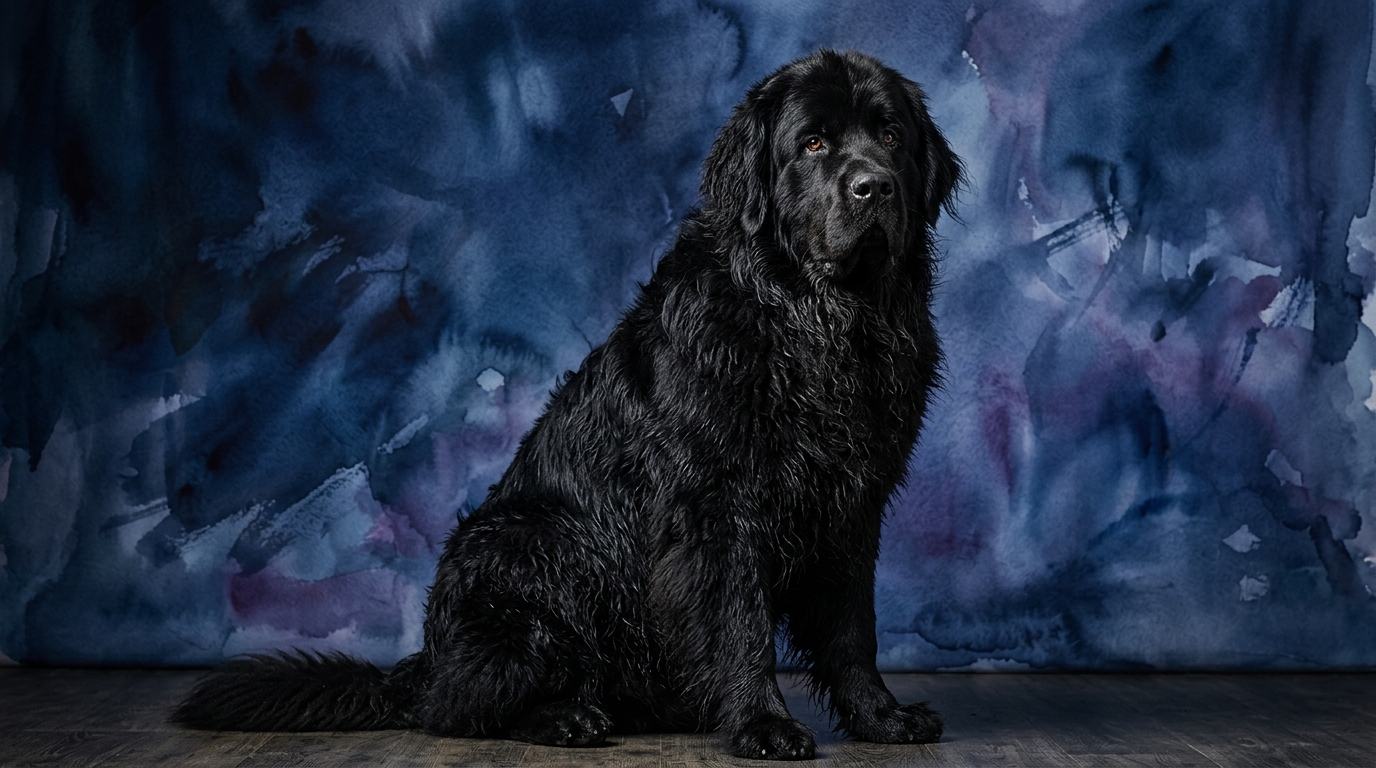
The Newfoundland, a majestic Working dog, presents a robust cognitive blueprint. Its Problem Solving is rated 3/5, indicating a solid capacity for independent thought and navigating complex situations, though perhaps not always with the rapid ingenuity of a top-tier problem solver. Training Speed is a strong 4/5, suggesting a quick grasp of commands and routines, making it quite receptive to instruction. Where the Newfoundland truly shines is in Social Intelligence, scoring a perfect 5/5; this signifies an exceptional ability to understand human emotions, intentions, and cues, fostering deep empathetic bonds. Its Instinctive Drive is also 5/5, reflecting a powerful innate urge for its original purpose, often involving water rescue and guarding. Memory stands at 4/5, indicating excellent retention of learned behaviors and experiences.
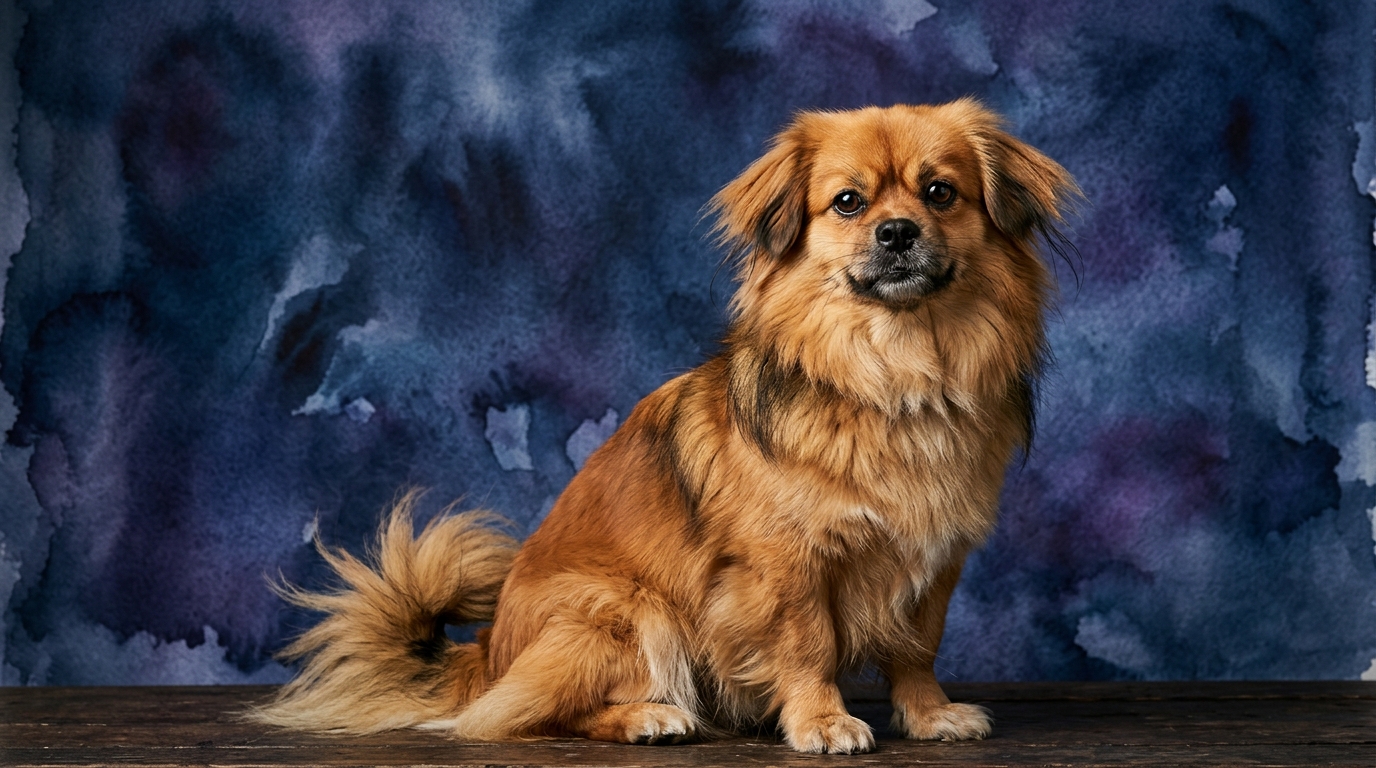
In contrast, the Tibetan Spaniel, a charming Non-Sporting breed, offers a different intellectual signature. Not officially ranked by Coren, its scores reveal a more balanced, perhaps less specialized, set of cognitive strengths. Problem Solving is rated 3/5, similar to the Newfoundland, suggesting it can figure things out, but may take a more independent or cautious approach. Training Speed is 3/5, meaning it can learn, but might require more repetition and patience compared to breeds with higher scores. Social Intelligence for the Tibetan Spaniel is 3/5, indicating competence in reading human signals but perhaps less overt emotional reciprocity or nuanced understanding than its larger counterpart. Instinctive Drive is 3/5, pointing to a moderate level of innate behaviors, likely related to its historical role as a companion and alert dog. Memory is also 3/5, suggesting a reliable, but not exceptional, capacity for recall.
Where the Newfoundland Demonstrates Cognitive Superiority
The Newfoundland's cognitive strengths are particularly evident in its capacity for complex social interaction and its powerful innate drives. With a 5/5 in Social Intelligence, these dogs possess an unparalleled ability to interpret human expressions, body language, and vocal tones, making them remarkably attuned companions. This high social acumen allows them to form exceptionally strong, empathetic bonds and often anticipate their owner's needs or moods, a quality that makes them outstanding therapy and assistance dogs. This isn't just about being friendly; it's about a deep, nuanced understanding of social dynamics.
Furthermore, the Newfoundland's 5/5 Instinctive Drive gives it a clear advantage in tasks requiring natural motivation and specific breed-related behaviors. Originating as working dogs on fishing boats, their instinct to retrieve from water and assist in rescues is deeply ingrained and readily tapped. This powerful drive translates into a strong work ethic when given appropriate tasks, making them highly effective in roles that leverage their natural inclinations, such as water rescue trials or even simply retrieving toys from a pool. Their Coren rank of #34 among dog breeds further underscores their capacity for adaptive learning and task execution, particularly when those tasks align with their strong innate motivations and their 4/5 Training Speed allows them to quickly master the necessary skills.
Where the Tibetan Spaniel Holds Its Own Cognitively
While the Tibetan Spaniel's numerical scores may appear more moderate, its cognitive profile reflects a different kind of practical intelligence, perfectly suited to its historical role as an alert companion in monasteries. Its 3/5 Problem Solving score, while not indicative of a genius, suggests a sensible, independent approach to navigating its environment. These dogs are adept at observing their surroundings and identifying subtle changes, a key aspect of their 'watchdog' duties. They often figure out how to get what they want through persistence and observation, rather than brute force or overt obedience.
The Tibetan Spaniel's 3/5 Social Intelligence, while not as effusive as the Newfoundland's, is characterized by a discerning nature. They are often described as 'cat-like' in their independence, choosing when and how to engage, yet forming deep, loyal bonds with their chosen people. This doesn't imply a lack of affection, but rather a more selective and perhaps less demonstrative expression of it. Their moderate 3/5 Instinctive Drive means they aren't constantly seeking a 'job' to do, allowing them to be content as observant companions, rather than requiring constant mental or physical tasks, which suits a more relaxed household.
Which Breed is Easier to Train, and Why?
Based on their cognitive profiles, the Newfoundland is generally easier to train than the Tibetan Spaniel. The Newfoundland's 4/5 Training Speed combined with its exceptional 5/5 Social Intelligence makes it highly receptive to instruction. They are eager to please, respond well to positive reinforcement, and quickly pick up on human cues and expectations. Their strong memory (4/5) ensures that once a command is learned, it is retained effectively. This breed's inherent desire to work cooperatively with humans, a hallmark of its social intelligence, means they are often willing partners in the training process, making them suitable for various disciplines from obedience to advanced tasks.
The Tibetan Spaniel, with a 3/5 Training Speed and 3/5 Social Intelligence, can be trained effectively, but often requires more patience, consistency, and a nuanced approach. They possess an independent streak, a remnant of their history where they were not primarily bred for complex obedience tasks. This independence can manifest as a tendency to evaluate commands before complying or to get bored with repetitive drills. While they are intelligent enough to learn, their motivation often comes from a desire to please on their own terms, rather than an inherent drive for strict compliance. Owners must make training engaging and rewarding, understanding that this breed values its autonomy and may not offer the same enthusiastic, immediate response as a Newfoundland.
Suitability for Active vs. Relaxed Owners
For active owners seeking a canine partner for adventures and engagement, the Newfoundland is often the more fitting choice. Their substantial 5/5 Instinctive Drive, particularly for water-related activities and their role as working dogs, means they thrive when given a purpose. They enjoy long walks, swimming, and participating in dog sports or even volunteer work. Their high social intelligence makes them excellent companions for families and individuals who want a dog deeply integrated into their daily activities and social life. While their problem-solving isn't the highest, their overall eagerness to engage and train makes them adaptable to various active lifestyles, provided their physical needs for exercise and mental stimulation are met.
Conversely, the Tibetan Spaniel aligns well with more relaxed owners or those living in smaller spaces, seeking an alert, affectionate, and relatively low-maintenance companion. Their moderate 3/5 Instinctive Drive means they don't demand constant strenuous activity; regular walks and indoor play are usually sufficient to keep them content. Their moderate social intelligence means they are affectionate but often on their own terms, making them less 'needy' than some breeds. They are observant and often content to supervise household activities from a comfortable perch, making them ideal for owners who appreciate an independent yet loyal presence without the intense demands of a high-drive working breed. Their problem-solving skills are often applied to navigating the home environment and understanding routines, perfectly suiting a companion role.
The Verdict: When to Choose Each Breed
The Verdict
Choose the Newfoundland if you seek a highly empathetic, cooperative companion eager for engagement in activities, especially those involving water or a 'job' to do, and you appreciate a deep social bond.
Opt for the Tibetan Spaniel if you desire an independent, alert, yet affectionate companion that thrives in a more relaxed indoor environment, appreciating its discerning nature and moderate activity needs.
🧠 Find Your Pet's IQ Score
Our Pet IQ Lab assessment covers 25+ tests across 5 cognitive dimensions — personalized to your breed.
Take the Full IQ Test →Frequently Asked Questions
Is the Newfoundland good with children?
Yes, with a Social Intelligence score of 5/5, Newfoundlands are known for their gentle, patient, and protective nature, making them excellent companions for children when properly socialized and supervised.
Do Tibetan Spaniels bark a lot?
Tibetan Spaniels were historically used as 'little lions' to alert monks, so they can be prone to barking at unfamiliar sights or sounds, but consistent training can help manage this tendency.
Which breed requires more grooming?
Both breeds have double coats and require regular grooming to prevent matting. Newfoundlands, with their dense, thick coats, generally require more intensive and frequent brushing to maintain their fur.