Side-by-Side Cognitive Profiles: Newfoundland vs. Whippet
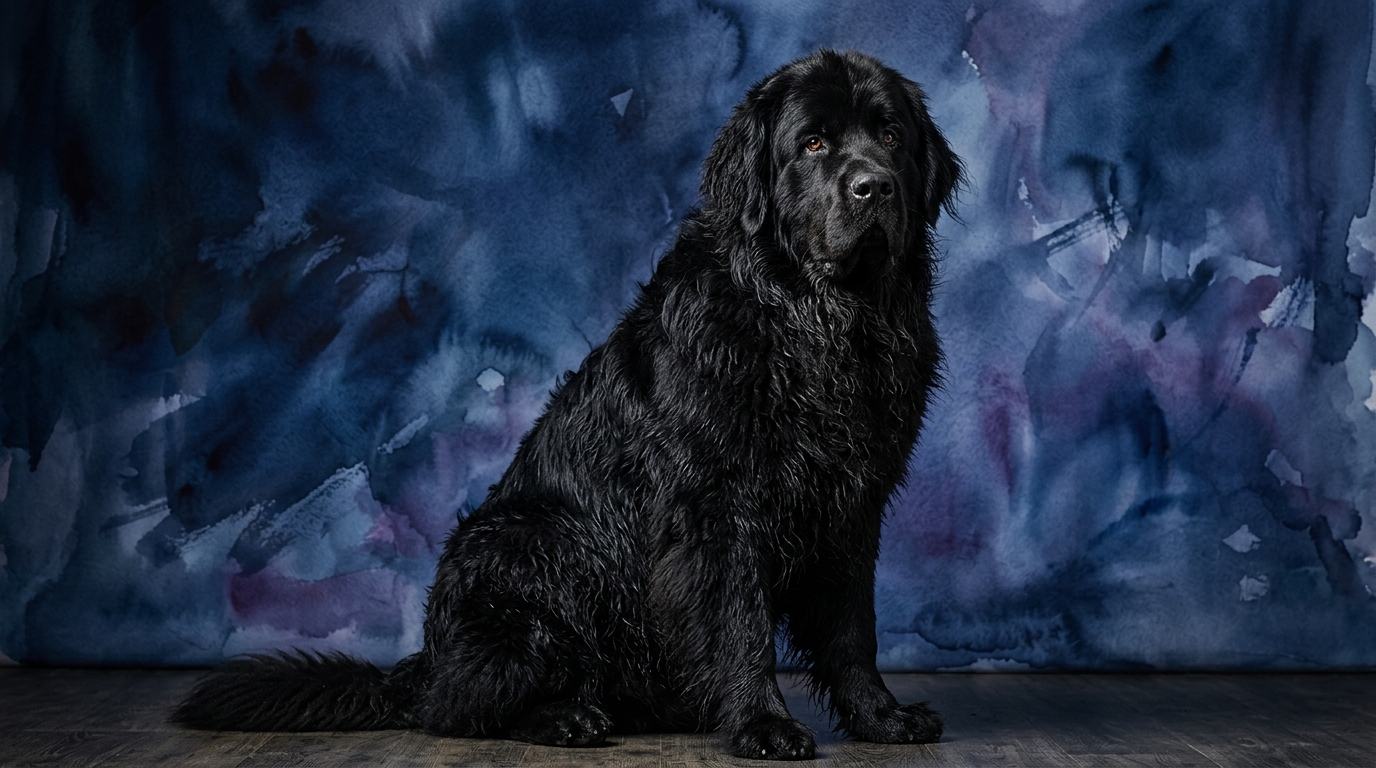
At The Cosmic Pet Pet IQ Lab, we dissect canine intelligence across five critical dimensions to offer a precise understanding of each breed's mental aptitude. For the Working Group Newfoundland (Coren rank #34), their profile reveals a problem-solving capacity of 3/5, indicating they can navigate practical challenges with persistence, particularly when a solution benefits their family. Their training speed is a commendable 4/5, showing a strong willingness to learn and respond to guidance. Where they truly shine is social intelligence, earning a perfect 5/5, reflecting an exceptional empathy and attunement to human emotions. An instinctive drive of 5/5 underscores their deep-seated urges for protection and service, while their memory stands strong at 4/5, ensuring retention of complex routines and experiences.
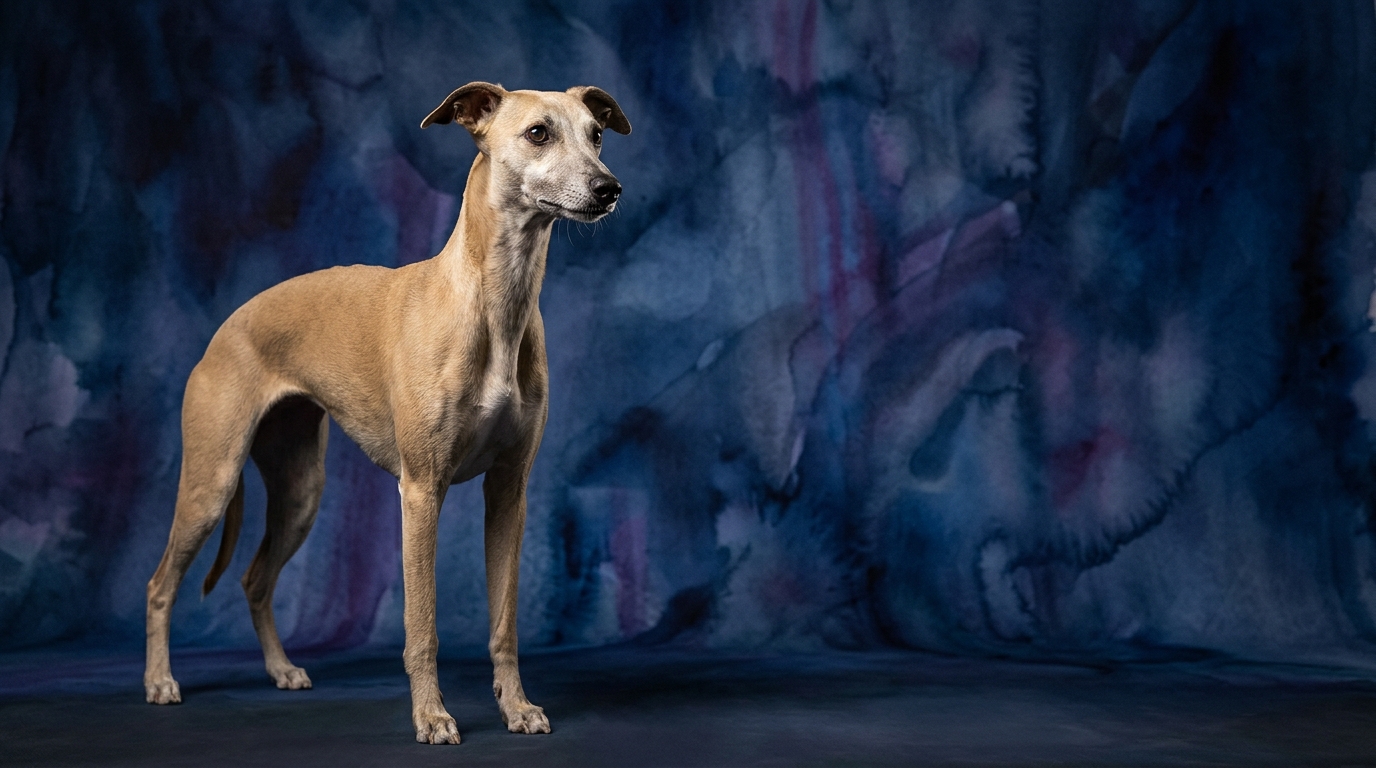
The Hound Group Whippet (Coren rank #51) presents a different, yet equally compelling, cognitive blueprint. They share a similar problem-solving score of 3/5, demonstrating practical ingenuity in their environment, often related to comfort or pursuit. However, their training speed is rated 2/5, suggesting they require more patience and tailored motivation to consistently pick up new commands. Their social intelligence is a robust 4/5, forming deep, affectionate bonds with their chosen humans and understanding household dynamics. A perfect 5/5 instinctive drive highlights their powerful sighthound heritage, primarily focused on chase and observation, while their memory is 3/5, sufficient for daily routines but potentially requiring refreshers for intricate tasks.
Where the Newfoundland's Mind Excels
The Newfoundland's cognitive advantages are particularly evident in domains that prioritize connection and cooperation. Their unparalleled social intelligence, scoring a full 5/5, allows them to perceive and respond to human emotions with remarkable sensitivity. This isn't just about affection; it's a deep cognitive understanding that enables them to excel as therapy animals, anticipating needs and offering comfort. Coupled with their 4/5 training speed, Newfies are typically eager learners, absorbing new commands and complex sequences with fewer repetitions than many breeds. This rapid acquisition is often fueled by their inherent desire to please and their strong work ethic. Furthermore, their 4/5 memory ensures that once a skill or routine is mastered, it is deeply embedded, allowing for consistent and reliable performance, whether it's navigating intricate service dog tasks or recalling specific water rescue protocols. This robust memory, alongside their powerful 5/5 instinctive drive for service, means they can apply learned behaviors effectively even in dynamic or high-stakes situations, a distinct cognitive strength for a working companion.
Where the Whippet's Mind Shines
While the Whippet's intelligence might not manifest in the same overt service-oriented ways as the Newfoundland, their cognitive strengths are uniquely adapted to their breed's purpose and lifestyle. Their 3/5 problem-solving ability often translates into practical ingenuity, such as efficiently navigating a complex park during a high-speed chase or discerning the coziest, sunniest spot for an afternoon nap. This isn't about abstract puzzles, but rather effective, self-preserving, and comfort-seeking solutions. The Whippet's perfect 5/5 instinctive drive is a profound cognitive asset, representing an extraordinary specialization in pursuit. When their sighthound instincts are triggered, their focus becomes singular and intense, demonstrating a highly optimized form of intelligence dedicated to speed, agility, and precision tracking. Their 4/5 social intelligence, while expressed differently from the Newfoundland's overt empathy, allows them to forge incredibly strong, quiet bonds with their humans, understanding subtle household rhythms and individual preferences. They are acutely aware of their human's presence and moods, often responding with a gentle lean or a soft gaze, indicating a deep, if less demonstrative, cognitive connection.
Training Dynamics: Which Breed is More Amenable?
For owners prioritizing ease of training, the Newfoundland generally presents a more straightforward journey. Their 4/5 training speed, combined with a 5/5 social intelligence and a powerful desire to work cooperatively, means they are typically highly receptive pupils. Newfies respond well to positive reinforcement, viewing training as an engaging activity that strengthens their bond with their human. Their 5/5 instinctive drive often channels into cooperative tasks, making them eager to learn commands that involve helping or participating in family life, such as retrieving items or assisting with mobility. This inherent motivation and quick learning curve make them a rewarding experience for many trainers.
Conversely, the Whippet, with a training speed of 2/5, often requires a different approach and a greater degree of patience. Their independent nature, a common trait among hounds, means they are more likely to weigh the immediate reward against the effort required, sometimes choosing to ignore a command if a more compelling scent or sight captures their attention. While their 4/5 social intelligence allows for strong bonds, it doesn't always translate into a strong 'desire to please' in a structured training environment. Their powerful 5/5 instinctive drive is primarily geared towards chasing, which can be a significant distraction during training sessions. Owners must make training highly engaging, fun, and consistently rewarding to overcome their occasional aloofness and strong prey drive, rather than relying solely on their intrinsic motivation to comply.
Lifestyle Suitability: Active vs. Relaxed Owners
The optimal choice between a Newfoundland and a Whippet also significantly depends on an owner's lifestyle and energy output. For active owners who envision a canine partner for structured activities, service work, or consistent outdoor adventures, the Newfoundland's cognitive profile is a strong match. Their robust 4/5 memory and impressive 4/5 training speed make them exceptional candidates for advanced obedience, water sports, and therapy work, where consistent application of learned skills is crucial. Their 5/5 instinctive drive for helping and protecting means they thrive on having a 'job' and require owners prepared to provide consistent mental and physical engagement beyond casual walks.
In contrast, the Whippet often suits owners who appreciate a more relaxed, yet still engaging, companionship. While they possess an explosive burst of energy for short sprints, driven by their 5/5 instinctive drive, they are largely content to spend extended periods curled up on the sofa. Their 3/5 memory and 2/5 training speed suggest they may not be ideal for complex, continuous training regimens, but they excel in homes where their needs for comfort, short bursts of intense exercise, and quiet affection are met. They are less demanding in terms of constant 'work' and more about shared, comfortable living, making them perfect for those who enjoy a calm presence at home but can also offer regular opportunities for their athletic prowess to shine.
The Verdict
Choose a Newfoundland if you seek a deeply empathetic companion eager to learn and participate in family life, requiring consistent mental and physical engagement, especially for tasks involving service or companionship.
Opt for a Whippet if you desire a quiet, affectionate housemate who thrives on comfort and short bursts of intense exercise, appreciating an owner who respects their independent spirit and sighthound instincts.
🧠 Find Your Pet's IQ Score
Our Pet IQ Lab assessment covers 25+ tests across 5 cognitive dimensions — personalized to your breed.
Take the Full IQ Test →Frequently Asked Questions
Is a Newfoundland or Whippet better for a first-time dog owner?
A Newfoundland's eagerness to please and higher trainability often makes them a more forgiving choice for first-time owners who are prepared for their grooming and size needs. Whippets, while gentle, may challenge novice trainers with their independent streak and lower training speed, requiring more nuanced motivational techniques.
Which breed is more adaptable to apartment living?
Despite their size, Newfoundlands can adapt to apartment living if their significant exercise and mental stimulation needs are consistently met, but they do require ample space. Whippets are generally more adaptable to apartments due to their lower indoor energy levels and preference for comfort, provided they receive regular opportunities for vigorous outdoor sprints.
Do Newfoundlands and Whippets get along with other pets?
Newfoundlands, with their high social intelligence and gentle nature, typically integrate well with other pets and children. Whippets, while generally good-natured, possess a strong prey drive (5/5 instinctive drive) which means careful introductions and supervision are crucial, especially with smaller, fast-moving pets like cats or rabbits.