Side-by-Side IQ Profile: Nuances of a 3/5 Score
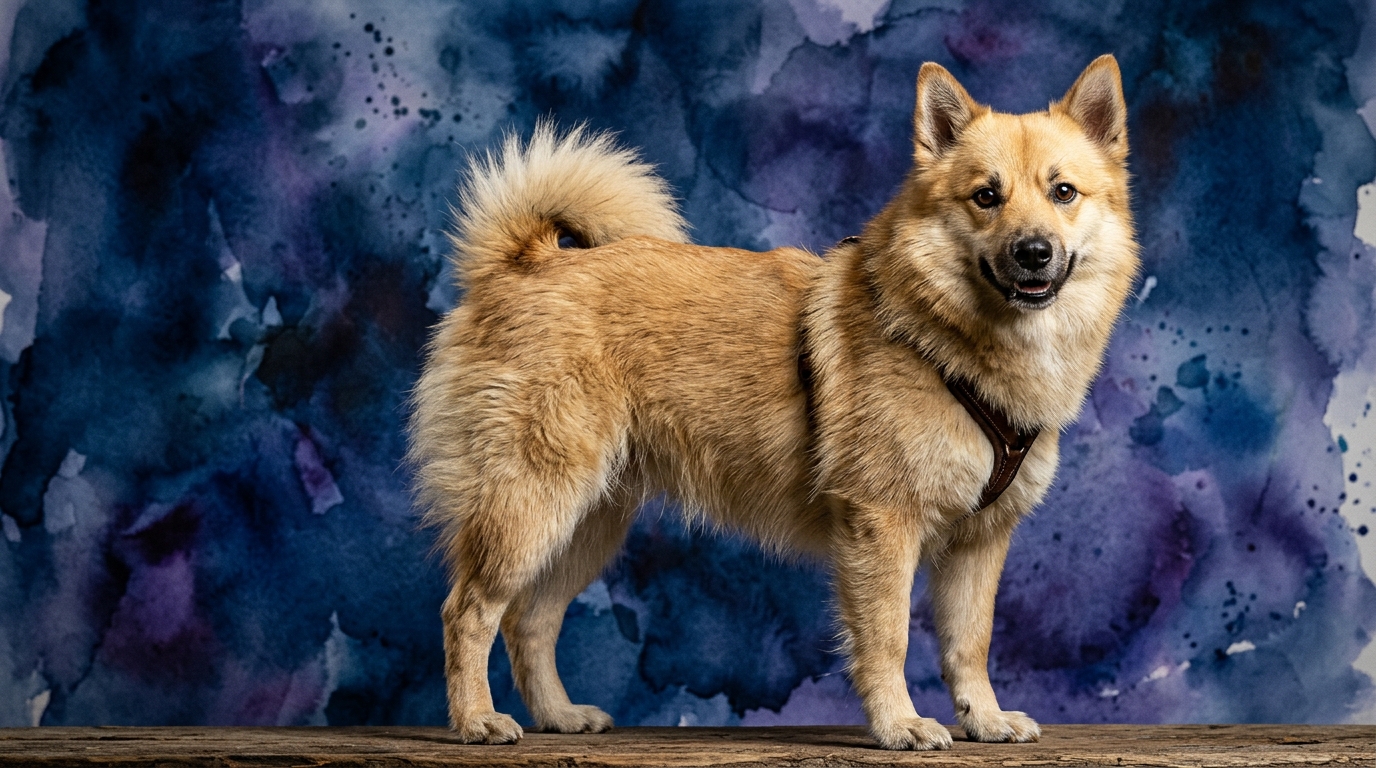
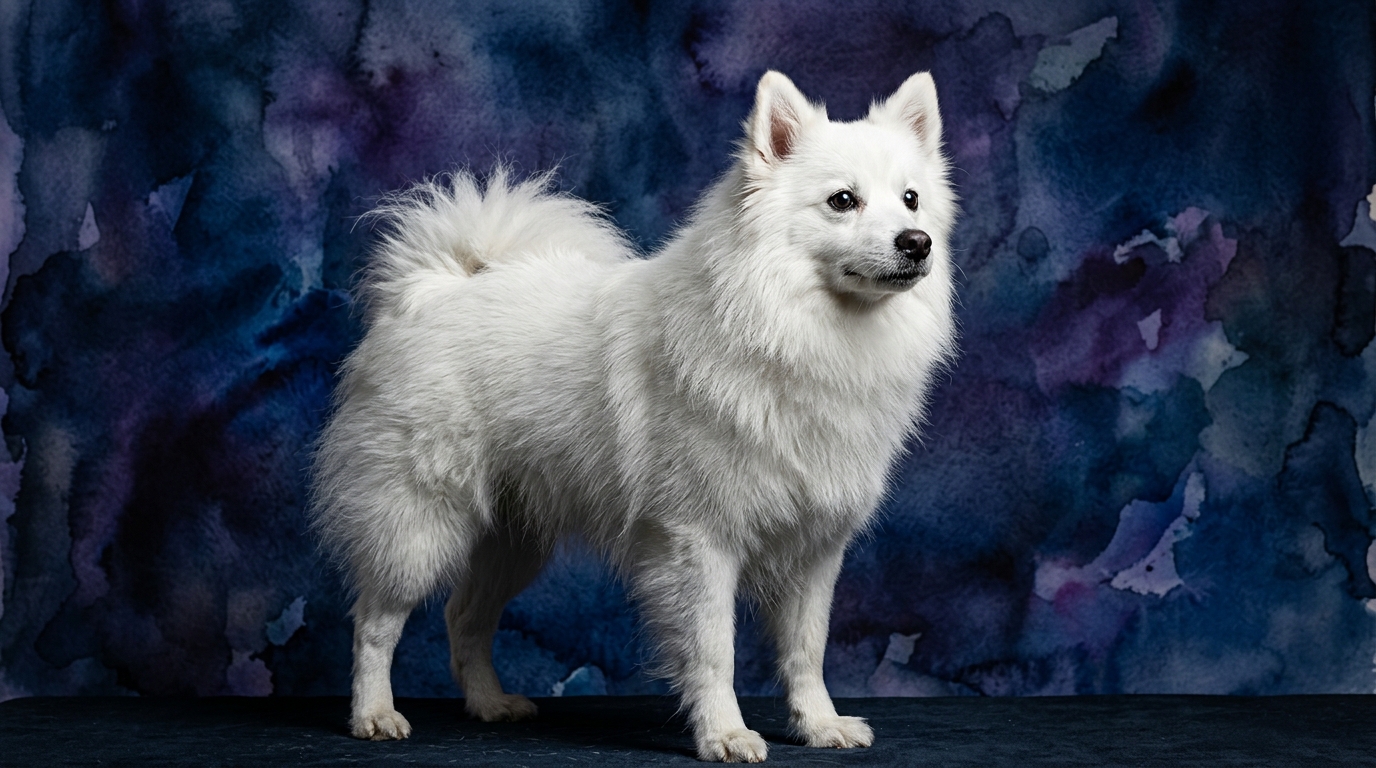
The Cosmic Pet Pet IQ Lab's assessment places both the Norwegian Buhund and the American Eskimo Dog at a consistent 3 out of 5 across all five measured cognitive dimensions, suggesting a comparable foundational aptitude, yet their expressions of these abilities diverge significantly due to their distinct breed histories and inherent temperaments. For Problem Solving, the Norwegian Buhund, a dog bred for herding in challenging Nordic landscapes, likely applies its 3/5 capacity to practical, independent tasks such as maneuvering livestock or navigating complex terrain to achieve a goal, often relying on spatial reasoning and persistence. Conversely, the American Eskimo Dog, with its history as a circus performer and companion, typically channels its 3/5 problem-solving acumen towards understanding human cues, manipulating objects for reward, or figuring out how to gain attention and engage in interactive games, demonstrating a more socially-oriented approach to challenges.
Regarding Training Speed, both breeds achieve a 3/5, indicating they generally grasp new commands and routines at a moderate pace, but their motivations differ. The Buhund's herding lineage means it often responds well to clear, consistent direction and thrives on having a defined 'job,' making it receptive to obedience work that mimics its natural working drive. The American Eskimo Dog, conversely, often excels in performance-based training due to its desire to please and its enjoyment of being the center of attention, responding enthusiastically to positive reinforcement and engaging, varied training sessions. Their Social Intelligence, also rated 3/5, manifests uniquely. The Buhund’s social awareness is often geared towards understanding pack dynamics, interpreting subtle handler signals in a working context, and discerning potential threats to its family unit, reflecting its protective and watchful nature. The Eskie’s social intelligence, however, is typically finely tuned to human emotions and family interactions, allowing it to pick up on nuanced social cues and adapt its behavior to foster companionship and engagement within its household.
Their Instinctive Drive, a balanced 3/5 for both, highlights their foundational impulses. For the Norwegian Buhund, this drive is often expressed through its inherent herding tendencies, a vigilant watchdog nature, and a strong desire for purposeful activity, requiring outlets for its energy and working spirit. The American Eskimo Dog’s 3/5 instinctive drive is more often channeled into a powerful need for human companionship, a playful demeanor, and an alert territorial awareness, making it a keen observer of its surroundings and a devoted family member. Finally, their Memory, also rated 3/5, supports their respective roles. The Buhund demonstrates a solid memory for established routines, learned commands, and the layout of its territory, crucial for its herding and guarding duties. The Eskie, meanwhile, exhibits a reliable memory for tricks, specific social interactions, and the intricacies of its daily family life, enabling it to consistently engage in learned behaviors and recall past experiences with its human companions.
Where the Norwegian Buhund Shows Cognitive Strengths
While both breeds share identical IQ scores, the Norwegian Buhund's cognitive strengths distinctly emerge in scenarios demanding independent thought and proactive action in a dynamic environment, particularly due to its herding heritage. Its 3/5 problem-solving ability often shines when faced with open-ended tasks that require spatial reasoning and quick decision-making, such as navigating an obstacle course without explicit guidance or figuring out how to 'herd' children away from a perceived danger. This breed's instinctive drive, also a 3/5, translates into a profound capacity for vigilance and protective behavior, making it adept at assessing its surroundings and acting as a natural guardian. Their social intelligence, while rated 3/5, is particularly effective in understanding the 'rules' of a working relationship, allowing them to anticipate a handler's next move in a structured activity or discern subtle shifts in their family's 'flock' dynamics. The Buhund's memory is robust for routines and learned tasks, enabling consistent performance in activities requiring a sequence of actions or recall of specific boundaries.
Where the American Eskimo Dog Shows Cognitive Strengths
The American Eskimo Dog's particular cognitive strengths, despite matching scores, are most evident in contexts emphasizing human interaction, nuanced social understanding, and adaptable engagement. Its 3/5 problem-solving often excels in situations requiring an understanding of human intent and clever manipulation of attention, such as figuring out the precise vocalization or action needed to solicit a treat or initiate play. The Eskie's social intelligence, while a 3/5, is especially refined when it comes to reading human emotions and adapting its behavior to maintain harmony and companionship within a family setting; they are often masters at sensing a mood change and responding appropriately, whether with a comforting nudge or an invitation to play. Their training speed, also 3/5, is bolstered by a keen desire to please and a love for performing, meaning they can quickly pick up complex tricks or multi-step commands when motivated by positive reinforcement and enthusiastic praise. The Eskie's memory is particularly strong for social cues, learned tricks, and the specific dynamics of its household, making it a highly responsive and engaging companion who remembers past interactions vividly.
Which is Easier to Train and Why: Behavioral Differences
Assessing which breed is 'easier' to train when both possess a 3/5 training speed requires looking beyond raw aptitude to their inherent motivations and behavioral tendencies. The Norwegian Buhund, rooted in herding, often finds satisfaction in working collaboratively with a handler towards a tangible goal. They respond well to a confident, consistent leader who provides clear direction and purpose. Their willingness to engage in tasks that mimic their historical role, like agility or advanced obedience, means they are often eager students who enjoy the process of learning and fulfilling a 'job.' Their potential challenge lies in their independent nature and vocal tendencies, which require early, consistent management to channel their drive productively.
The American Eskimo Dog, conversely, thrives on positive reinforcement, attention, and making their human companions happy. Their history as performers means they often possess a natural flair for tricks and a strong desire to be the center of attention, which can make training highly engaging and rewarding. They are often quick to understand what is being asked when the motivation is clear and the process is fun. However, their vocal nature and potential for stubbornness if not properly motivated can present challenges. For owners who enjoy interactive, praise-heavy training and desire a dog that loves to 'show off' its skills, the Eskie might feel more immediately 'easier' due to their inherent eagerness to engage and please through performance.
Active Owners vs. Relaxed Owners: A Lifestyle Match
The choice between a Norwegian Buhund and an American Eskimo Dog often boils down to an owner's lifestyle and their capacity to meet each breed's distinct needs for physical and mental engagement, despite their similar instinctive drive ratings. The Norwegian Buhund, with its 3/5 instinctive drive rooted in herding and guarding, is unequivocally suited for active owners. This breed requires substantial daily exercise, including brisk walks, runs, or engaging in dog sports like agility, herding trials, or flyball. Their problem-solving and memory capabilities thrive when given regular mental challenges, making them an excellent fit for individuals or families who enjoy an outdoor, active lifestyle and can provide consistent training and purposeful activities. A Buhund left without sufficient stimulation can become bored, vocal, and potentially destructive, channeling its energy in less desirable ways.
The American Eskimo Dog, while also energetic and requiring regular activity, aligns well with owners who are active in a different sense – those who are consistently present, engaging, and willing to incorporate their dog into daily family life. Their 3/5 instinctive drive is heavily geared towards companionship and interaction, meaning they thrive on being included in activities, whether it's walks, playtime in the yard, or learning new tricks indoors. While they need daily walks and playtime, their exercise requirements can often be met through a combination of physical activity and substantial mental engagement through training, puzzles, and interactive play. They are less suited for owners who expect a dog to be content with minimal interaction, as their social intelligence and desire for companionship are paramount. For owners who prioritize consistent, engaging interaction over intense, high-impact exercise, the Eskie can be a wonderful match.
The Verdict: When to Choose Each Breed
The Verdict
Choose the Norwegian Buhund if you are an active individual or family seeking a highly engaged, watchful companion for outdoor adventures and structured dog sports, valuing a dog that thrives on having a 'job' and exhibits independent problem-solving.
Opt for the American Eskimo Dog if you desire a devoted, interactive companion who excels in social engagement and trick training, and you are prepared to provide consistent attention, mental stimulation, and moderate daily exercise within a family-centric lifestyle.
🧠 Find Your Pet's IQ Score
Our Pet IQ Lab assessment covers 25+ tests across 5 cognitive dimensions — personalized to your breed.
Take the Full IQ Test →Frequently Asked Questions
Are Norwegian Buhunds good with children?
Norwegian Buhunds can be good with children, especially if raised with them and properly socialized. Their herding instinct may lead them to 'herd' children, so supervision and teaching appropriate interactions are important for a harmonious household.
Do American Eskimo Dogs bark a lot?
American Eskimo Dogs are known for being vocal and can bark frequently, particularly if bored, lonely, or when alerting to strangers. Consistent training and mental stimulation from a young age can help manage their barking tendencies.
Which breed is better for apartment living?
Neither breed is ideally suited for small apartment living without significant commitment from their owners. The American Eskimo Dog might adapt slightly better if its needs for mental stimulation and companionship are met with frequent outings and engagement, while the Norwegian Buhund generally requires more space and extensive outdoor activity due to its strong working drive.