Side-by-Side IQ Profile: Unpacking Identical Scores
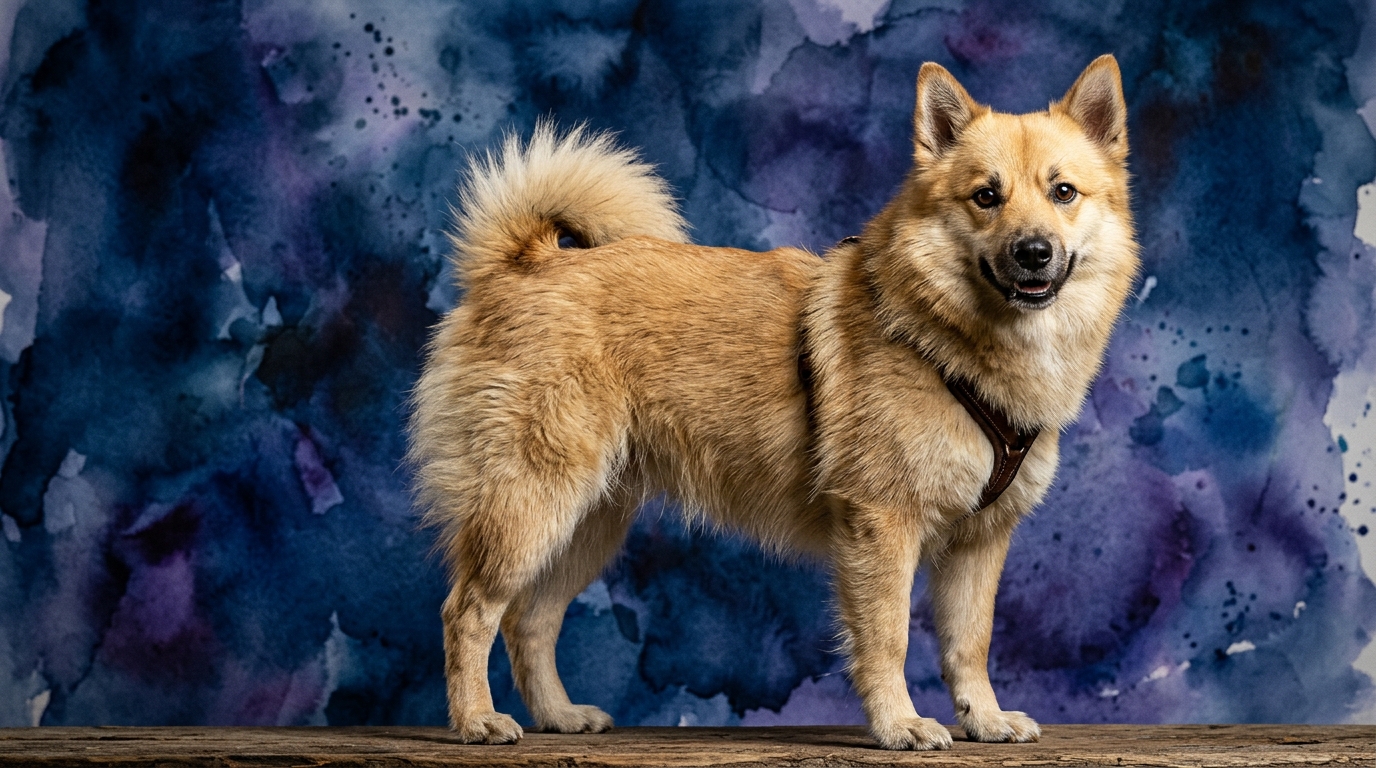
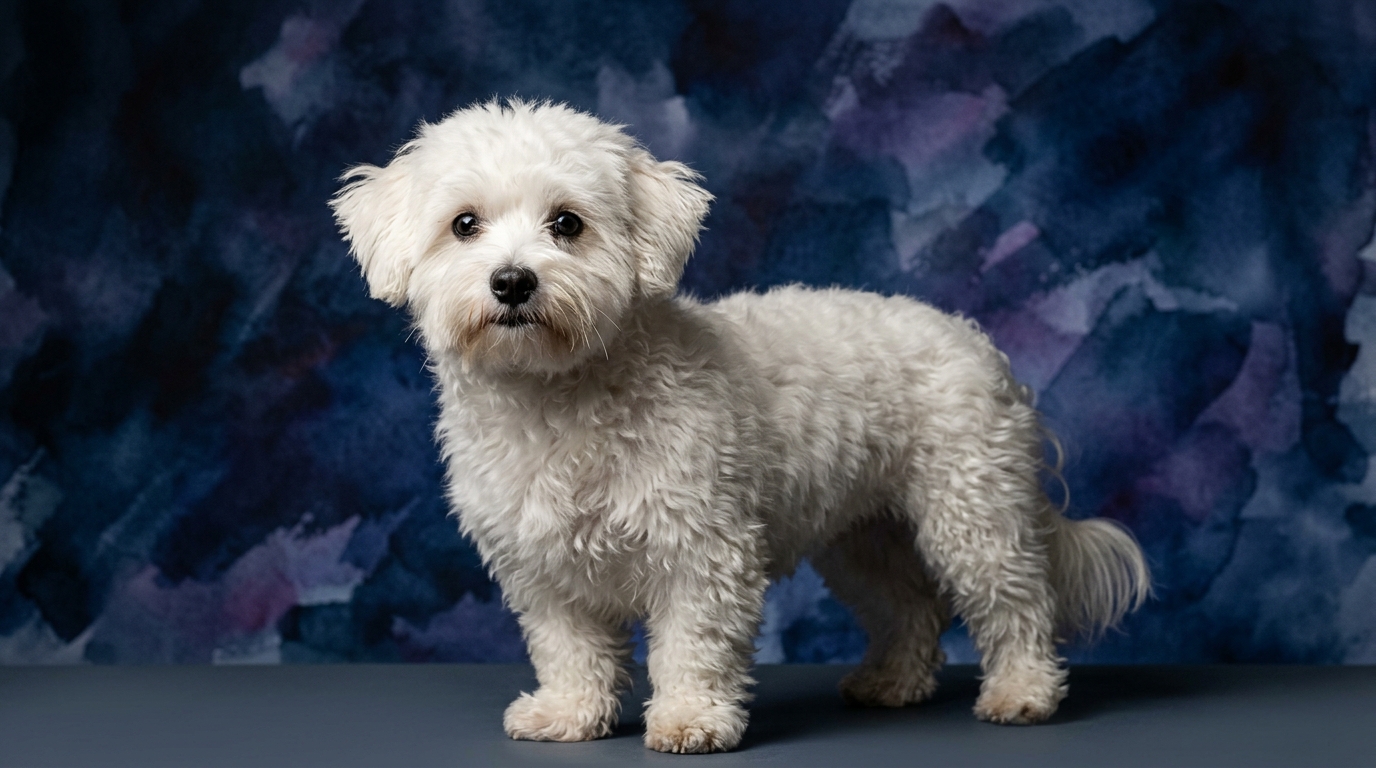
When two breeds share the same numerical score across the board, it becomes crucial to look beyond the numbers and understand how these capabilities manifest through the lens of their unique breed purpose and temperament. Both the Norwegian Buhund, a spirited herding dog from Norway, and the Coton de Tuléar, a charming companion breed from Madagascar, achieve a '3' in problem-solving, training speed, social intelligence, instinctive drive, and memory. This indicates that neither is a cognitive outlier at either end of the spectrum, but rather capable and adaptable in their own distinct ways.
For Problem Solving (3/5), a Buhund typically demonstrates ingenuity in navigating complex outdoor environments or managing livestock, exhibiting a practical, task-oriented approach to challenges. A Coton, conversely, might apply its problem-solving acumen to deciphering household routines, manipulating objects for entertainment, or creatively soliciting human attention, often excelling in more nuanced social puzzles within a domestic setting.
Regarding Training Speed (3/5), the Buhund's responsiveness often shines when presented with clear, purposeful commands that engage its working drive, absorbing multi-step sequences for herding or advanced obedience with a focus on utility. The Coton, equally quick to learn, often thrives on positive reinforcement and engaging, play-based training, readily picking up tricks and house manners driven by a strong desire to please and connect with its family.
Social Intelligence (3/5) in a Buhund often translates to an acute awareness of its handler's intentions in a working context, alongside an understanding of flock dynamics or environmental shifts. A Coton's social intelligence, however, is frequently expressed through its deep attunement to human emotions, subtle body language, and the intricate social fabric of its household, making it a perceptive and responsive companion.
Instinctive Drive (3/5) is perhaps where the functional differences are most pronounced despite the shared score. The Buhund's drive is rooted in its herding heritage—vigilance, a desire to gather and protect, and a keen sense of territory. The Coton's drive is overwhelmingly centered on companionship, play, and an inherent need to be an integral, affectionate part of its human family, often motivating its actions towards interaction and comfort.
Finally, Memory (3/5) for a Buhund often involves recalling complex routes, specific commands, and the patterns of its environment or charges, essential for its working roles. For a Coton, memory typically encompasses household routines, the specific preferences of its family members, and the locations of its favorite toys or resting spots, contributing to its seamless integration into family life.
Where the Norwegian Buhund Demonstrates Unique Cognitive Strengths
While sharing numerical scores, the Norwegian Buhund's cognitive profile is uniquely shaped by its herding lineage, allowing its 3/5 abilities to manifest in specific, robust ways. Its problem-solving skills, for instance, are particularly adept at spatial reasoning and dynamic environmental assessment. A Buhund might intuitively figure out the most efficient path to gather scattered sheep or anticipate the movements of a flock, demonstrating a practical intelligence geared towards real-world, often unpredictable, scenarios.
The Buhund's instinctive drive, even at a 3/5, provides a powerful underlying motivation for engagement. This drive, channeled correctly, fuels its training speed, making it eager to learn commands that provide purpose and structure, such as complex obedience routines or agility courses. Its social intelligence, though applicable to human interaction, truly shines in its ability to interpret and respond to the subtle cues of other animals and the broader environment, an essential trait for a vigilant guardian and herder.
Furthermore, a Buhund's memory is often strong for sequences of tasks and environmental details, enabling it to recall complex routines or navigate familiar territories with precision. This breed thrives on having a 'job,' and its cognitive strengths are best observed when it's given opportunities to apply its intelligence in a purposeful, active manner, showcasing its independent yet collaborative nature.
Where the Coton de Tuléar Demonstrates Unique Cognitive Strengths
The Coton de Tuléar, while sharing the same 3/5 scores, excels in a different domain, showcasing its cognitive abilities within the context of devoted companionship. Its social intelligence, for example, is profoundly attuned to human interaction. A Coton will often demonstrate a remarkable ability to read emotional states, anticipate needs, and adapt its behavior to fit the mood of its family, making it an exceptionally empathetic and responsive presence.
The Coton's problem-solving skills are often applied to mastering the intricacies of its domestic world, such as figuring out how to open a cabinet for a treat or strategically positioning itself for maximum attention. This breed’s training speed is amplified by its strong desire to please and its inherent joy in interaction, meaning it quickly grasps new commands and tricks that foster connection and positive reinforcement, often making the learning process feel effortless and fun for owners.
Its instinctive drive, focused on companionship, ensures that a Coton is perpetually engaged with its human family, and its memory is excellent for routines, faces, and emotional associations. This allows the Coton to seamlessly integrate into family life, remembering who prefers to play fetch and who offers the best cuddles. The Coton's cognitive strengths are best appreciated in its capacity for deep emotional bonding and its adaptable, charming approach to life within a family unit.
Which is Easier to Train, and Why?
Despite both breeds scoring 3/5 in training speed, the perceived ease of training can vary significantly based on owner expectations and training methods. The Norwegian Buhund, with its herding background, often requires a trainer who understands its need for purpose and structure. While quick to learn complex commands, a Buhund might display an independent streak if it doesn't see the value in a task or if training is inconsistent. They respond best to clear leadership, consistent expectations, and tasks that engage their natural drives, such as advanced obedience, agility, or even scent work. Their herding instinct can sometimes translate into 'managing' their household, which requires early and consistent guidance to channel appropriately.
The Coton de Tuléar, on the other hand, often feels 'easier' to train for many owners due to its intense desire for human companionship and positive reinforcement. Their motivation to please their family makes them highly receptive to praise, treats, and play during training sessions. While they learn at a similar pace, their focus is often more directed towards their person, making them eager participants in learning household manners, charming tricks, and basic obedience. They thrive on positive, gentle methods and can become withdrawn if training is harsh or inconsistent. Their smaller size and less demanding physical needs also contribute to a perception of easier management in a typical home environment, allowing owners to focus more on the mental engagement aspects of training.
Which Suits Active Owners Versus Relaxed Owners?
The choice between a Norwegian Buhund and a Coton de Tuléar largely hinges on an owner's lifestyle and their capacity to meet the breed's intrinsic needs. The Norwegian Buhund is unequivocally suited for active owners. Its 3/5 instinctive drive, rooted in herding, translates into a need for substantial daily exercise and consistent mental stimulation. These dogs thrive on long walks, runs, hikes, and engaging in dog sports like agility, herding trials, or flyball. A Buhund that doesn't receive adequate physical and mental outlets can become restless, vocal, or find its own 'jobs' around the house, which might not align with owner preferences. They are companions for adventures and purposeful activity.
The Coton de Tuléar is far more adaptable and can suit a range of owners, including those with a more relaxed lifestyle, provided their social needs are met. While playful and energetic, Cotons do not possess the same intense drive for constant, high-impact activity as a Buhund. They are generally content with moderate daily exercise, such as a couple of brisk walks, alongside indoor play sessions. Their primary need is for companionship and inclusion in family activities, rather than extensive physical exertion. They are excellent apartment dwellers if given opportunities for regular outings and consistent social interaction, thriving as affectionate lapdogs who enjoy mental games and short bursts of play.
The Verdict
Choose the Norwegian Buhund if you are an active individual or family seeking a proactive, engaged canine partner who thrives on purpose, outdoor adventures, and consistent mental challenges.
Opt for the Coton de Tuléar if you desire an affectionate, adaptable companion who excels in social dynamics within a home setting, thrives on close human interaction, and has moderate exercise requirements.
🧠 Find Your Pet's IQ Score
Our Pet IQ Lab assessment covers 25+ tests across 5 cognitive dimensions — personalized to your breed.
Take the Full IQ Test →Frequently Asked Questions
Are Norwegian Buhunds difficult to train?
Norwegian Buhunds are not difficult to train, scoring 3/5 in training speed, but they do require a specific approach. Their independent herding nature means they respond best to consistent, firm-but-fair training that engages their intellect and provides a clear purpose for their actions. Without this, they might seem less compliant.
Do Coton de Tuléars need a lot of exercise?
Coton de Tuléars have moderate exercise needs, scoring 3/5 in instinctive drive, which is primarily geared towards companionship. They enjoy daily walks and indoor play, but do not require the intense physical exertion of a working breed. Their primary need is consistent social interaction and being an integral part of family activities.
How do breed instincts influence intelligence expression?
Breed instincts profoundly shape how a dog's general intelligence (like a 3/5 score) is applied and perceived. A Norwegian Buhund's herding instincts direct its problem-solving towards environmental management, while a Coton de Tuléar's companion instincts focus its social intelligence on human emotional cues, demonstrating how identical cognitive capacities can manifest in functionally distinct ways.