A Detailed Look at Identical IQ Profiles
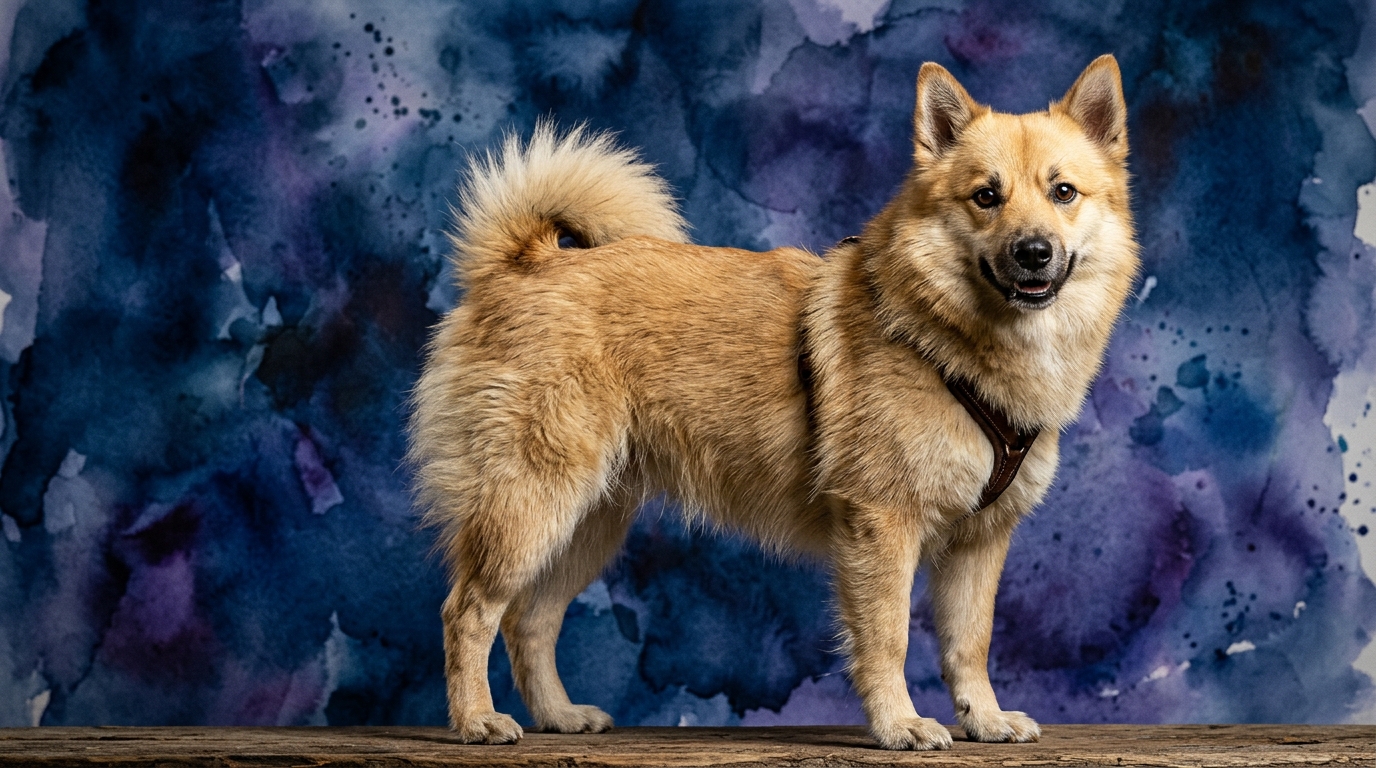
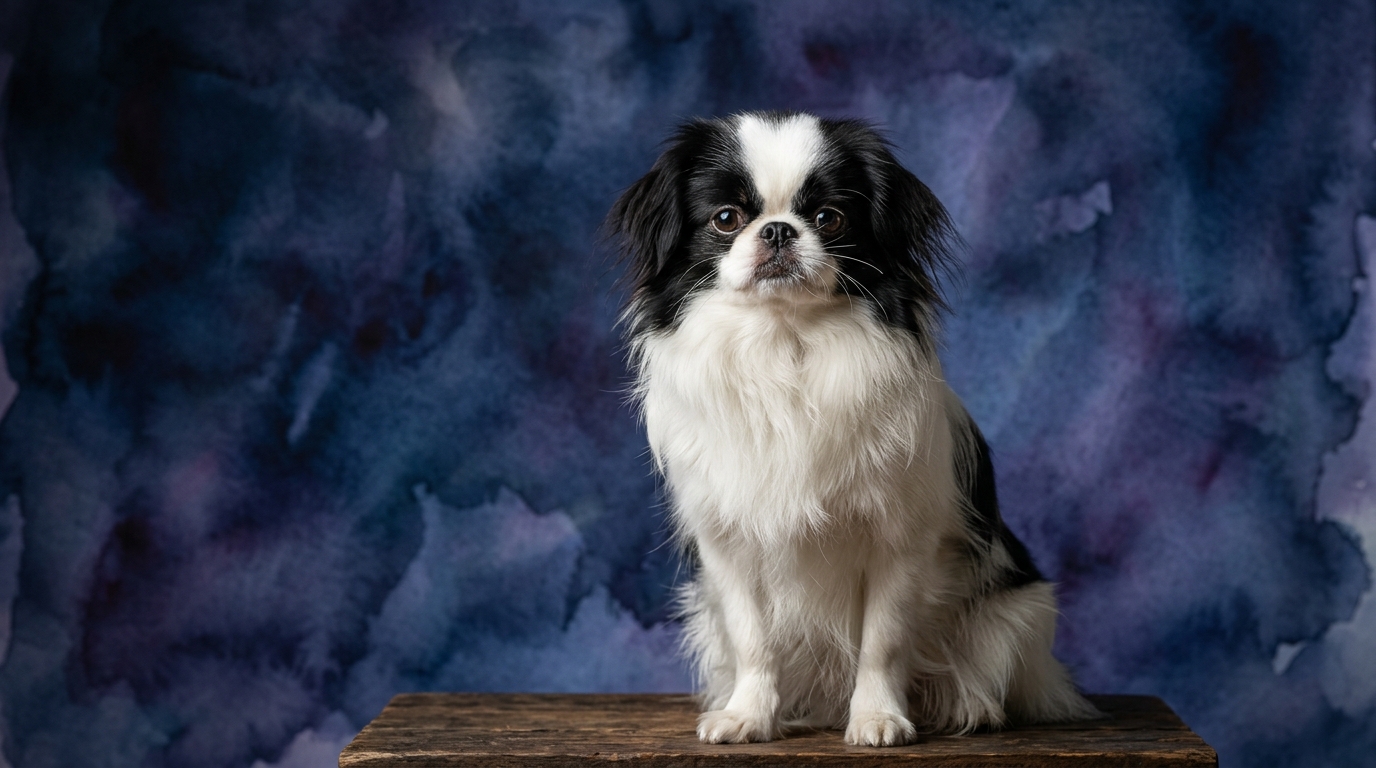
**Problem Solving (3/5):** For the Norwegian Buhund, a Herding dog, this score often translates to tactical thinking in managing livestock, strategizing movement, and navigating complex outdoor environments. Their problem-solving might involve figuring out how to retrieve a stray animal or bypass an obstacle in a field. In contrast, the Japanese Chin, a companion Toy breed, applies its problem-solving acumen to social dynamics, understanding household routines, or manipulating objects to gain attention or access a comfortable spot; their challenges are more likely to involve figuring out how to get a favorite toy from under furniture or understanding human emotional cues to elicit a desired response.
**Training Speed (3/5):** A 3/5 in training speed for the Buhund indicates a capacity for learning new commands at a moderate pace, often driven by their desire to work alongside their human companions. They respond well to consistent, positive reinforcement that taps into their natural drive. The Japanese Chin also learns at a moderate speed, but their motivation stems from a desire for companionship and positive interaction, thriving on engaging, gentle training sessions.
**Social Intelligence (3/5):** The Buhund's social intelligence shines in its ability to understand hierarchical structures within a pack and interpret signals of livestock and handlers, adapting behavior to group dynamics. The Japanese Chin's social intelligence focuses primarily on human interaction, displaying a keen ability to read emotions, anticipate needs, and adapt to maintain harmony within the family unit, forming deep bonds.
**Instinctive Drive (3/5):** The Buhund's instinctive drive is linked to its herding heritage, manifesting as a strong desire to gather, control, and protect, a powerful motivator for productive activities. For the Japanese Chin, a 3/5 instinctive drive is less about working function and more about innate desire for companionship, comfort, and playful mischief, often seeking warmth and human laps.
**Memory (3/5):** Both breeds possess a solid 3/5 memory, allowing them to recall learned commands, routines, and experiences. The Buhund's memory aids in remembering complex herding patterns or previously encountered obstacles, contributing to task reliability. The Japanese Chin's memory is crucial for retaining household rules, remembering specific people and their preferences, and recalling cherished items, contributing to domestic adaptability.
Where the Norwegian Buhund Shows its Unique Cognitive Strengths
The Norwegian Buhund, a Herding dog, exhibits cognitive strengths rooted in its ancestral purpose. Its 3/5 problem-solving excels at spatial reasoning and sequential task execution, quickly assessing environments and strategizing actions, like guiding animals. Their 3/5 instinctive drive is a consistent motivator for structured activities, making them receptive to training involving patterns and clear objectives, driven by purposeful interaction and control. Their social intelligence manifests as a strong ability to work collaboratively, understanding their role within a team and responding with duty and cooperation in environments with clear tasks. This breed thrives on having a job, with cognitive abilities tuned for executing responsibilities and a reliable memory for past lessons. Their 3/5 memory translates into impressive recall for complex command sequences, vital for herding tasks, making advanced obedience or dog sports a natural fit. The Buhund's cognitive architecture is geared towards active learning and applying knowledge in dynamic situations, demonstrating robust cognitive flexibility for purposeful partnership.
Where the Japanese Chin's Cognition Shines Brightest
The Japanese Chin, a quintessential Toy breed, showcases cognitive strengths intimately tied to its companion role, even with identical IQ scores to the Buhund. Their 3/5 problem-solving is often expressed through astute observation of human behavior and household patterns, quickly figuring out how to signal needs or cleverly navigate objects for comfort. Their 3/5 social intelligence is particularly refined in decoding human emotions and intentions, anticipating moods and adapting behavior to maintain harmony and affection, making them intuitive companions. Their instinctive drive, while not for herding, is a powerful motivator for seeking comfort, companionship, and engaging in charming interactions, making them exceptionally responsive to positive human connection. The Japanese Chin’s 3/5 memory is sharp for recalling specific human preferences, routines, and favored locations, aiding adaptability within a home. Their 3/5 training speed is bolstered by eagerness to please and desire for human approval, making them responsive to gentle, reward-based methods for learning manners and tricks. The Chin's cognitive strengths lie in their capacity for deep emotional connection and thriving in a human-centric world, using intellect to foster strong, reciprocal relationships and navigate social landscapes with grace.
Training Nuances: Which Breed is Easier to Train?
While both breeds share a 3/5 training speed, the *nature* of their trainability differs due to inherent motivations and breed purposes. The Norwegian Buhund generally presents as easier to train for obedience and structured tasks because their Herding background imbues them with a strong desire to work, a natural inclination towards following direction, and stamina for repetitive learning. They thrive on clear commands, consistent routines, and purposeful problem-solving activities like agility. Their instinctive drive to "do a job" means they view training as a partnership towards a shared goal, often less distracted once engaged. The Japanese Chin, while equally capable, can present different training nuances. Their motivations typically center on companionship and comfort, not working drive. They can be sensitive to perceived unfairness, requiring very positive, reward-based approaches that feel like an extension of their bond. Their problem-solving might lead them to clever ways to get what they want rather than strict adherence if the reward isn't compelling enough, and they can be more distracted by their environment or desire for affection. Therefore, while both learn, the Buhund's inherent drive for purpose-driven work generally makes consistent obedience more straightforward, while the Chin requires a more nuanced, relationship-focused approach for engagement.
Matching Cognitive Profiles to Lifestyles: Active vs. Relaxed Owners
The cognitive profiles of the Norwegian Buhund and Japanese Chin lend themselves to very different owner lifestyles, despite identical IQ scores. The Norwegian Buhund is an ideal match for active owners who relish engaging their dog in purposeful activities. Their 3/5 problem-solving and instinctive drive mean they thrive on mental and physical challenges like herding, agility, or long hikes. Owners who enjoy teaching complex sequences and providing a "job" will find the Buhund's cognitive makeup rewarding, as they need consistent stimulation to prevent boredom. Their social intelligence makes them excellent partners for collaborative relationships and clear communication in outdoor adventures. Conversely, the Japanese Chin's cognitive strengths make it a superb fit for more relaxed owners who appreciate a dog whose primary role is companionship. Their social intelligence, focused on human nuances, allows them to seamlessly integrate into a calm household rhythm, offering intuitive comfort and gentle play. While they possess 3/5 problem-solving, it's often directed at understanding household dynamics or securing a cozy spot, not demanding vigorous activity. Their instinctive drive for comfort and affection means they are content with shorter walks and ample cuddle time. Owners who enjoy a dog that reads their moods, is content with indoor activities, and thrives on close personal connection will find the Chin’s cognitive and emotional landscape perfectly aligned with their lifestyle.
The Verdict
Choose the Norwegian Buhund if you are an active owner seeking a purposeful partner for outdoor adventures, dog sports, and a dog that thrives on having a job and collaborative training. Their robust cognitive drive for work makes them a rewarding companion for an engaged lifestyle.
Opt for the Japanese Chin if you seek a refined, intuitive companion perfectly suited for a relaxed indoor lifestyle, valuing deep emotional connection, subtle communication, and a dog whose primary joy comes from close companionship and gentle interaction.
🧠 Find Your Pet's IQ Score
Our Pet IQ Lab assessment covers 25+ tests across 5 cognitive dimensions — personalized to your breed.
Take the Full IQ Test →Frequently Asked Questions
Do Norwegian Buhunds and Japanese Chins learn at the same pace?
While both breeds have a training speed rating of 3/5, indicating a moderate learning pace, their motivations differ. Buhunds are often driven by a desire to work and please, making structured obedience straightforward, whereas Chins respond best to positive, relationship-focused training due to their strong companion drive.
How does problem-solving differ between these breeds despite identical scores?
The Norwegian Buhund applies its 3/5 problem-solving to practical, often outdoor, scenarios like navigating obstacles or managing livestock. The Japanese Chin, in contrast, typically uses its problem-solving acumen for social navigation within a home, understanding human cues, or manipulating its environment for comfort and attention.
Which breed is more prone to destructive behavior if not mentally stimulated?
The Norwegian Buhund, with its strong Herding instinctive drive and need for purpose, is more likely to develop destructive behaviors or excessive barking if not provided with sufficient physical and mental stimulation. The Japanese Chin, while needing engagement, is generally less prone to destructive behaviors and more likely to express boredom through seeking attention or becoming withdrawn.