Side-by-Side IQ Profile: Herding Instinct vs. Companion Aptitude
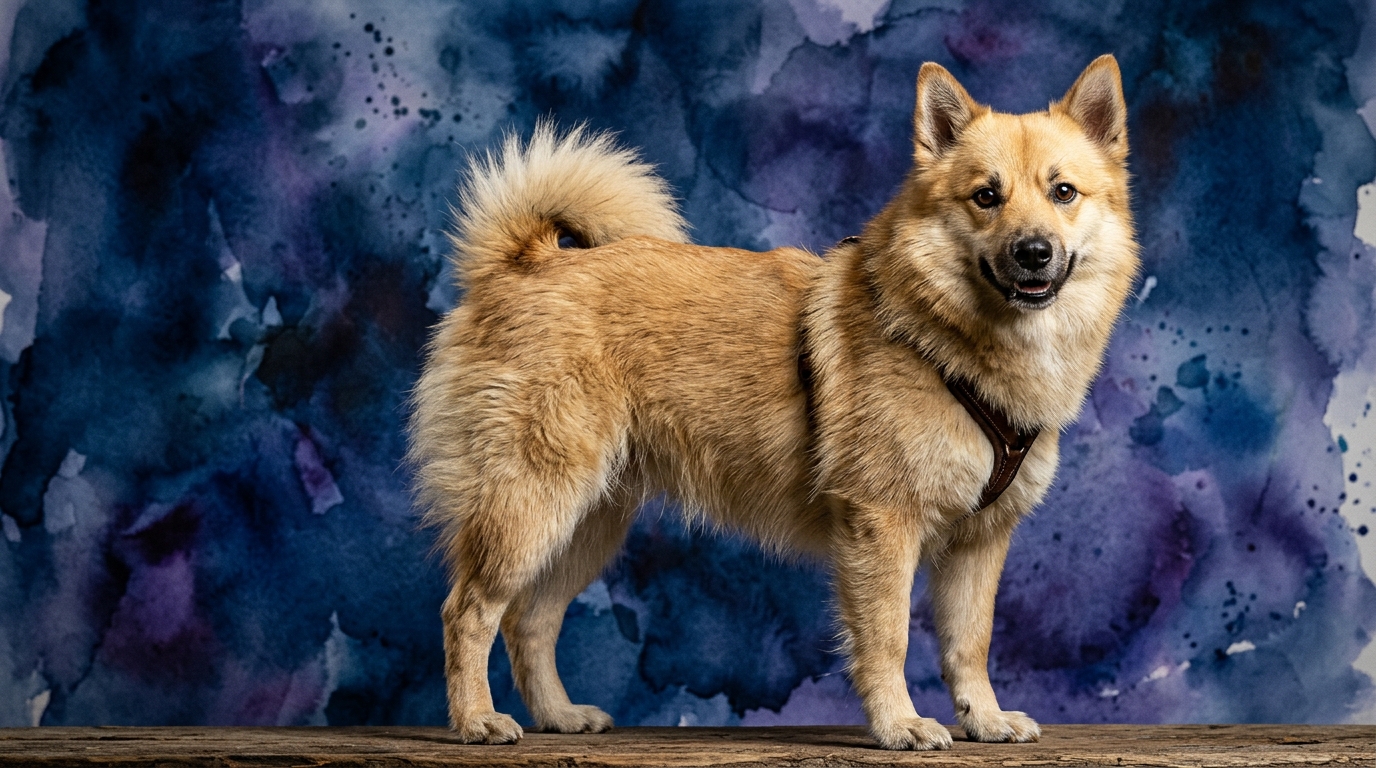
The Cosmic Pet Pet IQ Lab provides a nuanced view of canine cognition across five key dimensions. For the Norwegian Buhund, a breed historically tasked with guarding and herding, its scores reflect a balanced, practical intelligence. It registers a 3/5 in Problem Solving, indicating a capacity for independent thought and finding solutions to immediate, often physical, challenges, but perhaps not seeking out complex puzzles for their own sake. Training Speed also sits at 3/5, suggesting a steady learning pace that requires consistent, positive reinforcement to solidify commands. Its Social Intelligence is rated 3/5, meaning it capably reads human cues and integrates into a family unit, but might not possess the same depth of empathetic connection as some highly attuned companion breeds. An Instinctive Drive of 3/5 points to a moderate, purposeful drive, channeled into its herding heritage, while Memory at 3/5 indicates a solid ability to retain learned behaviors and routines.
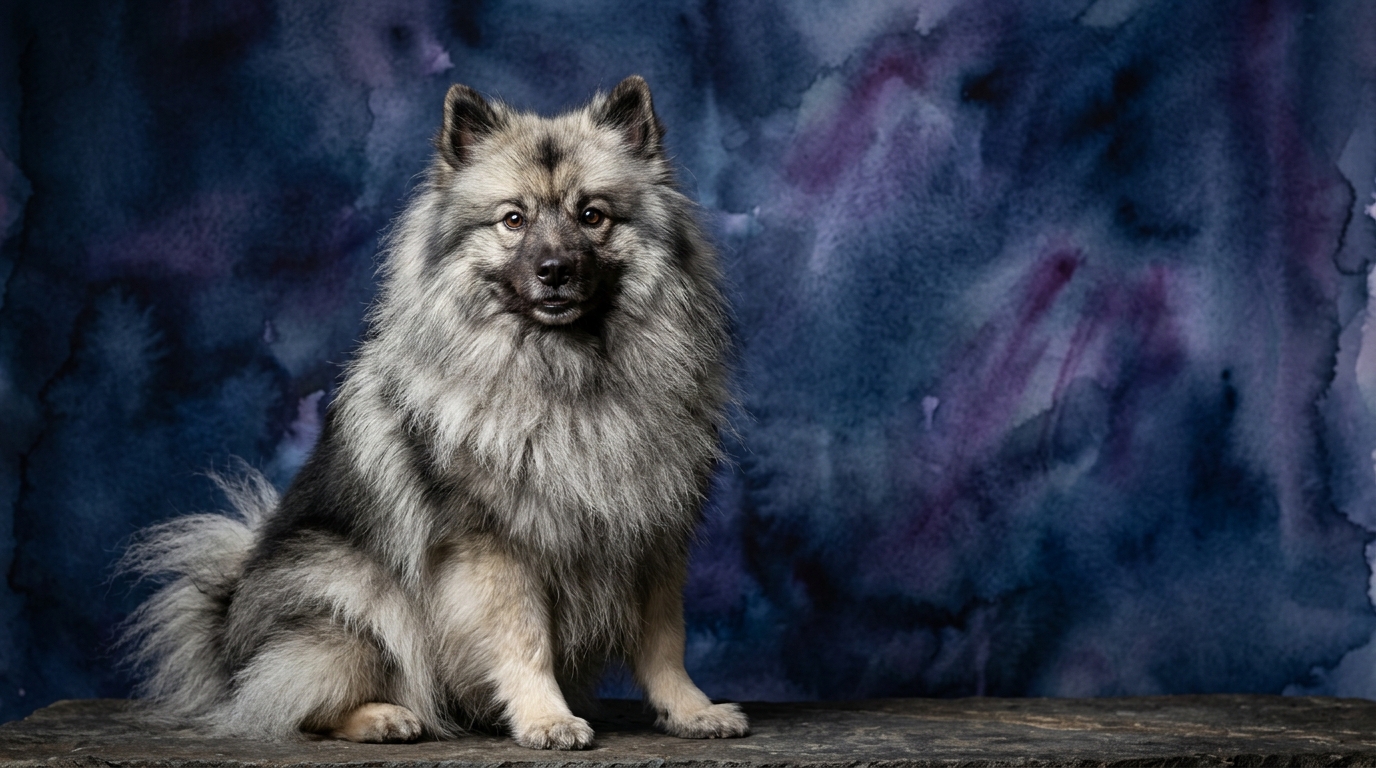
In contrast, the Keeshond, a breed renowned for its watchful companionship and cheerful disposition, presents a cognitive profile geared towards interaction and retention. Its Problem Solving ability scores higher at 4/5, suggesting a greater inclination to figure things out, whether it’s manipulating objects or understanding sequences of events. A Training Speed of 4/5 places the Keeshond among breeds that pick up new commands and routines relatively quickly, making them responsive and eager learners. Social Intelligence is a balanced 3/5, similar to the Buhund, reflecting a strong capacity for bonding with its human family and understanding social dynamics within the home. Its Instinctive Drive is also 3/5, pointing to a moderate, though less specialized, drive compared to the Buhund’s herding roots, often manifesting as a desire to be involved and alert. The most striking difference lies in its Memory, earning a perfect 5/5, indicating an exceptional ability to recall commands, experiences, and routines over extended periods, a significant asset in a companion dog.
Where the Norwegian Buhund Excels Cognitively
While the Keeshond boasts higher scores in several cognitive dimensions, the Norwegian Buhund's particular blend of attributes allows it to excel in specific scenarios. Its balanced 3/5 scores across the board, particularly in Problem Solving and Instinctive Drive, signify a resilient, adaptable intelligence well-suited for practical, real-world tasks. This isn't a dog that overthinks; it's a dog that *acts*. Its problem-solving capabilities, though not top-tier for abstract puzzles, are highly effective in dynamic environments where quick, independent decisions are needed, such as navigating varied terrain or managing livestock. This practical intelligence, combined with its robust instinctive drive, means a Buhund often possesses a tenacious spirit and a reliable self-sufficiency, making it a capable partner for outdoor adventures or roles requiring a degree of autonomy. Its social intelligence, while not hyper-empathetic, is perfectly tuned for a working relationship, understanding directives without necessarily needing constant emotional validation, allowing it to focus on the task at hand.
Where the Keeshond Demonstrates Cognitive Superiority
The Keeshond's cognitive profile, particularly its higher scores in Problem Solving (4/5), Training Speed (4/5), and an exceptional Memory (5/5), positions it as a highly capable and responsive learner. This breed's Coren ranking at #16 among working and obedience dogs further underscores its strong cognitive abilities. Its superior problem-solving acumen means Keeshonden are often more adept at figuring out complex sequences, understanding multi-step commands, or even devising clever ways to achieve a desired outcome, like opening a tricky cabinet. This analytical edge, combined with rapid training speed, makes them exceptionally rewarding for advanced obedience, agility, or trick training, as they grasp new concepts with impressive alacrity. The Keeshond's perfect 5/5 Memory is a standout trait; they remember commands, routines, and even specific events with remarkable clarity and longevity. This means less refresher training is needed, and once a behavior is learned, it tends to stick, making them incredibly consistent companions. This strong memory also contributes to their excellent recall and ability to adhere to household rules over time.
Training Dynamics: Which Breed Learns with Greater Ease?
When it comes to ease of training, the Keeshond generally holds an advantage over the Norwegian Buhund. The Keeshond's Training Speed of 4/5, coupled with its 4/5 Problem Solving and 5/5 Memory, creates a highly receptive and retentive learner. They tend to pick up new commands quickly, understand the nuances of what's being asked, and remember those lessons for a very long time. This translates into fewer repetitions needed during training sessions and a dog that is generally more eager to please and cooperative in structured learning environments. Their inherent desire to be involved with their human family also fuels their motivation to learn and perform. For owners seeking a dog that excels in obedience, can master numerous tricks, or participate in canine sports requiring complex sequences, the Keeshond’s cognitive strengths make the training journey more fluid and often more rapid.
The Norwegian Buhund, with its 3/5 Training Speed, requires a more patient and persistent approach. While certainly trainable, their herding background instills a degree of independent thought and decision-making that can sometimes translate into a 'what's in it for me?' attitude rather than an immediate eagerness to comply. They are not necessarily stubborn, but they are purposeful, and their learning curve is steady rather than swift. Owners will find that consistent, positive reinforcement methods are crucial, along with making training feel like a valuable task or game. Their problem-solving at 3/5 means they are perfectly capable of learning, but might not anticipate the next step as readily as a Keeshond. Furthermore, their 3/5 memory means that while they retain information, occasional refreshers are more beneficial to keep commands sharp. Training a Buhund is a rewarding partnership, but it demands dedication and an understanding of its practical, often independent, mindset.
Matching Canine Cognition to Owner Lifestyles
Understanding these cognitive distinctions helps align a dog's natural aptitudes with an owner's lifestyle. For active owners who thrive on outdoor adventures, structured tasks, and a partnership built on practical cooperation, the Norwegian Buhund is an excellent match. Its balanced instinctive drive and problem-solving, while not the highest scores, are perfectly suited for navigating trails, participating in dog sports like herding or canicross, and engaging in activities that allow for some independent decision-making. These dogs benefit immensely from having a 'job' to do, channeling their moderate drive into purposeful activities that engage both their bodies and minds. They are resilient and robust, making them ideal companions for those who enjoy a more rugged, task-oriented relationship with their canine.
The Keeshond, with its superior memory and quicker training speed, offers versatility for both active and more relaxed owners, though it still requires mental engagement. Active owners will find a highly responsive partner for agility, advanced obedience, or even therapy work, where their ability to learn and recall complex tasks is a significant asset. Their social intelligence ensures they thrive on interaction and being a central part of family life. For owners seeking a devoted companion who is eager to learn new things and will remember household rules with ease, the Keeshond's cognitive profile is particularly appealing. While not a high-energy endurance dog in the same vein as some herding breeds, their need for mental stimulation and consistent companionship is paramount. They adapt well to various living situations, provided they receive regular mental challenges and ample social interaction, making them suitable for owners who enjoy engaging with their dog through training, games, and shared experiences within a home environment.
The Verdict: When to Choose Each Breed
The Verdict
Choose a Norwegian Buhund if you are an active owner seeking a resilient, practical partner for outdoor activities and structured tasks, valuing independent decision-making and a steady learning curve. They thrive with a 'job' and a consistent, patient training approach.
Opt for a Keeshond if you desire a highly trainable, devoted companion who excels in learning and remembering commands, eager to engage in mental challenges and advanced obedience. Their exceptional memory and quick grasp of concepts make them a rewarding choice for various lifestyles that prioritize interactive companionship.
🧠 Find Your Pet's IQ Score
Our Pet IQ Lab assessment covers 25+ tests across 5 cognitive dimensions — personalized to your breed.
Take the Full IQ Test →Frequently Asked Questions
Is the Norwegian Buhund difficult to train due to its independent nature?
The Norwegian Buhund isn't inherently difficult to train, but its 3/5 Training Speed and herding background mean it possesses a degree of independent thought. This requires consistent, positive reinforcement and making training engaging, rather than expecting immediate, unquestioning compliance. They learn steadily and reliably with the right approach.
How does the Keeshond's superior memory impact daily life?
The Keeshond's 5/5 memory significantly impacts daily life by making them highly consistent. Once a command or household rule is learned, they tend to remember it for extended periods, reducing the need for constant reminders and making them very reliable companions in various situations. This also facilitates more complex training and trick learning.
Which breed is better for first-time dog owners?
For first-time dog owners, the Keeshond's higher Training Speed and exceptional Memory often make the initial training process more straightforward and rewarding. Their eagerness to please and quicker grasp of concepts can be less challenging than the Norwegian Buhund's more independent, task-oriented mindset, which benefits from an owner with experience in motivating a working breed.