Side-by-Side IQ Profile: Herding vs. Hound Cognition
The Cosmic Pet Pet IQ Lab assesses canine intelligence across five critical dimensions. While both the Norwegian Buhund and the Petit Basset Griffon Vendéen receive a consistent 3/5 across all categories, understanding their breed-specific interpretations is key to appreciating their unique cognitive blueprints.
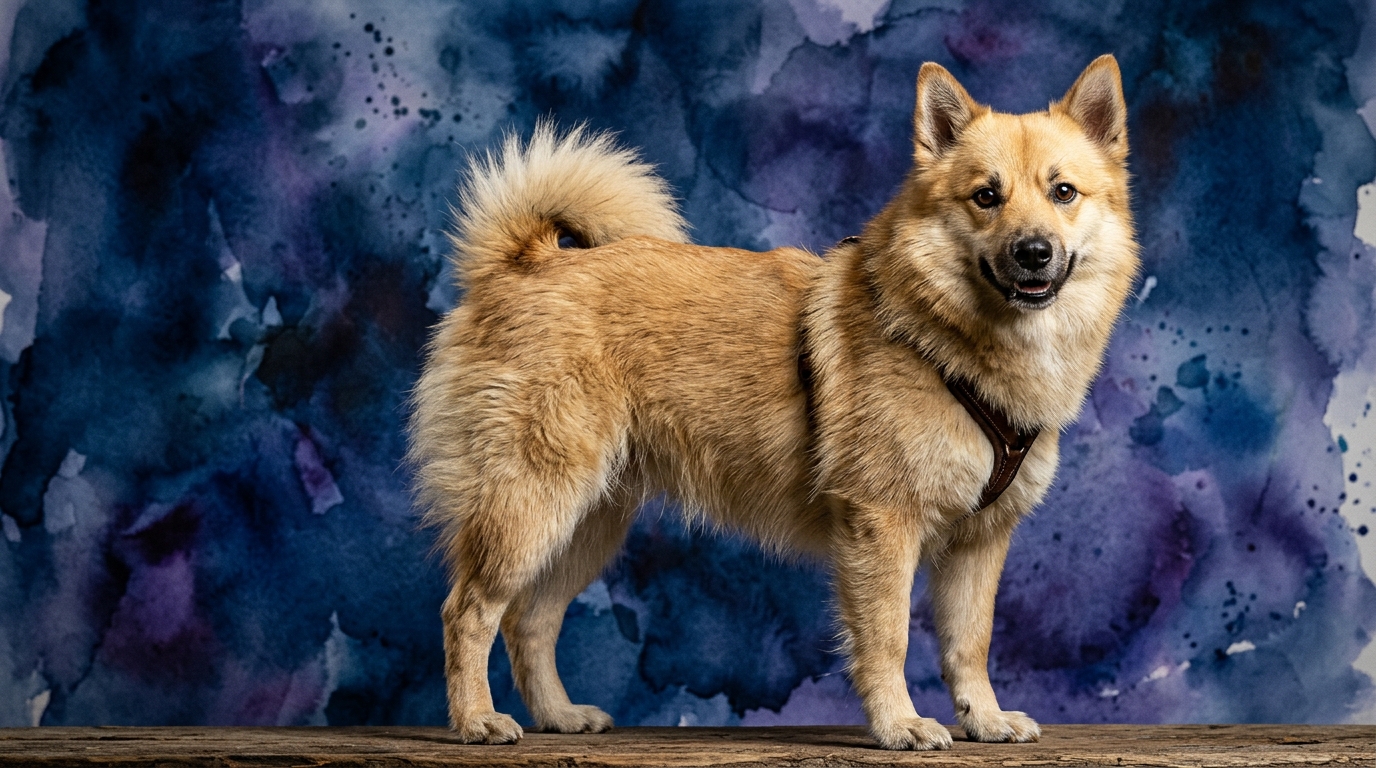
The **Norwegian Buhund**, a spirited herding dog, demonstrates practical problem-solving (3/5) often related to managing a flock or navigating their environment with purpose. They can figure out how to bypass obstacles to reach a desired point or alert their owners to unusual situations, showcasing a resourceful, goal-oriented approach. In training speed (3/5), Buhunds generally pick up commands at a moderate pace, showing a willingness to engage with their handler. While not instant learners, they respond well to consistent, positive reinforcement, and their herding background makes them attentive to direction, though they can also be independent thinkers. Their social intelligence (3/5) is rooted in a desire to be part of the family unit, often expressing empathy and understanding of human moods. They are good communicators within their social circle, capable of reading cues and adapting their behavior, but might be more reserved with strangers initially. The Buhund's core instinctive drive (3/5) is herding, manifesting as a desire to gather, protect, and patrol. This instinct translates into vigilance, an alert nature, and a tendency to keep their “flock” (family) together, often through gentle nudging or watchful observation. They possess a solid memory (3/5) for commands, routines, and the layout of their territory, allowing them to remember complex sequences of actions and retain learned behaviors over long periods, making them reliable in established patterns.
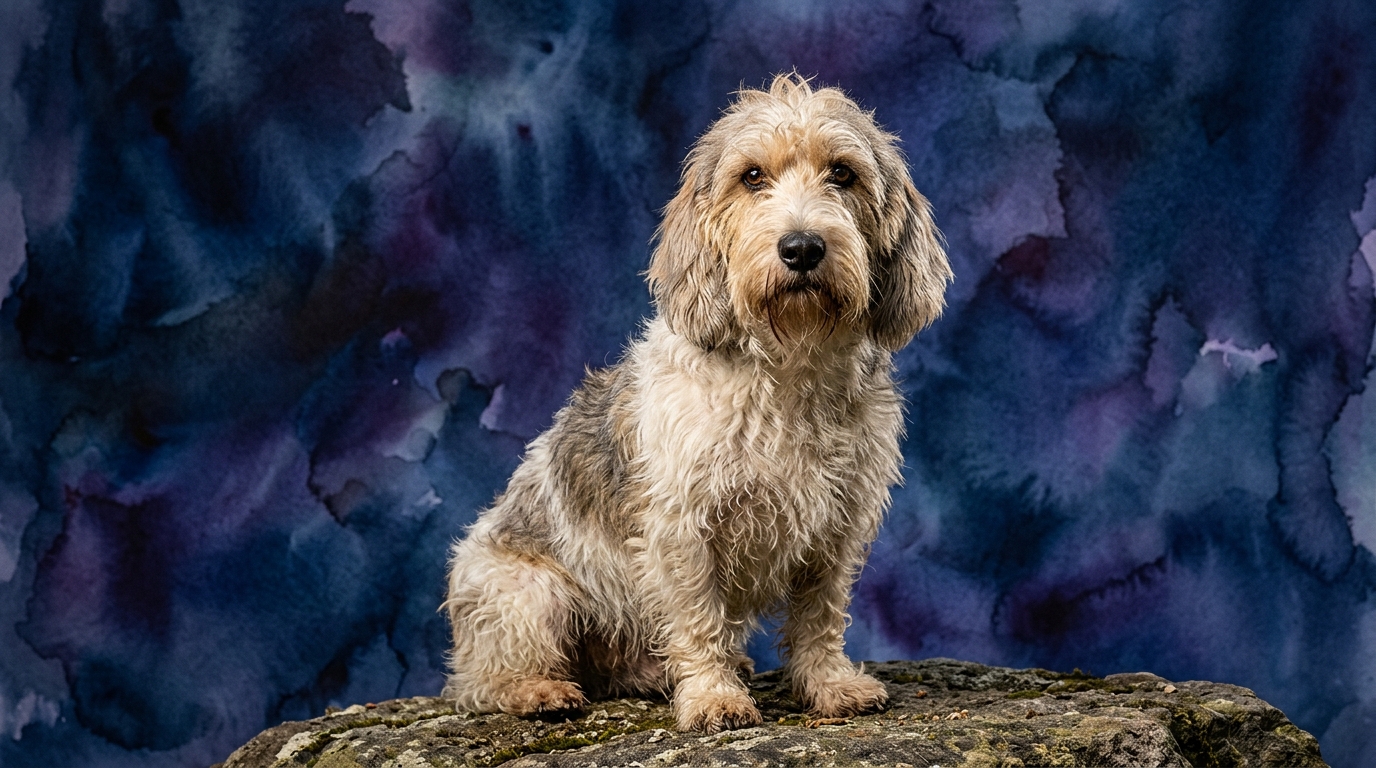
The **Petit Basset Griffon Vendéen (PBGV)**, a cheerful scent hound, solves problems (3/5) primarily through persistence and sensory exploration, particularly scent. Their problem-solving involves figuring out how to follow a challenging trail, navigate dense underbrush, or locate a hidden object using their nose, showcasing tenacity rather than strategic planning. In training speed (3/5), PBGVs learn at a moderate pace, but their training is often influenced by their strong independent streak and overwhelming scent drive. They might understand a command quickly but choose to prioritize an interesting smell, requiring patient, engaging methods that compete with their natural inclinations. These hounds are typically cheerful and gregarious, enjoying the company of both humans and other dogs, reflecting their social intelligence (3/5). Their social acumen is often expressed through playful interactions and a desire to be involved in group activities, though their focus can easily shift to an enticing scent. The PBGV’s primary instinctive drive (3/5) is to hunt by scent, leading to a relentless urge to explore and track. This manifests as an irrepressible desire to follow their nose, baying when excited, and a persistent curiosity about their environment, making them natural explorers. They demonstrate good memory (3/5) for scent trails, familiar paths, and the locations of interesting smells or past discoveries. They can recall complex sensory information related to their environment, which is crucial for their hunting heritage, but might be less focused on remembering specific human-initiated tasks if a scent intervenes.
Where Norwegian Buhund Cognition Distinctly Shines
While both breeds exhibit a 3/5 problem-solving score, the Norwegian Buhund’s cognitive strengths are particularly pronounced in practical application within a defined social structure. Their problem-solving often involves anticipating movements, understanding cause-and-effect in their immediate environment, and making decisions that benefit the 'flock,' such as figuring out how to retrieve a dropped item or gently guide a child away from danger. This stems directly from their herding lineage, where quick, adaptive thinking to manage livestock was paramount. Their social intelligence, also rated 3/5, is particularly adept at reading human intentions and emotional states, making them highly responsive companions who often seem to 'know' what their owner needs. This manifests as a more intuitive understanding of household dynamics and a greater propensity for collaborative tasks, where their reliable memory for routines and commands supports a smoother integration into family life compared to the PBGV’s more independent focus.
Where Petit Basset Griffon Vendéen Cognition Exhibits Unique Strengths
The Petit Basset Griffon Vendéen, despite identical 3/5 scores, demonstrates a distinct cognitive prowess rooted in its hound heritage, particularly in sensory-driven problem-solving and persistent pursuit. Their problem-solving score, while matching the Buhund’s, is expressed through an extraordinary ability to unravel complex scent puzzles, following faint trails over varied terrain with unwavering focus and tenacity. This isn't about human-directed strategy but an innate, self-guided determination to achieve a sensory goal. Their instinctive drive (3/5) is a powerful asset here, translating into a relentless curiosity and an unparalleled capacity for independent exploration, often remembering specific locations of intriguing smells or past discoveries with remarkable precision. While the Buhund thrives on collaboration and human direction, the PBGV excels in self-directed investigative tasks, showcasing a unique form of cognitive resilience and a robust memory for environmental details that serve their primary drive.
Training Dynamics: Which is 'Easier' and Why
Determining which breed is 'easier' to train requires understanding their motivations, given both score 3/5 in training speed. The Norwegian Buhund, with its herding background, generally possesses a stronger innate desire to work *with* its human handler. Their social intelligence and attentiveness make them more inclined to seek direction and respond to commands, viewing training as a collaborative effort. While they are not automatons and can have their own opinions, their historical role fostered a biddability that makes them generally more receptive to learning obedience cues and performing tasks for praise or rewards. The Petit Basset Griffon Vendéen, conversely, presents a different training dynamic. While equally capable of learning (3/5 training speed), their profound instinctive drive to follow scent often overrides human directives. Training a PBGV requires immense patience, creativity, and a willingness to make commands more compelling than a captivating smell. They might understand what you want, but their independent, scent-driven problem-solving means they might prioritize an interesting trail over a 'sit' command. Therefore, for an owner seeking a dog that naturally aligns with human-led obedience, the Norwegian Buhund will likely feel 'easier' to train due to its inherent desire to please and cooperate, whereas the PBGV demands an owner who understands and can creatively channel its powerful, independent drives.
Matching Canine Cognition to Owner Lifestyles
Both the Norwegian Buhund and the Petit Basset Griffon Vendéen are active breeds, but their activity needs stem from different cognitive and instinctive foundations, making them suitable for different types of active owners. The Norwegian Buhund, with its herding instincts and social intelligence, thrives with owners who enjoy structured activities, training, and involving their dog in family life. They require regular physical exercise like walks, runs, or dog sports, coupled with mental stimulation through puzzle toys, obedience training, or even mock herding games. They are not suited for truly relaxed owners who prefer minimal engagement, as their 3/5 instinctive drive and problem-solving capacity demand outlets for their intelligence and energy; without it, they can become bored and destructive. Conversely, the Petit Basset Griffon Vendéen, driven by its 3/5 instinctive scent drive and independent problem-solving, is ideal for owners who appreciate long, meandering walks where the dog can follow its nose, explore, and engage its keen sense of smell. While they also need physical activity, their exercise often centers around 'sniffaris' or off-leash exploration in secure areas. They can be more relaxed indoors after their sensory needs are met, but their independent nature means they aren't always seeking constant human interaction in the same way a Buhund might. A truly relaxed owner might struggle with the PBGV's persistent vocalizations or tendency to bolt after a scent, making them a better fit for active owners who prioritize outdoor exploration and can manage a strong-willed, scent-driven companion.
The Verdict
If you seek a highly engaged, collaborative companion eager to participate in family life and structured activities, the Norwegian Buhund is an excellent choice.
For those who appreciate a tenacious, independent explorer with an insatiable curiosity for the world of scent and enjoy long, sniff-filled adventures, the Petit Basset Griffon Vendéen will be a rewarding partner.
🧠 Find Your Pet's IQ Score
Our Pet IQ Lab assessment covers 25+ tests across 5 cognitive dimensions — personalized to your breed.
Take the Full IQ Test →Frequently Asked Questions
Do Norwegian Buhunds bark a lot?
Norwegian Buhunds, due to their herding and watchdog instincts (instinctive drive 3/5), tend to be vocal, using barks to alert their owners to new sights, sounds, or perceived threats. Consistent training and early socialization can help manage excessive barking, but their alert nature means they will likely always be good communicators.
Are PBGVs good with children?
Petit Basset Griffon Vendéens are generally cheerful and robust dogs (social intelligence 3/5) who enjoy being part of family activities, making them typically good with children who respect their space. Their playful nature and sturdy build can tolerate the antics of kids, but their independent, scent-driven focus means supervision is always wise.
Which breed is better for first-time dog owners?
Given their identical 3/5 scores across the board, neither breed is inherently 'easier' for a first-time owner without prior research into their specific breed characteristics. The Norwegian Buhund's desire to cooperate might make basic obedience slightly more straightforward, while the PBGV's independent scent drive requires a dedicated owner prepared for consistent, patient training tailored to a hound's nature.