Side-by-Side Cognitive Profiles
To understand the unique intellectual makeup of these breeds, The Cosmic Pet Pet IQ Lab employs a five-dimensional model, assessing Problem Solving, Training Speed, Social Intelligence, Instinctive Drive, and Memory. Each dimension is scored on a scale of 1 to 5, providing a nuanced view of their cognitive abilities.
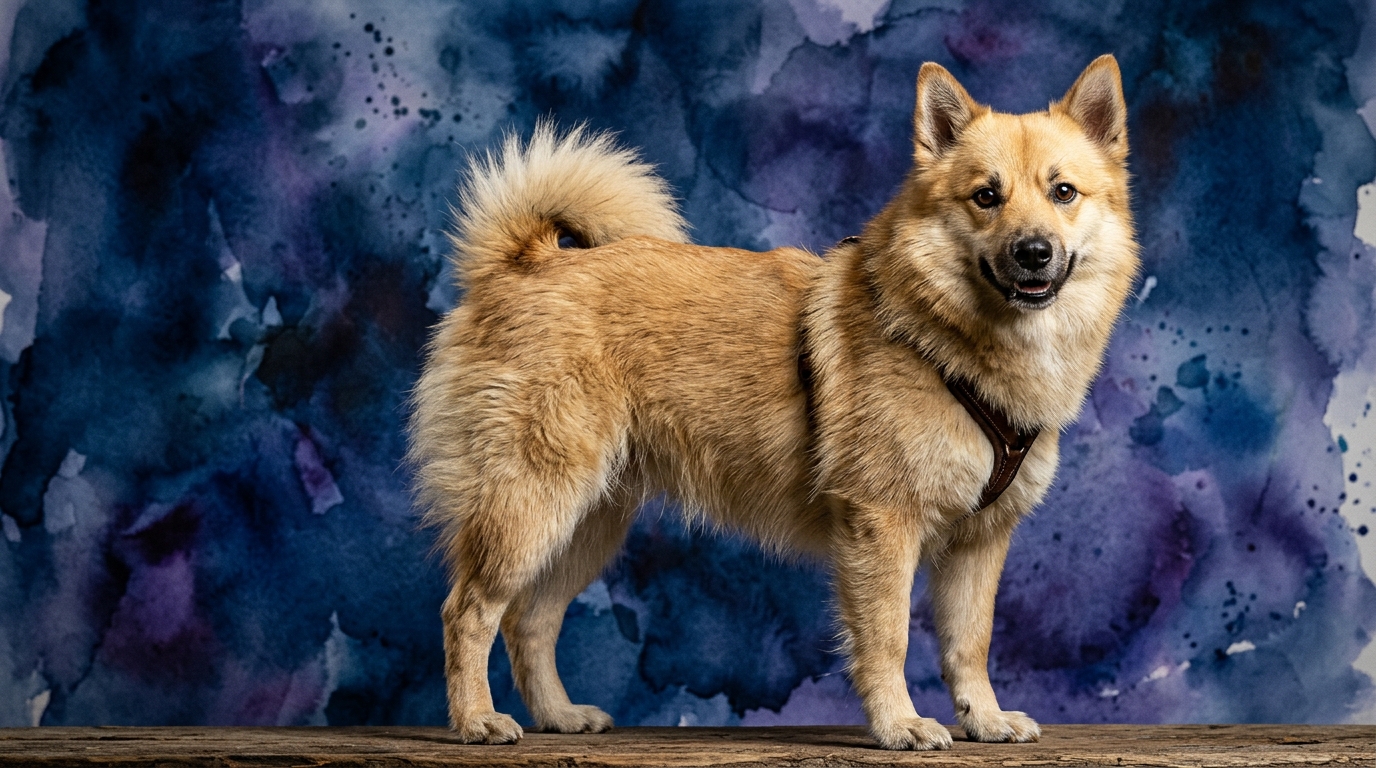
The Norwegian Buhund, a spirited herding dog, consistently scores a 3/5 across all five dimensions. This indicates a balanced and moderate cognitive profile. Their Problem Solving at 3/5 suggests a practical approach to challenges, capable of figuring things out but perhaps relying more on established patterns than spontaneous innovation. A Training Speed of 3/5 means they are receptive to learning but may require consistent repetition to solidify new commands. Their Social Intelligence at 3/5 points to a solid understanding of human cues and pack dynamics, forming strong bonds without excessive manipulation. An Instinctive Drive of 3/5 reflects their inherent herding urges, present but typically manageable. Finally, a Memory score of 3/5 implies a reliable ability to recall past experiences and learned behaviors.
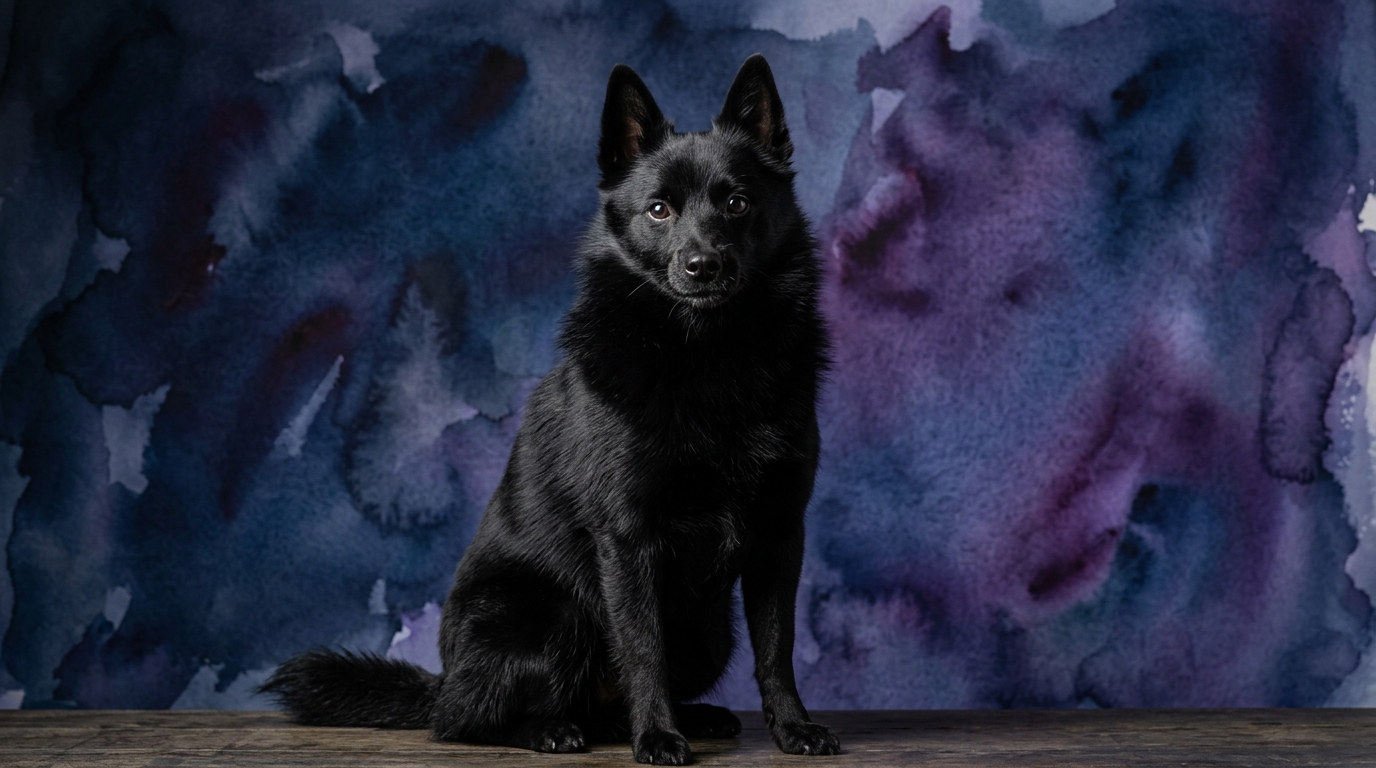
In contrast, the Schipperke, a vigilant non-sporting companion, presents a profile marked by distinct peaks. They achieve an impressive 5/5 in Problem Solving, denoting an exceptional capacity for independent thought and strategic navigation of complex situations. Their Training Speed also reaches 5/5, signifying a rapid ability to grasp new commands and concepts with remarkable efficiency. Social Intelligence for the Schipperke matches the Buhund at 3/5, indicating a balanced understanding of social interactions. Their Instinctive Drive is also a 3/5, often expressed as alertness and a desire to patrol. Finally, the Schipperke boasts a 5/5 in Memory, highlighting an outstanding ability to retain information, from training sequences to environmental details, with remarkable precision.
Where the Norwegian Buhund Excels Cognitively
The Norwegian Buhund's uniform 3/5 scores across all cognitive dimensions is not a sign of deficit but rather of a harmonious balance, which presents its own distinct advantages. This balanced profile, particularly in social intelligence and instinctive drive, often translates into a less intense and potentially more adaptable canine companion for certain lifestyles.
A 3/5 in social intelligence suggests a dog that reads its family well without being overly cunning or demanding in its social interactions. This can foster a more straightforward, less manipulative companionship, where the Buhund integrates smoothly into family life, offering affection and loyalty without complex social maneuvering. Their moderate problem-solving (3/5) means they are less inclined to invent elaborate schemes to outsmart their owners or create mischief, contributing to a more predictable and generally calmer household environment. They approach challenges with a practical, rather than overtly strategic, mindset, which can be a relief for owners seeking a less 'clever' companion.
Furthermore, the Buhund's moderate instinctive drive (3/5) means that while it possesses the inherent working spirit of a herding dog, these urges are typically more manageable than in breeds with higher scores. This allows for easier integration into diverse family environments without constant redirection of intense herding or protection instincts, making them amenable to a variety of living situations, provided their basic needs for activity are met.
Where the Schipperke Shines Cognitively
The Schipperke's exceptional scores in Problem Solving (5/5), Training Speed (5/5), and Memory (5/5) mark it as a canine mind built for rapid learning and complex thought, making it a cognitive powerhouse in specific areas. These high scores indicate a dog that is not only quick to learn but also deeply understands and remembers what it has learned, and can apply that knowledge in novel situations.
Their 5/5 problem-solving ability means Schipperkes are remarkably adept at independent thinking, quickly assessing situations, and devising creative solutions. This makes them formidable partners in activities requiring quick wits and adaptability, such as advanced puzzle toys, agility courses, or even navigating complex household scenarios independently. They excel at figuring things out on their own, a trait that can be both impressive and, at times, a challenge for owners who prefer a more compliant companion.
The 5/5 training speed is a significant advantage, allowing them to pick up new commands and routines with remarkable efficiency, often requiring minimal repetition. This makes them highly rewarding for owners who enjoy advanced obedience, trick training, or dog sports, as they can progress rapidly through training levels. Coupled with their 5/5 memory, Schipperkes retain a vast amount of information, from learned commands to household routines and even specific events, contributing to their consistency in training and their ability to navigate complex environments based on past experience.
Training Dynamics: Buhund vs. Schipperke
Based on their IQ profiles, the Schipperke clearly holds an advantage in the speed and breadth of training, primarily due to its 5/5 scores in both Training Speed and Memory, coupled with its 5/5 Problem Solving. Schipperkes grasp new concepts rapidly and recall them with precision, making formal obedience sessions highly productive and efficient. Their exceptional problem-solving acumen means they can generalize learned behaviors to new contexts and quickly understand what is being asked of them, often anticipating cues before they are fully given. This remarkable responsiveness means owners can progress through training levels more quickly and introduce complex sequences with greater success, making them a joy for those who relish advanced training.
The Norwegian Buhund, with its 3/5 scores in Training Speed and Memory, requires a more patient and consistent approach. While certainly trainable and eager to please its family, the Buhund may need more repetitions to solidify new commands and might take longer to generalize behaviors to different environments. Their moderate problem-solving means they might not spontaneously offer solutions or anticipate commands as readily as a Schipperke, necessitating clearer, more structured instruction. Owners training a Buhund should prepare for a steady, incremental process, leveraging positive reinforcement to build confidence and reinforce good habits over time, understanding that progress may be slower but equally rewarding with dedication.
Matching Canine Intellect to Owner Lifestyles
The Norwegian Buhund, with its moderate scores across all dimensions, tends to suit an active owner who appreciates a cooperative but not overly demanding canine partner. Its herding background means it thrives on regular physical activity and mental engagement, enjoying long walks, hikes, or dog sports that provide an outlet for its balanced instinctive drives. However, its moderate problem-solving means that while it needs purpose, it's less likely to become destructive or excessively restless if an owner occasionally misses a day of intense activity. They adapt well to a consistent routine but possess a balanced temperament that can appreciate a calm evening after a busy day, making them suitable for owners seeking a harmonious blend of activity and companionship.
The Schipperke, with its intense cognitive profile—particularly 5/5 in problem-solving, training speed, and memory—is best suited for highly active and engaged owners who relish a constant intellectual challenge. Their sharp minds and quick learning necessitate frequent and varied mental stimulation through training, complex puzzle toys, and dog sports like agility or obedience. A Schipperke left without sufficient mental and physical outlets can quickly become bored, potentially leading to inventive (and often unwanted) ways to entertain themselves. These dogs thrive when given a 'job,' whether it's advanced obedience, trick training, or regular, engaging sessions that tap into their impressive cognitive reserves. They are best for owners who enjoy teaching new things and can provide consistent, stimulating interaction, embracing a partner that truly thinks for itself.
The Verdict
Choose the Norwegian Buhund if you seek a balanced, adaptable companion who thrives on consistent activity and connection, offering a more predictable and less intensely demanding cognitive presence.
Choose the Schipperke if you are an enthusiastic, active owner ready to embrace a highly perceptive, quick-witted partner eager for constant mental engagement and advanced training challenges.
🧠 Find Your Pet's IQ Score
Our Pet IQ Lab assessment covers 25+ tests across 5 cognitive dimensions — personalized to your breed.
Take the Full IQ Test →Frequently Asked Questions
Are Norwegian Buhunds difficult to train due to their moderate training speed?
Norwegian Buhunds are not difficult to train; rather, they require consistent, positive reinforcement and a bit more patience than some faster-learning breeds. Their 3/5 training speed means they will learn, but repetitions and clear communication are key to solidifying commands and behaviors over time.
What kind of mental stimulation does a Schipperke need with its high problem-solving and memory?
Schipperkes benefit greatly from varied mental stimulation, including complex puzzle toys, advanced obedience training, agility, trick training, and even scent work. Their 5/5 problem-solving and memory mean they quickly master tasks and need new challenges to prevent boredom and channel their sharp intellect constructively.
How does the social intelligence score of 3/5 for both breeds impact their family life?
A social intelligence score of 3/5 for both breeds suggests they are capable of forming strong bonds and understanding family dynamics without being overly manipulative or excessively sensitive to subtle social cues. They will connect well with their human companions and integrate into the household, enjoying companionship and interaction in a balanced manner.