Side-by-Side IQ Profile: A Deeper Look
At The Cosmic Pet Pet IQ Lab, we assess canine intelligence across five critical dimensions, each scored on a 1-5 scale. Both the Norwegian Buhund and the Scottish Terrier, surprisingly, register a 3/5 across the board. This identical numerical outcome, however, masks significant differences in how these breeds apply their cognitive abilities, shaped by their ancestral roles and inherent temperaments.
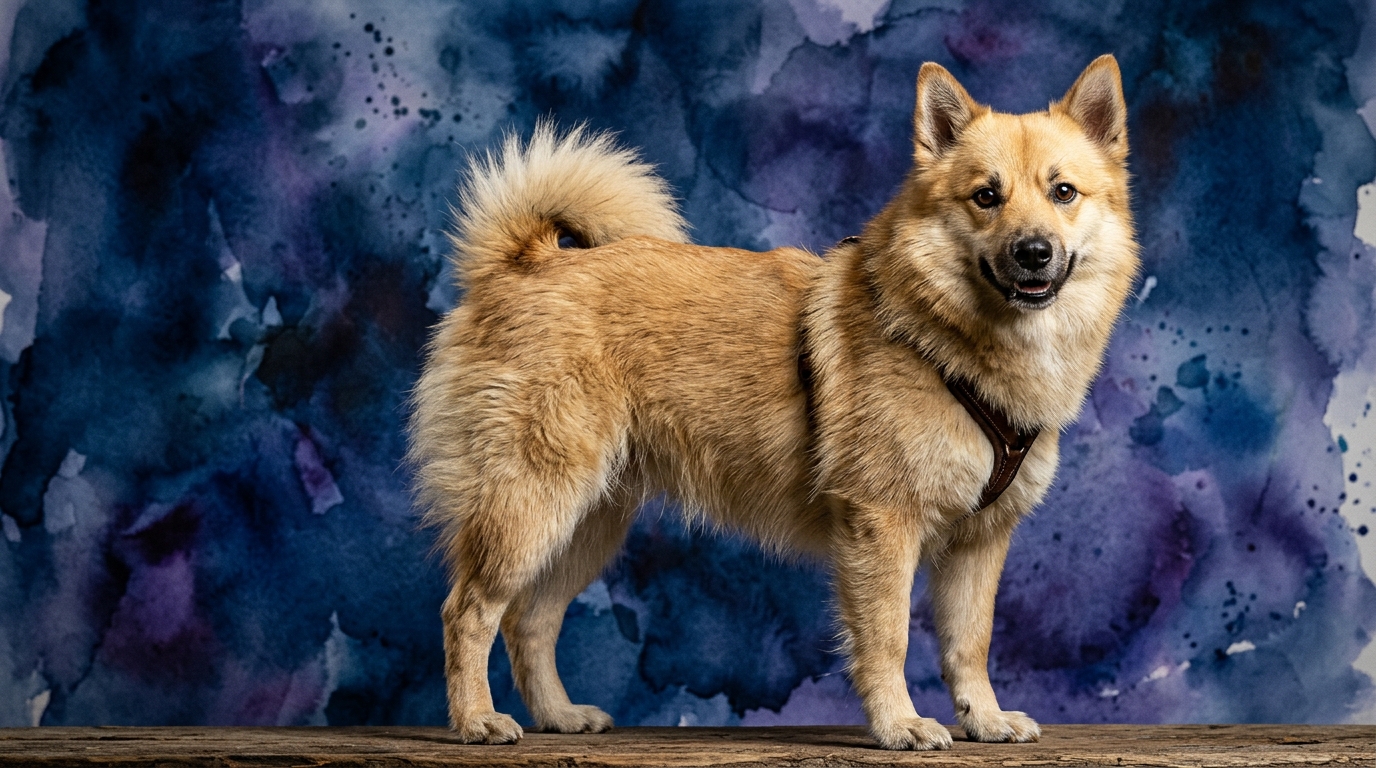
The Norwegian Buhund, a herding dog, demonstrates a Problem Solving score of 3/5 by adeptly navigating complex environments to manage livestock, often anticipating flock movements or finding lost animals. Its Training Speed of 3/5 reflects a willingness to learn and respond to commands, eager to engage in cooperative tasks with its handler. Social Intelligence at 3/5 manifests as a keen awareness of pack dynamics and human emotional cues, essential for its working relationship. An Instinctive Drive of 3/5 highlights its strong natural herding tendencies, vigilance, and protective instincts. Finally, its Memory at 3/5 allows it to retain complex routines, remember specific livestock, and recall boundaries or routes.
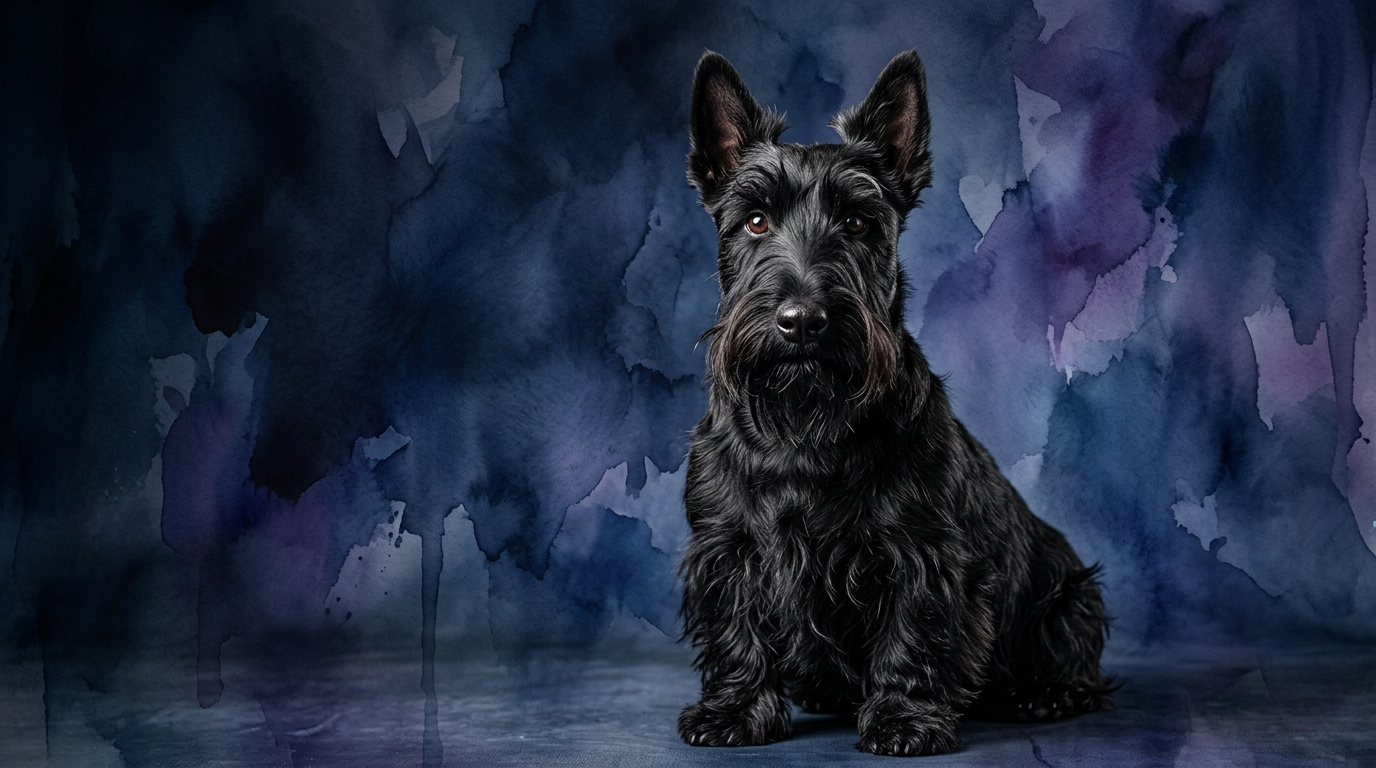
The Scottish Terrier, a terrier breed, expresses its Problem Solving 3/5 through tenacious determination to achieve goals, such as finding a burrowing creature or figuring out how to access a desired item, often employing creative and independent strategies. Its Training Speed of 3/5 indicates it is capable of learning, yet its independent nature means motivation must be consistent and engaging to overcome its inherent stubbornness. Social Intelligence at 3/5 allows the Scottie to observe and understand its human family's routines and moods, though it often chooses to interact on its own terms. An Instinctive Drive of 3/5 signifies a powerful prey drive, an inclination to dig, and a strong protective instinct towards its territory and family. Its Memory at 3/5 ensures it remembers commands, routines, and where its favorite digging spots or hidden treats are located, often with a long-lasting recollection of experiences.
Where the Norwegian Buhund Excels Cognitively
The Norwegian Buhund’s cognitive strengths are deeply rooted in its herding lineage, giving it an edge in tasks requiring cooperation, vigilance, and spatial reasoning within a dynamic environment. Its ability to process and react to multiple stimuli simultaneously, such as the movements of livestock and the commands of a handler, showcases a sophisticated form of distributed attention. This allows the Buhund to maintain oversight of a larger area while still responding to specific cues, a skill less pronounced in breeds bred for solitary work.
Furthermore, the Buhund's intrinsic motivation to work alongside humans gives it a distinct advantage in cooperative problem-solving. It excels at understanding complex sequences of commands that contribute to a larger objective, often anticipating the next step in a task. This collaborative intelligence makes it particularly adept at activities like advanced obedience, agility, or even search and rescue, where a dog needs to integrate its actions seamlessly with a human partner. Its spatial memory and navigation skills are also superior when it comes to remembering complex routes or patterns, a direct benefit from its role in guiding flocks across varied terrain.
Where the Scottish Terrier Excels Cognitively
The Scottish Terrier's cognitive advantages lie in its unwavering independence, tenacity, and acute sensory perception, all honed by its history as a fearless vermin hunter. Where the Buhund shines in cooperation, the Scottie excels in autonomous problem-solving. It possesses an exceptional ability to focus intently on a single task, often exhibiting remarkable persistence in overcoming obstacles to achieve its goal, whether that's digging out a perceived pest or retrieving a toy from a difficult spot. This singular determination, sometimes perceived as stubbornness, is a testament to its specialized intelligence.
The Scottie also demonstrates a superior ability in independent decision-making, often assessing situations and devising solutions without direct human instruction. This makes them resourceful and resilient, capable of operating effectively when left to their own devices. Their keen sense of smell and hearing, combined with their instinctive drive, allows them to process subtle environmental cues that might go unnoticed by other breeds, making them excellent at scent work or detecting changes in their surroundings. This self-reliant intellect, while challenging in a training context, is invaluable for tasks requiring grit and individual initiative.
Training Dynamics: Buhund's Cooperation vs. Scottie's Independence
When it comes to ease of training, the Norwegian Buhund generally presents a more straightforward experience for most owners due to its inherent desire to cooperate and its strong bond with its handler. As a herding breed, Buhunds are predisposed to follow direction and find satisfaction in working as part of a team, making them responsive to positive reinforcement and consistent guidance. Their problem-solving skills are often applied to understanding and executing commands, and their social intelligence helps them quickly grasp what their human expects.
The Scottish Terrier, while certainly capable of learning, often requires a more nuanced approach to training. Their deep-seated independence and strong-willed nature mean they are less inclined to blindly follow commands and will often question the 'why' behind an instruction. Training a Scottie demands creativity, patience, and a deep understanding of what motivates them, often involving high-value rewards and making training feel like a stimulating game. While they remember commands well (3/5 memory), their willingness to perform them on cue can be conditional on their mood or perceived benefit, a direct manifestation of their self-reliant problem-solving and instinctive drive.
Lifestyle Match: Active Engagement vs. Determined Companion
The Norwegian Buhund is an ideal match for active owners who can provide consistent mental and physical engagement. Their herding background means they thrive on having a 'job' to do, whether that's participating in dog sports like agility, obedience, or herding trials, or simply being involved in daily family activities that stimulate their cooperative intelligence. Owners who enjoy long walks, hikes, or running will find the Buhund an eager and capable companion, benefiting from an environment where their instinctive drive and memory for routes can be utilized. They are best suited for homes where they are an integrated part of the family's active lifestyle, preventing boredom and channeling their energy positively.
The Scottish Terrier, while needing regular exercise, generally suits owners with a slightly less intense activity profile, but who are prepared for a dog with a strong personality and specific mental needs. They enjoy brisk walks and playtime, but their exercise requirements are typically less demanding than a Buhund's. What they demand, however, is an owner who understands and respects their independent spirit and provides ample mental stimulation through puzzle toys, scent games, or consistent, engaging training sessions. They are excellent companions for owners who appreciate a dog with character, a determined streak, and a loyal, albeit sometimes aloof, presence. They can adapt well to various living situations, provided their need for boundaries and mental engagement is met.
The Verdict
Choose the Norwegian Buhund if you seek a highly engaged, cooperative partner for an active lifestyle, thriving on shared activities and consistent mental challenges within a team dynamic.
Opt for the Scottish Terrier if you appreciate a tenacious, independent companion with a strong personality, capable of autonomous problem-solving and content with consistent boundaries and engaging mental games.
🧠 Find Your Pet's IQ Score
Our Pet IQ Lab assessment covers 25+ tests across 5 cognitive dimensions — personalized to your breed.
Take the Full IQ Test →Frequently Asked Questions
Do Norwegian Buhunds make good family pets?
Yes, Norwegian Buhunds can be wonderful family pets, particularly for active families. They are generally good with children when properly socialized and appreciate being an integrated part of family life, often attempting to 'herd' their human family members playfully. Their social intelligence helps them bond closely with their family.
Are Scottish Terriers good with other pets?
Scottish Terriers can coexist with other pets, especially if introduced early and raised together. However, due to their strong prey drive (3/5 instinctive drive), they may not be ideal companions for very small animals like hamsters or pet birds. Careful supervision and training are essential to ensure peaceful cohabitation.
What kind of mental stimulation do these breeds need?
Norwegian Buhunds thrive on activities that engage their herding intelligence, like obedience, agility, or interactive puzzle toys that involve problem-solving. Scottish Terriers benefit from scent work, digging opportunities (designated spots), and puzzle toys that challenge their independent problem-solving skills and tenacity, keeping their minds sharp.