Side-by-Side Cognitive Profiles: Norwegian Buhund vs. Toy Poodle
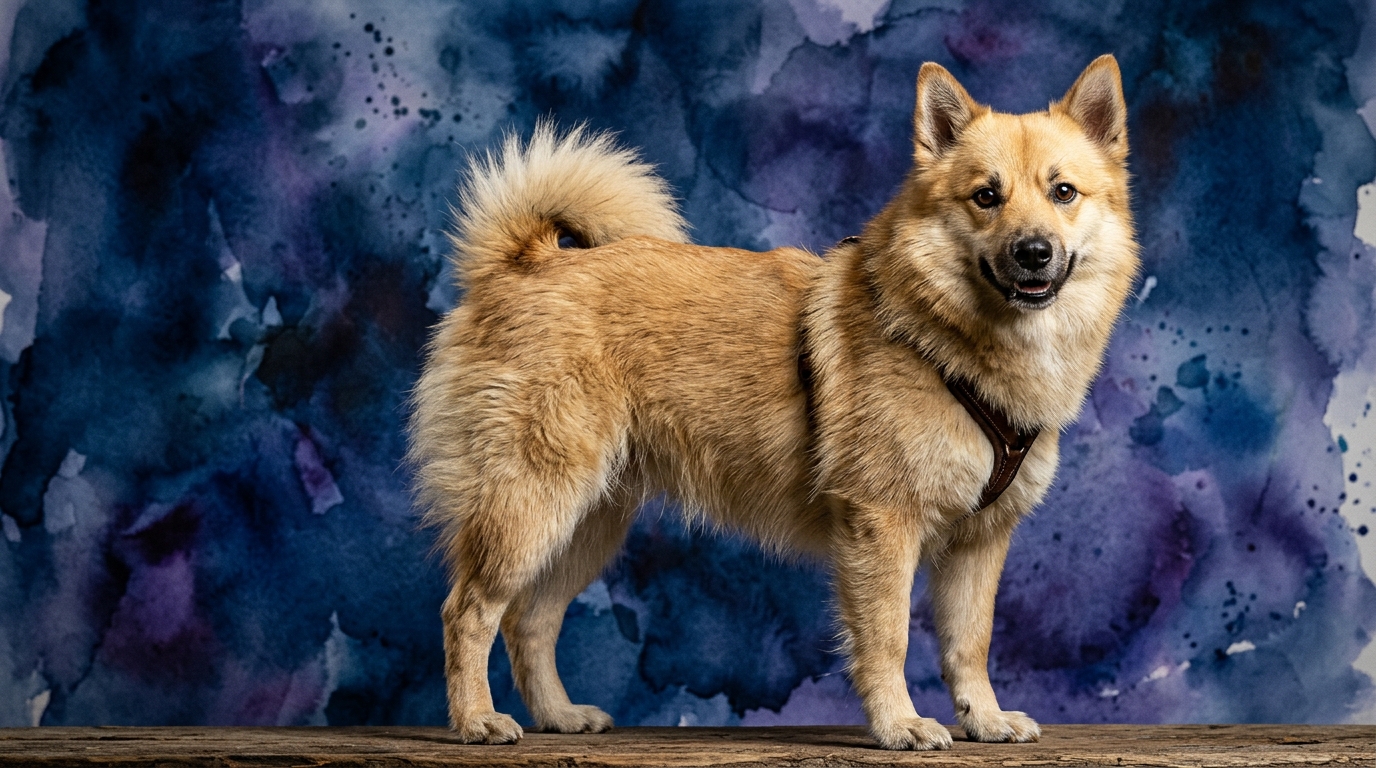
**Norwegian Buhund (Herding Group):**
**Problem Solving (3/5):** The Norwegian Buhund possesses a solid capacity for navigating challenges, often employing a trial-and-error approach. Their solutions tend to be practical and grounded in their working heritage, showing persistence.
**Training Speed (3/5):** Learning new commands is a steady process for the Buhund, requiring consistent repetition and clear, engaging methods. They absorb information at a reliable pace, so owners should anticipate patience.
**Social Intelligence (3/5):** Buhunds are adept at reading human intentions and emotional states, fostering strong, loyal bonds. Their social cues are generally clear, and they respond well to consistent communication.
**Instinctive Drive (3/5):** Driven by their herding lineage, Buhunds exhibit a moderate, yet distinct, desire to gather and manage. This drive manifests as an eagerness to work with purpose, channeling into activities.
**Memory (3/5):** Their recall for learned tasks, routines, and past experiences is dependable. Buhunds retain information adequately over time, meaning once ingrained, it is likely to persist.
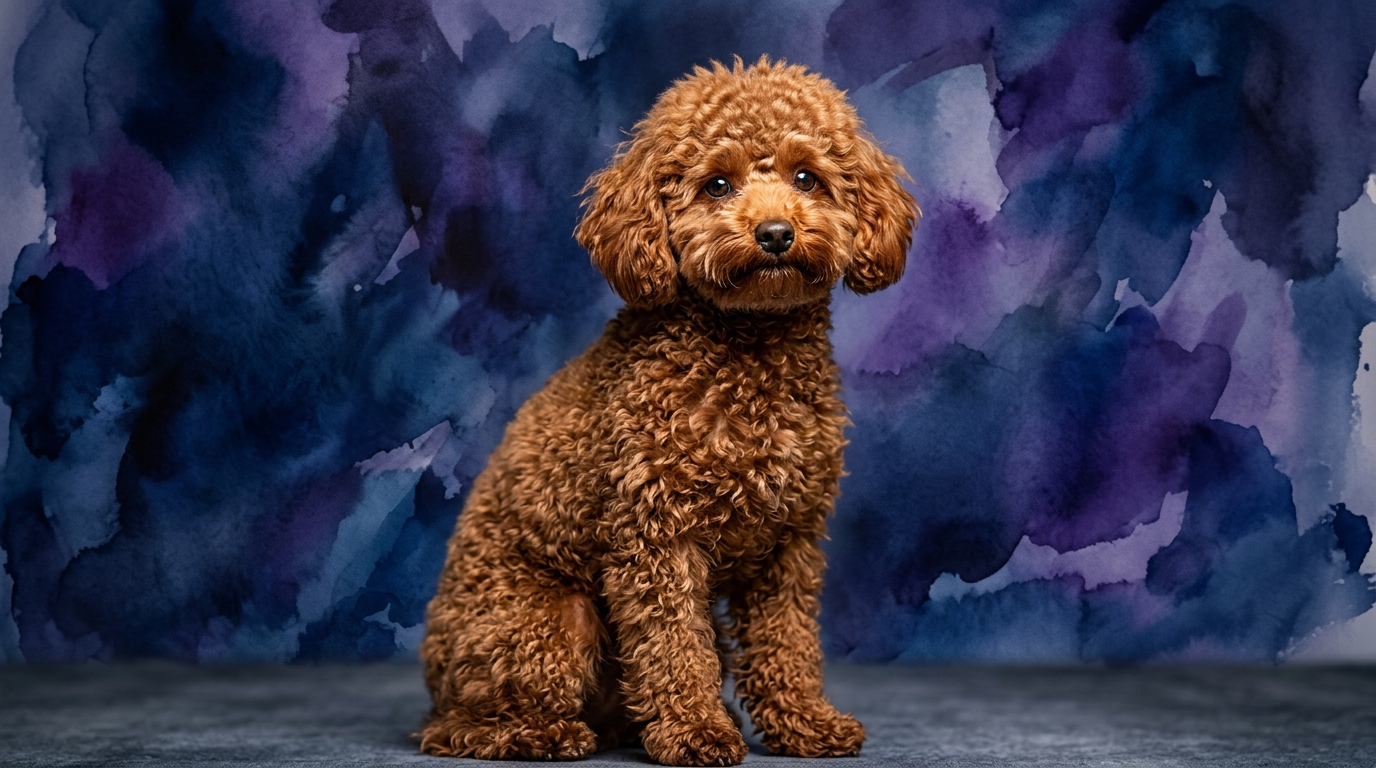
**Toy Poodle (Toy Group):**
**Problem Solving (5/5):** The Toy Poodle excels in cognitive puzzles, quickly discerning patterns and grasping cause-and-effect relationships. Their mental agility allows them to devise creative solutions to novel challenges.
**Training Speed (5/5):** This breed demonstrates an extraordinary aptitude for learning, frequently mastering new commands and complex sequences after just a few repetitions. Their eagerness to engage makes them exceptionally receptive.
**Social Intelligence (3/5):** Like the Buhund, Toy Poodles show a strong ability to interpret human cues and emotions, forming deep, intuitive connections. They are responsive to their owner’s moods and seek to interact.
**Instinctive Drive (3/5):** While not a herding or hunting breed, the Toy Poodle possesses a moderate drive, often channeled into retrieving, agility, or other performance activities. This inherent motivation makes them keen.
**Memory (5/5):** Toy Poodles exhibit exceptional long-term retention, remembering a vast repertoire of commands, tricks, and past interactions with remarkable clarity. This strong memory aids consistent performance.
Where the Norwegian Buhund Wins Cognitively
While direct numerical comparisons might suggest otherwise, the Norwegian Buhund's cognitive strengths shine in the practical application of its abilities, particularly in areas tied to its heritage. Its 3/5 problem-solving and instinctive drive, when combined, create a dog capable of independent decision-making within a dynamic environment. A Buhund's ability to assess a situation, like managing a flock or navigating a complex trail, relies on a blend of spatial reasoning, anticipation, and self-reliance that might not be fully captured by a controlled lab test. They excel in sustained, purposeful tasks where their robust nature and steady cognitive processing allow them to work autonomously, making considered judgments rather than seeking constant human direction. This specific kind of applied intelligence, rooted in their working legacy, gives them an edge in scenarios demanding steadfastness and practical ingenuity over rapid, abstract learning.
Where the Toy Poodle Wins Cognitively
The Toy Poodle's cognitive profile reveals clear advantages in several key areas, particularly in its capacity for rapid acquisition and retention of information. With a 5/5 in problem-solving, training speed, and memory, the Toy Poodle is a master of abstract learning and generalization. They effortlessly pick up complex sequences of commands, understand intricate rules in dog sports, and apply learned behaviors to novel situations with minimal prompting. This breed's mental agility allows them to process new information at an accelerated rate, making them exceptionally versatile in disciplines like obedience, agility, and trick training. Their superior memory ensures that once a concept is grasped, it is ingrained for the long term, enabling consistent, precise performance across a wide range of tasks.
Which is Easier to Train and Why
When it comes to ease of training, the Toy Poodle holds a distinct advantage, primarily due to its exceptional training speed (5/5) and memory (5/5). Poodles are often eager to engage, quickly grasping new concepts and retaining them with remarkable consistency. Their high problem-solving score means they often anticipate what's expected and actively try to figure out the desired behavior, making the learning process feel collaborative and swift. In contrast, the Norwegian Buhund, with its 3/5 in training speed and memory, requires a more patient and consistent approach. Buhunds learn reliably, but they need more repetitions to solidify commands, and their independent, herding-dog mindset means they might not always see the immediate 'point' of an exercise. While perfectly capable of learning, their training journey demands greater persistence and a focus on making tasks meaningful to their working drive, rather than just rote memorization.
Which Suits Active Owners vs. Engaged Owners
Both the Norwegian Buhund and the Toy Poodle thrive with engaged owners, though their specific needs cater to different activities. The Norwegian Buhund, with its herding background and robust build, suits owners who embrace outdoor adventures and purposeful activities. They require consistent physical exertion for their moderate instinctive drive and mental challenges like advanced obedience or scent work. Owners enjoying long hikes or competitive dog sports will find a willing partner. The Toy Poodle, while excelling in high-energy dog sports like agility, is perhaps more suited to owners prioritizing consistent mental engagement through diverse training, complex trick learning, and brain games. Their adaptability allows them to thrive with daily walks and indoor play, provided their cognitive capacity is regularly stimulated. They are excellent for owners who enjoy teaching intricate behaviors and appreciate a responsive, eager companion.
The Verdict
Opt for the Norwegian Buhund if you appreciate an independent, hardy companion with a practical, steadfast approach to challenges, and you are prepared to engage their moderate herding drive through consistent outdoor activity and purposeful training.
Select the Toy Poodle if you seek a highly adaptable, exceptionally quick-witted partner eager to master complex commands and excel in a variety of dog sports, thriving on continuous mental stimulation and interactive learning.
🧠 Find Your Pet's IQ Score
Our Pet IQ Lab assessment covers 25+ tests across 5 cognitive dimensions — personalized to your breed.
Take the Full IQ Test →Frequently Asked Questions
Does the Norwegian Buhund's lower IQ score mean it's less capable than a Toy Poodle?
Not at all. The Buhund's 3/5 scores indicate a steady, reliable cognitive ability, particularly suited for its working heritage. While not as rapid in abstract learning as the Poodle, its intelligence is highly functional and persistent in practical, real-world scenarios, demanding sustained focus and independent thought.
Can a Toy Poodle participate in activities typically associated with working breeds?
Absolutely. With its 5/5 scores in problem-solving, training speed, and memory, the Toy Poodle excels in various demanding dog sports like agility, obedience, and even dock diving. Their cognitive prowess allows them to master complex sequences and perform with precision, making them versatile competitors.
How do the social intelligence scores (3/5 for both) compare between these breeds?
Both breeds demonstrate a strong capacity to understand human cues and form deep bonds, indicating good social awareness. The identical score suggests neither breed inherently possesses a more nuanced or less nuanced understanding of human emotions or social dynamics in a general sense, though individual personalities will always vary.