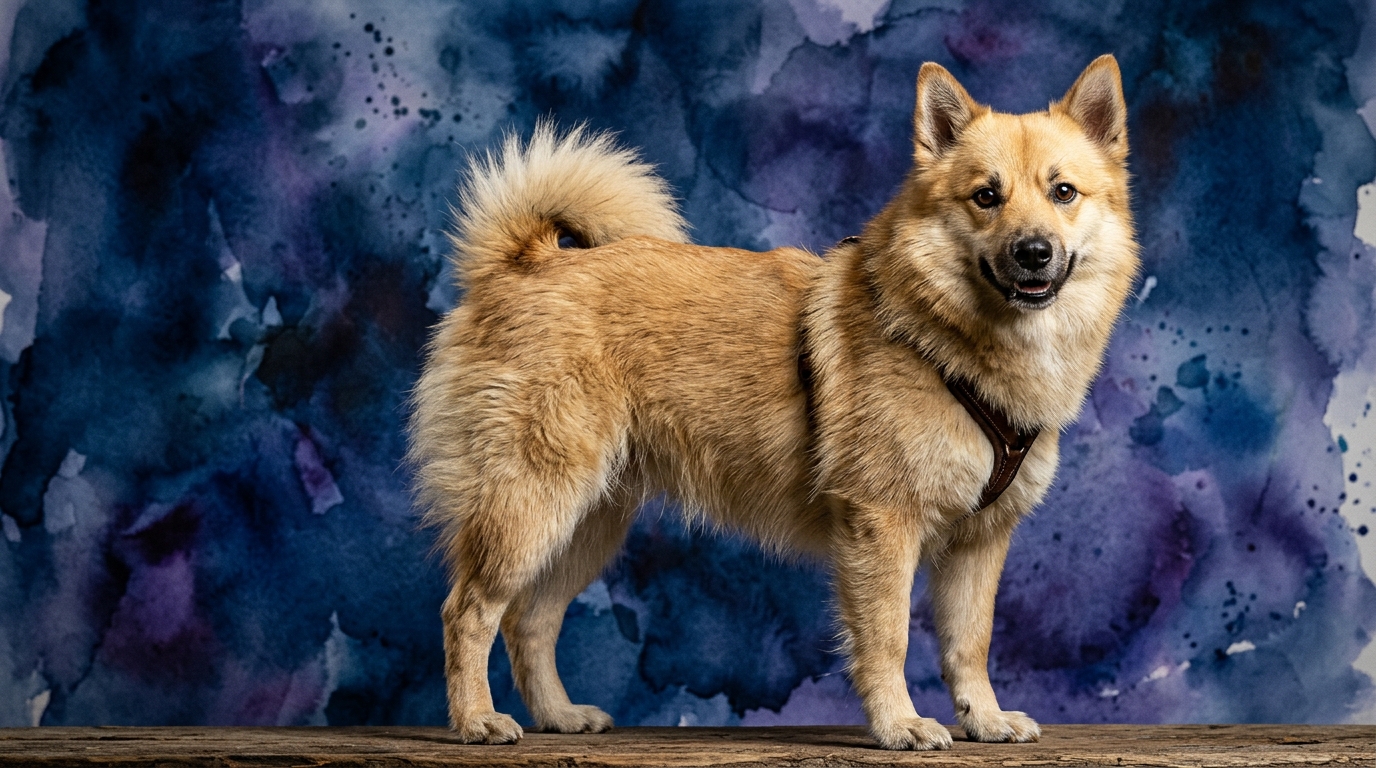
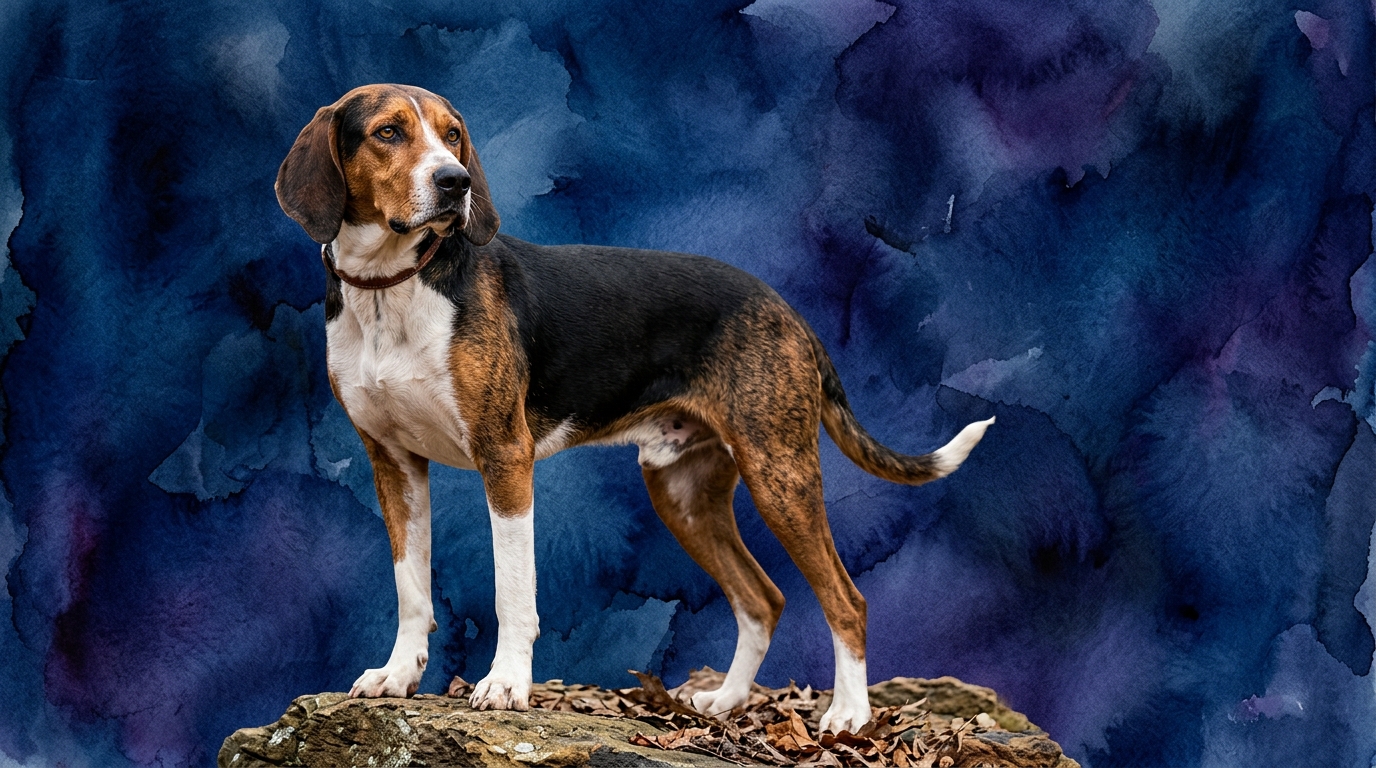
Side-by-Side IQ Profile: Norwegian Buhund vs. Treeing Walker Coonhound
The Cosmic Pet's Pet IQ Lab scores provide a foundational understanding, rating both the Norwegian Buhund and the Treeing Walker Coonhound with a consistent 3/5 across all five cognitive dimensions. While these numerical similarities might suggest comparable intellect, a deeper look into their breed-specific applications uncovers fascinating divergences.
For the Norwegian Buhund, a spirited herding dog from Norway, their Problem Solving (3/5) manifests as a practical, real-time resourcefulness. They excel at assessing dynamic situations, such as guiding livestock or navigating complex household routines, making quick decisions based on immediate environmental feedback rather than abstract thought. Their Training Speed (3/5) is generally efficient; Buhunds are eager to engage and learn commands, often driven by a desire to cooperate with their human "flock." However, their independent herding judgment means they might occasionally question a command if it doesn't align with their perceived purpose or a more pressing "duty." Social Intelligence (3/5) in a Buhund is highly developed within their family unit; they are adept at reading human emotions and anticipating needs, though they can be reserved or watchful with strangers. Their Instinctive Drive (3/5) is powerfully oriented towards herding, guarding, and vocal alerting, a deep-seated impulse to gather and protect their perceived family unit. Finally, their Memory (3/5) is robust, enabling them to recall complex routines, learned commands, specific people, and even the locations of "missing" family members or toys with impressive accuracy.
In contrast, the Treeing Walker Coonhound, an American scent hound, showcases its cognitive strengths through a different lens. Their Problem Solving (3/5) is primarily sensory-driven, demonstrating exceptional aptitude for interpreting intricate scent trails, distinguishing subtle nuances, and navigating diverse terrains to locate quarry. This is a highly specialized form of intelligence, focused intensely on olfactory information processing. Their Training Speed (3/5) presents a unique challenge; while capable of learning commands, a Coonhound's overwhelming instinctive drive often takes precedence. They might learn quickly in a distraction-free environment, but applying that learning when a compelling scent is present requires immense patience and consistent reinforcement. Social Intelligence (3/5) for a Coonhound is characterized by an affectionate, generally friendly disposition towards family and a cooperative nature within a hunting pack, but their primary focus during work is the scent trail itself, not necessarily intricate human social cues. Their Instinctive Drive (3/5) is unequivocally dominated by their scenting ability, manifesting as an unrelenting persistence to track and "tree" prey, accompanied by their characteristic baying. Their Memory (3/5) is excellent for recalling specific scent profiles, successful hunting locations, and familiar trails, but like their training, this memory can be temporarily overridden by the immediacy of a fresh, compelling scent.
Where the Norwegian Buhund Wins Cognitively
The Norwegian Buhund shines in areas requiring dynamic adaptability within a human-centric environment. Their herding background instills a proactive approach to their surroundings, making them particularly adept at anticipating and responding to shifts in household routines or family moods. This translates into a more intuitive understanding of human expectations and a quicker adjustment to new domestic rules. Furthermore, their historical role often demanded close verbal communication and responsiveness with a handler, giving them an edge in interpreting and acting upon a wider range of verbal cues in non-hunting contexts. This makes them highly communicative companions, often seeming to "understand" conversational nuances more readily than a scent-focused breed.
Where the Treeing Walker Coonhound Wins Cognitively
Conversely, the Treeing Walker Coonhound possesses unmatched cognitive strengths in the realm of sensory interpretation and persistent pursuit. Their ability to disentangle complex scent information, differentiate between layers of odor, and maintain unwavering focus on a single trail over hours is a testament to extraordinary specialized problem-solving. This isn't just about following a line; it's about making intricate decisions based on ephemeral data, a truly sophisticated form of intelligence. This tenacity extends to their endurance and mental stamina, allowing them to remain engaged in a challenging task for prolonged periods, demonstrating a depth of focus that few other breeds can match. Their spatial memory for complex, varied terrain, built through countless hours of tracking, also stands out as a unique cognitive advantage.
Which is Easier to Train and Why
For the average pet owner, the Norwegian Buhund is generally considered easier to train, primarily due to their intrinsic desire to cooperate and their historical role as a partner in managing livestock. Their problem-solving often involves working *with* a human, making them highly receptive to traditional obedience training and eager to please their "flock leader." While they possess an independent streak, it's typically expressed as making decisions within their role, rather than outright ignoring commands. The Treeing Walker Coonhound, however, presents a more significant training challenge. Their overwhelming scent drive means that external stimuli can easily override learned commands. Training requires immense patience, creativity, and a deep understanding of their primary motivation. A Coonhound might know a command perfectly in a quiet living room, but the moment a compelling scent hits their nose outdoors, their primal instinct can take over, requiring consistent, high-value reinforcement to maintain focus.
Which Suits Active Owners vs. Relaxed Owners
Both breeds demand active engagement, but in different ways. The Norwegian Buhund thrives with owners who can provide consistent mental stimulation and regular physical exercise, such as dog sports, advanced obedience, or being an integral part of an active family's daily life. They need a "job" to feel fulfilled, even if that job is household supervision or learning new tricks. A relaxed owner might find a Buhund's vocal nature and need for engagement overwhelming. The Treeing Walker Coonhound is unequivocally suited for highly active owners who can accommodate their intense need for extensive physical activity and outlets for their scenting instincts. This often translates to long hikes, runs, or participation in scent work or hunting activities. Their propensity to follow a captivating scent, potentially over long distances, makes them unsuitable for relaxed owners who cannot commit to secure, off-leash exercise areas or consistent leash training.
The Verdict
Choose the Norwegian Buhund if you desire a communicative, cooperative partner who thrives on being part of family activities, enjoys mental challenges within a home environment, and offers a watchful, proactive presence.
Opt for the Treeing Walker Coonhound if you are a dedicated owner who values a tenacious, independent scent hound, are prepared for extensive exercise and specialized training, and appreciate a dog whose intellect shines brightest when immersed in the captivating world of scent.
🧠 Find Your Pet's IQ Score
Our Pet IQ Lab assessment covers 25+ tests across 5 cognitive dimensions — personalized to your breed.
Take the Full IQ Test →Frequently Asked Questions
Do identical IQ scores mean they are equally smart?
No, identical scores indicate a similar overall *capacity* for learning and problem-solving, but the *application* and *manifestation* of that intelligence differ greatly based on breed purpose and instinct. It’s about how their brains are wired to prioritize and process information.
Can a Treeing Walker Coonhound be a good family pet despite its hunting drive?
Absolutely, with proper training, socialization, and sufficient outlets for their energy and scenting instincts, they can be affectionate and loyal family members. Their friendly nature makes them suitable for homes that understand their unique needs.
Are Norwegian Buhunds prone to excessive barking?
Yes, their herding and watch dog instincts often manifest as vocalizations, making them prone to barking to alert their owners or express excitement or perceived threats. Consistent training can help manage this, but it's a natural and ingrained part of their communication style.