Side-by-Side IQ Profile: Elkhound vs. Chow Chow
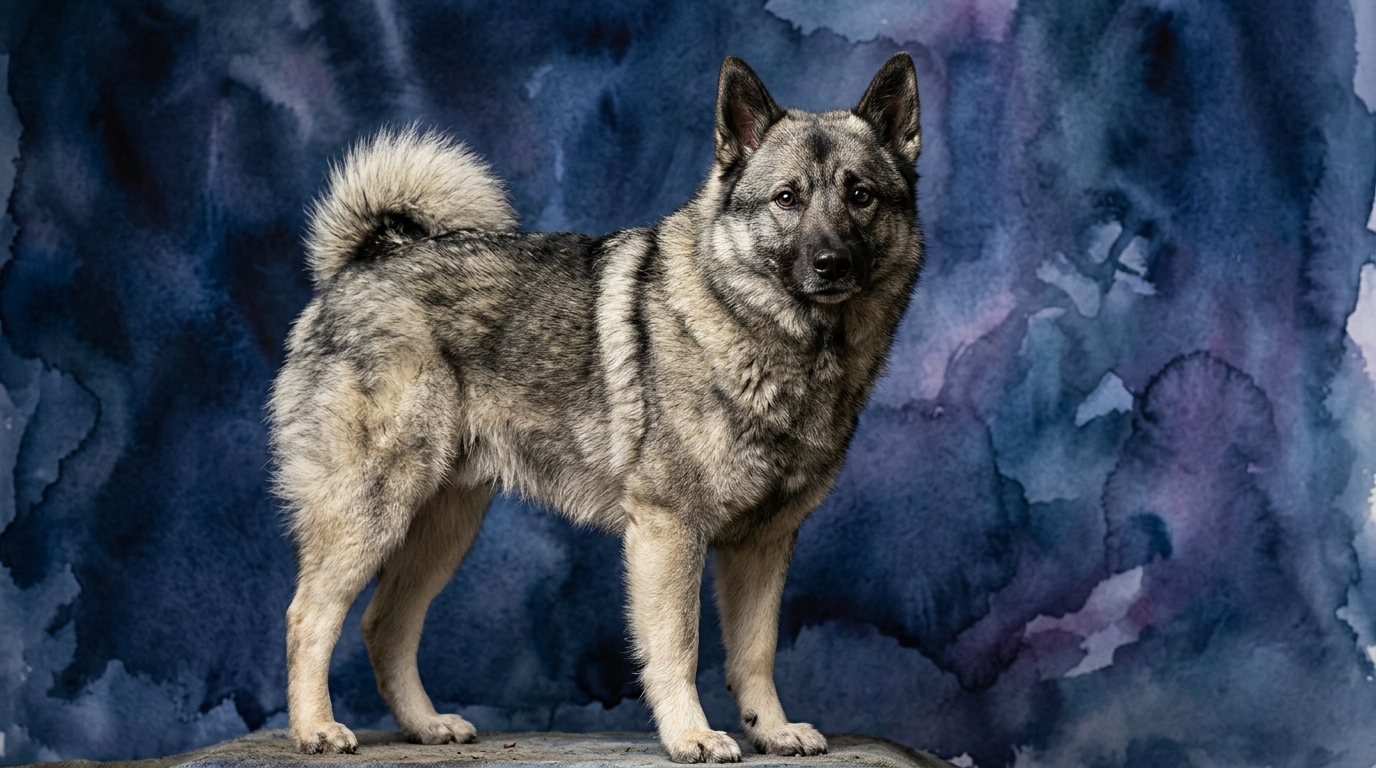
At The Cosmic Pet Pet IQ Lab, we evaluate canine cognition across five key dimensions. The Norwegian Elkhound, ranking #36 on the Coren scale, presents a profile reflecting its active, working heritage.
**Norwegian Elkhound (Coren rank #36):**
**Problem Solving (4/5):** This breed demonstrates a strong capacity for analyzing complex situations and independently devising solutions, reflecting its history as a hunting companion that needed to make decisions in varied terrain. They often figure out how to open gates or retrieve hidden items with methodical persistence.
**Training Speed (4/5):** Elkhounds exhibit a quick grasp of new commands and routines, typically requiring fewer repetitions to master a task. Their responsiveness makes them generally receptive students, especially when motivated by engaging methods.
**Social Intelligence (3/5):** They possess a moderate capacity for understanding human cues and intentions, capable of forming strong bonds but often with a degree of independence. While amiable, they may not always seek constant human direction.
**Instinctive Drive (3/5):** Retaining a notable drive for tracking and vocalizing, stemming from their big game hunting heritage, Elkhounds show a keen awareness of surroundings and a propensity to alert owners to novel stimuli.
**Memory (4/5):** This breed demonstrates a robust memory for learned behaviors, routes, and past experiences. This allows them to recall complex sequences and familiar environments consistently over extended periods.
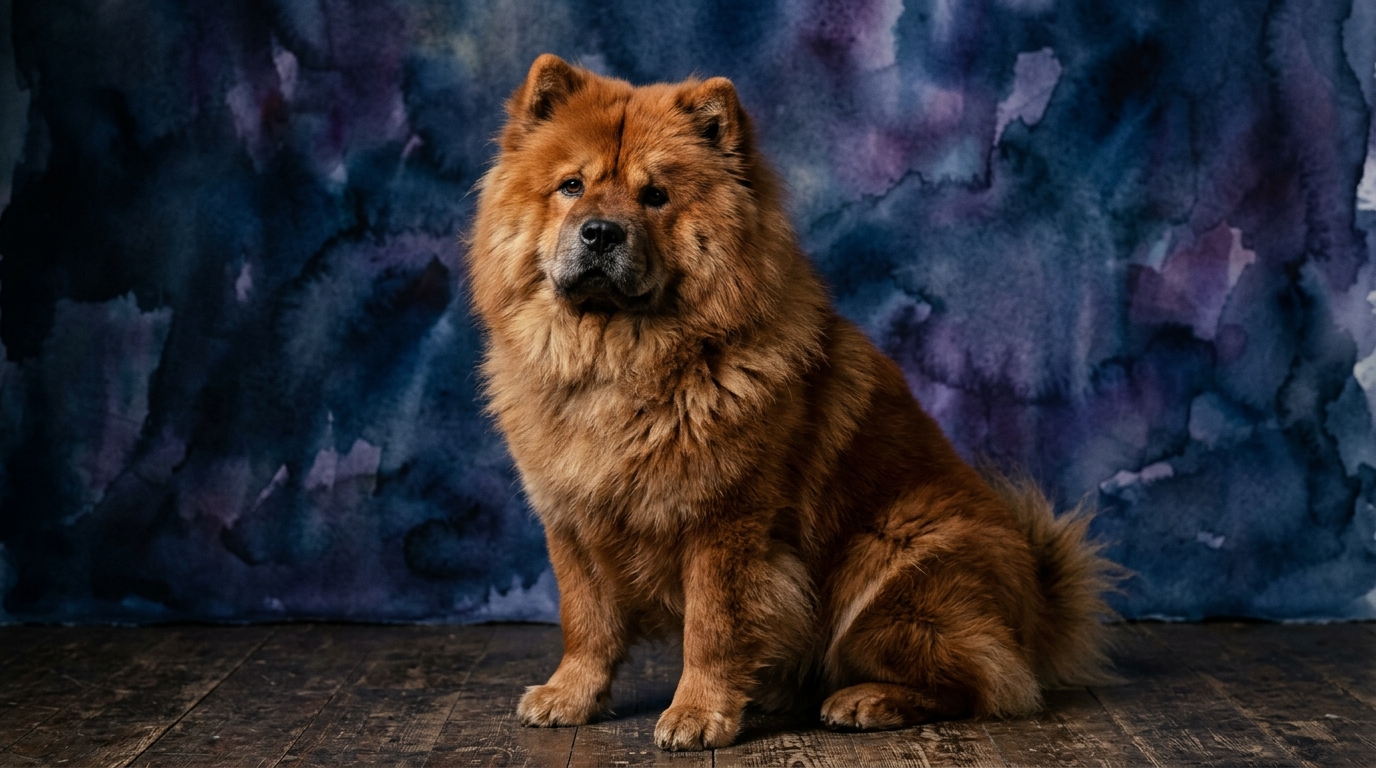
In contrast, the Chow Chow, ranking #76 on the Coren scale, showcases a cognitive style rooted in its ancient roles as a guardian and companion.
**Chow Chow (Coren rank #76):**
**Problem Solving (3/5):** Chow Chows approach challenges with a steady, deliberate manner, often preferring established routines over novel solutions. Their independent nature means they might not always prioritize solving human-presented puzzles in a collaborative way.
**Training Speed (3/5):** Learning at a moderate pace, their independent spirit demands patience and consistent, positive reinforcement. They understand commands but may choose to comply based on their own perceived value of the task.
**Social Intelligence (3/5):** Possessing a reserved and sometimes aloof social demeanor, they are selective in their affections and less overtly demonstrative of understanding human emotional states. They form deep bonds but express them subtly.
**Instinctive Drive (3/5):** Exhibiting a moderate guarding instinct and a desire for personal space, this reflects their ancient role as temple guardians and working dogs. Their drive is more territorial and protective than predatory.
**Memory (3/5):** They hold onto information and routines reliably, but their memory is often tied to personal comfort and preferences. They remember what is important to them, which might not always align with human expectations.
Where the Norwegian Elkhound Excels Cognitively
The Norwegian Elkhound clearly demonstrates an advantage in adaptive problem-solving, scoring a 4/5 compared to the Chow Chow's 3/5. This means Elkhounds are more inclined to analyze new situations, experiment with solutions, and apply past learning to novel challenges with greater agility. Their hunting heritage instilled a need for independent decision-making in varied terrain, translating into a quicker ability to strategize, whether it's navigating an unfamiliar path or figuring out how to retrieve a toy from a difficult spot.
Furthermore, the Elkhound's higher rating in training speed (4/5 vs. 3/5) indicates a more rapid acquisition of new skills and commands. They are generally more eager to engage in structured learning and pick up on cues with fewer repetitions. This cognitive nimbleness makes them more straightforward to guide through complex obedience routines or specialized tasks, as they readily connect actions with desired outcomes. Their stronger memory (4/5 vs. 3/5) also reinforces this, ensuring that once a skill is learned, it is retained consistently over time, contributing to their reliable performance.
Where the Chow Chow's Cognitive Strengths Lie
While the Elkhound excels in dynamic problem-solving and rapid learning, the Chow Chow's cognitive strengths lie in areas that underscore its historical roles as a guardian and companion. Their problem-solving (3/5) is characterized by a steady, methodical approach, often prioritizing known routines and stability over impulsive experimentation. This isn't a deficit in ability but a difference in cognitive style; they excel at maintaining order and adhering to established patterns, making them reliable in predictable environments.
The Chow Chow's social intelligence (3/5), while reserved, is profoundly tuned to their immediate family, fostering a deep, albeit subtle, connection. Their reserved nature means they are less swayed by external stimuli or strangers, allowing for focused attention on their chosen companions. This selective social engagement translates into a steadfast loyalty and an unwavering dedication to their inner circle. Their instinctive drive (3/5) is less about pursuit and more about territorial vigilance, showcasing a quiet but firm awareness of their surroundings and a strong sense of personal boundaries. This cognitive focus on protection and self-reliance is a distinct advantage for roles requiring unwavering presence rather than active collaboration.
Training Dynamics: Which is Easier and Why?
The Norwegian Elkhound is generally considered easier to train than the Chow Chow, largely due to its higher scores in training speed (4/5 vs. 3/5) and problem-solving (4/5 vs. 3/5). Elkhounds were bred to work cooperatively with hunters, requiring them to understand and respond to human commands quickly and consistently in challenging environments. This background has fostered a cognitive predisposition towards engagement and responsiveness during training sessions. They tend to be more motivated by praise and food, and their robust memory means that once a command is learned, it sticks. They are often keen to participate in training as a form of mental stimulation and bonding.
In contrast, the Chow Chow's training experience is often described as requiring more patience and a nuanced approach. Their independent nature and moderate training speed mean they require more repetitions and a trainer who understands their subtle motivations. A Chow Chow might understand a command perfectly but choose not to perform it if they don't see the immediate value or if their inherent independence asserts itself. Their reserved social intelligence means they are less driven by a desire to constantly please, making consistent, positive reinforcement methods crucial. Trainers must build trust and make training a rewarding, low-pressure experience, focusing on clear communication and respecting the Chow Chow's inherent self-sufficiency.
Suitability for Active vs. Relaxed Owners
For active owners seeking a canine partner for adventures and consistent engagement, the Norwegian Elkhound is often the more suitable choice. Their background as tenacious hunters means they possess significant stamina and a cognitive drive for activity. They thrive on regular exercise, which includes not just physical exertion but also mental challenges like scent work, agility, or obedience training. Their higher problem-solving and training speed ratings indicate they enjoy learning new tasks and participating in activities that require focus and initiative. An Elkhound will benefit from an owner who can channel its energy and cognitive abilities into purpose-driven activities, preventing boredom and potential mischief.
Conversely, the Chow Chow is generally better suited for more relaxed owners who appreciate a dignified, less overtly demanding companion. While they still require regular, moderate exercise to maintain health, their cognitive profile suggests a preference for routine and a quieter home environment. Their reserved social intelligence and independent nature mean they are content with their own company for periods and do not constantly seek human interaction or direction. A Chow Chow will flourish with an owner who respects its boundaries, provides a stable routine, and appreciates its calm, watchful presence without expecting constant high-energy engagement or effusive displays of affection.
The Verdict
Choose the Norwegian Elkhound if you seek an active, eager-to-learn companion for adventures, mental challenges, and a more collaborative training experience.
Opt for the Chow Chow if you prefer a dignified, independent companion who values routine, offers quiet loyalty, and thrives with a patient, understanding owner.
🧠 Find Your Pet's IQ Score
Our Pet IQ Lab assessment covers 25+ tests across 5 cognitive dimensions — personalized to your breed.
Take the Full IQ Test →Frequently Asked Questions
Do Norwegian Elkhounds bark a lot?
Yes, Norwegian Elkhounds are known for their vocalizations, particularly barking, which stems from their hunting heritage where they needed to alert hunters to game. This is part of their instinctive drive and can be managed with consistent training, but owners should expect a talkative companion.
Are Chow Chows good family dogs?
Chow Chows can be devoted family dogs, forming strong bonds with their immediate human family, but they are often reserved with strangers and require early socialization. Their independent nature means they prefer a calm environment and might not tolerate rough play from children, making supervision crucial.
Which breed is better for apartment living?
Neither breed is ideal for small apartment living without significant commitment to exercise and mental stimulation, but the Chow Chow might adapt slightly better due to its lower energy demands and preference for routine, provided adequate outdoor time. The vocal nature and higher energy of the Elkhound make it more challenging in close quarters.