Side-by-Side Cognitive Profiles
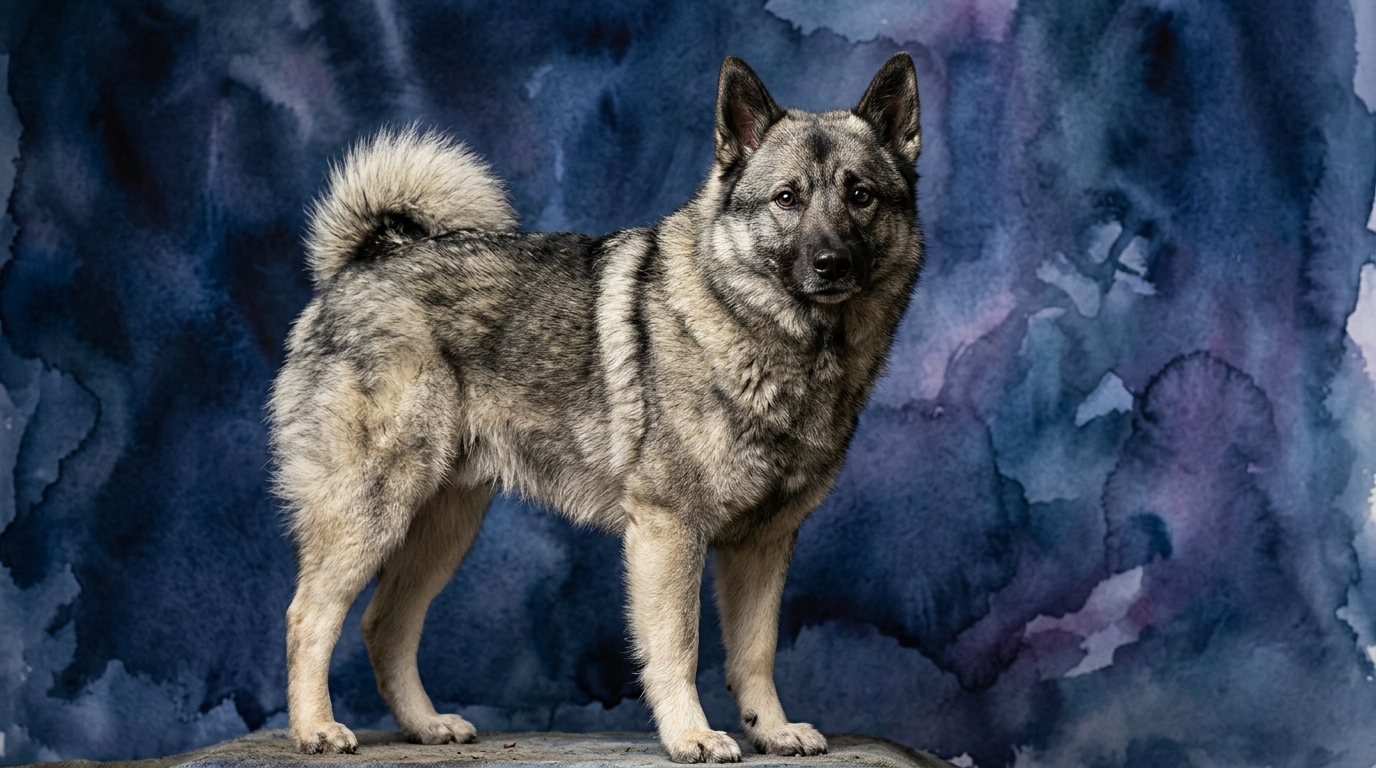
The Cosmic Pet Pet IQ Lab categorizes canine intelligence across five key dimensions, providing a nuanced perspective beyond simple obedience. For the Norwegian Elkhound, a breed historically tasked with tracking and holding large game like moose, these dimensions reflect a need for strategic thinking and cooperation. Their Problem Solving is rated 4/5, indicating an aptitude for navigating complex situations and devising effective solutions. Training Speed also stands at 4/5, suggesting a quick grasp of commands and routines, born from centuries of working closely with human hunters. Social Intelligence is 3/5, demonstrating a balanced ability to read human cues and interact within a social structure without being overly dependent. Their Instinctive Drive is 3/5, representing a moderate, controlled expression of their natural hunting instincts. Memory, crucial for recalling routes and learned strategies, is strong at 4/5.
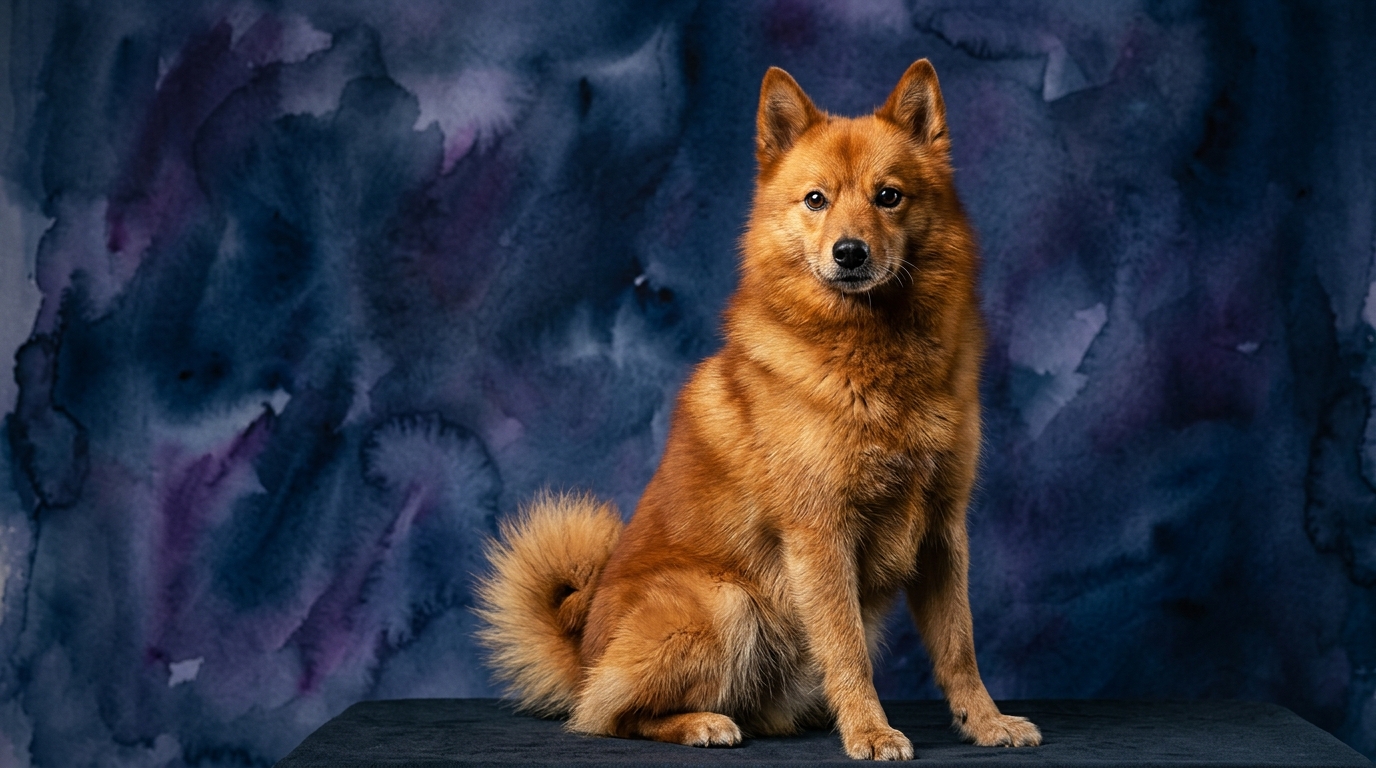
In contrast, the Finnish Spitz, celebrated as a 'barking bird dog,' developed a different set of cognitive priorities, focusing on independent action and sustained vocalization. Their Problem Solving scores 3/5, indicating they can tackle challenges but might rely more on persistence than intricate strategy. Training Speed is also 3/5, suggesting they learn at a steady pace but might require more repetition or motivation due to their independent nature. Social Intelligence mirrors the Elkhound at 3/5, showing an ability to connect with their human companions while maintaining a degree of self-sufficiency. Their Instinctive Drive, specifically towards vocalizing and pointing birds, is 3/5, a focused manifestation of their heritage. Memory is rated 3/5, sufficient for their tasks but perhaps not as expansive as the Elkhound's for complex, multi-stage activities.
Where the Norwegian Elkhound Excels Cognitively
The Norwegian Elkhound's cognitive strengths distinctly align with its demanding historical role. Their 4/5 rating in Problem Solving reflects a capacity for independent, strategic thought essential for a big-game hunter. When confronting a moose, an Elkhound isn't just following; it's assessing terrain, anticipating the animal's movements, and working to hold it at bay until the hunter arrives. This requires more than brute force; it demands tactical intelligence, the ability to adapt to changing circumstances, and to make quick, effective decisions under pressure. Their superior Training Speed (4/5) further enhances this, enabling them to quickly internalize complex commands and hunting signals, fostering a highly collaborative partnership.
Furthermore, the Elkhound's strong Memory (4/5) is a significant advantage. A hunting dog must recall vast territories, the scent trails of specific animals, and the learned behaviors for various scenarios. This robust memory allows them to build a comprehensive mental map of their environment and past experiences, making them incredibly efficient and reliable partners in the field. This combination of swift learning, strategic thinking, and excellent recall positions the Elkhound as a highly capable and adaptable working dog, adept at tasks requiring both physical stamina and mental agility.
Where the Finnish Spitz's Cognitive Profile Shines
While the Finnish Spitz's scores might appear lower in direct comparison, their cognitive profile is perfectly tailored to their specialized purpose. Their 3/5 in Problem Solving, combined with a 3/5 in Instinctive Drive, reflects an intelligence focused on sustained, repetitive tasks rather than complex strategy. The Finnish Spitz excels at independently locating birds, alerting the hunter with persistent barking, and maintaining this 'point' for extended periods. This doesn't require intricate planning but rather an exceptional capacity for focused attention, sensory discrimination, and unwavering dedication to a singular task.
Their social intelligence at 3/5, while not indicating extreme dependence, is ideal for a dog that needs to work somewhat autonomously in the forest, yet still respond to its human partner when needed. The Finnish Spitz's distinct vocalization, an integral part of their hunting method, is not merely instinctive but a controlled, purposeful communication tool. Their cognitive strengths lie in their ability to process environmental cues for birds, initiate and sustain their unique barking, and maintain an independent yet cooperative spirit, making them masters of their specific bird-hunting craft.
Training Dynamics: Elkhound vs. Finnish Spitz
When it comes to ease of training, the Norwegian Elkhound generally presents a more receptive and cooperative experience for owners, largely due to their 4/5 Training Speed. Their history as close hunting partners instilled a desire to work alongside humans, making them eager to please and quick to pick up new commands and routines. They thrive on structure and benefit from consistent, positive reinforcement, readily absorbing lessons in obedience, tracking, or even agility. Their stronger problem-solving skills also mean they can often generalize learned behaviors to new situations more effectively, requiring less direct instruction.
The Finnish Spitz, with a Training Speed of 3/5, often poses a greater challenge. Their independent nature, bred for autonomous bird location and vocalization, means they are less inherently inclined towards constant human direction. They can be more stubborn, requiring greater patience, creativity, and high-value rewards to maintain their engagement. Their strong instinctive drive to bark, while crucial for their original purpose, can also be a significant training hurdle in a domestic setting, demanding consistent effort to manage. Owners should anticipate that a Finnish Spitz might learn at a steady pace but will likely test boundaries and require more consistent motivation than an Elkhound.
Activity Levels and Owner Suitability
For active owners seeking a canine companion, both breeds require regular physical and mental engagement, but their ideal activities differ. The Norwegian Elkhound, with its 4/5 problem-solving and memory, thrives on purposeful activity. They excel in structured sports like obedience, rally, agility, or tracking, where their intelligence and stamina can be put to good use. Long hikes, trail running, or even skijoring can be excellent outlets for their robust energy. They are not suited for purely relaxed owners, as their minds need stimulation just as much as their bodies, otherwise, they may invent their own, less desirable, forms of entertainment.
The Finnish Spitz also requires an active lifestyle, but one that often accommodates their unique drives. While they enjoy walks and runs, their 3/5 instinctive drive for barking and birding means they benefit greatly from activities that engage these senses. Scent work, 'find it' games, or even supervised time in a securely fenced yard where they can observe and vocally react to squirrels and birds can be fulfilling. They are agile and enjoy exploring, but their independent streak means they might not be as focused on constant human interaction during exercise. While not a couch potato, a 'relaxed' owner who appreciates their independent spirit and can provide ample outdoor sensory enrichment might find a Finnish Spitz a better fit than one who expects constant, structured obedience.
The Verdict
Choose the Norwegian Elkhound if you seek a highly cooperative, mentally agile partner for structured training, outdoor adventures, and a strong collaborative bond.
Opt for the Finnish Spitz if you appreciate an independent spirit, enjoy a vocal companion, and can provide consistent outlets for their unique birding instincts and robust activity needs.
🧠 Find Your Pet's IQ Score
Our Pet IQ Lab assessment covers 25+ tests across 5 cognitive dimensions — personalized to your breed.
Take the Full IQ Test →Frequently Asked Questions
Are Norwegian Elkhounds good family dogs?
Yes, Norwegian Elkhounds generally make excellent family dogs. They are loyal and protective of their family members, often forming strong bonds with children when properly socialized from a young age. Their robust nature means they can handle playful interactions well.
Do Finnish Spitz bark a lot?
Yes, Finnish Spitz are famously vocal dogs, earning them the nickname 'barking bird dog.' Their instinctive drive to alert by barking is very strong, so prospective owners must be prepared to manage and appreciate this characteristic. Consistent training can help moderate, but not eliminate, their vocal tendencies.
What kind of mental stimulation do these breeds need?
Norwegian Elkhounds thrive on puzzle toys, obedience training, and learning new commands that challenge their problem-solving abilities. Finnish Spitz benefit from activities that engage their senses, like scent games, observing wildlife, and 'find it' games that tap into their natural hunting instincts. Both need daily mental engagement to prevent boredom.