Side-by-Side IQ Profile
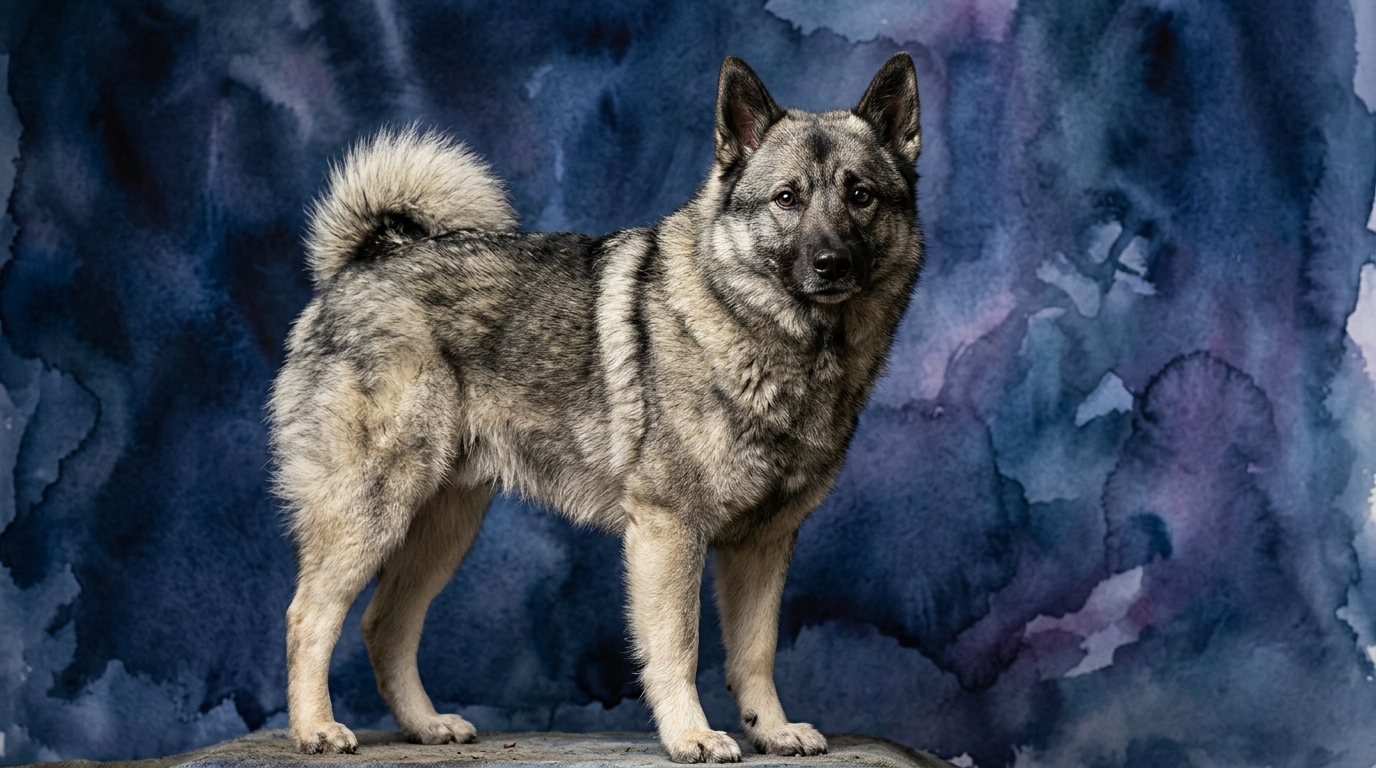
The Cosmic Pet Pet IQ Lab data offers a window into the distinct mental faculties of these two breeds. The Norwegian Elkhound, historically tasked with tracking large game like moose in challenging Nordic terrain, exhibits a cognitive profile reflecting independence and adaptability. Their Problem Solving scores a robust 4/5, indicating a capacity for independent decision-making and navigating complex situations without constant human direction. Training Speed also rates 4/5, suggesting they grasp new commands and concepts with relative quickness, though their independent streak means they apply these lessons on their own terms. Social Intelligence is 3/5, pointing to a balanced nature; they form strong bonds with their primary family but can be reserved with strangers. Their Instinctive Drive stands at 3/5, primarily focused on scent tracking and holding game at bay, demonstrating a controlled, purposeful drive rather than a generalized high prey instinct. Finally, their Memory is a strong 4/5, enabling them to recall complex routes, learned behaviors, and past experiences effectively. The Elkhound's Coren rank of #36 places them among breeds with a notable capacity for understanding new commands.
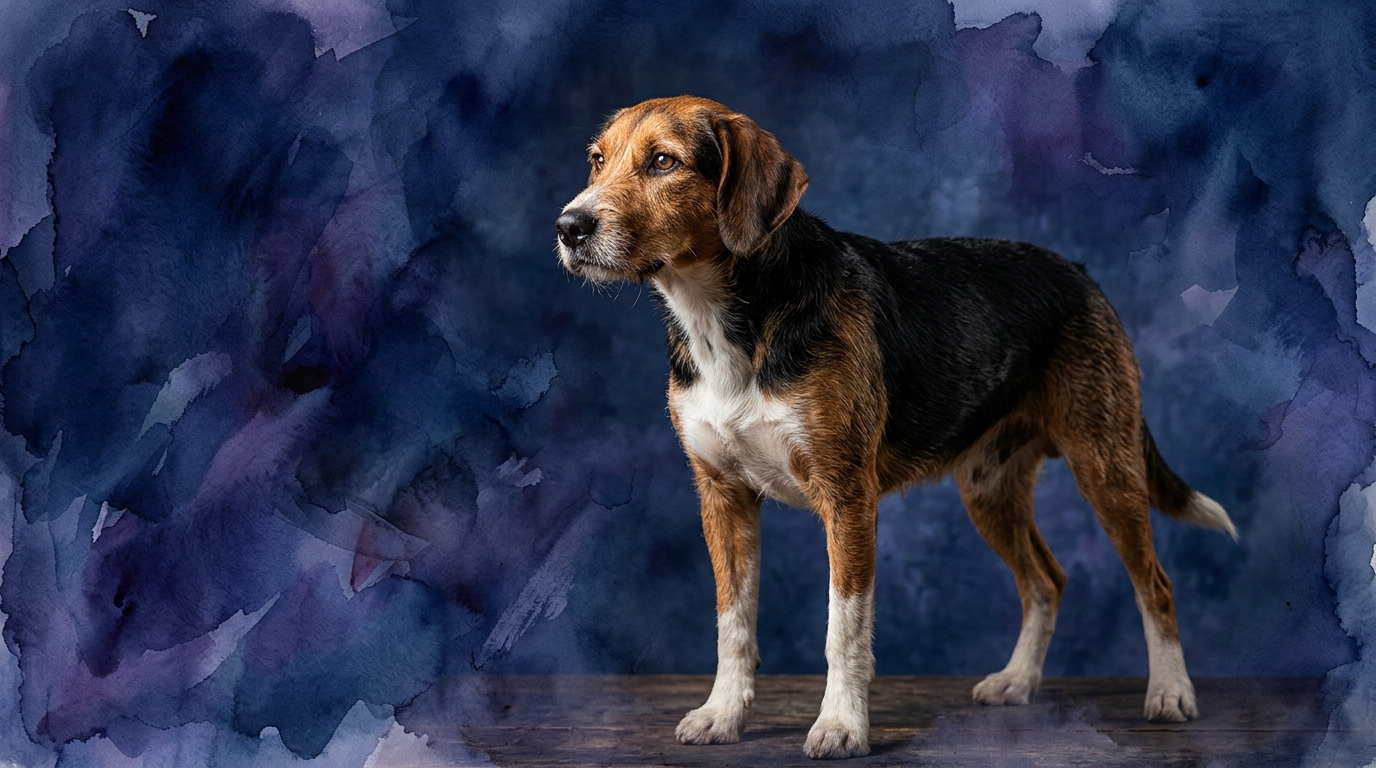
Developed for sustained scent-hunting in packs, often for hare, the Harrier presents a profile emphasizing endurance, cooperation, and focused instinct. Their Problem Solving is 3/5, indicating a practical, persistent approach to challenges, relying more on tried-and-true methods and scent work than abstract reasoning. Training Speed is also 3/5; Harriers are willing learners but benefit from consistent, patient repetition to solidify commands. Their Social Intelligence scores 3/5, reflecting their pack origins—they are generally amiable and enjoy companionship, thriving in social structures. The Instinctive Drive for a Harrier is a solid 3/5, almost entirely dedicated to scenting and following a trail with unwavering determination. Their Memory is 3/5, sufficient for recalling established routines, familiar scent patterns, and learned commands, especially when reinforced through consistent practice. The Harrier is not listed in Coren's rankings, suggesting their cognitive strengths are less about rapid command acquisition and more about their specialized, enduring hunting skills.
Where Norwegian Elkhound Wins Cognitively
The Norwegian Elkhound demonstrates a clear cognitive advantage in areas demanding independent thought and rapid assimilation of new information. Their 4/5 Problem Solving score means they are more adept at figuring out novel challenges or adapting to unexpected environmental changes without human intervention. This stems from centuries of working alone or in small groups, requiring them to make critical decisions about tracking, baying, and navigating harsh terrain. Furthermore, their 4/5 Training Speed indicates a quicker initial grasp of new concepts and commands, allowing for a broader and more complex repertoire of learned behaviors in a shorter timeframe. This cognitive agility, combined with a 4/5 Memory, enables them to retain intricate sequences and past lessons, making them particularly effective in tasks requiring recall of multi-step processes or complex environmental layouts.
Where Harrier Wins Cognitively
While the Harrier's individual scores are more moderate, their specific cognitive profile represents a 'win' in contexts prioritizing unwavering focus, endurance, and pack cohesion over independent problem-solving. Their consistent 3/5 in Instinctive Drive means they possess a deep, single-minded dedication to scent work, a quality crucial for sustained hunts. This balanced drive, combined with a practical 3/5 in Problem Solving, makes them less prone to overthinking or deviating from a scent trail, ensuring persistent pursuit. Their 3/5 Social Intelligence is a particular strength in multi-dog households or for owners seeking a companion that integrates seamlessly into a family unit, often showing less reservation than more independently-minded breeds. For an owner who values a dog with a predictable, enduring drive for specific tasks like scent trailing or who prefers a less cognitively demanding companion that thrives on routine and clear direction, the Harrier's steady, focused mental approach is a distinct advantage.
Which Is Easier To Train and Why
When assessing ease of training, the Norwegian Elkhound generally presents a faster learning curve due to their 4/5 Training Speed and 4/5 Problem Solving. They grasp new commands and understand complex sequences more quickly, often requiring fewer repetitions. However, their independent nature, a byproduct of their problem-solving prowess, means they might choose to apply their learned skills when they deem it appropriate, rather than always immediately obeying. This requires a trainer to build strong motivation and a compelling partnership. The Harrier, with a 3/5 Training Speed, requires more consistent and patient repetition to solidify commands. They are willing but not as quick to initially pick up new concepts. Their strength lies in their persistence and desire for routine, which, once a behavior is learned, often results in a deeply ingrained and reliable response, especially when it aligns with their strong instinctive drives. Therefore, the Elkhound is quicker to learn, but the Harrier might be more consistently obedient over time with the right repetitive reinforcement, particularly in tasks related to their natural scenting abilities.
Which Suits Active Owners vs Relaxed Owners
For the active owner seeking a cognitive partner in their adventures, the Norwegian Elkhound is often a fitting choice. Their higher Problem Solving and Memory scores mean they thrive on mental stimulation, complex training, and activities that challenge their independent thought, such as advanced obedience, agility, or tracking. They require an owner who can channel their substantial mental and physical energy into productive outlets, appreciating a dog that often thinks alongside them. A relaxed owner might find the Elkhound's mental demands overwhelming, potentially leading to boredom-driven behaviors. The Harrier, while also an active breed requiring ample exercise to satisfy its 3/5 Instinctive Drive, is better suited for owners who appreciate a more straightforward companion. Their cognitive profile, with its emphasis on persistence and routine, makes them excel in activities that involve sustained physical effort and repetitive tasks, like long hikes, jogging, or scent games. While they need activity, their mental demands are less about complex problem-solving and more about channeling their enduring physical energy and scenting abilities, making them a good fit for active owners who enjoy consistent outdoor activities but don't necessarily seek a dog that constantly 'out-thinks' them.
The Verdict
For those seeking a thinking partner, a dog that quickly grasps complex tasks and can make independent decisions in dynamic environments, the Norwegian Elkhound is the compelling choice.
If your lifestyle calls for a dog with unwavering focus on specific tasks, a steady and enduring drive, and a generally amiable pack-oriented disposition, the Harrier will integrate wonderfully into your routine.
🧠 Find Your Pet's IQ Score
Our Pet IQ Lab assessment covers 25+ tests across 5 cognitive dimensions — personalized to your breed.
Take the Full IQ Test →Frequently Asked Questions
Does the Norwegian Elkhound's higher problem-solving score make them better for all types of work?
Not necessarily; while they excel in independent decision-making and learning complex tasks, their independence can mean they interpret situations on their own terms, which might not always align with human expectations in highly structured environments. Their cognitive strengths are best utilized in roles requiring adaptability and initiative.
How does the Harrier's 3/5 instinctive drive manifest in daily life compared to the Elkhound's?
The Harrier's instinctive drive is primarily geared towards sustained scent tracking, meaning they are likely to be highly motivated by scent-based games, walks where they can follow trails, and require secure environments to prevent them from following a compelling scent. The Elkhound's 3/5 drive is more about tracking and holding game at bay, leading to a focused, purposeful pursuit rather than the Harrier's all-encompassing scent dedication.
Given their social intelligence scores, which breed is better for a multi-pet household?
Both breeds score 3/5 in social intelligence, suggesting they can adapt well to multi-pet households, especially if properly socialized from a young age. The Harrier, with its pack hunting background, might naturally integrate into a multi-dog environment with slightly more ease, often thriving on the companionship of other dogs.