Side-by-Side IQ Profile: Unpacking the 3/5s
At first glance, the Cosmic Pet Pet IQ Lab scores for both the Norwegian Lundehund and the German Pinscher present an identical profile: a consistent 3 out of 5 across all five cognitive dimensions. However, these identical scores don't imply identical mental processes; rather, they reflect a moderate capacity expressed through very different lenses shaped by their breed histories.
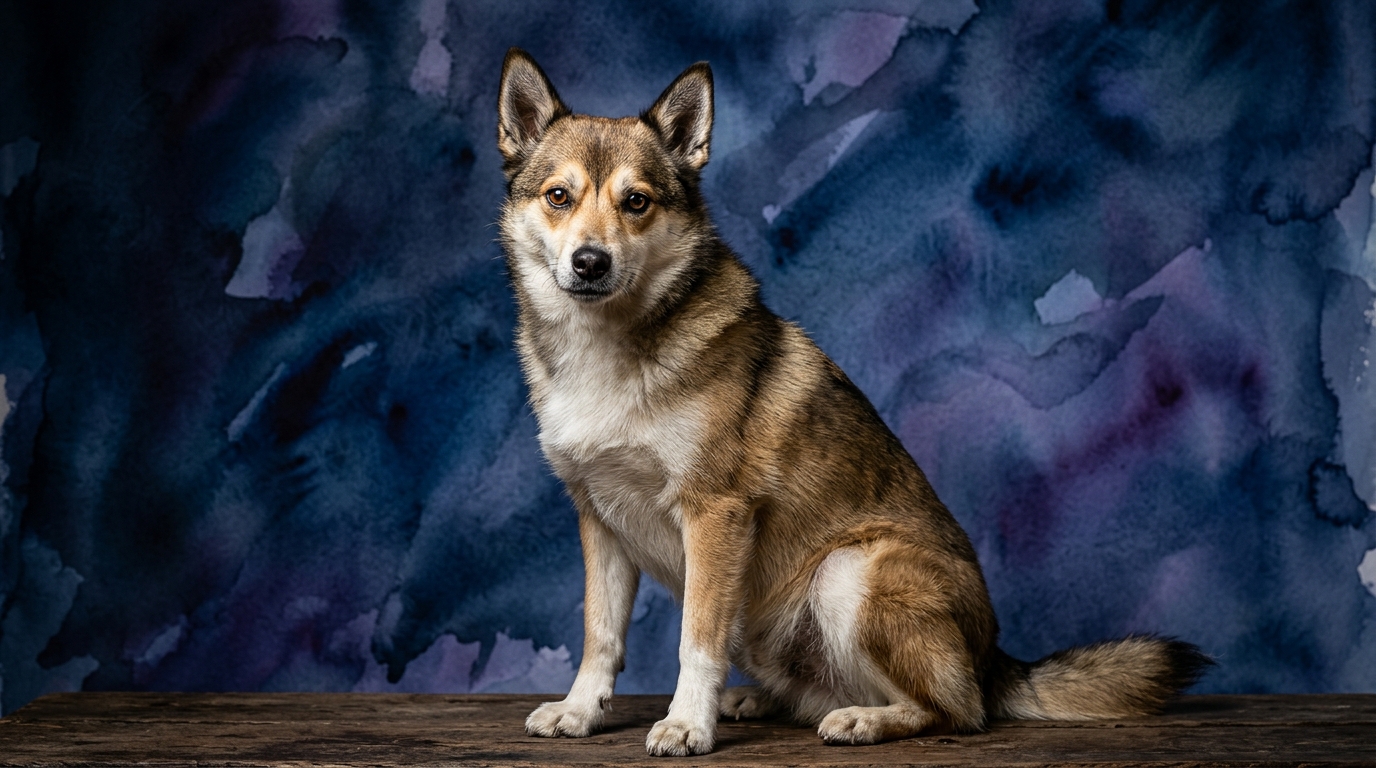
The Norwegian Lundehund, a unique member of the Non-Sporting group, was selectively bred for the specialized task of hunting puffins in the rocky, often treacherous cliffs and caves of Norway. This demanding role required a very specific set of cognitive skills. Their Problem Solving (3/5) manifests as a remarkable ability to independently navigate complex, three-dimensional physical environments, figuring out how to squeeze through tight spaces, climb, and descend with agile precision to reach their prey. This isn't about human-directed puzzle-solving but rather self-initiated spatial reasoning in a challenging natural setting. Their Training Speed (3/5) indicates a moderate pace for learning new commands, but this is often tempered by their inherent independence; they learn best when tasks align with their natural curiosity and exploratory drives, and may question directives that seem arbitrary. Social Intelligence (3/5) in a Lundehund is often expressed through an observant, sometimes reserved, demeanor; while capable of forming bonds, their primary social focus historically wasn't intense human partnership but rather a more self-sufficient existence. They understand social cues but might prioritize their own investigative agenda. Their Instinctive Drive (3/5) is powerfully channeled into exploration, climbing, and a persistent desire to investigate every nook and cranny, a direct echo of their puffin-hunting heritage. This drive is a core motivator for their actions. Finally, Memory (3/5) in a Lundehund is robust for retaining spatial layouts, identifying successful routes, and recalling locations of interest, crucial for repeatedly navigating complex hunting grounds and remembering where they left off.
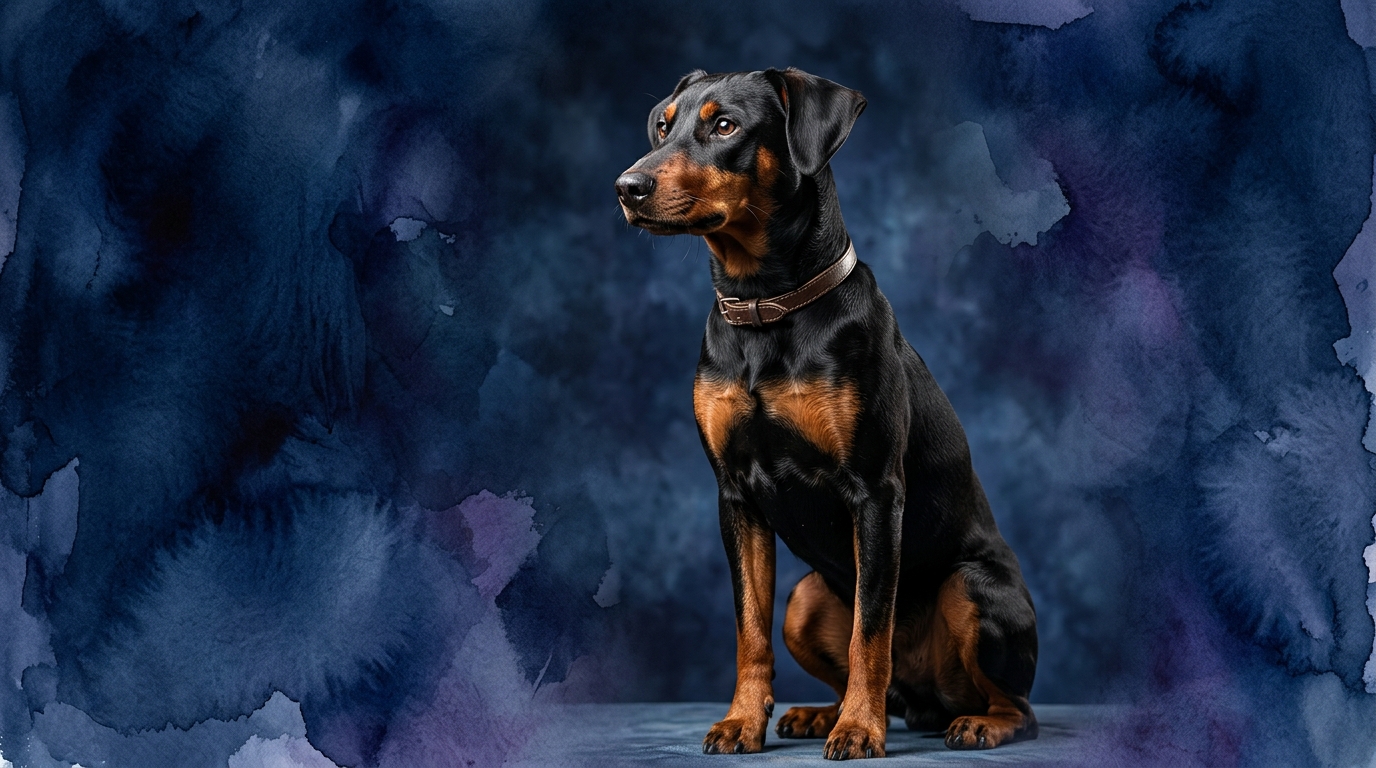
In contrast, the German Pinscher, a sleek and robust member of the Working group, served a very different purpose: guarding homes and farms and eradicating vermin. This background forged a cognitive profile that, while numerically identical to the Lundehund, expresses itself through vigilance, quick reactions, and family loyalty. Their Problem Solving (3/5) typically involves assessing immediate environmental changes and social dynamics, such as identifying potential threats or figuring out how to outmaneuver a rodent. This is problem-solving focused on protection and strategic action within a human-centric environment. Their Training Speed (3/5) reflects a capacity for learning commands efficiently, often driven by a strong desire to engage with and please their human family, though their inherent assertiveness means consistency and clear communication are paramount. Social Intelligence (3/5) for a German Pinscher is often expressed through acute sensitivity to their family's moods and intentions, forming deep, protective attachments. They are socially adept within their trusted circle but often reserved or wary of strangers, a hallmark of their guard dog origins. Their Instinctive Drive (3/5) is primarily directed towards territorial defense, vigilance, and a strong prey drive for small, fast-moving animals. This drive translates into an alert and active disposition, always ready to respond. Their Memory (3/5) is excellent for recalling routines, commands, and critically, for remembering individuals and past interactions, which is essential for their role as a discerning guardian.
Where the Norwegian Lundehund Excels Cognitively
The Norwegian Lundehund's cognitive strengths truly shine in environments demanding independent, self-directed problem-solving, particularly involving physical navigation and exploration. While both breeds score 3/5 in this domain, the Lundehund's problem-solving is intrinsically linked to its unique physical capabilities and historical role. They exhibit a superior ability to map and remember intricate physical spaces, making them adept at exploring complex trails or navigating agility courses with novel obstacles without constant human guidance. Their independence, a byproduct of solitary hunting, means they can sustain focus on a task they deem interesting, such as investigating a scent trail or scaling a backyard climbing structure, without needing continuous human prompting. This self-reliance in cognitive application, especially in physically dynamic contexts, is where their specific mental architecture offers a distinct advantage.
Where the German Pinscher Excels Cognitively
Conversely, the German Pinscher's cognitive strengths are most apparent in situations requiring quick assessment of social cues, strategic vigilance, and a keen understanding of their human family's needs for security. Their 3/5 social intelligence, while numerically matching the Lundehund's, is geared towards a more interactive and protective dynamic. They excel at "reading" situations involving unfamiliar people or animals, quickly discerning potential threats or appropriate social responses. Their problem-solving in this context is less about physical navigation and more about strategic deterrence or alerting, making them particularly effective watchdogs. Furthermore, their memory for commands and routines, combined with their desire for partnership, allows them to excel in structured obedience or protection sports where precise execution and responsiveness to human direction are paramount. This blend of social awareness and quick reactive intelligence is a hallmark of their cognitive edge.
Which is Easier to Train and Why
When considering ease of training, the distinction between these two breeds, both rated 3/5 for training speed, lies in their underlying motivations and willingness to comply. The German Pinscher generally presents as "easier" to train for the average owner seeking a companion who readily engages in obedience. Their working breed heritage instilled a desire for purpose and partnership, meaning they often thrive on clear commands and consistent, positive reinforcement from their human family. They learn quickly and are typically eager to please, provided their owner establishes consistent leadership and provides ample mental and physical stimulation. Their assertiveness means they require a firm but fair hand, but once they understand expectations, they are generally reliable learners.
The Norwegian Lundehund, despite the same 3/5 training speed rating, can pose a greater challenge for some owners due to their profound independence and innate drive for self-directed exploration. They learn, but they often require convincing that a command or task is genuinely worthwhile or engaging. Repetitive drills might bore them, and their strong instincts can easily override human directives if a compelling scent or interesting climbing opportunity presents itself. Training a Lundehund demands creativity, patience, and a deep understanding of their unique motivations, often leveraging their love for puzzle-solving and physical challenges. They are less driven by a desire to please and more by their own internal compass, which can make consistent, complex obedience a longer journey.
Which Suits Active Owners vs. Relaxed Owners
Both the Norwegian Lundehund and the German Pinscher are unsuitable for truly relaxed or sedentary owners, as both possess significant energy levels and require mental engagement. However, their ideal "active owner" profiles differ.
The Norwegian Lundehund is best suited for an owner who embraces outdoor adventure, unconventional activities, and a companion with a distinctly independent streak. These are dogs that thrive on exploring new trails, climbing on varied terrain, and engaging in activities that allow them to use their unique physical attributes and problem-solving skills, like canine parkour or advanced scent work. Their ideal owner enjoys a partnership where the dog often takes the lead in exploration, and appreciates a companion who is self-sufficient but affectionate on their own terms.
The German Pinscher, while equally active, suits an owner who seeks a more directed and engaged partnership. They need consistent, vigorous exercise, but also thrive on structured training, dog sports (like agility, obedience, or protection work), and being an integral part of family activities. Their ideal owner is confident, provides clear leadership, and enjoys channeling their dog's energy and intelligence into productive, shared endeavors. They want a dog that is "with" them, ready for the next command or challenge, and highly responsive to their presence.
The Verdict
For those seeking a unique, independent explorer who excels at self-directed physical problem-solving and thrives on outdoor adventures, the Norwegian Lundehund is an exceptional choice.
If your lifestyle involves structured activity, a desire for a vigilant family guardian, and a highly engaged, responsive partner, then the German Pinscher is likely the better fit.
🧠 Find Your Pet's IQ Score
Our Pet IQ Lab assessment covers 25+ tests across 5 cognitive dimensions — personalized to your breed.
Take the Full IQ Test →Frequently Asked Questions
Are Norwegian Lundehunds good apartment dogs?
Norwegian Lundehunds are generally not ideal apartment dogs due to their high energy, strong exploratory drive, and need for varied physical activity. While adaptable, they truly thrive with access to outdoor space and opportunities for climbing and investigation.
Do German Pinschers get along with other pets?
German Pinschers can coexist with other pets, especially if raised together from a young age, but their strong prey drive and dominant tendencies mean careful introductions and supervision are crucial, particularly with smaller animals. Early socialization is key to fostering harmonious multi-pet households.
What are the main differences in exercise needs?
Both breeds require significant exercise, but the type differs; Lundehunds need varied, exploratory physical activity like hiking and climbing, while German Pinschers thrive on structured, vigorous exercise combined with mental challenges like obedience training or dog sports. Lundehunds need outlets for independent investigation, whereas Pinschers benefit from human-directed activities.