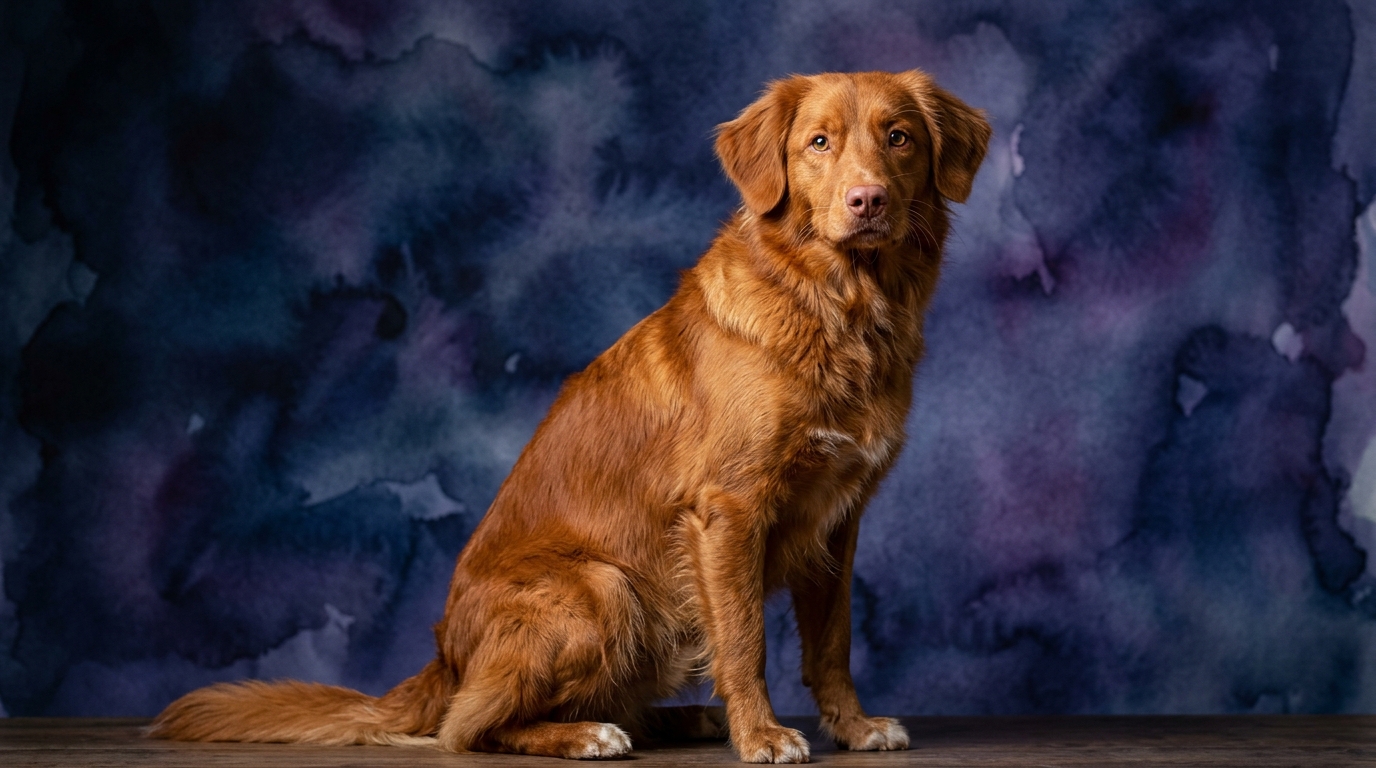
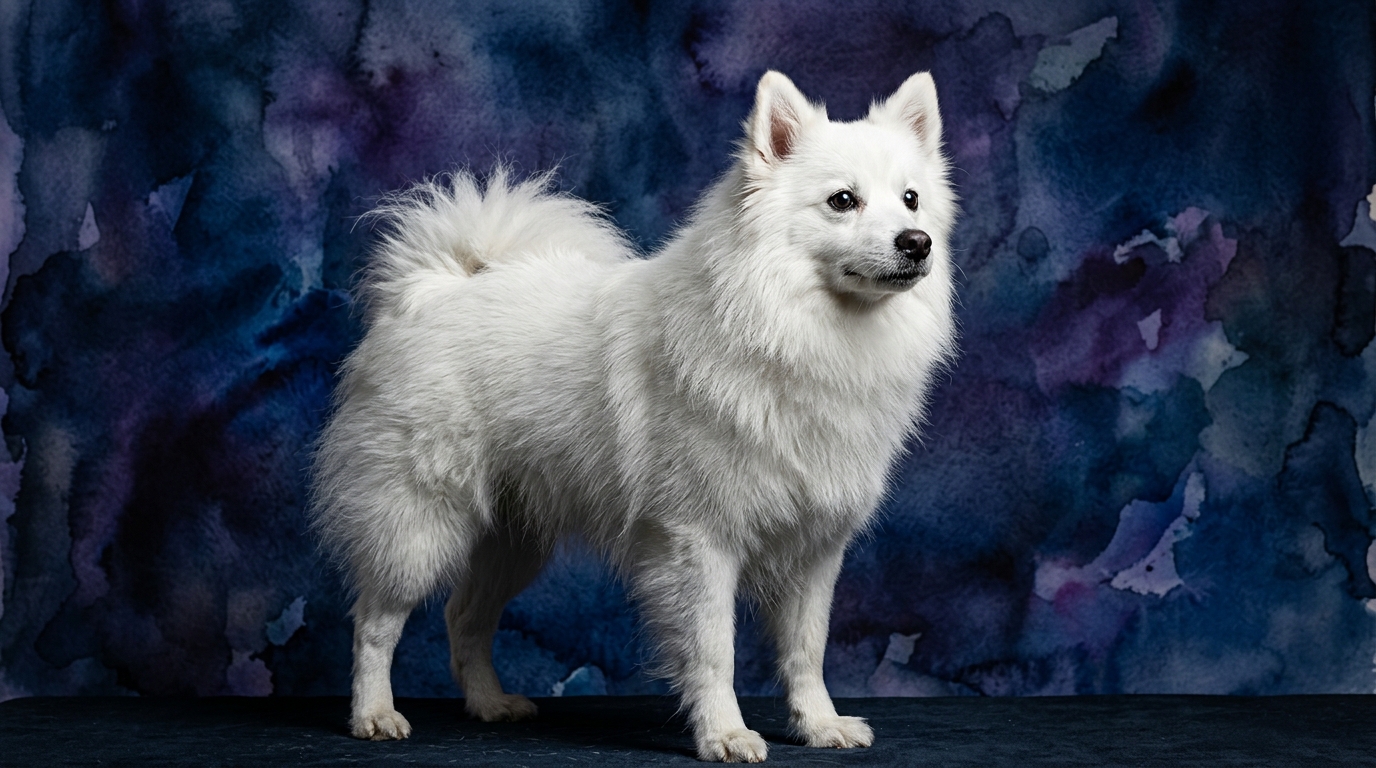
Side-by-Side IQ Profile: Understanding Identical Scores, Different Manifestations
The Cosmic Pet Pet IQ Lab provides a comprehensive framework for understanding canine intelligence, breaking it down into five crucial dimensions. For both the Nova Scotia Duck Tolling Retriever and the American Eskimo Dog, each dimension registers a solid 3 out of 5, indicating a balanced cognitive capacity. However, these identical numerical ratings mask significant differences in how their intelligence expresses itself, largely due to their divergent historical roles and breed-specific drives.
The Nova Scotia Duck Tolling Retriever, a dog from the Sporting Group, exhibits a practical problem-solving aptitude (3/5) often focused on its working roots. This might involve strategizing how to retrieve a decoy from challenging water or figuring out the most efficient path through varied terrain to bring back a thrown item. Their training speed (3/5) is bolstered by an eagerness to engage in activities that mimic their ancestral duties, making them responsive to consistent, positive reinforcement that taps into their natural retrieving instincts. In terms of social intelligence (3/5), Tollers possess a moderate acumen, capable of forming strong bonds with their immediate family and understanding human cues within a working context, though their focus can sometimes be more on the task at hand. Their instinctive drive (3/5) is notably geared towards their namesake activity: “tolling” and retrieving, manifesting as a powerful urge to lure and fetch. Finally, their memory (3/5) shows a solid capacity for retaining learned behaviors and routines, particularly those associated with their work, aiding in their ability to perform multi-stage retrieving tasks and maintain consistency in training over time.
Conversely, the American Eskimo Dog, belonging to the Non-Sporting Group, displays a clever problem-solving ability (3/5) often applied to navigating their home environment or figuring out ways to achieve desired outcomes, such as getting attention or accessing a favorite treat. Their solutions tend to be more socially motivated or comfort-seeking, demonstrating an adaptive intelligence in domestic settings rather than field work. Eskies are generally quick studies, showing a good aptitude for learning new tricks and obedience commands, contributing to their training speed (3/5). This is often amplified by their desire to please their owners and their historical association with performing, making them receptive to varied training methods. The American Eskimo Dog often excels in social contexts, displaying a keen understanding of human emotions and social dynamics (3/5); they are adept at reading body language and vocal tones. Their instinctive drive (3/5) is strongly towards companionship and engagement, manifesting as a desire to be at the center of family activity, often with a natural inclination towards playful performance and vocal communication. These dogs exhibit a reliable memory (3/5) for people, places, and routines, recalling complex trick sequences and remembering specific cues, which contributes to their success in performance-based activities.
Where the Nova Scotia Duck Tolling Retriever Excels Cognitively
The Toller's cognitive strengths truly shine in scenarios demanding focused, independent task execution with an underlying drive. Their problem-solving, while rated similarly to the Eskie, is uniquely tailored for practical, outdoor challenges. A Toller will excel at figuring out how to retrieve a specific object from a dense thicket or navigating a complex scent trail, demonstrating a persistent, goal-oriented mental tenacity that is less about intricate human interaction and more about achieving the task. This breed's instinctive drive, specifically for retrieving and “tolling” (luring waterfowl), provides a powerful internal motivator that allows them to sustain mental effort over extended periods. This makes them exceptional partners for activities requiring sustained focus and self-directed action, such as dog sports or hunting endeavors, where their ability to work with purpose, sometimes at a distance from their handler, is a distinct cognitive advantage.
Where the American Eskimo Dog Excels Cognitively
The American Eskimo Dog's cognitive edge lies in its nuanced social intelligence and adaptability to diverse, often human-centric, environments. While both breeds score 3/5 in social intelligence, the Eskie's manifestation is often more about understanding and navigating social dynamics for companionship and attention. They can be remarkably perceptive of human moods, quickly learning which behaviors elicit desired responses, be it a comforting presence or an entertaining trick. Their problem-solving, though similarly rated, often involves clever strategies to communicate needs or to figure out how to gain access to resources within a domestic setting, such as opening a door or signaling for a walk. This social acumen, combined with their history as performers, gives them a distinct advantage in learning intricate tricks and navigating complex family interactions, making them exceptionally skilled at integrating into and contributing to a human household dynamic.
Ease of Training: Behavioral Differences in Action
When it comes to ease of training, both breeds offer unique considerations. The Nova Scotia Duck Tolling Retriever's training speed is significantly driven by its inherent working instincts; if the training involves retrieving, scent work, or agility, they will often learn rapidly because it taps into their core motivations. However, their independence and intense focus on a task can sometimes mean they are less interested in arbitrary commands that don't directly align with their perceived purpose. A Toller might be easier to train for specific, task-oriented behaviors, especially if those tasks involve movement and objects, but may require more creative motivation for purely obedience-based exercises that lack a 'point' from their perspective.
Conversely, the American Eskimo Dog's training speed benefits significantly from its strong desire to please and its historical inclination towards performance. Eskies are often highly motivated by praise, treats, and the joy of interaction, making them eager learners for a wide array of commands and tricks. Their social intelligence means they are often very attuned to their handler's cues and emotional state, which can make them highly responsive. However, their sensitivity means they require consistent, positive reinforcement and can become withdrawn or stubborn with harsh methods. While a Toller might be more forgiving of a less engaging trainer if the task is intrinsically rewarding, an Eskie thrives on a communicative, encouraging partnership, often making them appear "easier" to train for general obedience and tricks due to their inherent people-pleasing nature and responsiveness to social cues.
Lifestyle Suitability: Active Owners vs. Relaxed Companionship
For owners leading an active lifestyle, the Nova Scotia Duck Tolling Retriever is typically a more congruent match. Their instinctive drive and problem-solving abilities are best engaged through consistent mental and physical challenges. They thrive on activities like dock diving, agility, long hikes, or structured retrieving games that allow them to utilize their natural talents and burn off substantial energy. A Toller requires an owner who can commit to daily rigorous exercise and provide stimulating "work" to satisfy their cognitive and physical needs, otherwise, they may invent their own, potentially destructive, entertainment out of boredom or unfulfilled drive.
The American Eskimo Dog, while capable of enjoying active outings, generally suits owners who appreciate a blend of moderate activity and consistent companionship. Their cognitive strengths, particularly their social intelligence and adaptable problem-solving, are well-utilized in a home environment where they can be integral to family life. They enjoy walks, playtime, and learning new tricks, but their primary fulfillment comes from being with their people. A relaxed owner who can offer regular engagement, mental stimulation through puzzles or trick training, and plenty of social interaction will find the Eskie to be a delightful and responsive companion, without the intense, specific working drive of the Toller.
The Verdict
Choose the Nova Scotia Duck Tolling Retriever if you are an active individual or family seeking a dedicated, task-oriented partner for outdoor adventures and dog sports, prepared to channel their strong retrieving drive and independent problem-solving into productive activities.
Opt for the American Eskimo Dog if you desire a highly social, adaptable, and engaging companion who thrives on close family interaction, enjoys learning tricks, and will flourish with consistent, positive attention in a less intensely demanding lifestyle.
🧠 Find Your Pet's IQ Score
Our Pet IQ Lab assessment covers 25+ tests across 5 cognitive dimensions — personalized to your breed.
Take the Full IQ Test →Frequently Asked Questions
Can a Nova Scotia Duck Tolling Retriever live happily in an apartment?
While a Toller can adapt to apartment living, it requires an exceptionally dedicated owner who can provide ample daily exercise, including vigorous outdoor activities and mental stimulation, to meet its high energy and cognitive needs. Without sufficient outlets for its instinctive drive, an apartment-bound Toller may develop undesirable behaviors.
Are American Eskimo Dogs prone to being barkers due to their social intelligence?
American Eskimo Dogs can indeed be quite vocal, often using their barks to communicate needs, alert their owners to new arrivals, or express excitement. This vocal tendency is tied to their strong social intelligence and desire to interact, and while manageable with consistent training, it's a prominent trait for many Eskies.
Do both breeds require extensive grooming given their coats?
Both the Nova Scotia Duck Tolling Retriever and the American Eskimo Dog possess double coats that require regular grooming to prevent matting and manage shedding. Tollers need weekly brushing, with more attention during shedding seasons, while Eskies, with their denser, stand-offish coat, often benefit from daily or every-other-day brushing to maintain their pristine appearance and keep their skin healthy.