
Side-by-Side IQ Profile: Toller vs. Keeshond
The Nova Scotia Duck Tolling Retriever, a member of the Sporting group, displays a remarkably balanced cognitive profile according to The Cosmic Pet Pet IQ Lab, scoring 3/5 across all five dimensions. Their Problem Solving at 3/5 indicates they can learn and apply solutions to moderate challenges, often within a structured context, making them effective in their retrieving tasks. Training Speed also at 3/5 means they grasp new commands steadily, requiring consistent effort but yielding reliable results. Social Intelligence at 3/5 suggests they are generally amenable to human interaction and social cues, fitting well into family dynamics without excessive clinginess or aloofness. Their Instinctive Drive of 3/5 points to a balanced predisposition for their sporting tasks, able to focus on retrieving without being overly obsessive. Memory at 3/5 implies they retain learned behaviors and routines effectively, though perhaps not with the instantaneous recall of some breeds.
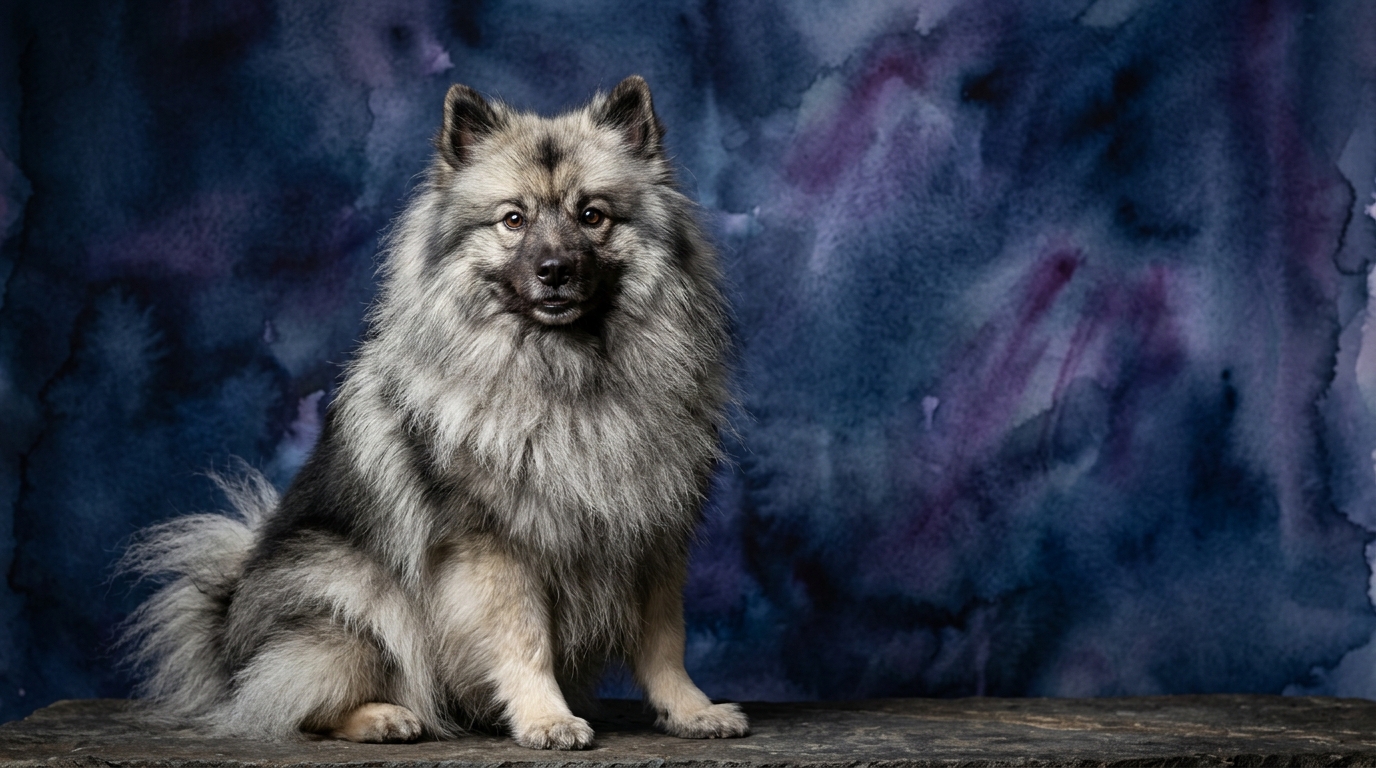
In contrast, the Keeshond, a Non-Sporting breed, presents a profile with distinct peaks, notably ranked #16 in Stanley Coren's intelligence hierarchy. Their Problem Solving at 4/5 reflects an aptitude for independent thought and navigating novel situations. Training Speed also at 4/5 suggests a quicker uptake of new commands and routines, making them responsive learners. Social Intelligence (3/5) mirrors the Toller, indicating a balanced sociability and adaptability within a family setting. Instinctive Drive (3/5) is also similar, pointing to a moderate, adaptable drive not tied to intense physical labor but perhaps to their historical role as companion and watchdogs. A standout feature is their exceptional Memory (5/5), signifying a profound ability to recall experiences, commands, and patterns over extended periods, a trait invaluable for their historical roles as companion and barge dog.
Where the Nova Scotia Duck Tolling Retriever Wins Cognitively
While the Toller doesn't outscore the Keeshond in any single cognitive dimension, their consistent 3/5 profile across the board represents a significant cognitive strength: balanced adaptability. This even distribution means they are reliably engaged without being overly intense or deficient in any single cognitive domain. Their 3/5 in Problem Solving, combined with a 3/5 Instinctive Drive, allows them to approach new sporting challenges with a practical, consistent mindset, neither easily overwhelmed nor prone to obsessive focus on a single task. This makes them excellent generalists in various sporting activities beyond pure retrieving, such as agility or obedience, where a steady, moderate drive and problem-solving capacity are valuable.
The Toller's balanced Social Intelligence (3/5) also means they are typically engaged with their human companions without demanding constant attention, providing a dependable partnership for active owners. Their cognitive profile supports a dog that is consistently capable and adaptable across a range of demands, making them a versatile companion for owners who appreciate a steady, all-around performer. They learn and remember at a reliable pace, making progress predictable and rewarding for dedicated trainers.
Where the Keeshond Wins Cognitively
The Keeshond's cognitive advantages are pronounced in specific areas, making them shine in particular contexts. Their Problem Solving (4/5) allows them to independently assess and resolve situations, from figuring out complex puzzle toys to navigating their environment with cleverness. This aptitude for independent thought means they are not just rote learners but can genuinely understand and adapt to new challenges. This makes them fascinating companions for owners who enjoy engaging their dog's mind with varied activities.
Their superior Training Speed (4/5) means they typically pick up new commands with fewer repetitions than many breeds, often eager to please and quick to form associations. However, the most striking cognitive advantage for the Keeshond is their exceptional Memory (5/5). This profound capacity to retain information, routines, and past experiences contributes significantly to their ease of house-training, consistent obedience, and ability to recall complex sequences. This robust memory also supports their role as vigilant companions, remembering people and routines with precision, making them reliable and predictable family members once routines are established.
Which is Easier to Train and Why
When it comes to ease of training, the Keeshond generally presents an easier learning curve for many owners, primarily due to their superior Training Speed (4/5) and unmatched Memory (5/5). These traits combine to create a dog that grasps concepts quickly and retains them for extended periods, meaning less repetition for the owner and more reliable recall of commands. Their desire to be involved with their family often translates into a strong motivation to learn and cooperate, making positive reinforcement highly effective. The #16 Coren ranking further supports their general responsiveness to training efforts.
The Nova Scotia Duck Tolling Retriever, with a Training Speed of 3/5 and Memory of 3/5, still responds well to training but typically requires a more consistent and patient approach. While they are certainly capable learners, their retention may not be as immediate or long-lasting as the Keeshond, necessitating more frequent refreshers and consistent practice to solidify behaviors. Their instinctive drive (3/5) is often tied to retrieving and physical activity, meaning training sessions need to be engaging, dynamic, and often incorporate movement or their natural drive to maintain their focus and motivation effectively.
Which Suits Active Owners vs. Relaxed Owners
For truly active owners, the Nova Scotia Duck Tolling Retriever is typically a more suitable match. Their Sporting group background and inherent 3/5 Instinctive Drive mean they thrive on regular, vigorous exercise and mental challenges related to their retrieving heritage. They excel in dog sports like agility, flyball, or actual field work, requiring owners who can provide daily outlets for their physical energy and intellectual engagement. A Toller that doesn't receive sufficient exercise and mental stimulation may channel its energy into less desirable behaviors, making them best suited for individuals or families committed to an active lifestyle.
The Keeshond, while not a couch potato, generally suits owners with a more relaxed, yet mentally stimulating, lifestyle. Their 3/5 Instinctive Drive is more about vigilance and companionship than intense physical exertion. While they enjoy walks and playtime, their higher Problem Solving (4/5) and exceptional Memory (5/5) mean they benefit immensely from puzzle toys, consistent obedience training, and interactive games that engage their minds rather than just their bodies. They can adapt well to various living situations, including apartments, provided they receive adequate mental enrichment and moderate daily exercise, making them a good fit for owners who prioritize mental engagement over intense physical activity.
The Verdict: When to Choose Each Breed
The Verdict
Choose the Nova Scotia Duck Tolling Retriever if you are an active, outdoorsy individual or family seeking an energetic, adaptable partner for sporting activities, structured training, and a consistent, versatile companion for your adventures.
Choose the Keeshond if you value a quick-witted, highly trainable companion with an exceptional memory, thriving on mental challenges and consistent interaction, and desiring a vigilant yet affectionate presence in your home without requiring intense daily physical exertion.
🧠 Find Your Pet's IQ Score
Our Pet IQ Lab assessment covers 25+ tests across 5 cognitive dimensions — personalized to your breed.
Take the Full IQ Test →Frequently Asked Questions
Are Tollers difficult to train?
No, Tollers are capable learners with a 3/5 training speed, but they benefit most from consistent, positive reinforcement and engaging sessions that tap into their natural sporting drives. They respond well to owners who understand their need for activity and incorporate it into their training.
Do Keeshonds need a lot of exercise?
While Keeshonds enjoy regular walks and playtime, their exercise needs are moderate compared to high-energy sporting breeds. Their primary need is for mental stimulation, which can be met through training, puzzle toys, and interactive games, complementing their physical activity.
Which breed is better for first-time dog owners?
The Keeshond, with its 4/5 training speed and 5/5 memory, often presents an easier learning curve for first-time owners willing to invest in consistent positive training. The Toller, while a wonderful companion, might require a slightly more experienced hand to effectively manage their energy and sporting drives.