Side-by-Side Cognitive Profiles
At The Cosmic Pet Pet IQ Lab, we evaluate canine intelligence across five distinct dimensions, offering a nuanced view beyond simple obedience. Let's examine how the Nova Scotia Duck Tolling Retriever and the Schipperke stack up, revealing their unique mental blueprints.
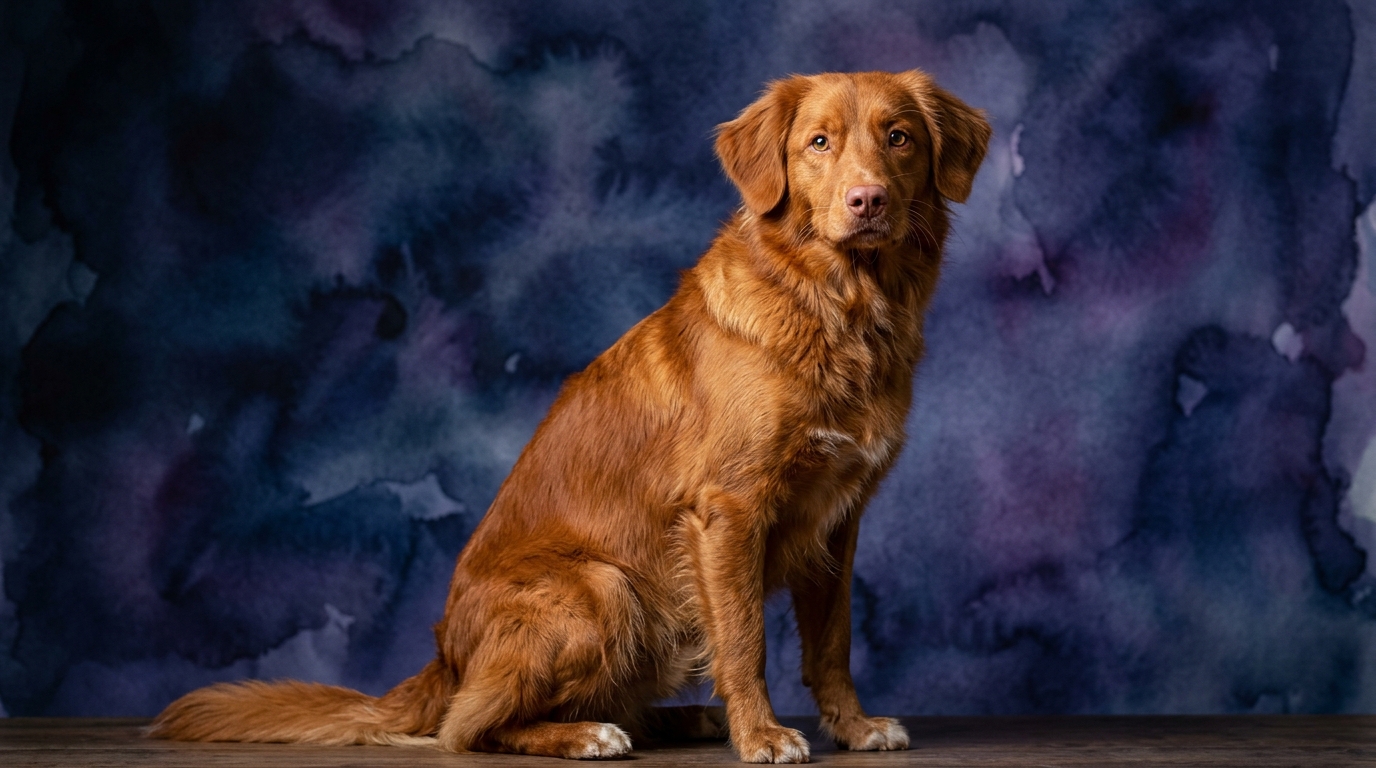
The Nova Scotia Duck Tolling Retriever, a dog from the Sporting group, exhibits a balanced cognitive profile. Their Problem Solving is rated at 3/5, indicating an ability to adapt to new situations and learn from experience, particularly when working alongside a human partner. Training Speed is also 3/5; Tollers are generally eager to please and pick up commands steadily with consistent, positive reinforcement, though they can have moments of independent thought. Social Intelligence stands at 3/5, reflecting their capacity to form strong bonds with their family and interpret human cues, though they can be reserved with strangers. Their Instinctive Drive is 3/5, manifesting as a strong, but manageable, retrieving and hunting instinct. Finally, Memory is 3/5, meaning they retain learned information and routines well, but might benefit from occasional refreshers for less frequently practiced skills.
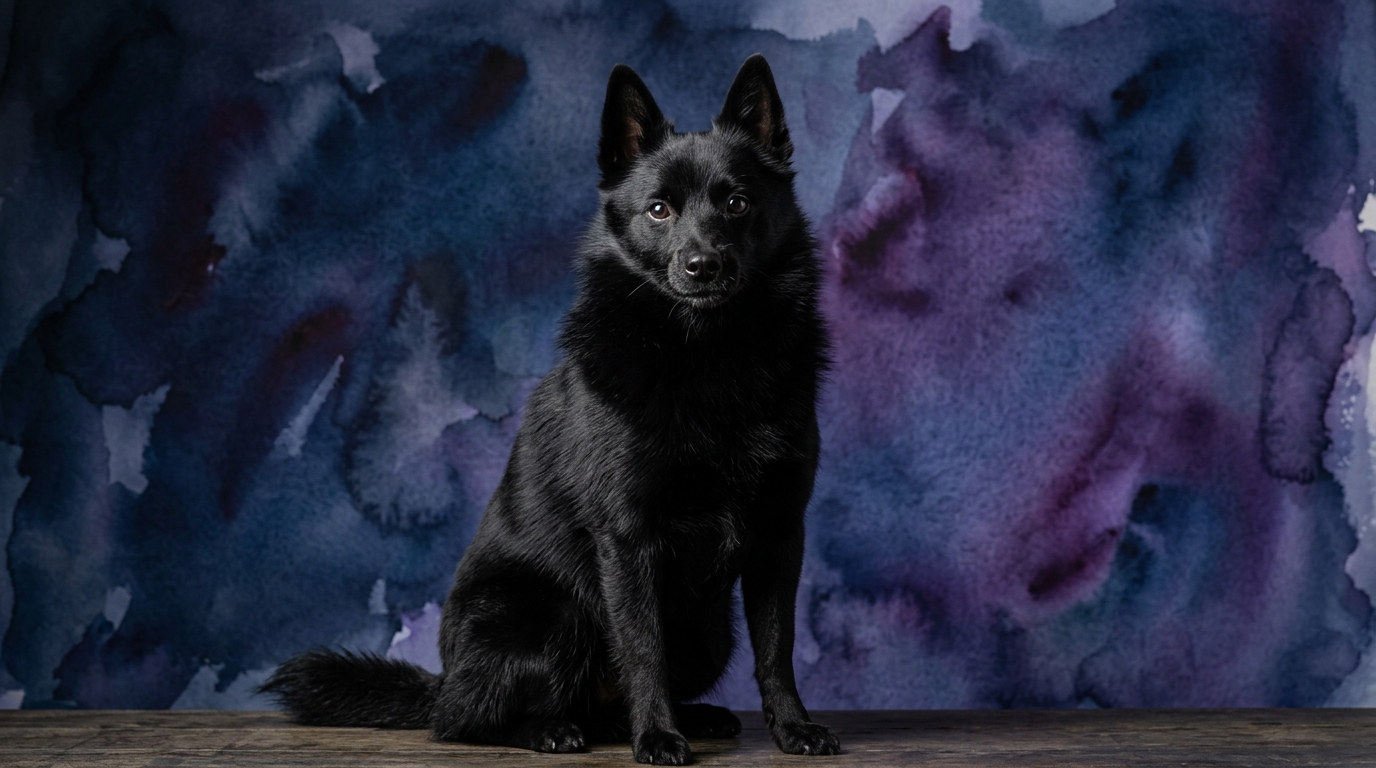
In stark contrast, the Schipperke, a member of the Non-Sporting group and Coren-ranked #15, presents a profile marked by exceptional independent thought. Their Problem Solving capability is a remarkable 5/5; these dogs are masters at figuring things out on their own, often devising clever strategies to achieve their goals, whether it’s opening a cabinet or outsmarting a fence. Training Speed is also 5/5, meaning Schipperkes grasp new commands and concepts with astonishing rapidity. However, their high intelligence doesn't always translate to immediate obedience, as their independent streak means they might weigh the 'why.' Social Intelligence is 3/5; they are deeply devoted to their immediate family, often forming intense bonds, but are famously wary and suspicious of strangers, making them excellent watchdogs. Instinctive Drive is 3/5, primarily expressed through a strong prey drive for vermin and a vigilant guarding instinct. Their Memory is an impressive 5/5, allowing them to recall past experiences, commands, and even perceived injustices with remarkable clarity, influencing their future behavior.
Where the Nova Scotia Duck Tolling Retriever Shines Cognitively
The Nova Scotia Duck Tolling Retriever’s cognitive strengths lie in their balanced and cooperative intelligence, particularly in tasks that require partnership. While their individual scores might not reach the Schipperke's peak in specific areas, their unique combination creates a dog that excels in dynamic, interactive roles. Their 3/5 Problem Solving, combined with a 3/5 Training Speed and 3/5 Social Intelligence, means they are adept at interpreting and responding to human direction within complex scenarios.
Tollers are masters of the 'team effort.' Their strength isn't just in executing a command, but in understanding the intent behind it and working alongside their handler to achieve a shared objective. This cooperative intelligence makes them exceptional at activities like retrieving games, agility courses, or scent work where communication and synchronized action are paramount. They possess a natural eagerness to engage and please their handler, making them highly receptive to training that builds on mutual understanding and positive reinforcement. They thrive when given a 'job' that involves their human partner, demonstrating an impressive ability to learn and perform multi-step tasks within a structured environment. Their balanced instinctive drive further supports this, allowing them to channel their natural urges into productive, handler-directed activities without being overwhelmed by them.
Where the Schipperke Excels Cognitively
The Schipperke’s cognitive prowess is defined by their profound independent problem-solving abilities and rapid information processing. Their 5/5 Problem Solving isn't just about learning; it's about actively strategizing and adapting to novel situations, often without direct human guidance. This breed possesses an innate ability to assess environments, identify opportunities, and execute plans, sometimes to the pleasant surprise (or occasional frustration) of their owners. They are thinkers, constantly observing and evaluating their surroundings for potential challenges or advantages.
Coupled with their 5/5 Training Speed and 5/5 Memory, Schipperkes assimilate information at an astonishing rate. They can pick up new commands or routines almost instantly, and once learned, they rarely forget. This quick uptake makes them formidable in competitive obedience or trick training, provided they are motivated. Their memory also extends to their environment and experiences, meaning they remember specific routes, hiding places for toys, or past interactions with people or other animals. This sharp recall, combined with their strong social intelligence (3/5) focused intensely on their family, makes them incredibly perceptive to household dynamics and excellent, vigilant guardians who remember who belongs and who doesn't.
Training Dynamics: Which is Easier and Why?
When considering ease of training, the distinction between 'learning speed' and 'biddability' becomes critical, highlighting the fundamental differences between these two breeds. The Nova Scotia Duck Tolling Retriever, with a Training Speed of 3/5, generally proves to be a more straightforward dog to train for consistent obedience. Tollers possess a strong desire to work collaboratively with their human partners and genuinely enjoy the process of learning and pleasing. While they may not grasp a command in a single repetition like a Schipperke, their consistent willingness to engage and their cooperative nature make the training journey rewarding and generally less prone to power struggles. They respond well to positive reinforcement and clear, consistent instruction, thriving on the bond built through shared activities.
The Schipperke, despite its impressive 5/5 Training Speed, often presents a greater challenge for consistent obedience, especially for inexperienced owners. These dogs learn commands exceptionally quickly; they understand what you want almost immediately. However, their high Problem Solving (5/5) and independent nature mean they will often weigh whether obeying is in their best interest at that particular moment. They are not inherently driven to please in the same cooperative way as a Toller; instead, they are motivated by what they find rewarding or stimulating. This can manifest as selective hearing or a clever refusal to comply if they see no immediate benefit. Training a Schipperke requires an owner who can consistently outwit their dog, maintain a strong leadership presence, and make training incredibly engaging and varied to prevent boredom and maintain their interest. Their exceptional memory (5/5) also means they remember every inconsistency, making firm boundaries essential.
Tailoring to Lifestyles: Active vs. Relaxed Owners
Matching a dog's cognitive and physical needs to an owner's lifestyle is crucial for a harmonious relationship. For active owners, both breeds can be a fit, but their activity requirements and preferred types of engagement differ significantly. The Nova Scotia Duck Tolling Retriever is an ideal companion for owners who lead genuinely active, outdoor-oriented lives. Their instinctive drive (3/5) and energetic nature mean they thrive on daily, vigorous exercise that often involves retrieving, swimming, or long hikes. These dogs need a 'job' that taps into their working heritage, and an owner willing to provide consistent mental and physical stimulation will find a loyal and engaged partner. A truly relaxed owner might struggle with a Toller's need for activity, potentially leading to boredom-induced behaviors like excessive barking or destructive chewing.
The Schipperke also suits active owners, but their activity is often more about mental engagement and purposeful tasks rather than pure endurance. While they enjoy walks and playtime, their primary need is for mental stimulation that challenges their 5/5 Problem Solving and 5/5 Memory. Owners who enjoy puzzle toys, advanced obedience, agility, or engaging in 'brain games' will find the Schipperke a perfect match. Their vigilant nature (Instinctive Drive 3/5) means they are always on alert, requiring an owner who can channel this energy into appropriate outlets, such as guarding the home or learning complex routines. A relaxed owner who expects a passive lapdog might find the Schipperke's independent, curious, and sometimes mischievous nature overwhelming. They are not content to simply exist; they want to participate and observe, making them a demanding but incredibly rewarding companion for the right active, engaged owner.
The Verdict
Choose the Nova Scotia Duck Tolling Retriever if you seek a cooperative, energetic partner for outdoor adventures and enjoy engaging in team-based canine sports. Their eagerness to please makes them a joyful companion for those who value a strong working bond.
Opt for the Schipperke if you appreciate a clever, independent spirit that thrives on mental challenges and offers vigilant companionship. They are best suited for owners who can provide consistent, engaging training and appreciate a dog with a strong personality.
🧠 Find Your Pet's IQ Score
Our Pet IQ Lab assessment covers 25+ tests across 5 cognitive dimensions — personalized to your breed.
Take the Full IQ Test →Frequently Asked Questions
Are Tollers good family dogs?
Yes, Nova Scotia Duck Tolling Retrievers are generally good with children and other pets, especially when socialized early. Their playful nature and desire to be part of the family make them loving companions, though their energy requires supervision with very young children.
Do Schipperkes bark a lot?
Schipperkes are known for their vigilant nature and can be prone to barking, particularly at perceived threats or new sounds. Consistent training and early socialization can help manage this tendency, but their watchdog instincts remain strong.
Which breed is better for first-time dog owners?
The Nova Scotia Duck Tolling Retriever might be a slightly easier choice for first-time owners due to their more biddable nature and desire to cooperate. Schipperkes, with their independent and clever minds, often require an owner experienced in firm, consistent training.