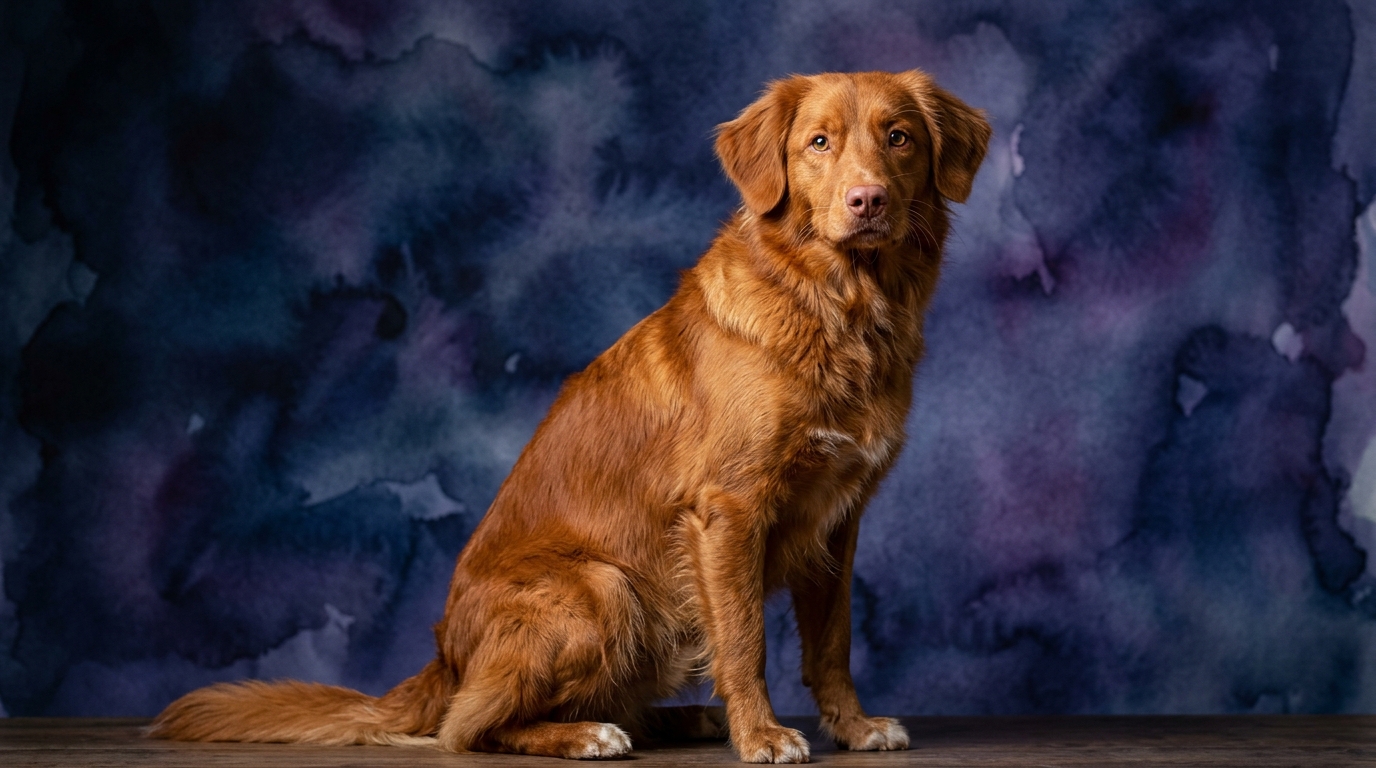
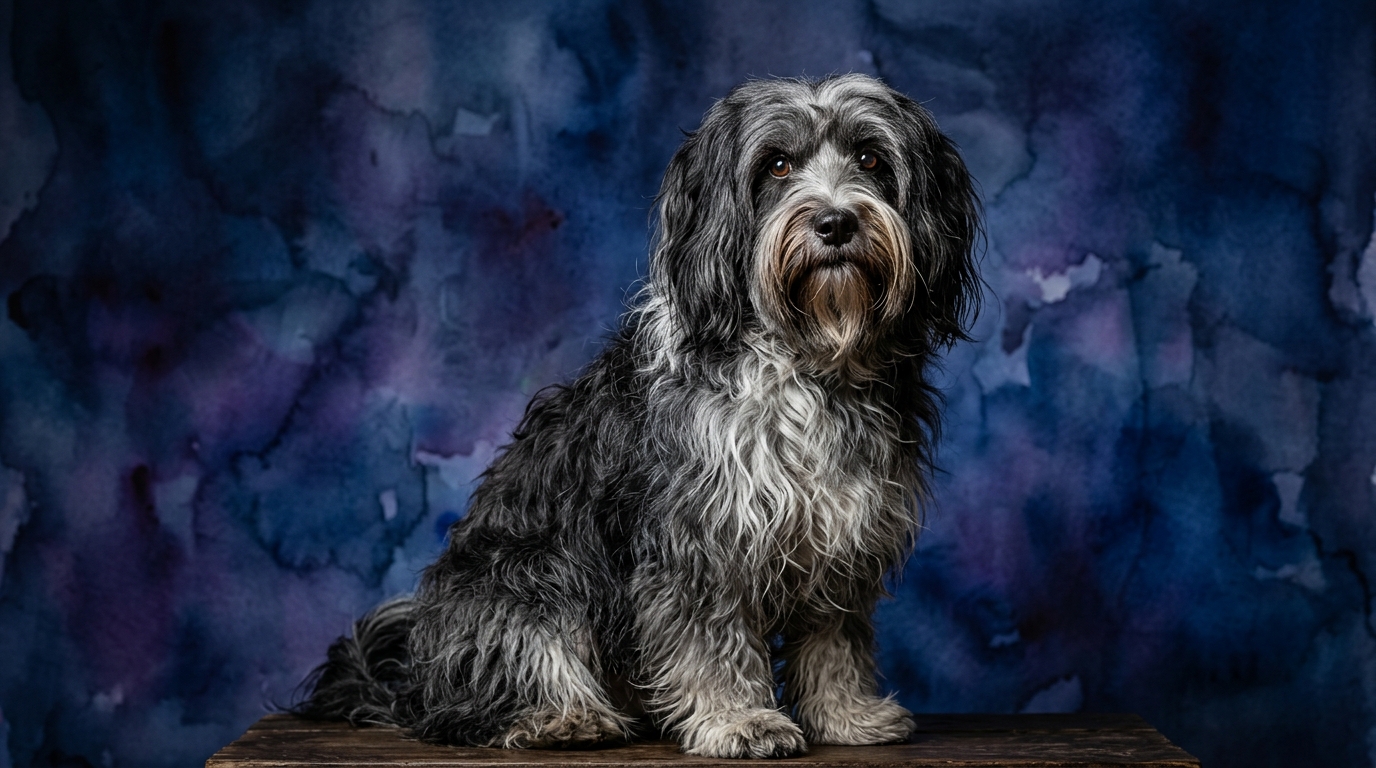
Side-by-Side IQ Profile: Unpacking Identical Scores
At first glance, the IQ profiles of the Nova Scotia Duck Tolling Retriever (Toller) and the Tibetan Terrier (TT) appear indistinguishable, both scoring a consistent 3 out of 5 across all measured dimensions: Problem Solving, Training Speed, Social Intelligence, Instinctive Drive, and Memory. This uniform rating indicates that neither breed is at the extreme ends of canine cognitive ability; rather, they both possess a solid, capable intellect, suggesting they are neither effortless prodigies nor particularly challenging learners. A 3/5 in Problem Solving signifies they can navigate moderate challenges and learn from experience, but complex, multi-step problems might require significant guidance or repetition. Their Training Speed of 3/5 means they are responsive to instruction and can acquire new behaviors at a reasonable pace, provided training is consistent and engaging, though they may not pick up new cues in just a few repetitions.
For Social Intelligence, a 3/5 suggests both breeds are adept at understanding and responding to human and canine social cues, forming bonds, and integrating into family dynamics, though perhaps without the profound, almost telepathic connection seen in some higher-scoring breeds or the aloofness of lower-scoring ones. Their Instinctive Drive, also at 3/5, implies a moderate level of innate, purpose-driven behavior. For the Toller, this drive is historically channeled towards retrieving, manifesting as an eagerness for activity and engagement. For the Tibetan Terrier, this might translate into a watchful nature or a desire for independent exploration, reflecting its historical role as a companion and guardian in varied terrains. Finally, a Memory score of 3/5 indicates they can retain learned commands, routines, and experiences over time, allowing for consistent performance and predictable behavior once a concept is established, though they might not recall every single minor event with perfect clarity.
Where the Nova Scotia Duck Tolling Retriever Excels Cognitively
Despite sharing identical numerical IQ scores with the Tibetan Terrier, the Nova Scotia Duck Tolling Retriever's cognitive strengths often shine brightest in contexts that leverage its Sporting Group heritage. A Toller's 3/5 Problem Solving and Memory, when combined with its 3/5 Instinctive Drive, often manifest as a keen ability to strategize and recall solutions in scenarios related to its historical purpose: retrieving. For instance, a Toller might excel at figuring out the most efficient path through varied terrain to reach a thrown object, remembering where a 'lost' toy was last seen, or solving complex scent puzzles. Their cognitive energy is frequently directed towards tasks requiring sustained focus and application of learned skills to achieve a tangible outcome, often in cooperation with a handler. This breed's 3/5 Social Intelligence often translates into a strong desire to work *with* its human partner, making them particularly adept at interpreting directives and adjusting their approach based on handler feedback during a task. They thrive when given a 'job' that engages both their body and mind, demonstrating persistent effort to complete it, which is a practical application of their moderate cognitive abilities.
Where the Tibetan Terrier Excels Cognitively
The Tibetan Terrier, while matching the Toller's 3/5 IQ scores, often demonstrates its cognitive prowess in more subtle, companion-oriented ways, reflecting its Non-Sporting Group background. A TT's 3/5 Problem Solving might be geared towards navigating the complexities of a home environment, such as figuring out how to open a cupboard, manipulate a gate latch, or strategically position itself to gain attention or access a comfortable spot. Their 3/5 Instinctive Drive, rather than being task-focused, often presents as an independent curiosity and a watchful nature, making them adept at assessing novel situations or people in their domain. This translates into a cognitive strength in situational awareness within their immediate environment, often acting as a 'little watchman' of the household. Their 3/5 Social Intelligence can manifest as a deep understanding of family dynamics and individual personalities, allowing them to adapt their interactions to different family members' moods or routines. They might excel at learning subtle human cues for comfort or play, demonstrating a nuanced social understanding that is less about cooperative work and more about intimate companionship. This breed's moderate memory helps them recall family routines and expectations, allowing them to fit seamlessly into diverse household structures with their characteristic independence.
Which is Easier to Train and Why
When considering ease of training, the Nova Scotia Duck Tolling Retriever often presents a more straightforward path for handlers, despite both breeds having a 3/5 Training Speed. The Toller's Sporting background has instilled a genetic predisposition for handler focus and a strong desire to engage in cooperative activities. Their 3/5 Instinctive Drive is naturally channeled towards working *with* a human partner to achieve a goal, making them generally eager to please and responsive to commands that lead to a rewarding outcome, like retrieving. This intrinsic motivation to collaborate can make initial obedience training, and even more advanced tasks like agility, feel more intuitive for both dog and owner. They often perceive training as a shared activity, which fosters quicker understanding and compliance.
Conversely, the Tibetan Terrier's training journey, while equally capable of success due to its 3/5 Training Speed, might require more patience and creative engagement from the owner. The TT's historical role as a companion and guardian in challenging terrains cultivated a degree of independence and self-reliance. Their 3/5 Instinctive Drive often manifests as a more self-directed curiosity, meaning they might not always view handler commands as the absolute priority. While they form strong bonds (3/5 Social Intelligence), their willingness to comply can be influenced by whether *they* perceive the task as interesting or beneficial. Training a Tibetan Terrier often involves convincing them that cooperation is a worthwhile endeavor, requiring varied techniques and positive reinforcement to keep them engaged. Their problem-solving (3/5) might lead them to test boundaries or find alternative ways to achieve their own objectives, necessitating consistent and clear communication to reinforce desired behaviors.
Which Suits Active Owners vs. Relaxed Owners
For active owners seeking a canine partner for shared adventures and structured activities, the Nova Scotia Duck Tolling Retriever is typically the more fitting choice. Their 3/5 Instinctive Drive, coupled with their moderate Problem Solving and Memory, translates into a dog that thrives on physical and mental engagement. Tollers are built for action; they enjoy long walks, hikes, swimming, and participating in dog sports like agility, obedience, or flyball. An owner who can provide consistent outlets for their energy and cognitive engagement, through training sessions and outdoor excursions, will find a Toller to be an enthusiastic and dedicated companion. Their social intelligence (3/5) makes them excellent partners in these activities, eager to work alongside their human and revel in shared experiences. They require an owner willing to invest time in channeling their capabilities into productive outlets, preventing boredom-induced behaviors.
The Tibetan Terrier, while not a couch potato, generally suits owners who appreciate a companion with a more independent spirit and are content with a slightly less structured activity regimen. Their 3/5 Instinctive Drive manifests as curiosity and a need for mental stimulation, but not necessarily in the form of intense, sustained physical tasks. They enjoy walks and playtime, but their exercise needs are often met with moderate daily activity rather than demanding endurance pursuits. Their 3/5 Problem Solving might be better satisfied with puzzle toys or exploring a secure yard. Relaxed owners who enjoy a devoted yet self-possessed companion, who can entertain themselves to a degree and adapt to varying daily routines, might find the Tibetan Terrier to be an ideal match. They thrive on companionship and being involved in family life, demonstrating their social intelligence (3/5) by fitting seamlessly into the household, even if they sometimes prefer to observe from a comfortable distance rather than constantly seeking active partnership.
The Verdict
Choose the Nova Scotia Duck Tolling Retriever if you are an active owner seeking a highly engaged, cooperative partner for outdoor adventures, dog sports, and consistent training that leverages their inherent drive to work alongside you.
Opt for the Tibetan Terrier if you desire a devoted, adaptable companion with a charmingly independent streak, suitable for a moderately active household that appreciates a dog's subtle social intelligence and capacity for self-entertainment.
🧠 Find Your Pet's IQ Score
Our Pet IQ Lab assessment covers 25+ tests across 5 cognitive dimensions — personalized to your breed.
Take the Full IQ Test →Frequently Asked Questions
Do Nova Scotia Duck Tolling Retrievers and Tibetan Terriers have the same intelligence?
Based on The Cosmic Pet Pet IQ Lab, both breeds score 3 out of 5 across all five intelligence dimensions, indicating they possess comparable cognitive capacities in terms of problem-solving, training speed, social intelligence, instinctive drive, and memory. However, how these capacities manifest in their behavior and preferred activities differs due to their distinct breed histories.
Which breed is better for first-time dog owners?
For first-time owners, the Nova Scotia Duck Tolling Retriever might be slightly more intuitive to train due to their strong desire to please and cooperate, provided the owner is committed to meeting their significant exercise and mental stimulation needs. The Tibetan Terrier, while equally capable, might present more challenges for a novice due to its independent nature, requiring more creative and consistent training approaches.
How do their instinctive drives differ with a 3/5 score?
A 3/5 instinctive drive in a Toller typically manifests as a strong, task-oriented drive for retrieving and working with a handler, requiring outlets like fetch or dog sports. For a Tibetan Terrier, the same 3/5 score often translates into a watchful, curious nature and a degree of independent exploration, rather than a focused working drive, making them alert companions.