Side-by-Side IQ Profile: Toller vs. Poodle
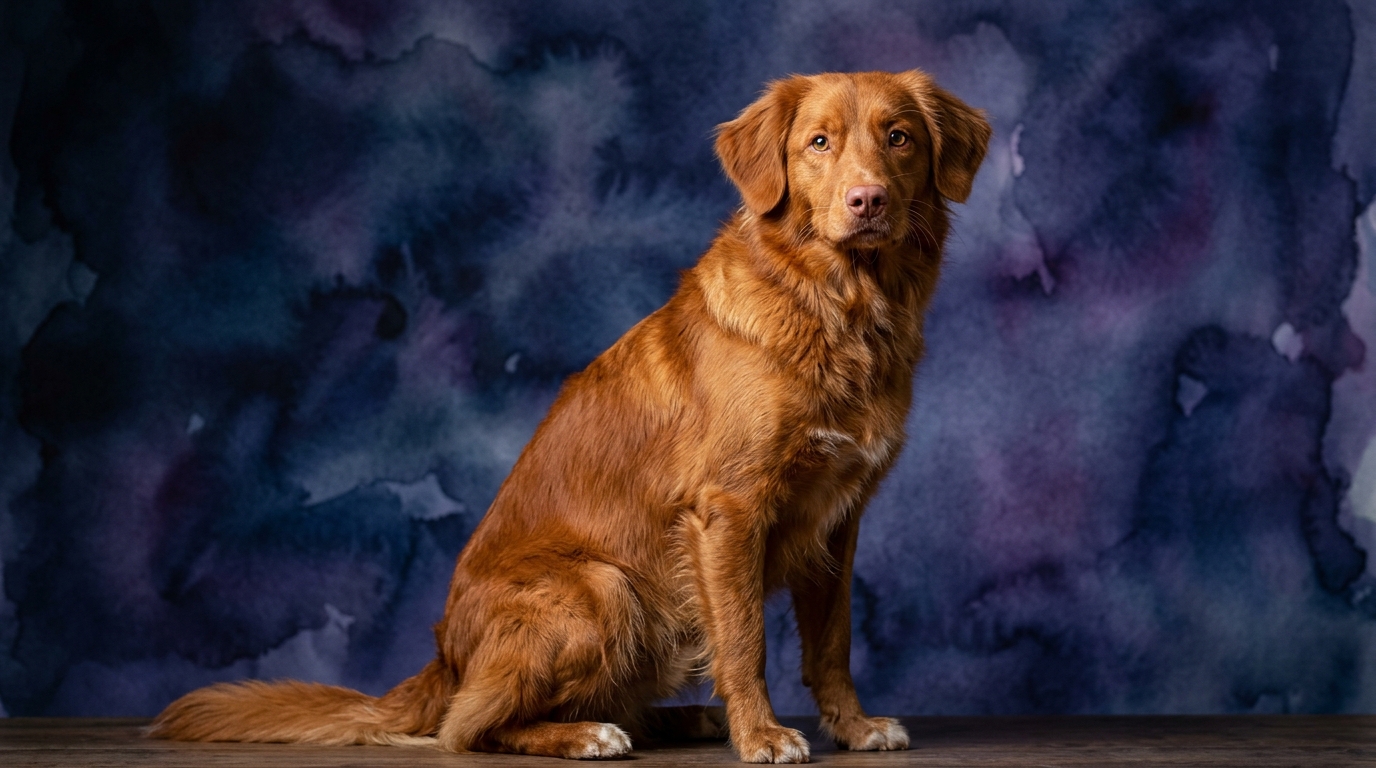
The Nova Scotia Duck Tolling Retriever, a Sporting breed, exhibits a cognitive profile well-suited for its historical role. In our Pet IQ Lab, the Toller scores 3/5 across all five dimensions: Problem Solving, Training Speed, Social Intelligence, Instinctive Drive, and Memory. This indicates a balanced yet purposeful intellect, adept at practical, task-oriented challenges like retrieving game, rather than abstract puzzles. Their learning is steady, often tied to utility and a deep desire to work alongside their handler, and their memory is reliable for routines and commands relevant to their duties, ensuring consistent performance in the field.
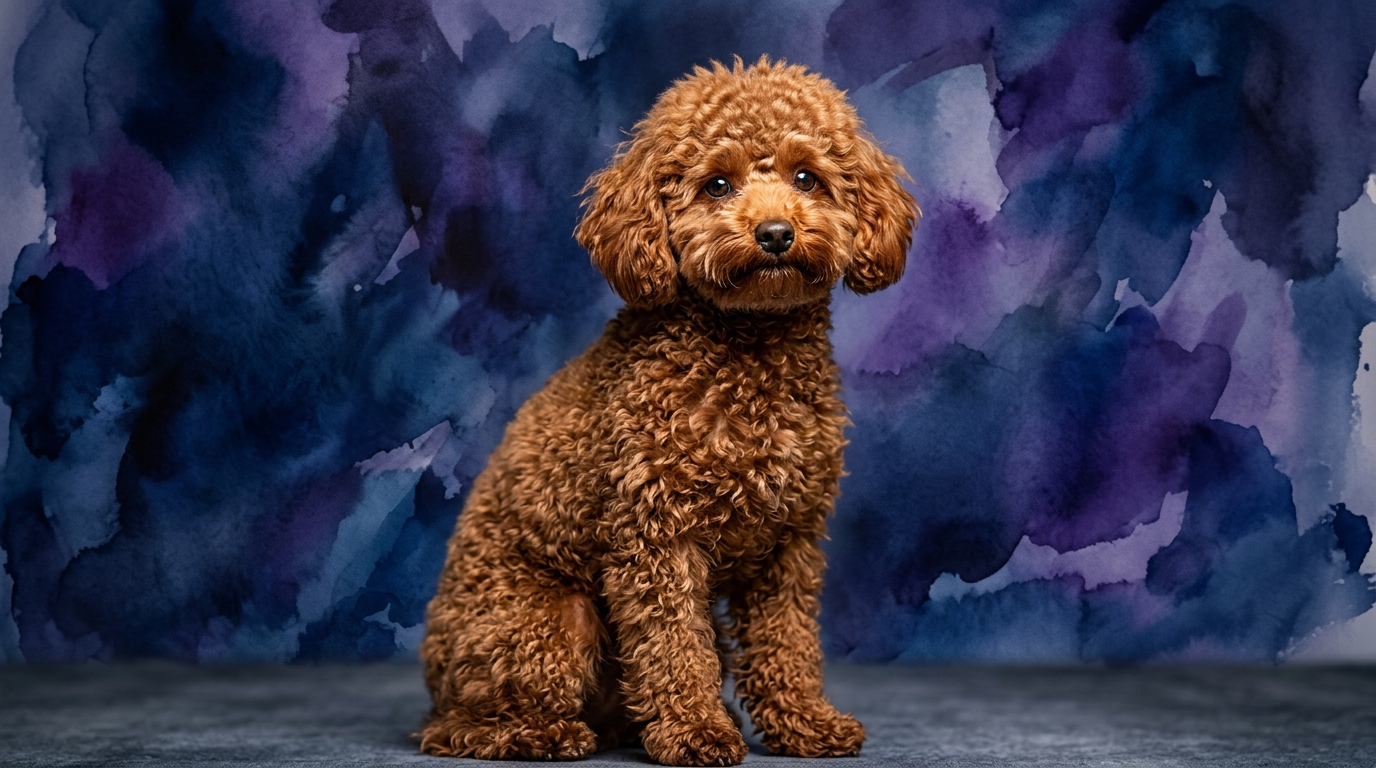
In stark contrast, the Toy Poodle, a Toy breed with a Coren rank of #2, presents a remarkably agile cognitive profile. It achieves a perfect 5/5 in Problem Solving, Training Speed, and Memory, with Social Intelligence and Instinctive Drive both rated 3/5. This suggests an exceptional capacity for complex cognitive tasks, rapidly absorbing new information and commands, and retaining a vast repertoire of learned behaviors over time. Their mental prowess allows for quick conceptualization and a thoughtful approach to novel challenges, making them highly adaptable and capable across a wide spectrum of mental engagements.
Where the Nova Scotia Duck Tolling Retriever Wins Cognitively
While raw scores might suggest a generalist, the Toller's cognitive profile shines in contexts demanding specific, sustained physical application of intellect, deeply rooted in their sporting heritage. Their 3/5 in Instinctive Drive represents a finely tuned mental engine for their original purpose: luring and retrieving waterfowl. This isn't merely about physical action; it involves complex cognitive tasks such as making predictive judgments on bird movement, understanding environmental cues like wind and water currents, and maintaining focused attention amidst significant distractions in dynamic outdoor settings.
The Toller's 3/5 in Problem Solving, while moderate, is geared towards practical, environmental challenges. A Toller might excel at navigating complex terrain to locate a 'lost' dummy, utilizing sophisticated spatial reasoning and scent discrimination, rather than solving a puzzle box in a living room. This specific problem-solving involves a seamless blend of sensory input processing and motor planning that is a hallmark of working sporting breeds. Their learning curve, though rated 3/5 for Training Speed, builds a robust foundation for consistent, precise performance in field trials or other dog sports demanding endurance and unwavering focus, embodying a type of intelligence prioritizing purposeful action and environmental awareness.
Where the Toy Poodle Wins Cognitively
The Toy Poodle's cognitive profile, particularly its 5/5 scores in Problem Solving, Training Speed, and Memory, paints a picture of exceptional mental agility and adaptability. Their Problem Solving ability allows them to tackle novel situations with remarkable insight, often deciphering complex sequences or understanding abstract concepts with minimal guidance. This extends beyond simple actions; it involves understanding the underlying *principle* behind a mechanism, enabling them to generalize solutions to similar, unseen problems with impressive efficiency.
The 5/5 in Training Speed means Toy Poodles absorb new commands and behaviors with astonishing rapidity. This swift acquisition is not merely rote memorization but indicates a capacity for quick conceptualization and a strong desire to engage mentally with their handler, often requiring fewer repetitions to solidify a command. Their Memory, also rated 5/5, perfectly complements this, allowing them to retain a vast repertoire of commands and routines, even those not practiced frequently. This robust recall ensures consistent behavior and a deep understanding of expectations over extended periods, making them exceptionally reliable once a behavior is learned.
Which is Easier to Train and Why
When assessing ease of training, the Toy Poodle holds a distinct advantage due to its exceptional Training Speed (5/5) and Memory (5/5). A Toy Poodle can grasp new commands, even complex ones, in very few repetitions, often seeming to anticipate what is expected. This rapid assimilation means owners can progress through foundational obedience quickly and move onto more intricate tasks like advanced tricks, canine sports, or even service work with relative ease. Their superior memory ensures that once a command is learned, it's retained for long periods, requiring less frequent refreshers and translating to a more consistently well-behaved companion across various situations.
The Nova Scotia Duck Tolling Retriever, with its 3/5 in Training Speed and Memory, requires a more patient and consistent approach. While certainly trainable and eager to please within their working context, they may need more repetitions to solidify new behaviors. Tollers benefit from training that taps into their strong Instinctive Drive (3/5), especially retrieving. Training that feels purposeful, such as 'find the toy' or 'bring the leash,' resonates more deeply with them than purely abstract commands. Their learning is often reinforced by the satisfaction of a job well done, rather than just the mental challenge. While both breeds respond well to positive reinforcement, the Toy Poodle's cognitive wiring makes the *process* of learning faster and more fluid, demanding less sustained effort from the handler to achieve proficiency.
Which Suits Active Owners vs. Relaxed Owners
For active owners seeking a dynamic partner for outdoor adventures and dog sports, the Nova Scotia Duck Tolling Retriever is an excellent match. Their 3/5 Instinctive Drive fuels a desire for consistent physical activity and purposeful engagement. Tollers thrive on long hikes, swimming, fetching games, and participating in activities like agility, dock diving, or field trials. Their cognitive strengths, while focused on practical application, are perfectly suited for navigating complex outdoor environments and executing tasks with stamina and focus. An owner who can provide consistent outlets for their physical and mental energy will find a deeply satisfied and engaged companion, flourishing in an environment that allows them to utilize their natural predispositions.
Relaxed owners, or those seeking a highly adaptable companion for a less intensely physical lifestyle, would find the Toy Poodle a more suitable choice. While capable of enjoying walks and play, their primary cognitive needs revolve around mental stimulation rather than constant vigorous exercise. Their 5/5 Problem Solving and Memory mean they excel at indoor puzzle games, learning new tricks, or engaging in short, frequent training sessions that challenge their intellect. They can adapt well to apartment living, provided their minds are kept active with interactive toys, training, and social interaction. A relaxed owner can still provide ample enrichment without needing to commit to daily strenuous activity, finding fulfillment in their Poodle's quick wit and eager participation in mental games.
The Verdict
Choose a Nova Scotia Duck Tolling Retriever if you are an active individual or family seeking a devoted, energetic partner for outdoor activities, dog sports, and a working relationship built on purposeful engagement and consistent training.
Opt for a Toy Poodle if you desire a highly trainable, mentally agile companion who excels at learning, thrives on intellectual challenges, and can adapt to diverse living situations with moderate physical exercise.
🧠 Find Your Pet's IQ Score
Our Pet IQ Lab assessment covers 25+ tests across 5 cognitive dimensions — personalized to your breed.
Take the Full IQ Test →Frequently Asked Questions
Do Nova Scotia Duck Tolling Retrievers require a lot of mental stimulation?
While their cognitive strengths lean towards practical application, Tollers absolutely need mental stimulation. Activities that mimic their retrieving heritage, such as scent work, complex fetch games, or structured training, fulfill their innate desire to work and think purposefully.
Are Toy Poodles good for first-time dog owners?
Yes, Toy Poodles can be excellent for first-time owners due to their exceptional trainability and eagerness to please. Their quick learning curve and strong memory make them responsive to consistent training, though their need for mental engagement should not be underestimated.
How do the social intelligence scores impact interaction with people?
Both breeds score 3/5 in social intelligence, meaning they are generally adept at understanding human cues and forming bonds. They will be perceptive to their family's emotions and routines, but neither is noted for an extraordinary ability to read subtle social dynamics beyond their immediate circle, focusing more on established relationships.