Side-by-Side Pet IQ Profile: Nuances of Identical Scores
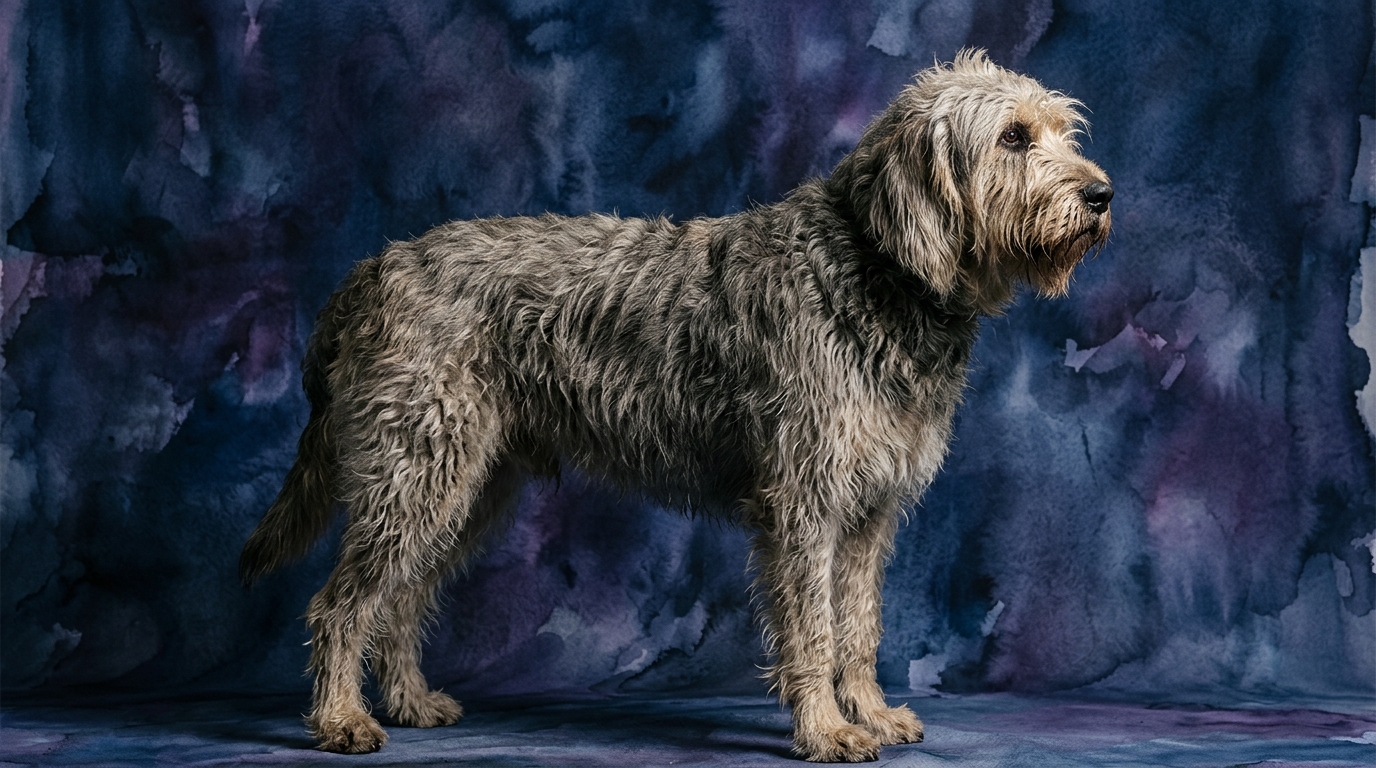
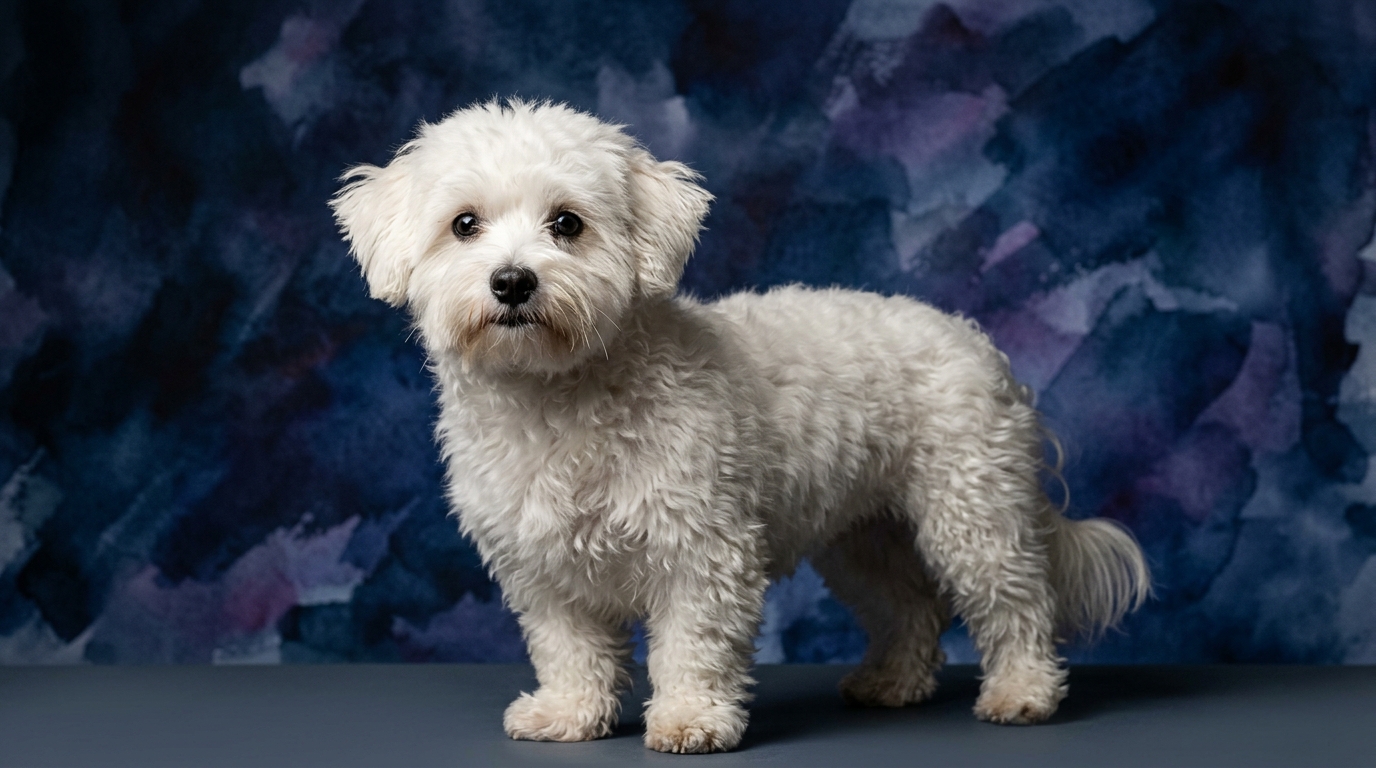
On paper, the Otterhound and Coton de Tuléar present an intriguing cognitive paradox, each scoring a consistent 3 out of 5 across all five Pet IQ Lab dimensions: Problem Solving, Training Speed, Social Intelligence, Instinctive Drive, and Memory. However, these identical scores manifest profoundly differently, reflecting their distinct historical roles and inherent temperaments.
For the **Otterhound**, a 3/5 in **Problem Solving** translates into a practical, persistent approach to challenges, often centered around their primary sensory input: scent. They excel at figuring out how to navigate complex terrains, bypass obstacles, or follow a convoluted scent trail, demonstrating a methodical, trial-and-error intelligence driven by their nose. Their problem-solving isn't about intricate puzzles but rather about sustained effort in pursuit of a sensory goal, requiring significant environmental awareness and endurance. Their **Training Speed** (3/5) indicates they are capable of learning, but their progress is often mediated by their intense focus on external stimuli, particularly scents. They grasp concepts and commands, but their powerful instinctive drive can make maintaining attention a challenge. The Otterhound’s **Social Intelligence** (3/5) is characterized by a generally amiable, tolerant, and easygoing disposition within a group setting. They are typically good-natured with people and other dogs, exhibiting a pack mentality that values straightforward, friendly interactions. Their **Instinctive Drive** (3/5) is a defining characteristic, reflecting a profound and unwavering natural inclination towards scent work, tracking, and exploration, guiding much of their behavior and cognitive effort. An Otterhound's **Memory** (3/5) is robust, particularly for spatial information, scent profiles, and established routines, aiding their hunting abilities and recall for relevant sensory data.
In contrast, for the **Coton de Tuléar**, a 3/5 in **Problem Solving** often manifests as cleverness in navigating their indoor environment and mastering strategies to achieve social goals. They might learn to manipulate objects to get attention, figure out how to access preferred resting spots, or devise playful schemes to engage their human family members, optimizing their comfort and maximizing positive social interactions. Cotons, scoring 3/5 in **Training Speed**, are generally eager to learn and quick to pick up new commands when training is approached with positive reinforcement and enthusiasm. They thrive on the mental engagement and interaction with their owners, making them responsive and cooperative students. The Coton de Tuléar truly excels in **Social Intelligence** (3/5), reflecting a keen ability to read subtle human emotions, interpret body language, and adapt their behavior to maintain harmony and affection within their family. Their **Instinctive Drive** (3/5), while not focused on traditional working tasks, is strong and central to their identity, reflecting a powerful innate desire for companionship, comfort, and interactive play. Cotons possess a solid **Memory** (3/5) for commands, routines, and the individuals within their social circle, supporting their trainability and seamless integration into family life.
Where the Otterhound Wins Cognitively
The Otterhound's cognitive strengths are deeply rooted in its ancestral purpose. While both breeds score 3/5 in instinctive drive, the Otterhound's drive is singularly focused on its olfactory capabilities. This breed demonstrates superior cognitive application in scent discrimination and persistent tracking, allowing it to methodically follow a faint trail for extended periods, a task requiring intense focus and spatial reasoning linked to scent memory. Their problem-solving, though rated 3/5, leans heavily into navigating complex terrains and overcoming physical obstacles to maintain a scent path, showcasing a practical, robust intelligence geared towards environmental mastery rather than social manipulation. This profound ability to interpret and act upon complex scent information is a unique cognitive advantage.
Where the Coton de Tuléar Wins Cognitively
The Coton de Tuléar, despite identical scores, excels in the nuanced realm of social cognition within a domestic setting. Its 3/5 in social intelligence manifests as a remarkable capacity for reading human emotional states and adapting its behavior to foster harmony and companionship. They are adept at discerning subtle vocal tones and body language, often pre-empting their owner's needs or moods. Their problem-solving (3/5) is frequently directed towards clever strategies for engaging their humans, such as bringing a toy to initiate play or finding comfortable spots for interaction, demonstrating a sophisticated understanding of household dynamics and human-dog communication. This breed's cognitive strengths lie in their ability to foster deep, intuitive bonds and navigate complex interpersonal dynamics within a family unit.
Which is Easier to Train and Why?
Determining which breed is 'easier' to train, given their identical 3/5 scores in Training Speed, requires understanding their underlying motivations and behavioral predispositions. The Coton de Tuléar often presents as more straightforward to train for household obedience due to its strong innate desire for human companionship and approval. They typically enjoy the mental engagement of training sessions as a form of interaction, making them responsive to positive reinforcement and eager to please their family members. Their focus is generally directed towards their owner, making distractions less impactful in a typical training environment. Their 3/5 memory supports quick retention of commands that lead to positive social outcomes, reinforcing their cooperative nature.
In contrast, the Otterhound's 3/5 in Training Speed is heavily influenced by its potent instinctive drive. While capable of learning, their primary cognitive focus can be overwhelmingly drawn to scents and environmental exploration. Training an Otterhound requires immense patience, creativity, and consistency to compete with their powerful olfactory instincts. A new, compelling scent can instantly override a learned command, making off-leash reliability a significant challenge. Therefore, while both breeds are capable learners, the Coton's inherent social orientation often makes the training process feel less challenging for the average owner seeking a compliant companion, whereas the Otterhound demands a trainer who can harness and redirect its profound natural drives through engaging, scent-based activities.
Matching Breeds to Lifestyles: Active vs. Relaxed Owners
The Otterhound is unequivocally better suited for active owners who relish outdoor adventures and can provide ample opportunities for their dog to engage its powerful senses and stamina. Their 3/5 instinctive drive translates into a deep need for exploration, long walks, and potentially scent work or other dog sports that tap into their tracking abilities. A relaxed owner might find the Otterhound's boundless energy and independent nature overwhelming, leading to boredom and potentially destructive behaviors if their cognitive and physical needs are unmet. They thrive with owners who understand and respect their hound heritage, offering consistent mental and physical outlets for their robust capabilities.
Conversely, the Coton de Tuléar, while certainly enjoying playtime and walks, is a better fit for more relaxed owners or those seeking a devoted indoor companion. Their 3/5 instinctive drive is primarily geared towards social interaction and comfort, meaning they are content with moderate daily exercise coupled with significant human companionship and mental stimulation through indoor games or short training sessions. They are adaptable to apartment living and prefer being close to their family, making them an excellent choice for individuals or families whose lifestyle centers more around home activities and gentle outdoor excursions rather than strenuous, long-duration physical feats. Their social intelligence makes them excellent companions for those who value close, interactive relationships.
The Verdict
For those seeking a resilient, scent-driven companion for outdoor exploration and an independent spirit, the Otterhound is an ideal choice. Its robust problem-solving and profound instinctive drive, though rated 3/5, are perfectly aligned with an adventurous lifestyle and an owner prepared to channel its powerful natural abilities.
If your preference is for a highly socially intelligent, adaptable, and affectionate indoor companion who thrives on human connection and subtle communication, the Coton de Tuléar, with its equally balanced 3/5 cognitive profile, will be a more harmonious addition to your home.
🧠 Find Your Pet's IQ Score
Our Pet IQ Lab assessment covers 25+ tests across 5 cognitive dimensions — personalized to your breed.
Take the Full IQ Test →Frequently Asked Questions
Do Otterhounds and Coton de Tuléars have similar energy levels?
While both breeds score 3/5 in instinctive drive, their energy manifests differently. Otterhounds have a higher physical stamina for prolonged outdoor activity, driven by their scenting instincts, requiring substantial exercise. Cotons have moderate energy, preferring bursts of play and walks, with a strong drive for social interaction and comfort within the home.
Are Otterhounds good family dogs despite their hunting background?
Yes, Otterhounds generally possess a genial and tolerant social intelligence (3/5), making them amiable family members. They are typically good with children and other dogs, thriving in a pack environment. However, their size and independent nature mean supervision is always wise, and their strong scent drive requires a securely fenced yard.
How do Cotons adapt to different living situations like apartments?
Coton de Tuléars adapt exceptionally well to various living situations, including apartments, thanks to their strong social intelligence (3/5) and moderate exercise needs. They prioritize companionship and comfort within their human family. Provided they receive daily walks and mental stimulation, they are content living indoors and being close to their owners.