Side-by-Side IQ Profile: Otterhound vs. Japanese Chin
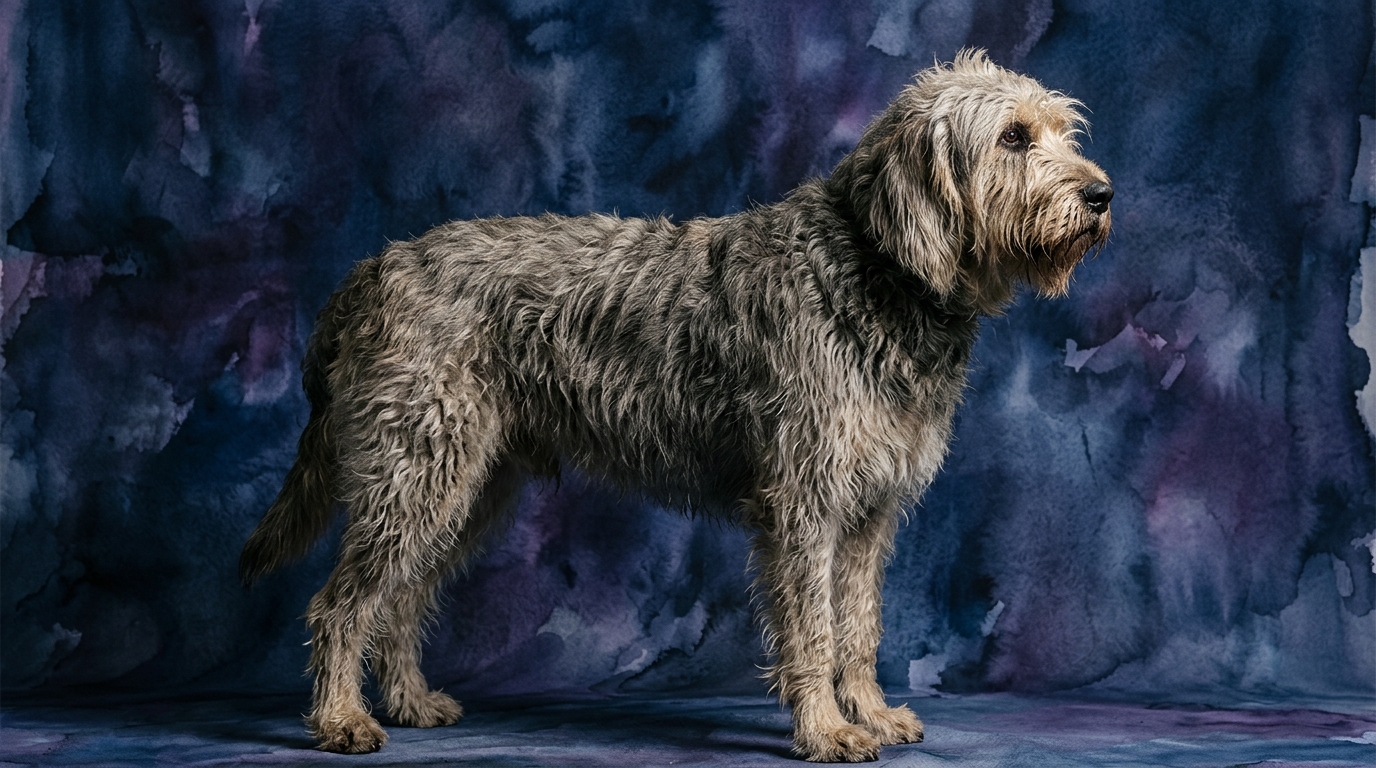
**Otterhound (Dog, Hound)**
**Problem Solving (3/5):** The Otterhound's problem-solving skills are robustly applied to environmental challenges, particularly those involving scent. They meticulously work out complex scent trails, demonstrating a persistent, methodical approach to puzzles presented by terrain or obstacles, driven by their strong olfactory senses rather than abstract thought.
**Training Speed (3/5):** Possessing a moderate training speed, Otterhounds learn commands steadily. However, their inherent independence and powerful drive to follow a scent often mean they require consistent, patient motivation and repetition, as their innate instincts can sometimes overshadow immediate compliance.
**Social Intelligence (3/5):** Their social intelligence manifests as a generally amiable and tolerant disposition, reflecting their historical role in working packs. Otterhounds form strong bonds and understand social cues, though their relationships are often more cooperative and laid-back than intensely human-focused.
**Instinctive Drive (3/5):** The Otterhound's instinctive drive is profoundly centered on scent work and tracking. This powerful, inherent motivation to pursue interesting odors guides their exploration and focus, making them tireless and singularly dedicated in the field.
**Memory (3/5):** Otterhounds exhibit a solid memory, especially for familiar routes, complex scent patterns, and learned commands. Their recall supports their problem-solving in tracking, allowing them to build an internal map of their world based on sensory input and past experiences.
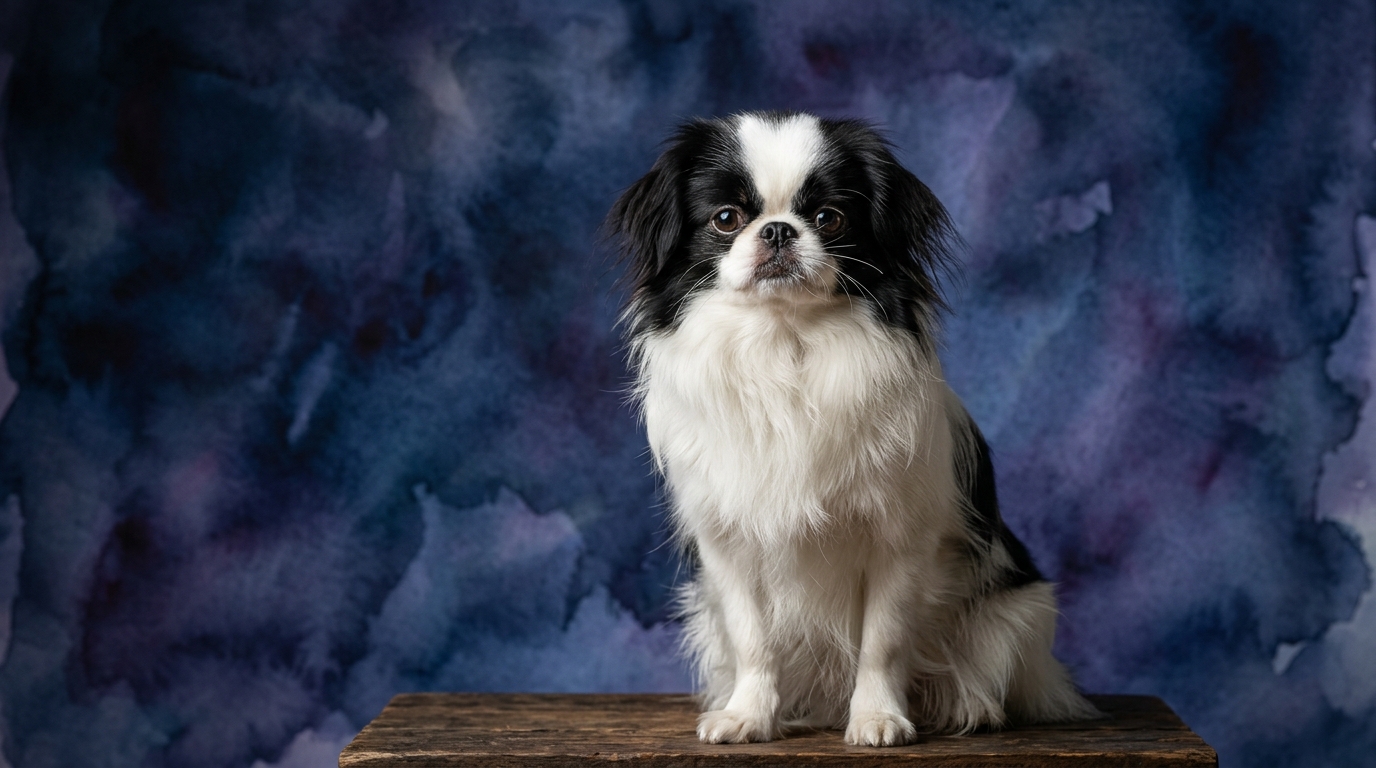
**Japanese Chin (Dog, Toy)**
**Problem Solving (3/5):** The Japanese Chin's problem-solving often focuses on navigating its social environment and charmingly manipulating situations for comfort or attention. They cleverly figure out how to get a favored toy or use specific cues to solicit cuddles, optimizing their domestic living situation and human interactions.
**Training Speed (3/5):** With a moderate training speed, Japanese Chins are capable learners, often eager to please their favored humans. Their sensitivity means they respond best to positive reinforcement and gentle methods, as harsh corrections can significantly impede their learning and willingness to engage.
**Social Intelligence (3/5):** Their social intelligence is highly refined, acutely tuned to human connection and subtle emotional cues. A Japanese Chin is adept at reading its owner's mood, adjusting its behavior to offer comfort or initiate play, thriving on empathetic interaction and harmonious cohabitation.
**Instinctive Drive (3/5):** For the Japanese Chin, instinctive drive is primarily directed towards companionship, comfort, and seeking out warmth. This powerful innate need for close human interaction is expressed through seeking proximity, gentle play, and a consistent, secure routine, underpinning their role as a cherished companion.
**Memory (3/5):** Japanese Chins possess a good memory for routines, specific people, and preferred locations within their home. They quickly learn schedules of meals and walks, and remember which family members are most likely to grant their wishes, enabling them to anticipate events and navigate their social world.
Where the Otterhound Wins Cognitively
While both breeds share a 3/5 rating across all cognitive dimensions, the Otterhound's wins are rooted in its specific evolutionary purpose. Its problem-solving, for instance, excels in complex, multi-sensory tasks involving scent discrimination and trail following, a domain where its robust olfactory memory and persistent drive truly shine. An Otterhound can mentally reconstruct a fading scent trail over varied terrain, demonstrating a cognitive tenacity and specialized spatial reasoning that the Japanese Chin, bred for different tasks, simply doesn't prioritize. This breed's instinctive drive, focused on tracking, translates to an unparalleled cognitive endurance for sustained, goal-oriented outdoor exploration.
Where the Japanese Chin Wins Cognitively
Conversely, the Japanese Chin's cognitive strengths lie in its nuanced understanding and manipulation of social dynamics within a domestic setting. Its social intelligence, while also rated 3/5, is exquisitely tuned to human emotional states and subtle communicative signals. A Chin can often anticipate an owner's needs or desires with remarkable accuracy, using its problem-solving abilities to devise charming strategies for eliciting affection or preferred outcomes. Its memory is particularly strong for personal routines and the intricacies of human-pet relationships, allowing it to navigate family life with grace and strategic charm, a different kind of cognitive mastery than the Otterhound's environmental problem-solving.
Which is Easier to Train and Why
Both breeds share a 3/5 training speed, indicating moderate learning capabilities, but the 'ease' of training often depends on the handler's approach and understanding of breed-specific motivations. The Otterhound, with its strong instinctive drive for scenting, can be a challenge to keep focused on obedience commands when an interesting smell presents itself; their problem-solving might be directed at finding the source of a scent rather than heeding a 'sit' command. Training requires patience, consistency, and methods that either incorporate their tracking drive or are compelling enough to overcome it.
The Japanese Chin, while also having a 3/5 training speed, might be perceived as 'easier' for certain owners due to its inherent desire to please and its sensitivity to human feedback. However, their delicate nature means they respond poorly to harshness, and their problem-solving can extend to charmingly ignoring commands they deem unnecessary. For the Chin, training success hinges on positive reinforcement, gentle guidance, and making the process feel like a fun, cooperative interaction, leveraging their strong social intelligence rather than battling a powerful prey drive.
Which Suits Active Owners vs. Relaxed Owners
The Otterhound, with its enduring instinctive drive and robust problem-solving geared towards physical exploration, is undoubtedly better suited for active owners. These dogs thrive on opportunities to engage their powerful noses and bodies, whether through long hikes, scent work, or vigorous play. An owner who enjoys outdoor adventures and can provide consistent mental and physical stimulation will find the Otterhound a rewarding companion. Conversely, the Japanese Chin is an ideal match for more relaxed owners. Its cognitive focus on social interaction, comfort, and navigating a harmonious indoor environment means it flourishes in a calm household where it can receive ample affection and participate in gentle, low-impact activities. While they enjoy short walks, their primary need is for close companionship and a predictable, comfortable routine, making them perfect for those seeking a devoted, quiet presence.
The Verdict
Choose an Otterhound if you're an active individual or family who can embrace and channel a dog's strong scenting instincts, providing ample outdoor exploration and consistent, engaging training.
Opt for a Japanese Chin if you seek a sensitive, devoted companion for a calm, indoor lifestyle, appreciating their nuanced social intelligence and gentle presence.
🧠 Find Your Pet's IQ Score
Our Pet IQ Lab assessment covers 25+ tests across 5 cognitive dimensions — personalized to your breed.
Take the Full IQ Test →Frequently Asked Questions
Do Otterhounds get along with other pets?
Otterhounds typically exhibit good social intelligence and can coexist peacefully with other dogs, especially if socialized early. However, their strong scent drive means small, furry pets like cats or rabbits might activate their tracking instincts, requiring careful introductions and supervision.
How much grooming does a Japanese Chin require?
Despite their long, silky coats, Japanese Chins require moderate grooming. Regular brushing several times a week helps prevent mats and keeps their fur healthy, while occasional baths maintain their cleanliness, leveraging their memory for routines.
Are either breed prone to specific health issues related to their cognitive traits?
Neither breed is specifically prone to cognitive dysfunction beyond what might be expected with age. However, the Otterhound's deep-set eyes can be prone to certain eye conditions, and the Japanese Chin's brachycephalic (short-nosed) structure can lead to respiratory issues, which can indirectly affect their energy levels and ability to engage in activities that stimulate their intelligence.