Side-by-Side Cognitive Profiles
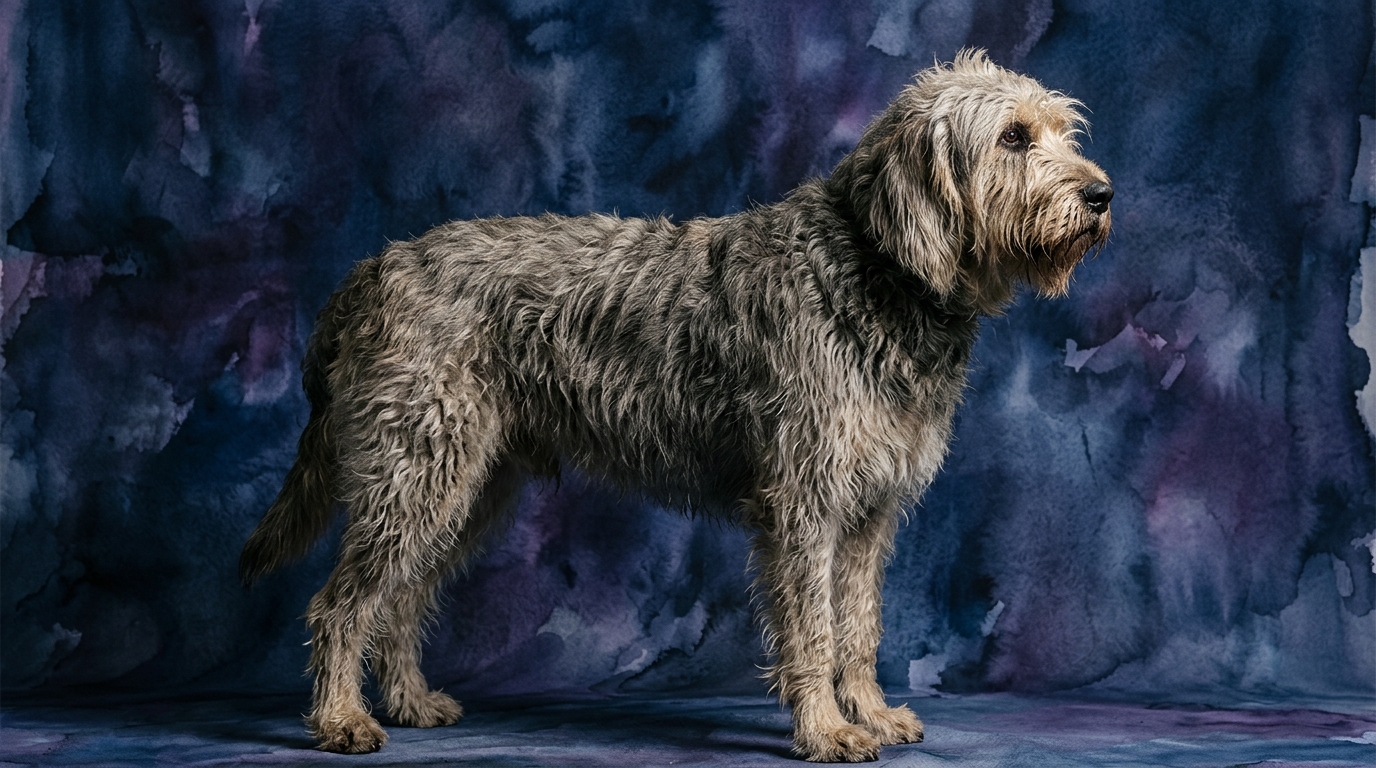
The Otterhound, a robust Hound, shows Problem Solving at 3/5, often leveraging scent rather than abstract reasoning. Training Speed is 3/5; their independent nature and scent focus can slow responsiveness. Social Intelligence is 3/5, reflecting loyal family bonds without effusive people-pleasing. Their Instinctive Drive, 3/5, is specifically geared towards persistent tracking. Memory, 3/5, is sufficient for routines but not exceptional in recall. They are not Coren-ranked, which typically emphasizes obedience and adaptive learning.
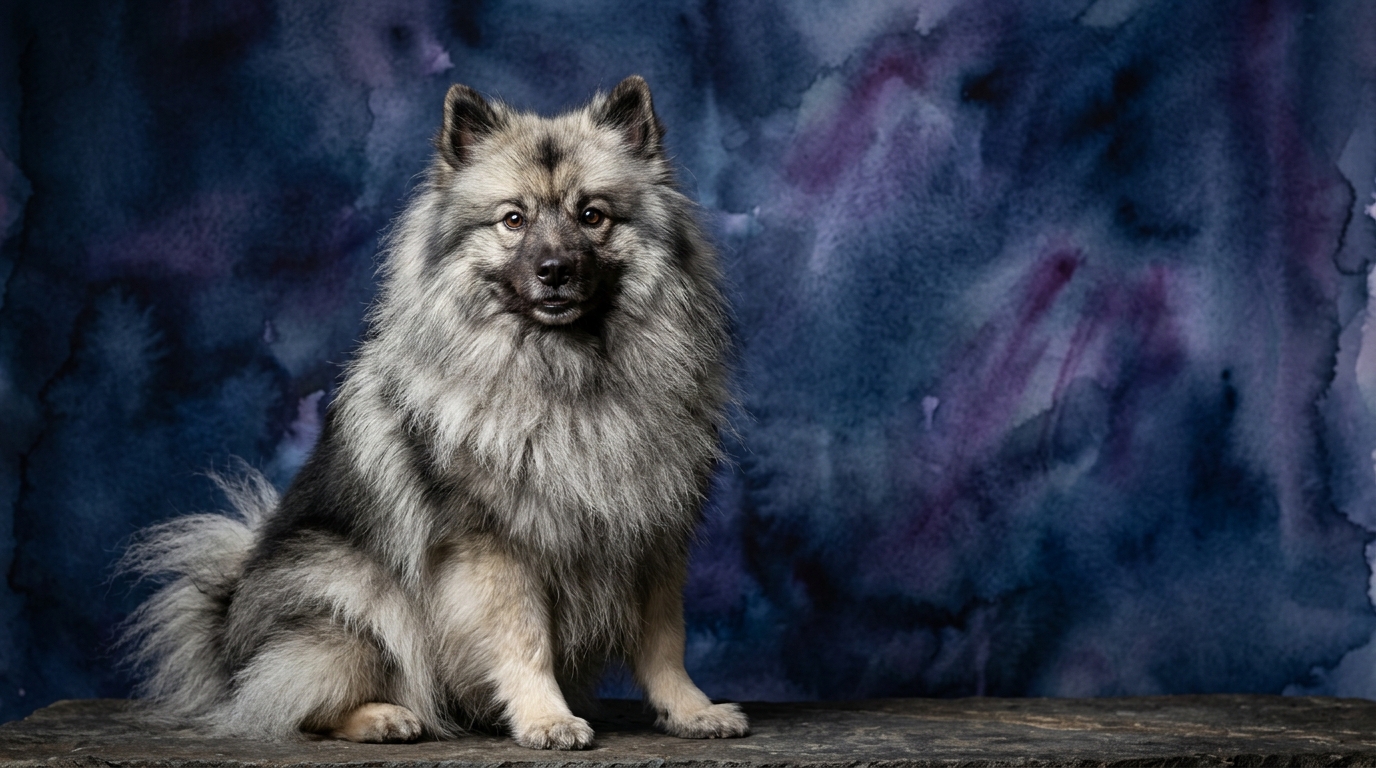
The Keeshond, a captivating Non-Sporting breed, boasts a Coren rank of #16. Their Problem Solving is 4/5, indicating a clever mind that enjoys mental engagement. Training Speed shines at 4/5, showing a quick grasp of commands and eagerness to please. Social Intelligence is 3/5, forming strong family bonds but reserved with strangers. Instinctive Drive, 3/5, manifests as an alert watchdog. Their most striking asset is Memory, a perfect 5/5, retaining information, routines, and experiences with remarkable clarity, making them highly predictable.
Where the Otterhound Wins Cognitively
While the Keeshond boasts higher general cognitive scores, the Otterhound possesses a specialized cognitive strength that is arguably unparalleled in its domain: persistent, long-duration scent tracking. Its 3/5 Instinctive Drive score, while not a 5/5, represents an incredibly deep-seated and enduring focus on following a trail, often over challenging terrain and for hours on end. This isn't merely physical stamina; it requires immense mental fortitude, a nuanced understanding of scent degradation, and an ability to filter out countless environmental distractions.
This specialized problem-solving (3/5) in a natural, complex environment—deciphering a faint trail amidst a myriad of other smells—is a form of intelligence that few breeds can match. They demonstrate an unwavering commitment to a task once their nose is engaged, showcasing a tenacious and independent form of cognitive application. Their memory (3/5), while not exceptional for general recall, is perfectly attuned to remembering the nuances of a specific trail, allowing them to pick up a lost scent or return to a previous point with accuracy.
Where the Keeshond Wins Cognitively
The Keeshond's cognitive profile truly excels in areas of general adaptive intelligence, making them highly responsive and engaging companions. Their perfect 5/5 Memory score is a significant advantage, meaning they not only learn commands quickly (Training Speed 4/5) but retain them for life, requiring less refresher training than many breeds. This superior recall extends to routines, people, and experiences, fostering a dog that is predictable and consistent in its learned behaviors.
Coupled with a strong 4/5 in Problem Solving, Keeshonden are adept at figuring out how to manipulate their environment to their advantage, whether it's opening a cupboard for a treat or strategically placing themselves for maximum human attention. This combination of quick learning, excellent retention, and practical problem-solving is precisely why they perform so well in obedience and agility, reflecting their capacity to understand and execute complex sequences of commands. Their cognitive strength lies in their ability to process human communication efficiently and apply learned solutions in diverse domestic scenarios.
Which is Easier to Train and Why
Without a doubt, the Keeshond presents a generally easier training journey for most owners. Their 4/5 Training Speed, coupled with a remarkable 5/5 Memory, means they grasp new concepts with impressive rapidity and retain them over the long term. They typically exhibit a strong desire to please and enjoy the mental stimulation that training provides, responding enthusiastically to positive reinforcement. A Keeshond learns quickly that performing a desired action leads to a reward, and their excellent memory ensures they recall this association reliably.
In contrast, the Otterhound, with its 3/5 Training Speed and 3/5 Memory, requires a more patient and persistent approach. Their independent hound nature means they are less inherently driven to please and more prone to following their nose or their own inclinations. While capable of learning, their attention can be easily diverted by interesting scents, and consistency is paramount to overcome their occasional stubborn streak. Training an Otterhound often means working *with* their instincts, rather than against them, and understanding that their cognitive focus can be intensely singular when a scent trail is involved.
Which Suits Active Owners vs. Relaxed Owners
For owners leading an active lifestyle, the Otterhound is a compelling choice. This breed requires substantial physical exertion to satisfy its deep-seated instinctive drive (3/5) for exploration and scent work. Long, invigorating walks, opportunities for off-leash tracking in secure environments, and engaging scent games are crucial for their mental and physical well-being. Their stamina and desire to cover ground make them ideal companions for hikers, trail walkers, or those who can provide ample space for them to investigate. A purely relaxed, sedentary owner would likely find the Otterhound's energy and persistent curiosity challenging to manage.
The Keeshond, while not a couch potato, is far more adaptable to varied activity levels. They thrive on regular, moderate exercise like daily walks and playful sessions, but their mental needs for interaction and problem-solving (4/5) are equally important. They are well-suited for owners who enjoy engaging in trick training, puzzle toys, and consistent family interaction. While they appreciate outdoor time, they are generally content with a more relaxed indoor lifestyle, provided their cognitive needs are met through play and attention, making them a good fit for owners who may not be extreme athletes but are highly involved mentally.
The Verdict
Choose Otterhound if: You are an active, patient owner who cherishes a dog with a profound, specialized scenting drive and enjoys outdoor adventures, appreciating their independent spirit.
Choose Keeshond if: You seek a highly trainable, mentally agile companion who excels at learning, remembers routines impeccably, and thrives on consistent interaction and mental challenges.
🧠 Find Your Pet's IQ Score
Our Pet IQ Lab assessment covers 25+ tests across 5 cognitive dimensions — personalized to your breed.
Take the Full IQ Test →Frequently Asked Questions
Does the Otterhound's lower Coren rank mean it's not intelligent?
No, the Coren rank primarily assesses obedience and adaptive intelligence in a traditional sense. Otterhounds possess a highly specialized intelligence for persistent scent work and endurance, which is a sophisticated cognitive function not fully captured by these specific metrics. Their strength lies in methodical environmental processing.
Can a Keeshond be left alone for long periods?
While adaptable, a Keeshond's exceptional memory (5/5) and strong social bonds mean they thrive on consistent interaction and routine. Prolonged solitude can lead to boredom and potential behavioral issues, as they distinctly remember their owners' absence and can feel neglected.
How do the problem-solving skills differ between these breeds?
The Keeshond's problem-solving (4/5) is typically applied to domestic challenges, like figuring out how to access treats or manipulate objects. The Otterhound's (3/5) is more focused on environmental puzzles, such as meticulously following and deciphering a complex scent trail over varying terrain.