Side-by-Side Cognitive Profiles
The Cosmic Pet Pet IQ Lab provides a framework for understanding canine intelligence across five key dimensions. For both the Otterhound and the Petit Basset Griffon Vendéen, all five dimensions are rated 3 out of 5, indicating a solid, functional intelligence that is neither at the extreme end of rapid learning nor particularly challenged, yet manifests uniquely in each breed.
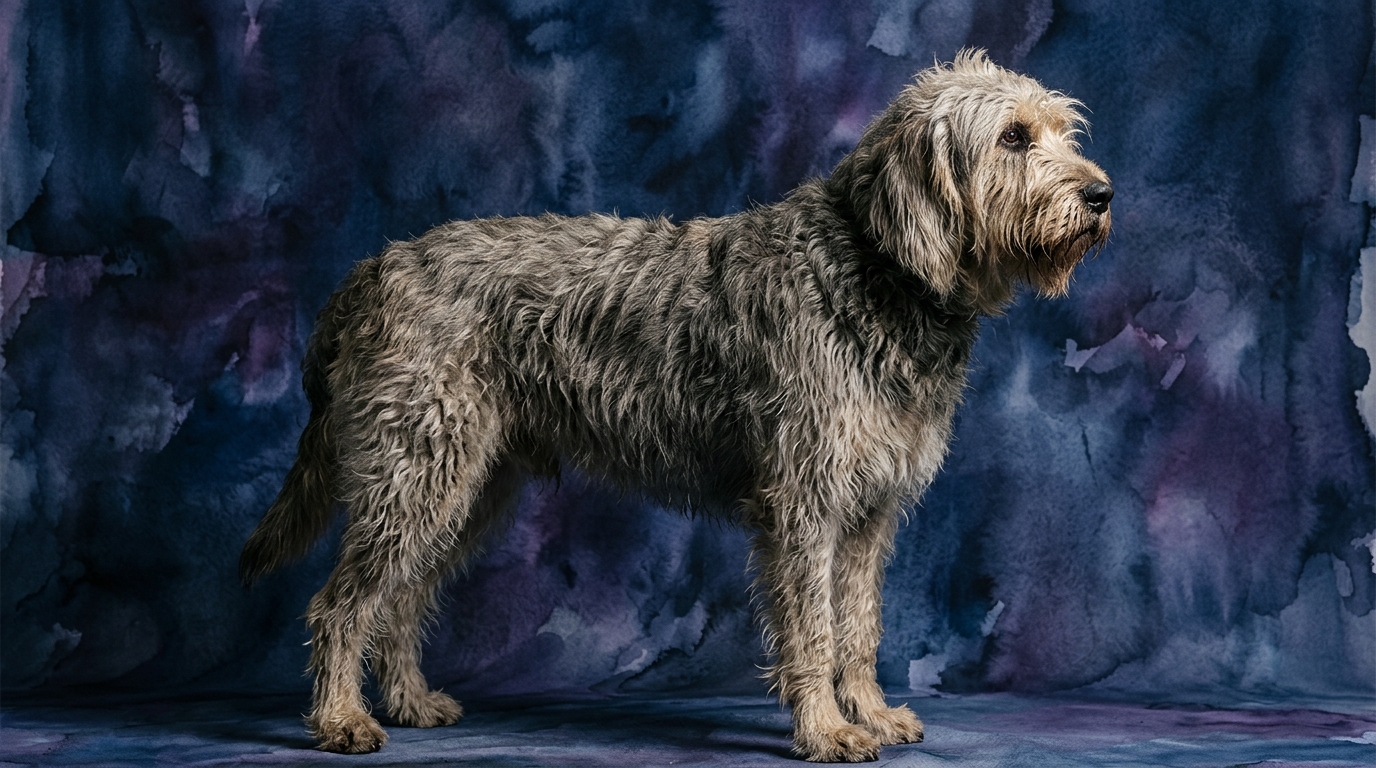
**Otterhound (Hound):** Bred for otter hunting, the Otterhound's **Problem Solving (3/5)** is marked by persistent, practical determination. They methodically navigate complex terrain and water, focusing intently on a scent trail, demonstrating endurance over intricate planning. Their solutions are often physical, driven by a powerful nose and stamina, rather than abstract thought. For **Training Speed (3/5)**, Otterhounds learn steadily, but their independent hound nature means they often prioritize instinct. Consistent, patient, positive reinforcement is crucial, as repetitions are often needed to solidify commands, especially amidst compelling scents. Learning is thorough, though not rapid, integrating information into their existing drive. Generally amiable, Otterhounds form strong family bonds and interact well with other dogs, reflecting their **Social Intelligence (3/5)**. They read social cues and routines, yet their primary focus on scent can override social niceties, offering a more independent companionship. Their **Instinctive Drive (3/5)** is strongly geared towards scent work and tracking. This consistent, powerful motivator enables deep focus and endurance once on a trail, shaping their exploration and engagement with the environment. Otterhounds possess a **Memory (3/5)** allowing them to recall past hunt locations, training cues, and familiar people, remembering complex scent patterns and routes vital for their purpose, with consistent reinforcement building lasting practical memories.
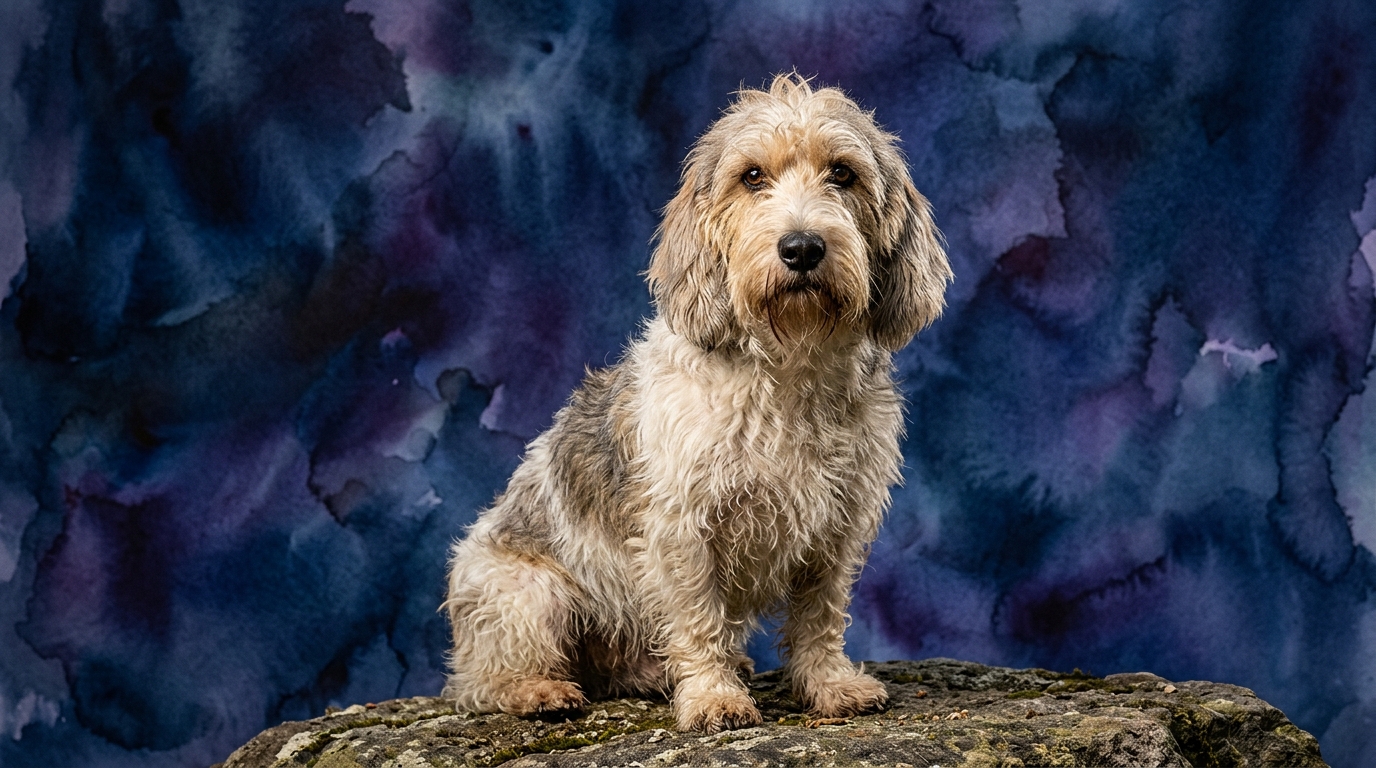
**Petit Basset Griffon Vendéen (Hound):** The PBGV, a tenacious hunter of rabbits and hare in thorny scrub, solves problems with exuberant cleverness, reflecting their **Problem Solving (3/5)**. They navigate challenging terrain and unravel scent puzzles with persistence and resourcefulness, often trying multiple approaches with infectious enthusiasm, though sometimes their solutions are more trial-and-error than calculated. For **Training Speed (3/5)**, PBGVs are trainable but lively; their independent, mischievous nature makes training an engaging challenge. Short, fun sessions capture their attention, as focus is easily diverted by interesting smells. Consistency and positive motivation are key for integrating commands, with a steady learning curve. Typically outgoing and friendly, PBGVs adeptly interact with humans and dogs, thriving on companionship, demonstrating their **Social Intelligence (3/5)**. They read social cues well, adjusting their boisterousness, but maintain a cheerful self-sufficiency even within a social context. Their **Instinctive Drive (3/5)** for scenting and hunting small game is expressed with great enthusiasm and determination. This powerful internal motivator guides their tireless investigation of the environment. PBGVs have a **Memory (3/5)** enabling them to recall frequently used commands, home layouts, and family members. They remember scent trails and the locations of past discoveries vital for their heritage, maintaining solid retention for consistent training and environmental navigation.
Where the Otterhound Excels Cognitively
The Otterhound's cognitive strengths truly shine in scenarios demanding sustained, methodical focus and physical endurance, particularly in aquatic or varied outdoor environments. Their 3/5 problem-solving manifests as a relentless, unhurried pursuit of a scent, undeterred by obstacles like streams or marshland. They methodically work out how to navigate, relying on their robust memory for previous successes and their instinctive drive to follow a trail. This isn't about rapid decision-making, but a steadfast, deliberate unraveling of a scent puzzle over long distances. Their patient tolerance during training, a facet of their 3/5 social intelligence, can be advantageous for owners who appreciate a dog that, once committed, applies itself with serious, enduring intent, even if initial learning takes time to solidify.
Where the Petit Basset Griffon Vendéen Excels Cognitively
Conversely, the Petit Basset Griffon Vendéen exhibits cognitive advantages in situations requiring spirited adaptability and a joyful persistence, especially in dense or complex undergrowth. Their 3/5 problem-solving involves a dynamic, exploratory approach to challenges, finding creative ways through thickets or outsmarting small game. They possess a lively curiosity fueling their investigation, often employing trial-and-error with infectious enthusiasm. This breed’s 3/5 social intelligence often leans towards more overtly engaging and charming interactions, making them quick to adapt to various social settings and family dynamics. Their combined instinctive drive and memory make them exceptional at recalling and revisiting specific 'hotspots' where exciting scents were found, demonstrating precise recall and boundless energy for investigation.
Training Nuances: Patience vs. Playfulness
While both breeds share a 3/5 rating for training speed, the practical experience of training an Otterhound versus a PBGV presents distinct nuances. The Otterhound, with its deep-seated focus on scent and its generally more reserved demeanor, can appear more deliberate in its learning. Their training requires immense patience and consistency, as their independent hound nature means they will often weigh a command against the allure of a compelling scent. They aren't quick to offer behaviors for praise alone; motivation often needs to be high-value. However, once an Otterhound grasps a concept, their memory and persistence mean it's likely to stick. The challenge lies in initially capturing and maintaining their attention amidst sensory distractions. In contrast, the Petit Basset Griffon Vendéen's training, while also rated 3/5 for speed, is characterized by their exuberant and sometimes mischievous spirit. They learn quickly in short, fun sessions but can be easily distracted by novel sights, sounds, or especially smells. Their 'basset' nose is a powerful force, often overriding any command if an interesting scent is present. Training a PBGV requires creativity, humor, and a very strong recall foundation, as their independent streak might lead them to 'selective hearing' when on a scent trail. They respond well to positive reinforcement and play-based rewards but demand an owner who can keep up with their lively intellect and channel their energy productively.
Matching Breeds to Lifestyles: Active vs. Relaxed Owners
Considering their cognitive makeup and inherent drives, the Otterhound generally suits active owners who appreciate a dog with a robust, enduring energy for specific, often outdoor, pursuits. Their 3/5 instinctive drive for scent work, combined with their physical stamina, means they thrive on long, exploratory walks, scent games, or even canine sports like tracking. Owners who enjoy methodical outdoor activities and can provide consistent, patient guidance for their independent problem-solver will find a rewarding companion. Their social intelligence allows them to integrate into family life, but they are not typically demanding of constant interaction, content to observe or relax once their exercise needs are met. For the truly relaxed owner seeking a sedentary companion, an Otterhound's needs for mental and physical stimulation might prove challenging. The Petit Basset Griffon Vendéen, on the other hand, suits a different kind of active owner—one who enjoys a more playful, interactive, and often boisterous companion. Their lively 3/5 instinctive drive and problem-solving skills make them excellent partners for varied activities, from agility to earthdog trials, or simply energetic games in the yard. They require an owner who can channel their boundless enthusiasm and provide engaging mental and physical outlets, as their curiosity and zest for life are constant. While they enjoy relaxation, it's usually after a good burst of activity. Their social intelligence makes them eager participants in family life, often seeking out interaction. A truly relaxed owner might find the PBGV's persistent inquisitiveness and energy demanding, as they are dogs that actively engage with their environment and expect their humans to join in the fun.
The Verdict
Choose the Otterhound if you value a loyal, independent partner for long, deliberate outdoor explorations, particularly if you appreciate a dog whose cognitive strengths lie in persistent, methodical problem-solving over varied terrain and water, and you are prepared for patient, consistent training.
Opt for the Petit Basset Griffon Vendéen if you desire an energetic, cheerful, and charming companion who approaches life with enthusiastic curiosity, thrives on interactive play and varied activities, and you are ready for a dog whose lively intellect and scent drive will keep you on your toes with joyful persistence.
🧠 Find Your Pet's IQ Score
Our Pet IQ Lab assessment covers 25+ tests across 5 cognitive dimensions — personalized to your breed.
Take the Full IQ Test →Frequently Asked Questions
Are Otterhounds good with children?
Otterhounds are generally known for their good nature and patience, making them suitable companions for families with children. Their social intelligence allows them to integrate well into family dynamics, though their size and boisterousness during play mean supervision is always wise, especially with very young children.
Do Petit Basset Griffon Vendéens bark a lot?
PBGVs are known for their vocal nature, using a variety of barks, howls, and 'yodels' to express themselves, particularly when on a scent. While charming to some, their enthusiasm for vocalization can be significant, requiring early training to manage excessive barking, especially if living in close quarters.
How much exercise do these breeds need?
Both breeds require substantial daily exercise to satisfy their instinctive drives and maintain physical health. Otterhounds need long, exploratory walks or hikes, ideally with opportunities for scent work or swimming, to engage their endurance and methodical problem-solving. PBGVs thrive on varied, energetic activities like off-leash romps in secure areas, agility, or earthdog trials, needing outlets for their lively curiosity and persistent scenting.