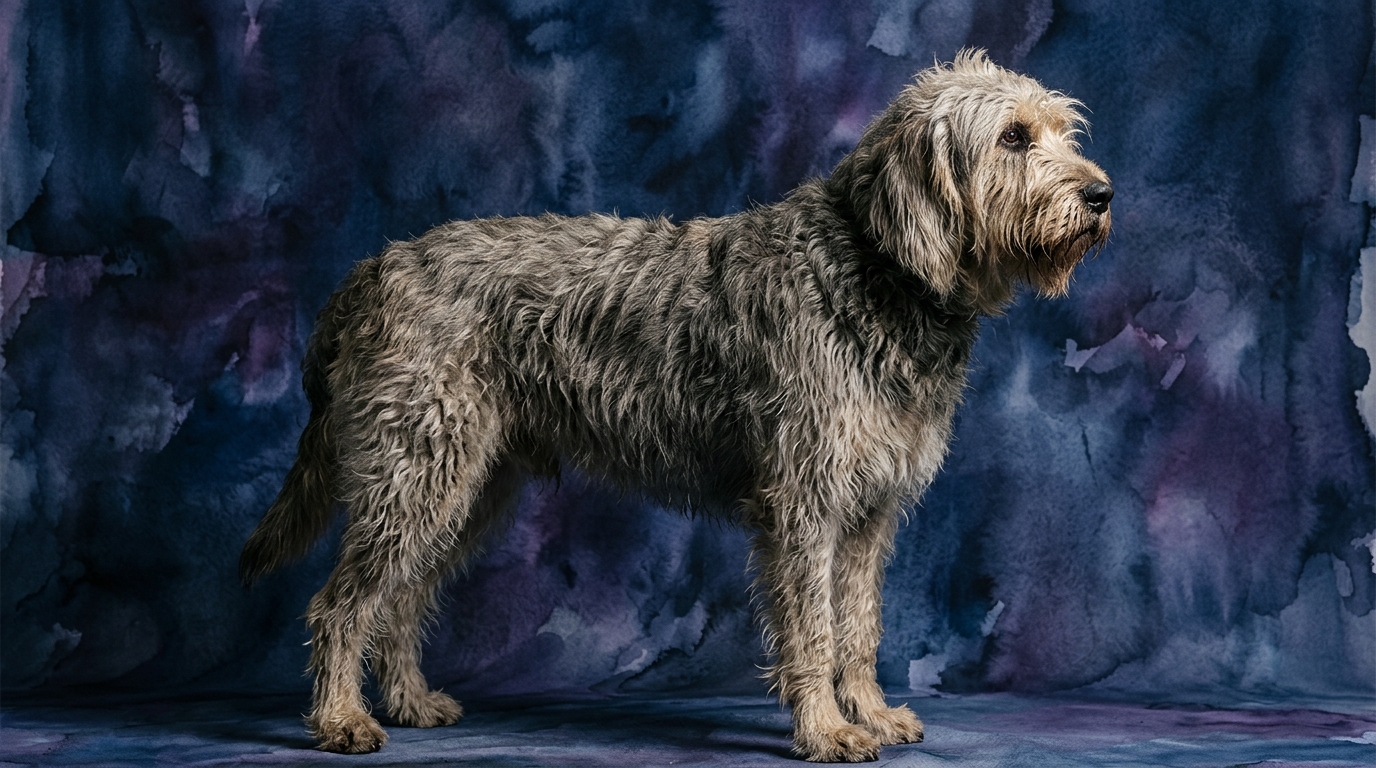
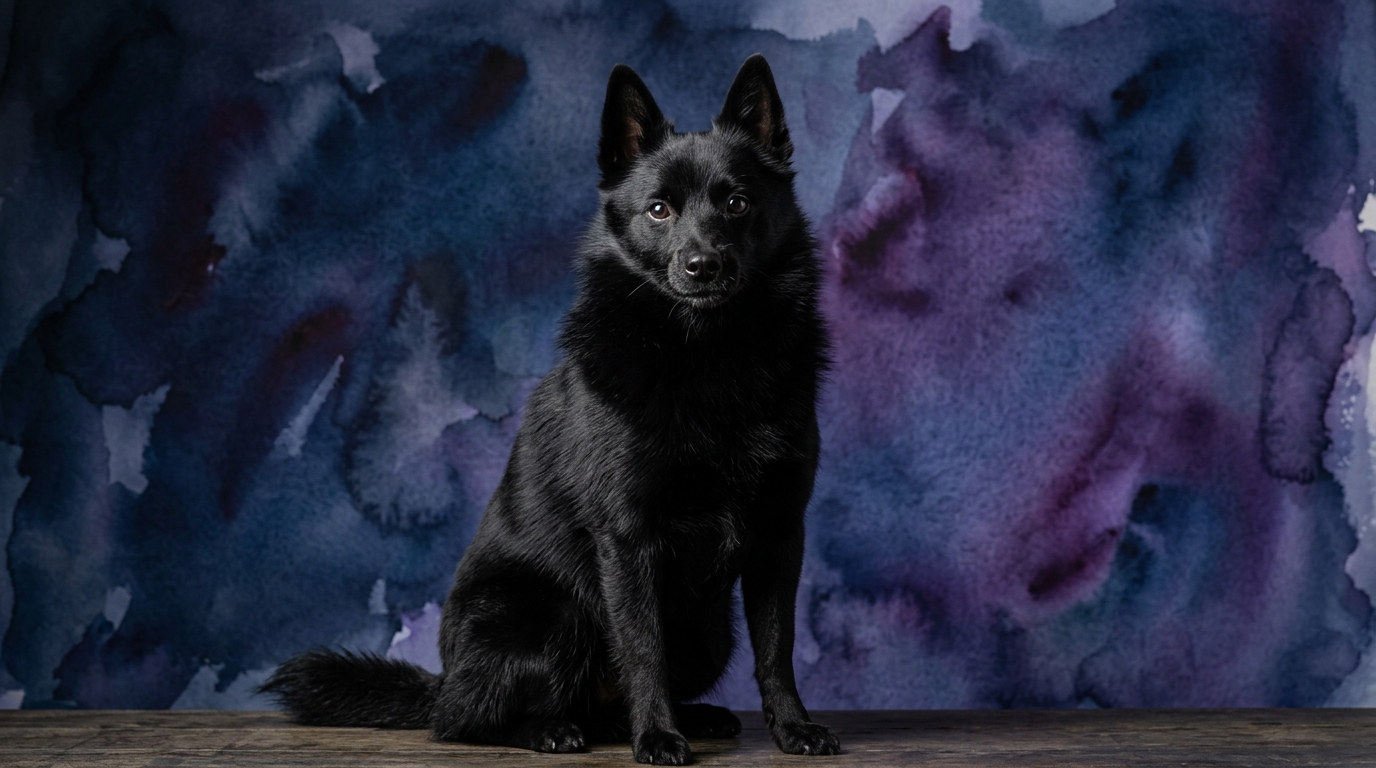
Side-by-side IQ profile
The Otterhound presents a consistent cognitive profile across the board, with each dimension scoring 3 out of 5. Their Problem Solving (3/5) suggests a methodical rather than lightning-fast approach to novel challenges; they can work through complex situations, especially those involving scent, but might not immediately grasp abstract puzzles. Training Speed (3/5) indicates they are certainly trainable, but owners will need patience and consistent reinforcement, as concepts may take a moderate number of repetitions to solidify. Their Social Intelligence (3/5) points to an average capacity for understanding human cues and interacting appropriately within social structures, making them generally amiable but not overly expressive or subtle in their communication. The Instinctive Drive (3/5), crucial for a hound, highlights a strong, focused inclination for their primary purpose: trailing a scent with unwavering determination. Finally, their Memory (3/5) suggests they retain learned information and past experiences adequately, holding onto commands and routines with reasonable recall, though perhaps not with photographic precision.
In stark contrast, the Schipperke’s cognitive profile showcases several exceptional peaks. Their Problem Solving (5/5) score signifies an outstanding aptitude for figuring out challenges, adapting to new scenarios, and often devising independent solutions. This breed isn't just good at following instructions; they are proactive thinkers capable of complex strategizing. Similarly, Training Speed (5/5) is top-tier, meaning they grasp new commands and routines with remarkable rapidity, often after just a few repetitions. Their Social Intelligence (3/5) mirrors the Otterhound's, indicating a solid understanding of basic human intentions and social dynamics, but perhaps not an extreme sensitivity to subtle emotional shifts. The Instinctive Drive (3/5) for a Schipperke often manifests as a strong inclination for guarding, chasing small vermin, or asserting their presence, fitting their historical role as companion and watchdog on barges. Crucially, their Memory (5/5) is outstanding, allowing them to retain vast amounts of information, recall past events with clarity, and remember learned behaviors over long periods, contributing significantly to their trainability.
Where Otterhound wins cognitively
While the raw scores might appear modest, the Otterhound's cognitive strength lies in its specialized, deeply ingrained application of intelligence, particularly within its instinctive drive for scent. Its 3/5 score in this dimension, especially for a hound breed, translates into an exceptional and unparalleled ability to follow and interpret complex scent trails, a task requiring profound sensory discrimination, persistent focus, and an incredible capacity to filter out irrelevant stimuli. This isn't about general problem-solving, but a highly specific, intricate "scent-solving" that few other breeds can rival. Their cognitive process is geared towards endurance and methodical pursuit; they can maintain focus on a trail for hours, often ignoring distractions that would deter other breeds. This steadfastness, driven by their impeccable memory of a specific scent, represents a unique cognitive triumph, making them masters of a very specific, demanding mental discipline. They excel where sustained, sensory-driven processing is paramount over rapid-fire logical deductions.
Where Schipperke wins cognitively
The Schipperke demonstrates clear cognitive superiority across several key dimensions. Their perfect 5/5 scores in Problem Solving, Training Speed, and Memory combine to create a canine mind that is not only quick to learn but also remarkably adaptive and resourceful. This means a Schipperke can quickly assess new situations, devise creative solutions to obstacles, and learn new behaviors or commands with astonishing speed and efficiency. Their exceptional memory allows them to retain complex sequences of actions and a wide vocabulary of commands, making them highly proficient in advanced obedience, agility, or trick training. This high problem-solving score suggests they are not merely good at following instructions but can independently strategize, often finding ingenious ways to achieve their goals—whether that's figuring out how to open a cupboard or orchestrating a game of chase. This makes them highly adaptable to varied environments and learning tasks, thriving on mental challenges and often surprising owners with their cleverness.
Which is easier to train and why
Without a doubt, the Schipperke is distinctly easier to train due to its perfect 5/5 scores in both Training Speed and Memory. They grasp new concepts almost immediately, often requiring only a handful of repetitions before a behavior is understood and retained reliably. This rapid acquisition and outstanding retention mean that training sessions can be shorter, more engaging, and quickly progress to more complex tasks. Their inherent inclination to problem-solve also means they often genuinely enjoy the mental challenge of training, viewing it as an engaging puzzle rather than a chore. They are quick to generalize learned behaviors to new contexts, making them versatile learners across different environments.
In contrast, the Otterhound, with its 3/5 scores in Training Speed and Memory, requires more patience, consistency, and a nuanced approach. While perfectly trainable, they may take longer to solidify commands and might be more prone to distraction, particularly if their powerful scent drive is engaged by an interesting aroma. Their training often needs to be more engaging and tailored to their motivations, frequently incorporating scent work or play, as they won't pick things up with the same effortless speed or abstract enthusiasm as a Schipperke. Owners must be prepared for a more gradual learning curve and understand that their hound’s focus can be singularly directed by their nose.
Which suits active owners vs relaxed owners
Both breeds possess a 3/5 instinctive drive, but its manifestation and the type of activity it demands differ significantly. The Schipperke's drive often translates into an intense alertness, a need for constant mental engagement, and a desire to patrol their territory, making them suitable for active owners who enjoy structured activities like agility, advanced obedience, or regular puzzle games that challenge their sharp minds. They thrive on having a "job" and can become restless or mischievous without sufficient mental stimulation and consistent interaction. While physically compact, their cognitive energy demands consistent challenges and intellectual outlets.
The Otterhound, while also needing activity, aligns differently with an "active owner." Their activity is predominantly centered around their profound scenting abilities and their natural inclination to explore. Owners who enjoy long, investigative walks, tracking sports, or simply allowing their dog to follow a complex trail at its own pace will find the Otterhound immensely rewarding. Their exercise isn't about rapid bursts of speed or intricate commands, but about sustained, sensory-driven exploration and methodical pursuit. A more relaxed owner might struggle with their need for lengthy, scent-focused outings, as their nose will lead them, but an owner who appreciates a deliberate, independent explorer will find them suitable for a different kind of active lifestyle.
The Verdict
Opt for an Otterhound if you value a steadfast, methodical companion with an unparalleled scenting ability and are prepared to engage with their specific, deeply ingrained cognitive drives, appreciating their independent, exploratory nature over rapid obedience. They are ideal for owners who enjoy long, scent-driven adventures and a dog whose intellect is tuned to the natural world.
Select a Schipperke if you desire a sharp, quick-witted canine partner eager to learn and excel in various mental challenges, thriving on consistent mental stimulation and the opportunity to apply their exceptional problem-solving and memory skills. They are perfect for owners who seek an adaptable, highly trainable, and intellectually demanding companion for structured activities and clever interactions.
🧠 Find Your Pet's IQ Score
Our Pet IQ Lab assessment covers 25+ tests across 5 cognitive dimensions — personalized to your breed.
Take the Full IQ Test →Frequently Asked Questions
Does the Otterhound's lower IQ score mean it's not smart?
Not at all; the Otterhound's intelligence is highly specialized. Its 3/5 scores indicate capable learning and problem-solving, particularly when tasks align with its strong instinctive drive for scent work, demonstrating a different kind of cognitive strength focused on endurance and sensory interpretation rather than abstract reasoning.
How does the Schipperke's high problem-solving manifest in daily life?
A Schipperke's 5/5 problem-solving means they are adept at figuring out how to open cabinets, escape enclosures, or manipulate situations to their advantage, requiring consistent mental engagement, secure environments, and clear boundaries from owners to channel their cleverness constructively.
Are Otterhounds difficult to live with due to their instinctive drive?
Otterhounds have a moderate instinctive drive (3/5), which primarily focuses on scent. While this can lead to them following a trail intently, making off-leash reliability challenging in unfenced areas, they are generally good-natured, affectionate, and companionable when their cognitive and physical needs for scent-driven exploration are consistently met.