Side-by-Side Cognitive Profiles
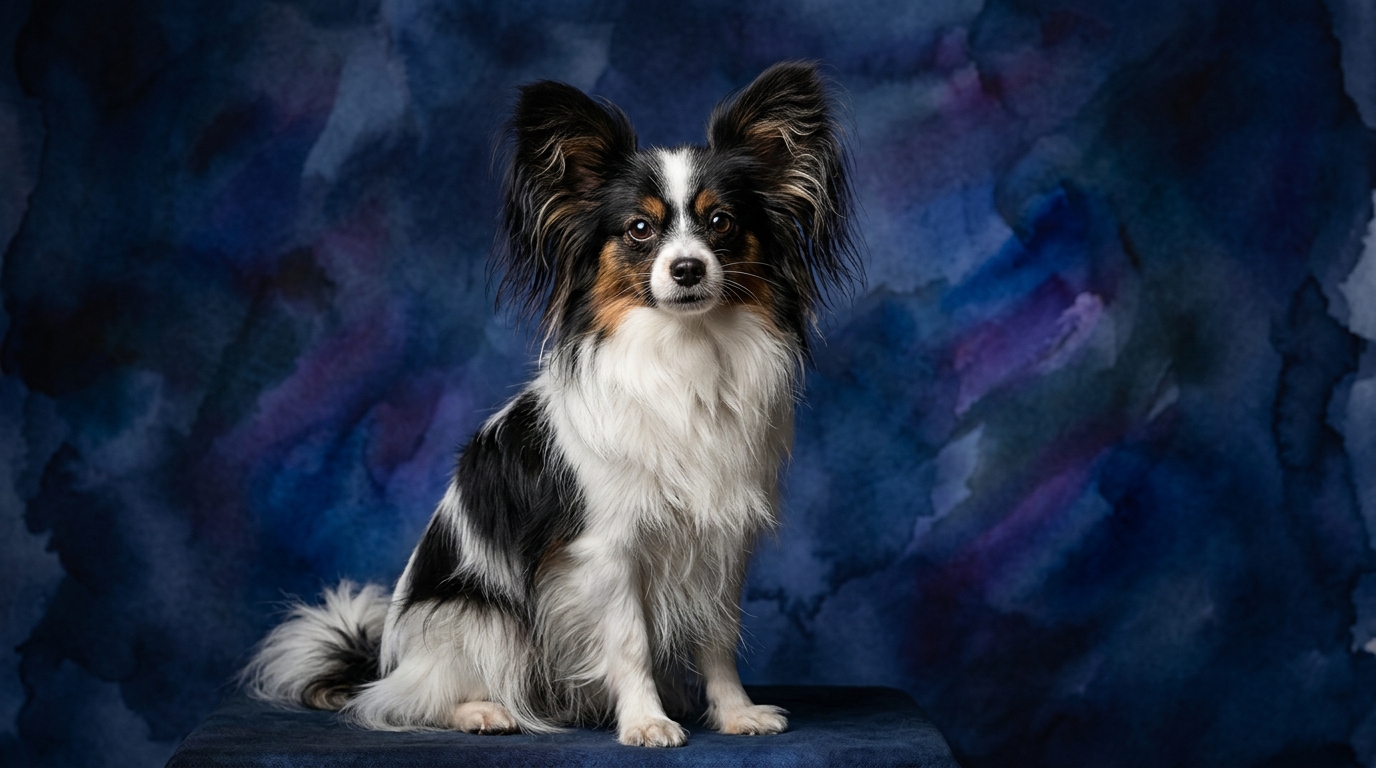
The Papillon, a Toy breed with a Coren rank of #8, presents a cognitive profile indicating exceptional mental agility. Their Problem Solving is rated 5/5, signifying a profound ability to independently strategize and overcome novel obstacles, often figuring things out without direct human intervention. Training Speed also sits at 5/5, meaning they absorb new commands and behaviors with remarkable quickness, requiring minimal repetition. Social Intelligence, at 4/5, points to a strong capacity for understanding and responding to human and canine social cues, navigating complex interpersonal dynamics with ease. Instinctive Drive is a moderate 3/5, suggesting their actions are not heavily dictated by primal urges, allowing their learned behaviors to take precedence. Finally, their Memory is an outstanding 5/5, indicating an exceptional ability to retain information over extended periods, remembering complex sequences and past experiences with clarity.
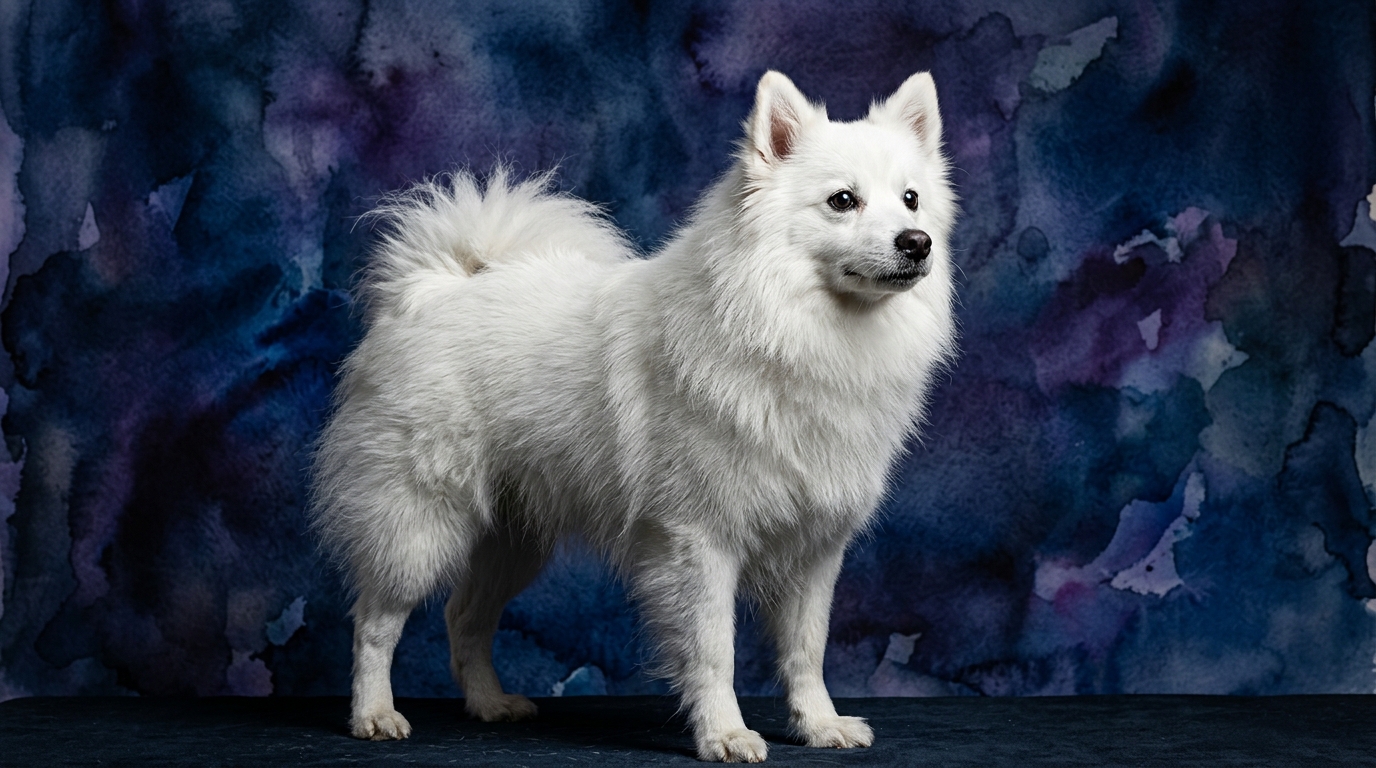
In contrast, the American Eskimo Dog, a Non-Sporting breed not listed on Coren's ranking, exhibits a more balanced and practical cognitive makeup. Their Problem Solving is rated 3/5, meaning they are competent at tackling straightforward challenges but might require more structured guidance or trial-and-error for intricate puzzles. Training Speed also scores 3/5, indicating a steady learning pace that benefits from consistency and clear, patient instruction rather than rapid acquisition. Social Intelligence is 3/5, suggesting they understand basic social interactions and cues but may not possess the same nuanced interpretation as a Papillon, often needing more direct socialization experiences. Instinctive Drive, like the Papillon, is 3/5, meaning their behavior is not overtly dominated by strong innate predispositions. Their Memory is also 3/5, indicating an adequate capacity to recall learned information, though perhaps benefiting from periodic refreshers compared to a Papillon's near-perfect retention.
Where the Papillon Excels Cognitively
The Papillon truly shines in areas demanding rapid mental processing, complex problem-solving, and superior retention. Their 5/5 Problem Solving score means they are adept at tasks like navigating intricate agility courses, figuring out advanced puzzle toys, or even manipulating latches and doors. This cognitive flexibility allows them to not just follow commands, but to understand the underlying mechanics of a task and adapt their approach. Their 5/5 Training Speed and Memory combine to create an animal that can master an extensive repertoire of tricks and commands, often learning multi-step sequences with astonishing speed and retaining them for life. This makes them exceptional candidates for competitive obedience, rally, or any activity requiring a vast and precise behavioral vocabulary. They can also excel at tasks requiring nuanced social understanding, picking up on subtle changes in human mood or intent due to their 4/5 Social Intelligence.
Where the American Eskimo Dog's Strengths Lie
While the American Eskimo Dog's scores are consistently moderate, this profile translates into a practical and dependable cognitive style rather than a competitive deficit. Their 3/5 scores across the board indicate a well-rounded and stable mental temperament. For instance, their 3/5 Problem Solving means they are not prone to overthinking or becoming anxious from overly complex mental demands; they approach tasks with a steady, methodical mindset. Their moderate Social Intelligence (3/5) allows them to be good family companions, understanding the core dynamics without being overly sensitive to every subtle human nuance. This can make them less prone to stress in busy household environments. Their balanced Instinctive Drive (3/5) means they are generally biddable and not overwhelmed by strong primal urges, allowing for focused training on desired behaviors. Essentially, the American Eskimo Dog possesses a robust, functional intelligence that prioritizes consistency and reliability over flashy, rapid cognition, making them steadfast and adaptable companions in everyday life.
Trainability: Papillon vs. American Eskimo Dog
When it comes to ease of training, the Papillon holds a distinct advantage, primarily due to their 5/5 Training Speed and 5/5 Memory. They grasp new concepts almost immediately, often requiring only a handful of repetitions to solidify a command. This translates into rapid progress in training sessions, making them highly rewarding for owners who enjoy teaching complex behaviors or participating in dog sports. Their exceptional memory ensures that once a behavior is learned, it is rarely forgotten, allowing for a vast and diverse skill set to be built over time. This cognitive efficiency means a Papillon can move from basic obedience to advanced tricks or competitive routines with remarkable fluidity and speed, often anticipating the next step in a sequence due to their problem-solving abilities.
The American Eskimo Dog, with 3/5 scores in both Training Speed and Memory, requires a more patient and consistent approach. They learn steadily, but mastering new commands necessitates more repetitions and very clear, unambiguous instruction. Owners should be prepared for a slightly slower progression, focusing on positive reinforcement and breaking down complex tasks into smaller, manageable steps. Their moderate memory means occasional refreshers are beneficial to keep skills sharp, especially for less frequently used commands. While capable of learning a wide range of behaviors, their independent streak, common in Spitz-type breeds, means motivation needs to be compelling and consistent, as they might not possess the Papillon's inherent eagerness to please by sheer cognitive challenge alone. This difference in learning pace and retention is a key behavioral distinction when approaching their training.
Matching Breeds to Lifestyles
The Papillon's impressive cognitive profile makes them an ideal match for active owners who relish mental engagement as much as physical activity. Owners who enjoy competitive dog sports like agility, flyball, or obedience will find a Papillon a willing and exceptionally capable partner. Their need for mental stimulation means they thrive when given puzzles, new tricks to learn, and varied training exercises. A relaxed owner who cannot provide consistent mental challenges might find a Papillon becomes bored, potentially leading to inventive (and sometimes undesirable) ways to occupy their sharp minds. They are physically capable for their size, enjoying walks and play, but their mind needs as much, if not more, exercise.
The American Eskimo Dog's balanced cognitive scores make them adaptable companions, suitable for a range of owners who can provide consistent engagement and structure. While they certainly enjoy activity and can excel in dog sports, their moderate mental demands mean they are less likely to become anxious or destructive from a lack of constant, intense cognitive challenges. They thrive with owners who provide regular walks, consistent training sessions, and inclusion in family activities. They are robust and enjoy being part of the action without necessarily needing to be challenged at every turn. A relaxed owner who still commits to daily walks, basic training, and quality companionship would find the American Eskimo Dog a loyal and content partner, as long as their physical exercise needs are met.
The Verdict
Choose the Papillon if you seek a highly responsive, quick-learning companion eager for intricate mental challenges and advanced training in a compact package. They are best for owners who can dedicate time to extensive cognitive enrichment and enjoy participating in dog sports.
Opt for the American Eskimo Dog if you desire a balanced, capable companion with a practical intelligence, willing to work steadily and content with a strong family bond and consistent routine. They suit owners who appreciate a dependable presence and can provide regular, structured engagement.
🧠 Find Your Pet's IQ Score
Our Pet IQ Lab assessment covers 25+ tests across 5 cognitive dimensions — personalized to your breed.
Take the Full IQ Test →Frequently Asked Questions
Do Papillons get bored easily due to their high IQ?
Yes, their exceptional problem-solving and memory mean they require consistent mental engagement to prevent boredom. Owners should provide puzzle toys, training sessions, and varied activities to keep their sharp minds occupied and prevent them from finding their own, potentially less desirable, entertainment.
Are American Eskimo Dogs good for first-time owners?
Their balanced cognitive profile makes them a suitable choice for dedicated first-time owners who are committed to consistent training and socialization. While they require patience due to their moderate training speed, their generally stable temperament and manageable social intelligence can be a rewarding experience for those willing to learn alongside their dog.
How do their social intelligence scores impact their interactions?
A Papillon's 4/5 social intelligence suggests they are adept at reading cues and adapting to social situations, often making them excellent therapy dogs or highly intuitive companions. An American Eskimo Dog's 3/5 indicates they understand basic interactions but might not be as nuanced, potentially benefiting from more structured socialization experiences to refine their manners in diverse social settings.